

Feb . 11, 2026 00:01 Back to list
water supply hdpe pipe factory Performance Analysis
Introduction
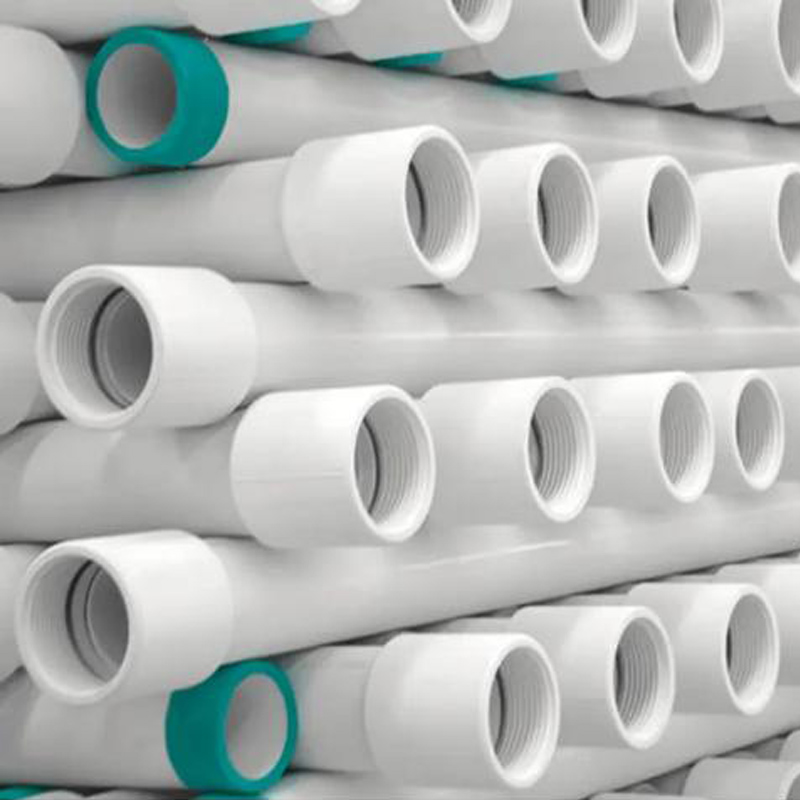
High-Density Polyethylene (HDPE) pipe for water supply represents a significant advancement in municipal and industrial fluid conveyance systems. Positioned as a direct replacement for traditional materials like ductile iron, PVC, and steel, HDPE pipes offer a compelling combination of durability, cost-effectiveness, and environmental sustainability. This technical guide details the material science, manufacturing processes, performance characteristics, failure modes, and industry standards relevant to HDPE pipe production and application within water supply infrastructure. The core performance attributes center around long-term hydrostatic strength, resistance to chemical degradation, leak-free joints through heat fusion, and lightweight construction enabling reduced installation costs. A primary industry pain point lies in ensuring consistent material quality and proper installation techniques to maximize the service life and prevent premature failures, particularly related to slow crack growth (SCG) and third-party damage.
Material Science & Manufacturing
HDPE pipes are manufactured from polyethylene resin, a thermoplastic polymer produced through the polymerization of ethylene. The resin grade is critical, with PE3408, PE4710, and PE100 being commonly used for water supply applications. PE100 exhibits the highest molecular weight and enhanced resistance to SCG. The raw material’s density dictates its strength and stiffness; higher density correlating with improved mechanical properties. Manufacturing primarily involves extrusion. Raw HDPE pellets are fed into an extruder, melted, and forced through a die to create a continuous pipe profile. Key parameters include melt temperature (typically 180-220°C), die pressure, haul-off speed, and cooling rate. Precise control of these parameters is vital for maintaining consistent wall thickness, diameter, and dimensional accuracy. Pipe diameters range from small distribution lines (under 2 inches) to large transmission mains (over 60 inches). Further processing includes belling or socketing for jointing, often utilizing hot spinning or cold extrusion techniques. Quality control at this stage involves dimensional checks, hydrostatic testing, and material property verification via techniques like Differential Scanning Calorimetry (DSC) to assess crystallinity and molecular weight distribution.
Performance & Engineering
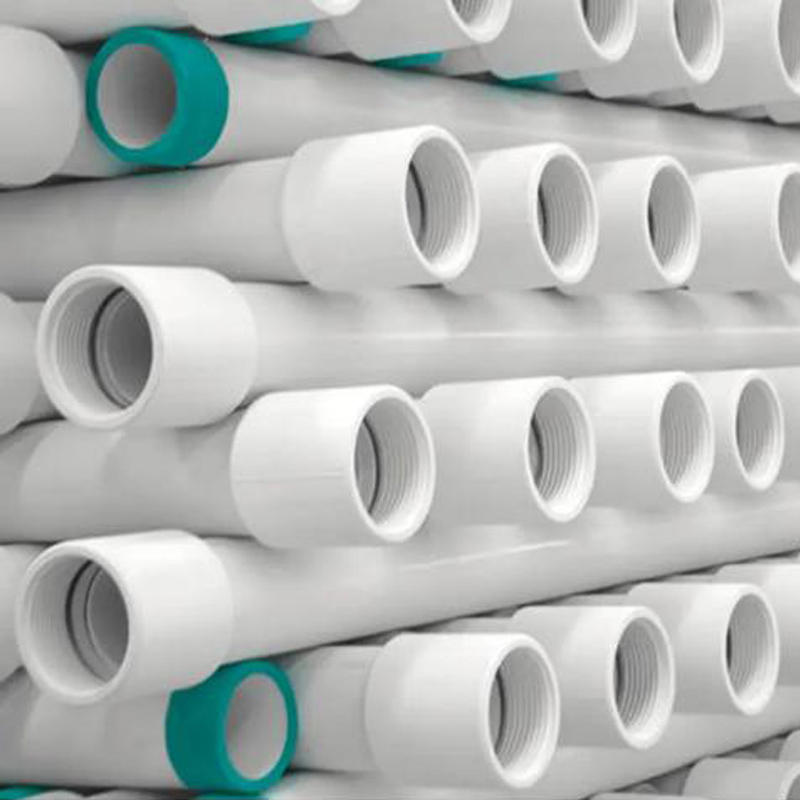
The performance of HDPE pipes in water supply applications is governed by several engineering principles. Hydrostatic strength, the ability to withstand internal water pressure, is a primary concern. This is determined by a combination of the pipe's wall thickness, material grade (PE100 offers superior strength), and temperature. Long-term hydrostatic strength is often assessed using hydrostatic stress rupture testing, predicting pipe life under sustained pressure. HDPE exhibits excellent flexibility, allowing for pipeline alignment with ground contours and accommodating soil movement, reducing stress concentrations. Environmental factors significantly impact performance. UV exposure can cause degradation, necessitating the addition of UV stabilizers to the resin. Soil corrosivity and temperature fluctuations also play a role. Furthermore, the jointing method is critical. Butt fusion, socket fusion, and electrofusion welding are common techniques. Proper welding parameters (temperature, pressure, dwell time) are essential to achieve joint strengths equal to or exceeding the base pipe material. Compliance with industry standards like AWWA M55 ensures the structural integrity and long-term reliability of HDPE pipelines. Force analysis considers external loads from soil overburden, traffic, and seismic activity, informing pipe wall thickness selection and bedding material specifications.
Technical Specifications
| Parameter | Unit | PE3408 | PE4710 |
|---|---|---|---|
| Minimum Required Strength (MRS) | MPa | 8.0 | 10.0 |
| Hydrostatic Design Stress (HDS) | MPa | 5.0 | 6.3 |
| Density | kg/m³ | 930-955 | 940-965 |
| Vicat Softening Temperature | °C | 120-130 | 125-135 |
| Slow Crack Growth Resistance (SCGR) | Hours | <100 | >1000 |
| Maximum Operating Temperature | °C | 60 | 60 |
Failure Mode & Maintenance
HDPE pipe failures can occur due to several mechanisms. Slow Crack Growth (SCG) is a prevalent issue, particularly in pipes exposed to sustained stress and aggressive environments. SCG initiates at stress concentrators (e.g., scratches, gouges) and propagates slowly through the polymer matrix. Third-party damage during excavation is another common cause, resulting in punctures or cuts. Fatigue cracking can occur in areas subjected to cyclic pressure or bending stresses. Oxidation, accelerated by UV exposure and elevated temperatures, degrades the polymer, reducing its mechanical properties. Joint failures can result from improper welding techniques, contamination during fusion, or inadequate cooling. Maintenance strategies involve regular inspections for visual defects, pressure testing to detect leaks, and cathodic protection in corrosive environments. Repair options include mechanical couplings, heat fusion welding for minor damage, and pipe replacement for significant failures. Preventative measures include proper bedding and backfill compaction to minimize stress, the use of warning tape to prevent third-party damage, and regular monitoring of water quality to mitigate corrosion. Failure analysis should include fractography to identify the failure mechanism and material testing to assess the pipe’s properties.
Industry FAQ
Q: What is the impact of varying soil corrosivity levels on the long-term performance of HDPE pipe?
A: Soil corrosivity significantly affects HDPE pipe longevity. Highly corrosive soils, containing chlorides, sulfates, or organic acids, can accelerate environmental stress cracking (ESC) and reduce the pipe’s overall strength. Implementing cathodic protection or utilizing protective coatings can mitigate these effects. Soil testing and appropriate material selection (e.g., HDPE with enhanced resistance to ESC) are crucial.
Q: How does the choice of welding method (butt fusion, socket fusion, electrofusion) impact the joint strength and long-term reliability of the pipeline?
A: Butt fusion generally provides the strongest and most reliable joints, suitable for larger diameter pipes and higher pressure applications. Socket and electrofusion are suitable for smaller diameters. Electrofusion offers precise control over welding parameters. All methods require strict adherence to manufacturer’s specifications and proper operator training to ensure consistent joint integrity. Improper welding parameters are a primary cause of joint failure.
Q: What specific quality control measures should be implemented during HDPE pipe manufacturing to prevent slow crack growth (SCG)?
A: Rigorous quality control includes resin selection (PE100 is preferred), melt flow index (MFI) testing to ensure consistent resin viscosity, and hydrostatic testing to verify long-term strength. Maintaining tight control over extrusion parameters (temperature, pressure) and minimizing surface defects are also critical. SCG testing (e.g., full-scale burst testing) is used to assess the pipe’s resistance to SCG.
Q: What is the recommended bedding and backfill material for HDPE pipelines to minimize stress and ensure long-term stability?
A: A properly prepared bedding is essential. Typically, a layer of well-graded sand or gravel is used to provide uniform support and distribute the load. Backfill material should be non-corrosive, free of rocks and sharp objects, and compacted in layers to achieve the specified density. Avoid using materials with high clay content, as they can exert excessive pressure on the pipe.
Q: What are the implications of using recycled HDPE in water supply pipelines, and what quality control measures are necessary?
A: Recycled HDPE can be used in non-pressure applications or outer layers of multi-layer pipes. Using recycled materials in potable water pipes requires stringent quality control to ensure no contaminants leach into the water supply. Thorough testing for residual monomers, heavy metals, and other potentially harmful substances is essential, along with verification of mechanical properties to meet industry standards.
Conclusion
HDPE pipe represents a robust and reliable solution for water supply infrastructure, offering substantial advantages over traditional materials. Its inherent resistance to corrosion, flexibility, and ease of installation contribute to reduced lifecycle costs and enhanced system performance. However, achieving these benefits necessitates a comprehensive understanding of material science, manufacturing processes, and potential failure modes.
Successful implementation relies on adherence to industry standards, rigorous quality control throughout the production process, and proper installation techniques. Continued research and development focusing on enhanced resin formulations, improved welding methods, and advanced inspection technologies will further solidify HDPE's position as a leading material in water supply applications. Prioritizing preventative maintenance and proactive failure analysis will optimize pipeline longevity and minimize disruptions to essential water services.
-
DN25 HDPE Compression Fitting-HORON INTERNATIONAL|Reliable Irrigation Solutions
NewsFeb.11,2026
-
china corrugated hdpe pipe fittings Performance Analysis
News2026-05-22
-
china ppr pipe for hot water Performance Analysis
News2026-05-22
-
china ppr Technical Performance Analysis
News2026-05-22
-
china corrugated dual wall pipe Performance Analysis
News2026-05-22
-
china sink inlet pipe Material Performance Analysis
News2026-05-22
-
china 1 2 inch pvc Performance Analysis
News2026-05-21
-
china hdpe pipe joint coupler Performance Analysis
News2026-05-21
-
china ppr pipes and fittings price list Technical Analysis
News2026-05-21
-
china 9 inch pvc pipe price Performance Analysis
News2026-05-21
-
china 2 inch borewell column pipe price Performance Engineering
News2026-05-21
-
china hdpe pipe suppliers Performance Analysis
News2026-05-20
-
china submersible pump column pipe Performance Engineering
News2026-05-20
-
china 8 hdpe corrugated pipe Manufacturing Analysis
News2026-05-20
-
china dual wall hdpe pipe Performance Analysis
News2026-05-20
-
china water lines under sink Performance Analysis
News2026-05-20