

Feb . 11, 2026 00:01 Back to list
PVC Pipes what are pvc pipes used for service Performance Analysis
Introduction
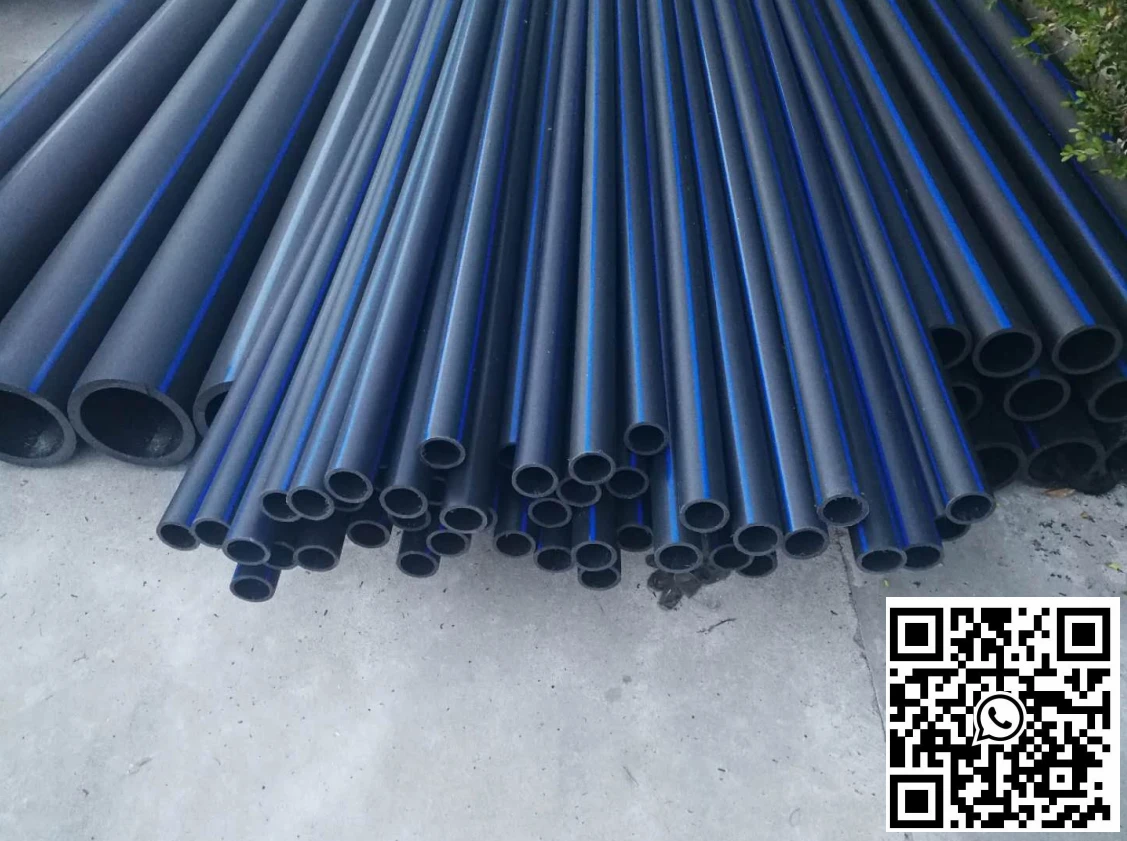
Polyvinyl Chloride (PVC) piping constitutes a ubiquitous component in modern infrastructure, serving a vast array of fluid and solid conveyance applications. Positioned as a cost-effective and versatile alternative to traditional materials like metal and clay, PVC pipes are prevalent across municipal water distribution, irrigation, sewage systems, industrial chemical handling, and increasingly, in specialized applications like underground electrical conduit. Their lightweight nature, corrosion resistance, and ease of installation contribute to their widespread adoption. This guide provides a comprehensive technical overview of PVC piping, covering material science, manufacturing processes, performance characteristics, failure modes, and relevant industry standards. A core industry pain point revolves around long-term degradation and ensuring consistent material quality to prevent catastrophic failures, particularly in high-pressure or critical infrastructure systems. Understanding these parameters is crucial for engineers, procurement managers, and maintenance personnel alike.
Material Science & Manufacturing
PVC is a thermoplastic polymer produced through the polymerization of vinyl chloride monomer (VCM). The resulting material exhibits inherent rigidity, yet can be plasticized with additives to achieve a broader range of flexibility. The primary raw materials for PVC production are ethylene and chlorine, typically sourced from salt and petrochemical feedstocks. For piping applications, PVC compounds are typically formulated with stabilizers (e.g., tin stabilizers, calcium-zinc stabilizers), lubricants, and impact modifiers to enhance processing characteristics and long-term durability. Manufacturing predominantly utilizes extrusion processes. PVC resin, along with the formulated additives, is fed into an extruder where it is heated and homogenized. The molten PVC is then forced through a die of the desired pipe diameter and shape. Cooling is achieved through water baths, followed by dimensional calibration and cutting to length. Key parameters during extrusion, such as melt temperature, screw speed, and die pressure, are meticulously controlled to ensure consistent wall thickness, dimensional accuracy, and surface finish. Schedule 40 and Schedule 80 are common wall thickness classifications denoting pressure bearing capacity; higher schedule numbers indicate thicker walls and increased pressure ratings. Material compatibility is critical; prolonged exposure to certain solvents or hydrocarbons can cause swelling and eventual failure.
Performance & Engineering
The performance of PVC piping is governed by several key engineering considerations. Tensile strength, typically ranging from 50-70 MPa, dictates the pipe’s resistance to longitudinal stress. Hydrostatic pressure rating, determined by wall thickness and diameter, defines the maximum internal pressure the pipe can withstand without failure. The impact resistance, enhanced by impact modifiers, determines the pipe's ability to resist sudden loads and impacts. Environmental resistance is also paramount. While PVC exhibits excellent resistance to many chemicals, prolonged exposure to UV radiation can cause embrittlement and discoloration. Therefore, UV stabilizers are incorporated into the formulation, or pipes are protected from direct sunlight. Soil loading, particularly in buried applications, is a significant design factor. The pipe must be able to support the weight of the soil and any superimposed loads without deformation or cracking. Compliance with relevant standards, such as ASTM D1785 (for PVC pipe) and ASTM D2412 (for PVC fittings), ensures that the pipe meets minimum performance requirements. Force analysis, including hoop stress calculations, is essential for designing piping systems that can safely operate under expected pressures and temperatures. Thermal expansion and contraction must also be accounted for in system design to prevent stress buildup and potential leaks.
Technical Specifications
| Parameter | Schedule 40 (inches) | Schedule 80 (inches) | ASTM D1785 Standard |
|---|---|---|---|
| Outside Diameter (OD) - 4" | 4.500 | 4.500 | ±0.020 in |
| Wall Thickness - 4" (Schedule 40) | 0.218 | 0.280 | Defined per diameter |
| Hydrostatic Pressure Rating - 4" (Schedule 40) | 400 psi | 600 psi | Minimum 400 psi |
| Tensile Strength | 65 MPa | 65 MPa | Minimum 55 MPa |
| Impact Resistance (Izod Notched) | 8 ft-lb/in | 10 ft-lb/in | Varies with temperature |
| Operating Temperature Range | -40°C to 60°C | -40°C to 60°C | Dependent on compound formulation |
Failure Mode & Maintenance
PVC piping is susceptible to several failure modes. Brittle fracture can occur due to impact, especially at low temperatures. Long-term hydrostatic stress can lead to slow crack propagation (SCG), particularly in areas of high stress concentration (e.g., around fittings). UV degradation causes embrittlement and surface cracking. Chemical attack from incompatible substances can cause swelling, softening, and eventual failure. Joint failures can occur due to improper solvent welding or inadequate sealant application. Maintenance involves regular visual inspections for cracks, leaks, and signs of degradation. Pressure testing can identify leaks and weaknesses in the system. Proper installation techniques, including adequate bedding and backfill, are critical to prevent stress on the pipe. For solvent welded joints, ensure proper surface preparation and adequate curing time. Replace damaged sections promptly to prevent further failures. Consider using UV-resistant coatings or shielding for pipes exposed to sunlight. Periodic cleaning can remove debris and buildup that can contribute to corrosion or blockage. Thorough flushing after installation is essential to remove residual debris from the manufacturing process.
Industry FAQ
Q: What is the impact of water hammer on PVC piping systems?
A: Water hammer, a pressure surge caused by sudden changes in flow velocity, can cause significant stress on PVC pipes and joints. PVC's relative brittleness makes it more susceptible to damage from water hammer than ductile materials like steel. Mitigation strategies include installing air chambers, surge arrestors, and controlling valve closure rates.
Q: How does soil acidity affect the longevity of buried PVC pipes?
A: Highly acidic soils can accelerate the degradation of PVC piping, particularly if the soil contains dissolved sulfates. The acidity can leach stabilizers from the PVC compound, leading to embrittlement and reduced strength. Protective coatings or the use of PVC compounds with enhanced resistance to chemical attack are recommended in acidic soil environments.
Q: What are the limitations of using PVC piping for hot water applications?
A: PVC has a relatively low maximum operating temperature (typically around 60°C). Exposing PVC piping to elevated temperatures can cause softening, deformation, and a reduction in pressure-bearing capacity. For hot water applications, CPVC (Chlorinated Polyvinyl Chloride) is a more suitable material due to its higher temperature resistance.
Q: Can PVC pipes be used for compressed air systems?
A: While possible, using PVC for compressed air systems requires careful consideration. PVC’s limited temperature resistance and susceptibility to brittle fracture make it less ideal than materials like aluminum or steel. Proper safety factors must be applied, and the system should be regularly inspected for leaks and cracks. Moisture within the compressed air can also contribute to degradation.
Q: What is the proper procedure for solvent welding PVC fittings?
A: Proper solvent welding is critical for creating leak-proof joints. The process involves cleaning and priming both the pipe and fitting surfaces, applying PVC cement evenly, and quickly inserting the pipe into the fitting with a slight twisting motion. Allow sufficient curing time (typically 24 hours) before pressurizing the system.
Conclusion
PVC piping remains a dominant force in fluid conveyance due to its compelling combination of cost-effectiveness, versatility, and ease of installation. However, realizing its full potential necessitates a thorough understanding of its material properties, manufacturing nuances, and potential failure modes. Addressing the core industry pain points of long-term durability and quality consistency requires diligent adherence to relevant standards, proper installation techniques, and preventative maintenance practices.
Future developments in PVC technology are focused on enhancing its resistance to environmental degradation, improving its impact strength, and exploring bio-based PVC formulations to reduce its environmental footprint. Continued research and development will undoubtedly further expand the application range of this essential material in critical infrastructure projects globally.
-
DN25 HDPE Compression Fitting-HORON INTERNATIONAL|Reliable Irrigation Solutions
NewsFeb.11,2026
-
china corrugated hdpe pipe fittings Performance Analysis
News2026-05-22
-
china ppr pipe for hot water Performance Analysis
News2026-05-22
-
china ppr Technical Performance Analysis
News2026-05-22
-
china corrugated dual wall pipe Performance Analysis
News2026-05-22
-
china sink inlet pipe Material Performance Analysis
News2026-05-22
-
china 1 2 inch pvc Performance Analysis
News2026-05-21
-
china hdpe pipe joint coupler Performance Analysis
News2026-05-21
-
china ppr pipes and fittings price list Technical Analysis
News2026-05-21
-
china 9 inch pvc pipe price Performance Analysis
News2026-05-21
-
china 2 inch borewell column pipe price Performance Engineering
News2026-05-21
-
china hdpe pipe suppliers Performance Analysis
News2026-05-20
-
china submersible pump column pipe Performance Engineering
News2026-05-20
-
china 8 hdpe corrugated pipe Manufacturing Analysis
News2026-05-20
-
china dual wall hdpe pipe Performance Analysis
News2026-05-20
-
china water lines under sink Performance Analysis
News2026-05-20