

Feb . 11, 2026 00:01 Back to list
PVC Pipes what are pvc pipes used for manufacturers Performance Analysis
Introduction
Polyvinyl Chloride (PVC) pipe is a ubiquitous material in modern infrastructure, serving a vast range of applications from potable water distribution and wastewater conveyance to irrigation, chemical processing, and electrical conduit. This technical guide details the material science, manufacturing processes, performance characteristics, potential failure modes, and relevant industry standards governing PVC pipe. Its widespread adoption stems from a compelling combination of cost-effectiveness, corrosion resistance, durability, and ease of installation. However, proper selection and application require a thorough understanding of its limitations, particularly concerning temperature sensitivity and chemical compatibility. The industry faces ongoing challenges in balancing performance demands with environmental concerns related to PVC production and disposal, driving innovation in formulations and recycling technologies. This guide aims to provide a comprehensive resource for engineers, procurement professionals, and technicians involved in the specification, installation, and maintenance of PVC piping systems.
Material Science & Manufacturing
PVC is a thermoplastic polymer formed by the polymerization of vinyl chloride monomer (VCM). The resulting resin is inherently rigid and brittle. Therefore, it is almost always compounded with plasticizers, stabilizers, lubricants, and other additives to achieve desired flexibility, impact resistance, and processing characteristics. Common plasticizers include phthalates and increasingly, alternatives like DINCH due to health concerns. Stabilizers, primarily metal-based compounds (historically lead-based, now predominantly calcium-zinc), prevent degradation during processing and service life by neutralizing hydrochloric acid (HCl) released during thermal decomposition.
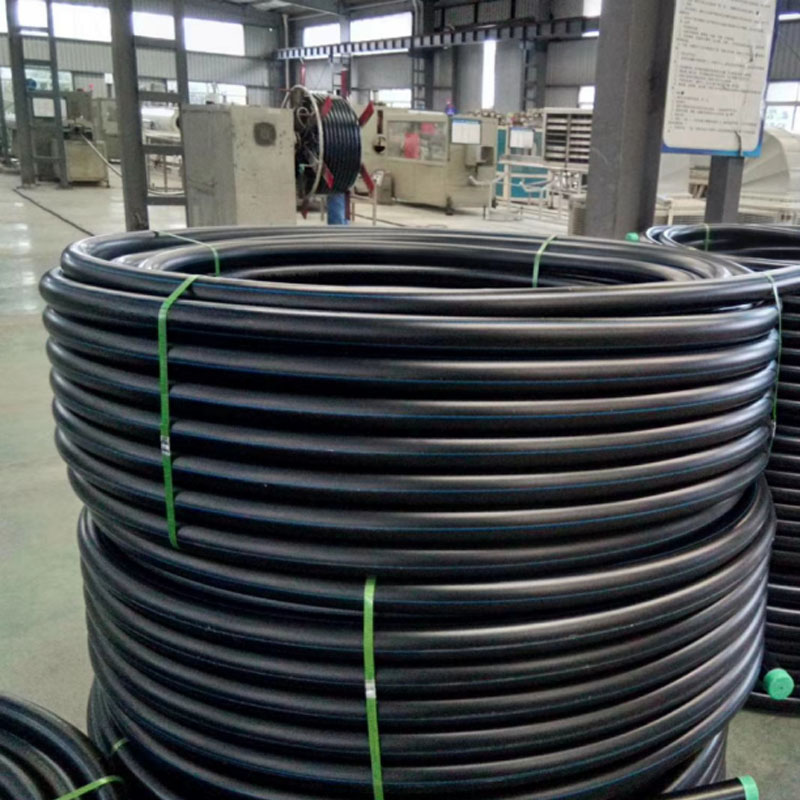
Manufacturing typically involves the extrusion process. PVC compound is fed into a single-screw or twin-screw extruder, where it is heated, melted, and homogenized. The molten PVC is then forced through a die to form the desired pipe dimensions. Critical process parameters include die temperature, screw speed, haul-off speed, and cooling rate. Wall thickness consistency is paramount, and is achieved through precise control of these parameters and die design. Pipe schedules (e.g., Schedule 40, Schedule 80) define the minimum pressure rating and correspond to specific wall thicknesses. Further processes like socketing (for fittings) and hydrostatic testing ensure product quality and adherence to standards. The choice of manufacturing method impacts the crystallinity of the PVC, influencing its long-term creep resistance and mechanical properties. Post-processing, such as calendaring for lining applications, may also be employed.
Performance & Engineering
The performance of PVC pipe is dictated by several key engineering properties. Tensile strength, typically ranging from 50-70 MPa, determines its resistance to bursting under internal pressure. The modulus of elasticity (around 3-4 GPa) governs its stiffness and resistance to deflection. However, PVC exhibits a relatively low impact strength, particularly at lower temperatures, necessitating careful consideration in applications prone to shock loading. Creep, the time-dependent deformation under sustained stress, is a significant factor, especially at elevated temperatures. Long-term hydrostatic testing is crucial to verify the pipe's ability to withstand pressure over its intended service life.
Environmental resistance is another critical aspect. PVC is generally resistant to acids, alkalis, and salts, but is susceptible to degradation by some organic solvents and chlorinated hydrocarbons. Ultraviolet (UV) radiation can cause discoloration and embrittlement, requiring the use of UV stabilizers in outdoor applications. Thermal expansion and contraction are significant, with a coefficient of thermal expansion approximately three times that of steel. This necessitates careful design of piping systems to accommodate dimensional changes and prevent stress cracking. Joining methods, such as solvent welding, threading, or gasketed joints, must be selected based on the application and pressure requirements. Force analysis, including burst pressure calculations and stress modeling, are essential to ensure structural integrity.
Technical Specifications
| Parameter | Schedule 40 PVC | Schedule 80 PVC | CPVC (Chlorinated PVC) |
|---|---|---|---|
| Material | Polyvinyl Chloride (PVC) | Polyvinyl Chloride (PVC) | Chlorinated Polyvinyl Chloride (CPVC) |
| Typical Operating Pressure (PSI) @ 73°F | 200 | 600 | 400 |
| Temperature Rating (°F) | 140 | 140 | 180-200 |
| Tensile Strength (MPa) | 55-65 | 55-65 | 60-70 |
| Modulus of Elasticity (GPa) | 3.0-3.5 | 3.0-3.5 | 3.5-4.0 |
| Coefficient of Linear Thermal Expansion (in/in°F) | 5.8 x 10^-5 | 5.8 x 10^-5 | 5.0 x 10^-5 |
Failure Mode & Maintenance
PVC pipe is susceptible to several failure modes. Long-term exposure to UV radiation leads to embrittlement and cracking. Hydrostatic stress combined with creep can cause slow crack propagation, especially in older pipes. Chemical attack from incompatible substances can result in softening, swelling, and eventual failure. Improper installation, such as over-tightening joints or inadequate bedding support, can induce stress cracking. Freezing temperatures can cause expansion and rupture if the pipe is filled with water. Fatigue cracking can occur under cyclical pressure loading. Delamination may occur in lower-quality pipes with insufficient bonding between layers.
Maintenance strategies include regular visual inspections for cracks, leaks, and discoloration. Pressure testing can identify weakened sections. UV protection, such as painting or coating, can extend service life. Avoidance of incompatible chemicals is crucial. Proper bedding and backfilling practices minimize stress. In areas prone to freezing, pipes should be insulated or drained. For solvent-welded joints, ensure proper surface preparation and adhesive application. Repairing minor cracks may be possible with specialized PVC repair compounds, but extensive damage typically requires pipe replacement. Implementing a preventative maintenance program and keeping detailed records of installation and repair history are essential for maximizing the lifespan of PVC piping systems.
Industry FAQ
Q: What is the impact of temperature on the performance of PVC pipe, and how does CPVC address these limitations?
A: PVC's mechanical properties degrade significantly at temperatures exceeding 140°F. It becomes more susceptible to creep, impact failure, and pressure drop. CPVC (Chlorinated PVC) addresses this by increasing the chlorine content of the polymer, enhancing its thermal stability and allowing for operation at temperatures up to 180-200°F. However, CPVC generally exhibits slightly lower impact strength than PVC.
Q: How does the choice of plasticizer affect the long-term durability and environmental impact of PVC pipe?
A: Traditional phthalate plasticizers can leach out over time, leading to embrittlement and potential environmental concerns. Newer, phthalate-free plasticizers like DINCH offer improved durability and reduced environmental impact, but may come at a higher cost. The type and concentration of plasticizer directly influence the flexibility and low-temperature performance of the PVC.
Q: What are the key considerations when solvent welding PVC pipe, and what are common causes of joint failure?
A: Proper solvent welding requires thorough surface preparation (cleaning and priming), correct adhesive application, and sufficient curing time. Common causes of joint failure include inadequate surface preparation, insufficient adhesive, excessive gap between pipe and fitting, and improper curing temperature. Always follow the manufacturer's instructions for the specific solvent cement and primer being used.
Q: How does the Schedule number (e.g., Schedule 40, Schedule 80) relate to the pressure rating and application of PVC pipe?
A: The Schedule number indicates the wall thickness of the pipe. Higher Schedule numbers (e.g., 80) correspond to thicker walls and therefore higher pressure ratings. Schedule 40 is commonly used for lower-pressure applications like irrigation, while Schedule 80 is preferred for higher-pressure systems like industrial process piping. Selecting the appropriate schedule is crucial for ensuring the system's structural integrity.
Q: What are the typical failure mechanisms associated with long-term burial of PVC pipe, and how can these be mitigated?
A: Long-term burial can lead to several failure mechanisms, including soil-induced stress cracking, corrosion from aggressive soil conditions, and damage from external loads (e.g., heavy machinery). Mitigation strategies include proper bedding and backfilling with non-corrosive materials, using protective sleeves in aggressive soils, and avoiding direct impact from heavy equipment. Regular inspections and cathodic protection may also be considered in certain environments.
Conclusion
PVC pipe remains a dominant material in piping systems due to its balance of cost, performance, and ease of use. However, its limitations related to temperature sensitivity, chemical compatibility, and long-term creep require careful consideration during material selection and system design. Understanding the underlying material science, manufacturing processes, and potential failure modes is essential for maximizing the lifespan and reliability of PVC piping infrastructure. Continued advancements in polymer formulations and processing techniques are focused on enhancing performance, improving environmental sustainability, and expanding the range of applications for this versatile material.
The future of PVC pipe lies in innovative solutions addressing environmental concerns, such as the development of bio-based plasticizers and enhanced recycling technologies. Furthermore, advancements in non-destructive testing methods and predictive maintenance programs will play a crucial role in ensuring the long-term integrity of existing and new PVC piping systems. As industry standards evolve to incorporate these advancements, a continued commitment to thorough engineering analysis and adherence to best practices will be paramount for safe and efficient operation.
-
DN25 HDPE Compression Fitting-HORON INTERNATIONAL|Reliable Irrigation Solutions
NewsFeb.11,2026
-
china corrugated hdpe pipe fittings Performance Analysis
News2026-05-22
-
china ppr pipe for hot water Performance Analysis
News2026-05-22
-
china ppr Technical Performance Analysis
News2026-05-22
-
china corrugated dual wall pipe Performance Analysis
News2026-05-22
-
china sink inlet pipe Material Performance Analysis
News2026-05-22
-
china 1 2 inch pvc Performance Analysis
News2026-05-21
-
china hdpe pipe joint coupler Performance Analysis
News2026-05-21
-
china ppr pipes and fittings price list Technical Analysis
News2026-05-21
-
china 9 inch pvc pipe price Performance Analysis
News2026-05-21
-
china 2 inch borewell column pipe price Performance Engineering
News2026-05-21
-
china hdpe pipe suppliers Performance Analysis
News2026-05-20
-
china submersible pump column pipe Performance Engineering
News2026-05-20
-
china 8 hdpe corrugated pipe Manufacturing Analysis
News2026-05-20
-
china dual wall hdpe pipe Performance Analysis
News2026-05-20
-
china water lines under sink Performance Analysis
News2026-05-20