

Feb . 11, 2026 00:01 Back to list
PVC Pipes for Factory Applications Performance Analysis
Introduction
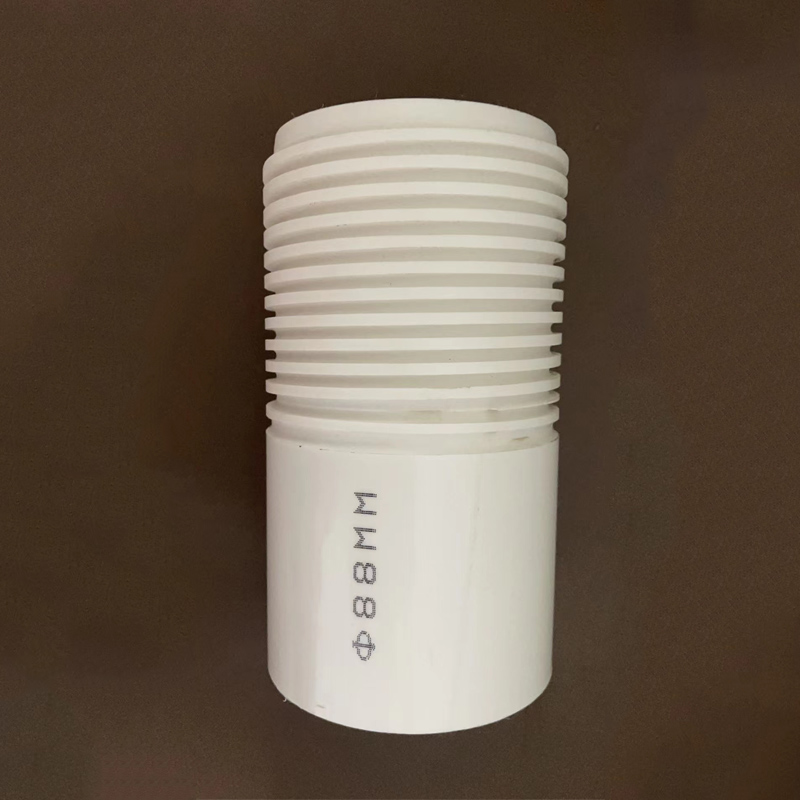
Polyvinyl chloride (PVC) piping systems represent a foundational element in modern industrial infrastructure, particularly within factory settings. PVC’s position in the industrial chain stems from its versatile applications in fluid transfer, waste management, and process piping. This guide provides an in-depth technical analysis of PVC pipe systems utilized within factory environments, focusing on material properties, manufacturing processes, performance characteristics, potential failure modes, and relevant industry standards. The core performance attributes of PVC pipe – corrosion resistance, low cost, ease of installation, and high flow capacity – are critical for ensuring operational efficiency and safety in demanding industrial applications. Unlike metallic piping systems, PVC mitigates concerns around rust and galvanic corrosion, significantly reducing maintenance downtime and extending service life. Its lightweight nature also reduces installation costs and simplifies handling. The following sections will dissect these aspects with a focus on the specific demands of factory use cases.
Material Science & Manufacturing
PVC is a thermoplastic polymer synthesized from the polymerization of vinyl chloride monomer (VCM). The raw material, ethylene dichloride (EDC), is produced by reacting ethylene and chlorine. EDC is then cracked into VCM, which undergoes polymerization. The resulting PVC resin is a white, brittle powder. For pipe production, PVC resin is typically compounded with additives such as plasticizers (e.g., phthalates, adipates), stabilizers (e.g., organotin compounds, calcium-zinc stabilizers), lubricants, and impact modifiers (e.g., chlorinated polyethylene – CPE). These additives tailor the PVC compound to specific application requirements, influencing flexibility, thermal stability, and impact resistance. The primary manufacturing process for PVC pipes is extrusion. The PVC compound is fed into an extruder, where it is heated and melted. A rotating screw forces the molten PVC through a die, shaping it into a continuous pipe profile. Key parameters in extrusion control include melt temperature (typically 180-210°C), screw speed, die geometry, and cooling rate. Cooling is critical for maintaining dimensional accuracy and preventing deformation. Post-extrusion, pipes undergo sizing, cutting, and quality control checks, including hydrostatic pressure testing to verify burst strength and dimensional stability. The choice of plasticizer significantly impacts the pipe’s flexibility and temperature resistance. Type I PVC (rigid) is used for cold water applications, while Type II PVC (flexible) is used where greater flexibility is required. Chemical compatibility is also a crucial consideration; exposure to certain solvents can cause swelling or degradation of the PVC material.
Performance & Engineering
The performance of PVC pipes in factory environments is governed by several engineering principles. Hydrostatic design stress (HDS) is a critical parameter, representing the maximum internal pressure the pipe can withstand without failure. HDS is calculated based on the pipe's dimensions, material properties (yield strength, tensile strength), and a safety factor. Burst pressure testing, conducted according to standards like ASTM D1597, validates the HDS. PVC pipes exhibit relatively low tensile strength compared to metals, necessitating careful consideration of mechanical loads. External loads, such as soil pressure, vehicular traffic (in buried applications), and axial loads due to thermal expansion/contraction, must be accounted for in the design. PVC's coefficient of thermal expansion is significantly higher than that of steel, requiring expansion joints or flexible connections to prevent stress build-up. Chemical resistance is a paramount consideration in factory settings, given the potential exposure to various process fluids. While PVC exhibits good resistance to many acids, bases, and salts, it is susceptible to degradation by certain organic solvents and aromatic hydrocarbons. Long-term creep resistance – the tendency of the pipe to deform slowly under sustained stress – is another important factor, particularly at elevated temperatures. UV exposure can also degrade PVC, causing embrittlement and discoloration. UV stabilizers are incorporated into the compound to mitigate this effect, but prolonged exposure should be avoided. Furthermore, understanding Darcy-Weisbach equation and Manning's equation is vital for calculating flow rates and pressure drops within the piping system.
Technical Specifications
| Parameter | Schedule 40 PVC | Schedule 80 PVC | CPVC (Chlorinated PVC) | ASTM D1785 Material |
|---|---|---|---|---|
| Pressure Rating (PSI) | 400 | 600 | 1000 | Varies by compound |
| Temperature Rating (°F) | 140 | 140 | 180 | Up to 140 |
| Tensile Strength (PSI) | 6,000 | 6,000 | 8,000 | Typically 5,800 - 7,250 |
| Flexural Modulus (PSI) | 300,000 | 300,000 | 350,000 | Around 300,000 |
| Impact Strength (Izod Notched, ft-lb/in) | 1.0 | 1.0 | 1.5 | 0.8 - 1.2 |
| Coefficient of Linear Thermal Expansion (in/in/°F) | 6.0 x 10^-5 | 6.0 x 10^-5 | 5.0 x 10^-5 | Approximately 5.8 x 10^-5 |
Failure Mode & Maintenance
PVC pipe failures in factory settings typically manifest in several ways. Fatigue cracking can occur due to repeated pressure cycling or vibration, particularly in systems with poor support. Chemical attack by incompatible fluids causes swelling, softening, and eventual cracking. Stress cracking results from the combined effect of tensile stress and aggressive chemicals. UV degradation leads to embrittlement and surface cracking, primarily in exposed applications. Impact damage, resulting from accidental impacts, can cause punctures or cracks. Joint failures frequently arise from improper solvent welding, inadequate adhesive application, or insufficient surface preparation. Maintenance protocols should include regular visual inspections for signs of cracking, discoloration, or swelling. Hydrostatic testing should be performed periodically to verify pressure integrity. Joints should be inspected for leaks and re-cemented if necessary. Preventative measures include selecting the appropriate PVC compound for the specific application, providing adequate support to minimize stress, protecting pipes from UV exposure, and implementing a robust quality control program for installation. Regular cleaning and flushing of the piping system prevent the buildup of deposits that can contribute to corrosion or blockages. In the event of a failure, it is crucial to isolate the affected section of the pipe and replace it with a compatible material.
Industry FAQ
Q: What is the impact of temperature fluctuations on PVC pipe performance in a factory environment with varying process temperatures?
A: PVC's coefficient of thermal expansion is a key concern. Significant temperature fluctuations cause expansion and contraction, inducing stress on joints and pipe sections. This can lead to leaks or failures. Mitigation strategies include incorporating expansion loops, using flexible couplings, and ensuring adequate pipe support to accommodate thermal movement. CPVC offers improved temperature resistance if elevated temperatures are a consistent factor.
Q: How does the choice of solvent cement affect the long-term integrity of PVC pipe joints?
A: Selecting the correct solvent cement is critical. The cement must be compatible with both the pipe and fitting materials. Improper application – insufficient cement, inadequate surface preparation, or working in unsuitable temperatures – can lead to weak joints prone to leakage and failure. Always follow the manufacturer's instructions meticulously and use a primer to soften the PVC surface before applying the cement.
Q: What are the key considerations when selecting PVC pipe for handling abrasive fluids or slurries?
A: Abrasive fluids accelerate wear and erosion of the pipe’s inner surface. Consider using thicker-walled Schedule 80 PVC for increased durability. Alternatively, incorporating a sacrificial liner or coating can protect the PVC from abrasion. Maintaining lower flow velocities reduces the abrasive impact and extends pipe life.
Q: What preventative measures should be taken to mitigate the risk of stress cracking in PVC pipes exposed to specific chemicals within the factory?
A: Identify all chemicals the pipe will encounter and verify their compatibility with PVC. Avoid exposure to strong solvents, aromatic hydrocarbons, and chlorinated compounds. If chemical exposure is unavoidable, consider using CPVC, which offers enhanced chemical resistance. Reducing internal pressure and minimizing mechanical stress on the pipe also helps prevent stress cracking.
Q: How often should hydrostatic testing be performed on PVC piping systems in a factory setting, and what are the acceptance criteria?
A: The frequency of hydrostatic testing depends on the criticality of the application and regulatory requirements. Generally, a initial test upon installation and then periodic re-tests every 3-5 years are recommended. Acceptance criteria typically require the pipe to withstand a test pressure 1.5 times the maximum working pressure for a specified duration (e.g., 24 hours) without any leakage or dimensional changes exceeding acceptable limits.
Conclusion
PVC piping systems provide a cost-effective and reliable solution for a wide range of factory applications. However, successful implementation relies on a thorough understanding of the material’s properties, manufacturing processes, and potential failure modes. Proper material selection, meticulous installation techniques, and consistent preventative maintenance are essential for ensuring long-term performance and minimizing downtime. The careful consideration of factors such as temperature fluctuations, chemical compatibility, and mechanical stress is paramount for optimizing the service life of PVC pipes.
Looking forward, advancements in PVC compounding, such as the development of more robust impact modifiers and UV stabilizers, will further enhance the performance and durability of PVC piping systems. Furthermore, the integration of smart sensors for real-time monitoring of pressure, temperature, and flow rates will enable predictive maintenance and proactive identification of potential issues, maximizing operational efficiency and safety within factory environments. A commitment to adhering to industry best practices and relevant standards remains critical for realizing the full potential of PVC pipe technology.
-
DN25 HDPE Compression Fitting-HORON INTERNATIONAL|Reliable Irrigation Solutions
NewsFeb.11,2026
-
china corrugated hdpe pipe fittings Performance Analysis
News2026-05-22
-
china ppr pipe for hot water Performance Analysis
News2026-05-22
-
china ppr Technical Performance Analysis
News2026-05-22
-
china corrugated dual wall pipe Performance Analysis
News2026-05-22
-
china sink inlet pipe Material Performance Analysis
News2026-05-22
-
china 1 2 inch pvc Performance Analysis
News2026-05-21
-
china hdpe pipe joint coupler Performance Analysis
News2026-05-21
-
china ppr pipes and fittings price list Technical Analysis
News2026-05-21
-
china 9 inch pvc pipe price Performance Analysis
News2026-05-21
-
china 2 inch borewell column pipe price Performance Engineering
News2026-05-21
-
china hdpe pipe suppliers Performance Analysis
News2026-05-20
-
china submersible pump column pipe Performance Engineering
News2026-05-20
-
china 8 hdpe corrugated pipe Manufacturing Analysis
News2026-05-20
-
china dual wall hdpe pipe Performance Analysis
News2026-05-20
-
china water lines under sink Performance Analysis
News2026-05-20