

Feb . 11, 2026 00:01 Back to list
PVC Pipes for Factories what are pvc pipes used for factories Performance Analysis
Introduction
Polyvinyl Chloride (PVC) piping systems are ubiquitous in modern industrial facilities, serving as a crucial component in fluid and gas conveyance. This guide details the technical aspects of PVC pipe deployment in factory settings, focusing on material composition, manufacturing processes, performance characteristics, and long-term reliability. PVC’s widespread adoption stems from its cost-effectiveness, corrosion resistance, and relatively simple installation compared to metallic alternatives. In the industrial context, PVC is primarily employed for non-potable water transport, chemical drainage, ventilation systems, and specialized process piping where stringent purity requirements are not paramount. This document provides a comprehensive overview, addressing common failure modes and maintenance protocols crucial for ensuring operational efficiency and minimizing downtime.
Material Science & Manufacturing
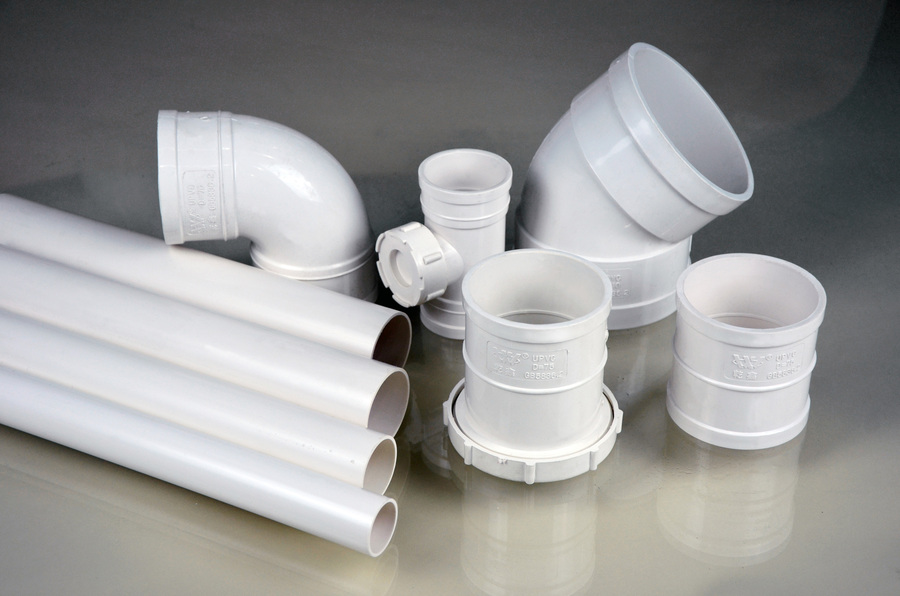
PVC is a thermoplastic polymer derived from vinyl chloride monomers. The raw material, vinyl chloride, is polymerized through suspension, emulsion, or bulk polymerization processes. Suspension PVC, the most common type for piping, results in larger particles offering superior impact strength. The resulting PVC resin is then compounded with various additives, including plasticizers (typically phthalates or DINP) to impart flexibility, stabilizers (typically calcium-zinc or lead-based) to prevent thermal degradation, lubricants to aid processing, and impact modifiers to enhance toughness. The formulation significantly influences the pipe’s final properties. Manufacturing PVC pipes typically involves extrusion. The compounded PVC is fed into an extruder, where it is heated, melted, and forced through a die to create the desired pipe diameter and wall thickness. Critical process parameters include extrusion temperature, screw speed, and die design, all of which impact dimensional accuracy and material homogeneity. Post-extrusion, pipes are cooled, cut to length, and subjected to quality control checks, including hydrostatic pressure testing and dimensional verification, adhering to standards like ASTM D1785.
Performance & Engineering
The performance of PVC pipes in industrial applications is dictated by several key engineering considerations. Firstly, pressure rating, determined by factors such as pipe diameter, wall thickness, and material grade (Schedule 40, 80, etc.), is crucial for containing process fluids. Hydrostatic pressure testing, conforming to ASTM D1597, verifies the pipe’s ability to withstand internal pressure without failure. Secondly, chemical resistance is paramount. While PVC exhibits excellent resistance to many acids, bases, and salts, it is susceptible to degradation by aromatic hydrocarbons, ketones, and esters. Compatibility charts are essential for selecting the appropriate PVC formulation for specific chemical environments. Thirdly, temperature limitations must be considered. PVC becomes brittle at low temperatures (below 5°C) and can soften or deform at elevated temperatures (above 60°C). Thermal expansion and contraction coefficients must be factored into system design to prevent stress concentrations. Finally, mechanical stress due to vibration, impact, and external loads needs assessment. Finite Element Analysis (FEA) can be used to model stress distribution and optimize pipe support structures.
Technical Specifications
| Parameter | Schedule 40 PVC | Schedule 80 PVC | CPVC (Chlorinated PVC) | ASTM D1785 Specification |
|---|---|---|---|---|
| Pressure Rating (PSI at 23°C) | 200 | 375 | 400-1000 (depending on temp) | Varies based on size & schedule |
| Temperature Range (°C) | 0 - 60 | 0 - 60 | -12 - 93 | Material-dependent |
| Tensile Strength (MPa) | 55-65 | 55-65 | 69-83 | Minimum 55 MPa |
| Impact Strength (Izod Notched, J/m) | 400-600 | 600-800 | 700-900 | Minimum 400 J/m |
| Chemical Resistance | Good to most acids/bases | Good to most acids/bases | Superior to PVC | Refer to chemical resistance charts |
| Long-Term Hydrolytic Stability | Moderate | Moderate | Excellent | ASTM D2996 testing |
Failure Mode & Maintenance
PVC pipes are susceptible to several failure modes in industrial settings. Firstly, embrittlement due to prolonged UV exposure is common, leading to cracking and fracture. Protective coatings or burying the pipe are recommended mitigations. Secondly, chemical attack from incompatible substances can cause degradation and weakening of the pipe wall. Regular inspections and adherence to chemical compatibility charts are crucial. Thirdly, hydrostatic fatigue, caused by cyclical pressure fluctuations, can lead to crack propagation and eventual rupture. Surge arrestors and proper pressure regulation can minimize this risk. Fourthly, mechanical damage from impacts or improper handling can create stress concentrations and initiate failure. Fifthly, joint failures, often due to improper solvent welding or gasket degradation, are a frequent occurrence. Maintenance involves regular visual inspections for cracks, leaks, or deformation. Pressure testing should be conducted periodically to verify system integrity. Solvent-welded joints should be inspected for proper fusion. Gaskets should be replaced as needed. Preventive maintenance programs, including corrosion monitoring and pipe support assessments, are essential for maximizing service life.
Industry FAQ
Q: What is the impact of operating temperature on the lifespan of a PVC pipe system in a chemical processing plant?
A: Elevated operating temperatures significantly reduce the long-term strength and lifespan of PVC pipes. As temperature increases, PVC becomes more susceptible to creep, stress cracking, and degradation from chemical attack. Exceeding the maximum recommended operating temperature (typically 60°C) drastically accelerates these processes, leading to premature failure. CPVC offers improved temperature resistance, but even CPVC has limitations. Careful temperature monitoring and appropriate material selection are crucial.
Q: How does solvent welding affect the overall structural integrity of a PVC piping system?
A: Proper solvent welding is critical for achieving a strong, leak-proof joint. Incomplete fusion, caused by insufficient solvent application, improper pipe alignment, or unfavorable environmental conditions (temperature, humidity), results in weakened joints that are prone to failure. A proper solvent weld creates a molecular bond between the pipe and fitting, resulting in a joint strength comparable to the base material. Following ASTM F493 standards for solvent cementing is essential.
Q: What are the considerations when selecting PVC pipe for handling abrasive slurries?
A: Abrasive slurries cause erosive wear on the inner surface of PVC pipes, reducing wall thickness and eventually leading to perforation. Selecting a thicker-walled pipe (e.g., Schedule 80) provides increased resistance to erosion. Minimizing flow velocity reduces the abrasive force. Implementing filtration systems to remove larger particles from the slurry can also extend pipe lifespan. Consider using specialized PVC formulations with enhanced abrasion resistance.
Q: What are the primary differences between Schedule 40 and Schedule 80 PVC pipe, and when would you choose one over the other?
A: Schedule 40 and Schedule 80 refer to the nominal pipe wall thickness. Schedule 80 has a thicker wall, providing higher pressure ratings and increased mechanical strength. Schedule 40 is generally suitable for lower-pressure applications and is more cost-effective. Schedule 80 is preferred for high-pressure systems, applications involving significant mechanical stress, or where increased safety margins are required.
Q: How can electrostatic discharge (ESD) be managed when using PVC pipes in flammable environments?
A: PVC is an electrically insulating material and can accumulate static charge, particularly in low-humidity environments. In areas with flammable liquids or gases, the buildup of static electricity can create a spark hazard. Grounding the PVC piping system, using conductive fittings, and controlling humidity levels are essential ESD mitigation measures. Adherence to relevant safety standards (e.g., NFPA 77) is critical.
Conclusion
PVC piping systems remain a dominant force in industrial fluid conveyance due to their balance of cost, performance, and ease of installation. However, successful implementation necessitates a thorough understanding of material properties, manufacturing processes, and potential failure modes. Proper selection of PVC formulation, adherence to industry standards for installation and maintenance, and diligent monitoring of operating conditions are paramount to ensuring long-term reliability and minimizing operational disruptions.
Future advancements in PVC technology, including the development of enhanced impact modifiers and improved chemical resistance formulations, will further expand its applicability in demanding industrial environments. Continuous refinement of installation techniques and the adoption of proactive maintenance strategies will be critical for maximizing the lifespan and performance of PVC piping systems, solidifying its position as a vital component of modern industrial infrastructure.
-
DN25 HDPE Compression Fitting-HORON INTERNATIONAL|Reliable Irrigation Solutions
NewsFeb.11,2026
-
china corrugated hdpe pipe fittings Performance Analysis
News2026-05-22
-
china ppr pipe for hot water Performance Analysis
News2026-05-22
-
china ppr Technical Performance Analysis
News2026-05-22
-
china corrugated dual wall pipe Performance Analysis
News2026-05-22
-
china sink inlet pipe Material Performance Analysis
News2026-05-22
-
china 1 2 inch pvc Performance Analysis
News2026-05-21
-
china hdpe pipe joint coupler Performance Analysis
News2026-05-21
-
china ppr pipes and fittings price list Technical Analysis
News2026-05-21
-
china 9 inch pvc pipe price Performance Analysis
News2026-05-21
-
china 2 inch borewell column pipe price Performance Engineering
News2026-05-21
-
china hdpe pipe suppliers Performance Analysis
News2026-05-20
-
china submersible pump column pipe Performance Engineering
News2026-05-20
-
china 8 hdpe corrugated pipe Manufacturing Analysis
News2026-05-20
-
china dual wall hdpe pipe Performance Analysis
News2026-05-20
-
china water lines under sink Performance Analysis
News2026-05-20