

Feb . 11, 2026 00:01 Back to list
PVC Pipe what is pvc pipe used for in plumbing service Performance Analysis
Introduction
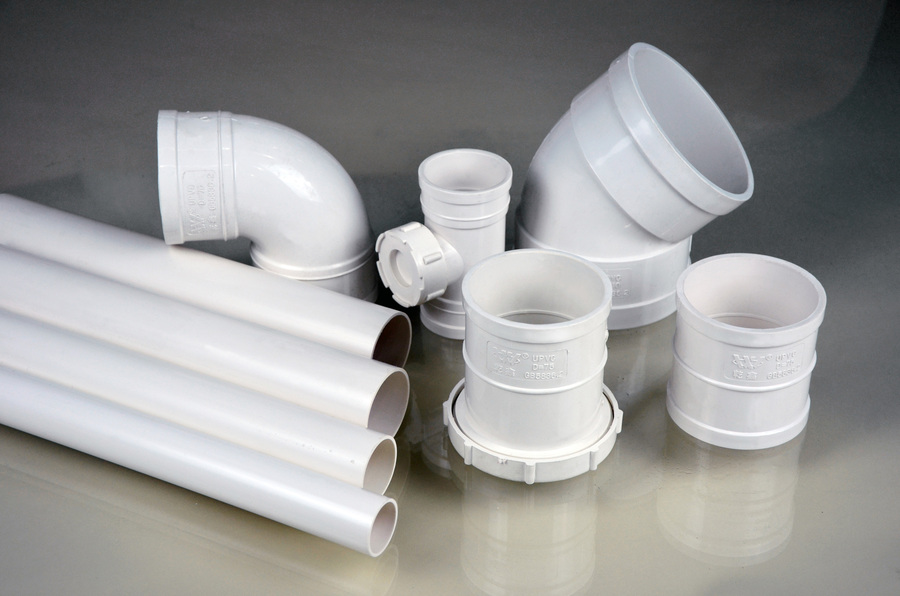
Polyvinyl chloride (PVC) pipe is a ubiquitous material in plumbing service, representing a significant advancement over traditional metallic piping systems. Its primary application lies in conveying potable water, drainage, waste, and vent (DWV) systems, as well as irrigation. PVC’s position within the plumbing industry chain is as a finished product, directly replacing materials like galvanized steel, copper, and cast iron. Core performance characteristics include its corrosion resistance, lightweight nature, ease of installation, and cost-effectiveness. However, its temperature sensitivity and potential for brittleness necessitate careful consideration in design and application. The material’s inherent resistance to many chemicals also expands its use to industrial plumbing applications beyond residential and commercial building services. This guide provides a comprehensive technical overview of PVC pipe in plumbing, covering material science, manufacturing, performance, failure modes, and relevant industry standards.
Material Science & Manufacturing
PVC is a thermoplastic polymer produced through the polymerization of vinyl chloride monomer (VCM). The raw material, ethylene dichloride (EDC), is produced from ethylene and chlorine. This EDC is then cracked to produce VCM, which is subsequently polymerized into PVC resin. The PVC resin is rarely used in pure form for pipe applications; it is typically compounded with stabilizers (often lead or calcium-zinc based), lubricants, plasticizers (like phthalates or DINP), and impact modifiers (like acrylics or MBS) to tailor its properties for specific applications. The rigidity of PVC pipe is dictated by the amount of plasticizer added; Schedule 40 PVC, commonly used for pressure applications, contains a lower plasticizer content, resulting in higher strength and rigidity compared to Schedule 80 or flexible PVC.
Manufacturing PVC pipe involves primarily extrusion. PVC compound is fed into a single-screw extruder, where it is heated and homogenized. The molten PVC is then forced through a die, shaping it into the desired pipe diameter and wall thickness. Continuous extrusion produces long lengths of pipe, which are subsequently cooled in a water bath to solidify the material. Key parameters during extrusion include temperature control (to prevent degradation), screw speed (affecting throughput and homogeneity), and die design (determining dimensional accuracy). Jointing methods include solvent welding (using PVC cement, which chemically fuses the pipe and fitting materials) and threaded connections (for smaller diameter pipes). Quality control measures during manufacturing include hydrostatic pressure testing (to verify burst strength), dimensional checks, and material composition analysis.
Performance & Engineering
The performance of PVC pipe in plumbing service is heavily influenced by hydrostatic pressure, temperature, and chemical exposure. PVC exhibits a linear elastic behavior up to its yield strength, after which it undergoes plastic deformation and eventual failure. The Hazen-Williams equation is commonly used to calculate friction losses within PVC pipe, a critical factor in determining pump sizing and flow rates. The C-factor (roughness coefficient) for PVC typically ranges from 140 to 150, indicating a relatively smooth internal surface. Temperature significantly affects PVC’s mechanical properties; elevated temperatures reduce its tensile strength and increase its susceptibility to creep (slow deformation under sustained load).
Engineering considerations for PVC pipe installations include thermal expansion and contraction. PVC has a relatively high coefficient of thermal expansion, requiring expansion joints or properly supported runs to prevent stress buildup and potential cracking. Soil loading and backfill compaction around buried PVC pipes must be controlled to prevent deformation or damage. Furthermore, PVC is susceptible to slow crack growth (SCG) under sustained tensile stress in the presence of certain chemicals (e.g., chlorinated solvents). Therefore, material compatibility is crucial. Compliance requirements include adherence to plumbing codes (e.g., Uniform Plumbing Code, International Plumbing Code) and standards related to pressure ratings, material quality, and installation practices.
Technical Specifications
| Parameter | Schedule 40 PVC | Schedule 80 PVC | CPVC (Chlorinated PVC) | Flexible PVC |
|---|---|---|---|---|
| Pressure Rating (PSI at 73°F) | 400 | 600 | 100-400 (depending on temp) | Up to 100 |
| Tensile Strength (PSI) | 6,000-7,500 | 7,500-8,500 | 8,000-9,000 | 3,000-4,000 |
| Flexural Modulus (PSI) | 300,000-350,000 | 350,000-400,000 | 400,000-450,000 | 150,000-200,000 |
| Impact Strength (Izod Notched, ft-lb/in) | 1.0-1.5 | 1.5-2.0 | 2.0-2.5 | 5.0+ |
| Coefficient of Thermal Expansion (in/in/°F) | 6.0 x 10⁻⁶ | 6.0 x 10⁻⁶ | 5.0 x 10⁻⁶ | 8.0 x 10⁻⁶ |
| Operating Temperature Range (°F) | -40 to 140 | -40 to 140 | -40 to 180 | -20 to 130 |
Failure Mode & Maintenance
PVC pipe is susceptible to several failure modes in plumbing applications. One common issue is embrittlement due to prolonged UV exposure, leading to cracking, particularly in outdoor installations. This can be mitigated by using UV-resistant PVC formulations or protecting the pipe from direct sunlight. Another failure mode is slow crack growth (SCG), as mentioned earlier, caused by sustained stress and exposure to certain chemicals. This is often observed at joints or areas with stress concentrations. Impact damage, especially during installation or backfilling, can cause cracking or complete failure. Furthermore, improper solvent welding can result in weak joints prone to leakage. Freezing temperatures can cause expansion and cracking of the pipe if water inside freezes.
Maintenance of PVC plumbing systems involves regular inspections for leaks, cracks, and signs of damage. Minor leaks can often be repaired using PVC repair couplings or epoxy specifically designed for PVC. For larger cracks or significant damage, pipe replacement is typically necessary. Preventative maintenance includes ensuring proper insulation in cold climates to prevent freezing, avoiding exposure to incompatible chemicals, and protecting outdoor installations from UV radiation. Periodic cleaning to remove sediment buildup can also improve flow rates and prevent corrosion of metallic fittings connected to the PVC system. When making repairs, always ensure the system is depressurized and drained to avoid injury.
Industry FAQ
Q: What are the primary differences between Schedule 40 and Schedule 80 PVC pipe, and when should each be used?
A: Schedule 80 PVC pipe has a thicker wall than Schedule 40, resulting in a higher pressure rating and greater rigidity. Schedule 40 is commonly used for residential drain, waste, and vent systems, as well as low-pressure water distribution. Schedule 80 is preferred for higher-pressure applications, such as industrial process piping and commercial plumbing systems where increased durability and pressure resistance are required. The increased wall thickness of Schedule 80 also offers better sound dampening.
Q: Is PVC pipe suitable for hot water applications?
A: Standard PVC is not recommended for consistently high-temperature hot water applications. Its maximum operating temperature is typically 140°F (60°C). Above this temperature, the pipe can soften and lose its structural integrity. For hot water applications, Chlorinated PVC (CPVC) is the preferred material, as it can withstand temperatures up to 180°F (82°C) or higher, depending on the specific formulation.
Q: What is the effect of soil acidity on the longevity of buried PVC pipe?
A: Highly acidic soils can contribute to the degradation of PVC pipe over time, although PVC exhibits good chemical resistance to many acids. Prolonged exposure to acidic conditions can cause embrittlement and reduce the pipe's strength. Using a protective bedding material around the pipe, such as sand or gravel, can help mitigate this effect. Additionally, selecting a PVC formulation with enhanced chemical resistance may be necessary in severely acidic soil conditions.
Q: What are the best practices for solvent welding PVC pipe to ensure a leak-proof joint?
A: Proper solvent welding is crucial for creating reliable, leak-proof joints. First, ensure both the pipe and fitting surfaces are clean, dry, and free of debris. Apply a thin, even coat of primer to both surfaces, followed immediately by a generous coat of PVC cement. Quickly insert the pipe fully into the fitting with a slight twisting motion to ensure even cement distribution. Hold the joint firmly for 30 seconds to allow the cement to set. Avoid excessive cement application, as this can weaken the joint.
Q: How does the presence of chlorine in potable water affect the lifespan of PVC pipes?
A: While PVC is generally resistant to chlorine, prolonged exposure to high concentrations of chlorine, or chloramines, can slowly degrade the pipe material over many years. This degradation is a very slow process and typically does not result in immediate failure. However, water treatment facilities often adjust chlorine levels to comply with regulatory standards, minimizing the impact on PVC pipe longevity. The use of stabilized PVC formulations can further enhance chlorine resistance.
Conclusion
PVC pipe remains a dominant material in plumbing service due to its combination of cost-effectiveness, durability, and ease of installation. Its chemical resistance and relatively lightweight nature provide significant advantages over traditional piping materials. However, a comprehensive understanding of its limitations, particularly regarding temperature sensitivity, UV degradation, and susceptibility to slow crack growth, is crucial for ensuring long-term performance and preventing premature failure. Proper material selection, adherence to industry standards, and diligent installation practices are paramount for maximizing the lifespan and reliability of PVC plumbing systems.
Future advancements in PVC technology are focused on developing more durable and environmentally friendly formulations, including bio-based plasticizers and enhanced UV stabilizers. Further research into mitigating SCG and improving impact resistance will also contribute to the continued evolution of PVC pipe as a preferred material for plumbing applications. Continuous monitoring of water chemistry and soil conditions, coupled with preventative maintenance programs, will remain essential for optimizing the performance and extending the service life of PVC plumbing infrastructure.
-
DN25 HDPE Compression Fitting-HORON INTERNATIONAL|Reliable Irrigation Solutions
NewsFeb.11,2026
-
china 1 2 inch pvc Performance Analysis
News2026-05-21
-
china hdpe pipe joint coupler Performance Analysis
News2026-05-21
-
china ppr pipes and fittings price list Technical Analysis
News2026-05-21
-
china 9 inch pvc pipe price Performance Analysis
News2026-05-21
-
china 2 inch borewell column pipe price Performance Engineering
News2026-05-21
-
china hdpe pipe suppliers Performance Analysis
News2026-05-20
-
china submersible pump column pipe Performance Engineering
News2026-05-20
-
china 8 hdpe corrugated pipe Manufacturing Analysis
News2026-05-20
-
china dual wall hdpe pipe Performance Analysis
News2026-05-20
-
china water lines under sink Performance Analysis
News2026-05-20
-
china ppr pipe used for Material Performance
News2026-05-19
-
china hdpe pipe for sewer line Performance Analysis
News2026-05-19
-
china pvc pipe used for plumbing Technical Analysis
News2026-05-19
-
china hdpe pipe dimensions Technical Analysis
News2026-05-19
-
china kitchen sink water plumbing Performance Analysis
News2026-05-19