

Feb . 11, 2026 00:01 Back to list
PVC Pipe what are pvc pipes used for manufacturer Performance Analysis
Introduction
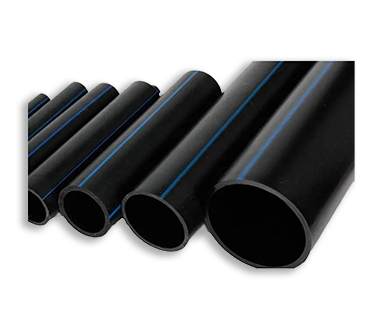
Polyvinyl chloride (PVC) pipe represents a significant material in modern fluid conveyance systems. Its widespread adoption across diverse industries, including municipal water distribution, irrigation, chemical processing, and drainage, stems from its cost-effectiveness, durability, and inherent resistance to corrosion. PVC pipe isn't merely a plumbing component; it's a foundational element within critical infrastructure. This guide provides an in-depth examination of PVC pipe, covering its material science, manufacturing processes, performance characteristics, potential failure modes, and relevant industry standards. We address the prevalent industry pain points surrounding long-term performance reliability, chemical compatibility in demanding applications, and the ensuring of compliance with evolving regulatory frameworks. Understanding these facets is crucial for engineers, procurement managers, and facility operators seeking to optimize system lifespan and minimize lifecycle costs.
Material Science & Manufacturing
PVC is a thermoplastic polymer produced by the polymerization of vinyl chloride monomer (VCM). The raw material, ethylene dichloride (EDC), is produced from ethylene and chlorine. This EDC undergoes pyrolysis to yield VCM. Polymerization is typically achieved via suspension, emulsion, or bulk polymerization techniques, each yielding PVC with differing molecular weight distributions and particle sizes. The resulting PVC resin is a white, brittle powder. To enhance its processability and end-use properties, PVC is rarely used in its pure form. Plasticizers, such as phthalates or adipates, are incorporated to increase flexibility. Stabilizers, typically organotin compounds or calcium-zinc formulations, are added to prevent degradation during processing and use, particularly from heat and UV exposure. Other additives include lubricants, impact modifiers, and processing aids.
Manufacturing PVC pipe involves extrusion. The PVC compound is fed into a single-screw or twin-screw extruder, where it is heated and plasticized. The molten PVC is then forced through a die, shaping it into the desired pipe diameter and wall thickness. Critical process parameters include extruder screw speed, barrel temperature profile, die temperature, and puller speed. Accurate control of these parameters is essential to achieve dimensional accuracy, consistent wall thickness, and a smooth surface finish. Post-extrusion, pipes are cooled in a water bath to solidify the PVC and maintain shape. Quality control measures include hydrostatic pressure testing to verify burst strength and dimensional inspections to ensure adherence to standards. Further downstream processes include bell-end forming, printing, and cutting to length. The choice of plasticizer significantly impacts the pipe’s flexibility and temperature resistance. For high-temperature applications, CPVC (chlorinated PVC) is often used, offering improved thermal stability.
Performance & Engineering
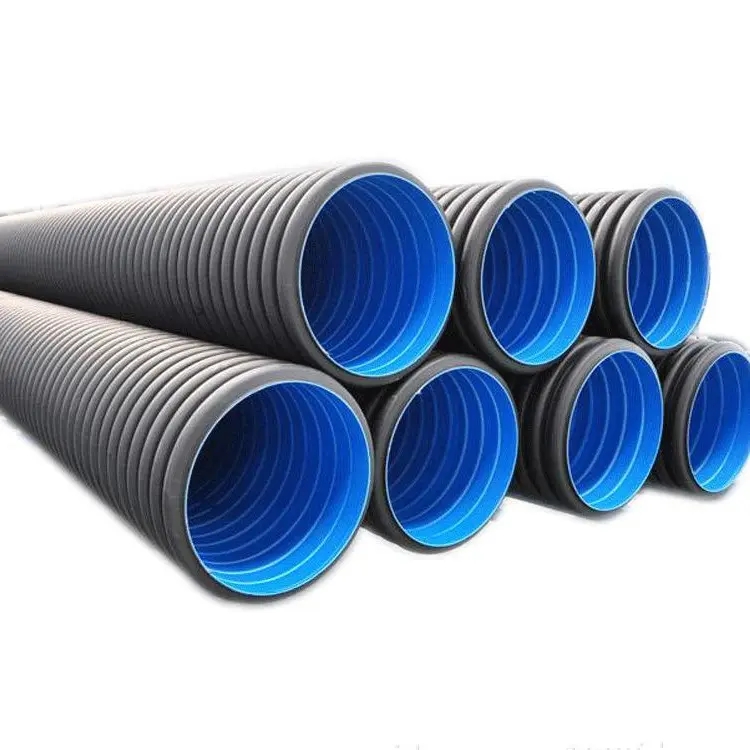
The performance of PVC pipe is governed by its mechanical properties, chemical resistance, and environmental stability. Tensile strength, typically ranging from 50-70 MPa, dictates the pipe’s resistance to longitudinal stress. Its modulus of elasticity, approximately 3-4 GPa, determines its stiffness. Impact resistance, measured using Izod or Charpy impact tests, is critical, particularly in applications prone to external loads or accidental impacts. The long-term hydrostatic strength is a critical design parameter, determined by the hydrostatic design basis (HDB) and incorporating factors for temperature, pressure, and time. PVC exhibits excellent resistance to a wide range of chemicals, including acids, bases, and salts. However, it is susceptible to attack by certain solvents, such as ketones, esters, and aromatic hydrocarbons.
Engineering considerations include soil loading, thermal expansion and contraction, and the effects of UV exposure. Soil loading requires proper bedding and backfill materials to prevent pipe ovalization and cracking. Thermal expansion and contraction necessitate the use of expansion joints or flexible couplings in long pipeline runs to accommodate dimensional changes due to temperature fluctuations. UV exposure can cause surface degradation and embrittlement. UV stabilizers are incorporated into the PVC compound to mitigate this effect, but long-term exposure may still require protective coatings or burial. Furthermore, joint integrity is paramount. Solvent welding, using PVC cements, creates a chemical bond between pipe sections, ensuring a watertight seal. The selection of the appropriate cement and proper application technique are crucial to avoid joint failures. Compliance with relevant pressure ratings and structural designs as per industry codes and standards are non-negotiable.
Technical Specifications
| Parameter | Schedule 40 PVC | Schedule 80 PVC | CPVC (ASTM D2313) | Units |
|---|---|---|---|---|
| Tensile Strength | 55 MPa | 62 MPa | 69 MPa | MPa |
| Flexural Modulus | 3.2 GPa | 3.5 GPa | 3.8 GPa | GPa |
| Impact Strength (Izod Notched) | 8 kJ/m² | 10 kJ/m² | 12 kJ/m² | kJ/m² |
| Hydrostatic Design Basis (HDB) | 4.5 MPa | 6.9 MPa | 10.3 MPa | MPa |
| Maximum Operating Temperature | 60°C | 60°C | 93°C | °C |
| Chemical Resistance | Excellent (most acids, bases) | Excellent (most acids, bases) | Improved (hot acids, chlorinated solvents) | Qualitative |
Failure Mode & Maintenance
PVC pipe is susceptible to several failure modes, including brittle fracture, stress cracking, chemical attack, and UV degradation. Brittle fracture can occur due to impact loads, especially at low temperatures, exacerbated by pre-existing flaws or stress concentrations. Stress cracking, also known as environmental stress cracking (ESC), arises from the combined action of tensile stress and aggressive chemicals. This is a significant concern in applications involving prolonged exposure to certain solvents or detergents. Chemical attack can occur when PVC is exposed to incompatible chemicals, leading to swelling, softening, and eventual degradation. UV degradation causes surface embrittlement and loss of mechanical properties.
Preventative maintenance includes regular visual inspections for cracks, leaks, and signs of degradation. Proper installation practices, including adequate bedding and backfill, are crucial to minimize stress on the pipe. Avoiding exposure to incompatible chemicals and providing UV protection are also essential. In the event of a leak, immediate repair or replacement is necessary. Joint failures are often addressed through re-cementing or replacement of the damaged section. For larger-scale failures, consider conducting a failure analysis to identify the root cause and implement corrective measures. Regular pressure testing can identify potential weaknesses before they lead to catastrophic failures. Maintaining accurate records of pipe installation, operating conditions, and maintenance activities is vital for long-term performance monitoring.
Industry FAQ
Q: What is the impact of long-term soil loading on PVC pipe's structural integrity?
A: Prolonged soil loading can cause ovalization and creep deformation in PVC pipe, reducing its effective wall thickness and increasing stress concentrations. Proper bedding and backfill materials – typically granular materials with adequate compaction – are essential to distribute the load evenly and minimize deformation. Geotechnical surveys are recommended to determine soil properties and design appropriate support systems.
Q: How does temperature affect the pressure rating of PVC pipe?
A: As temperature increases, the tensile strength and hydrostatic design basis (HDB) of PVC pipe decrease. Pressure ratings are typically based on a reference temperature (e.g., 23°C). Derating factors are applied to account for elevated operating temperatures, reducing the allowable working pressure. Consult relevant standards and manufacturer specifications for specific derating curves.
Q: What are the primary differences between Schedule 40 and Schedule 80 PVC pipe?
A: Schedule 80 PVC pipe has a thicker wall than Schedule 40, resulting in higher pressure ratings and greater structural strength. Schedule 80 is typically used in applications requiring higher pressure capacity or greater resistance to impact. However, the thicker wall also reduces the internal diameter for a given nominal pipe size.
Q: What solvents are incompatible with PVC pipe and should be avoided?
A: PVC is vulnerable to degradation by certain organic solvents, including ketones (e.g., acetone), esters (e.g., ethyl acetate), aromatic hydrocarbons (e.g., benzene, toluene), and chlorinated hydrocarbons (e.g., chloroform). Exposure to these solvents can cause swelling, softening, and cracking. Always consult a chemical resistance chart before exposing PVC pipe to any unfamiliar substance.
Q: What is the role of UV stabilizers in PVC pipe and how effective are they?
A: UV stabilizers are additives that protect PVC from degradation caused by ultraviolet radiation. They work by absorbing UV light or scavenging free radicals formed by UV exposure. While effective in extending the service life of PVC pipe exposed to sunlight, UV stabilizers are not a permanent solution. Prolonged or intense UV exposure will eventually lead to surface degradation and loss of mechanical properties. Protective coatings or burial are recommended for long-term UV protection.
Conclusion
PVC pipe remains a cornerstone material in fluid conveyance systems due to its cost-effectiveness, versatility, and corrosion resistance. However, realizing its full potential requires a comprehensive understanding of its material science, manufacturing nuances, and performance limitations. Careful consideration of factors such as temperature, chemical exposure, soil loading, and UV radiation is critical for ensuring long-term reliability and minimizing lifecycle costs. Proper installation practices, regular maintenance, and adherence to industry standards are equally important.
Future advancements in PVC technology will likely focus on developing more sustainable formulations, enhancing chemical resistance, and improving long-term durability. The integration of smart monitoring systems to detect leaks and structural weaknesses will further enhance the performance and reliability of PVC pipe infrastructure. As environmental regulations become more stringent, the development of recyclable and biodegradable PVC formulations will be essential for promoting a circular economy and reducing the environmental impact of this widely used material.
-
DN25 HDPE Compression Fitting-HORON INTERNATIONAL|Reliable Irrigation Solutions
NewsFeb.11,2026
-
china corrugated hdpe pipe fittings Performance Analysis
News2026-05-22
-
china ppr pipe for hot water Performance Analysis
News2026-05-22
-
china ppr Technical Performance Analysis
News2026-05-22
-
china corrugated dual wall pipe Performance Analysis
News2026-05-22
-
china sink inlet pipe Material Performance Analysis
News2026-05-22
-
china 1 2 inch pvc Performance Analysis
News2026-05-21
-
china hdpe pipe joint coupler Performance Analysis
News2026-05-21
-
china ppr pipes and fittings price list Technical Analysis
News2026-05-21
-
china 9 inch pvc pipe price Performance Analysis
News2026-05-21
-
china 2 inch borewell column pipe price Performance Engineering
News2026-05-21
-
china hdpe pipe suppliers Performance Analysis
News2026-05-20
-
china submersible pump column pipe Performance Engineering
News2026-05-20
-
china 8 hdpe corrugated pipe Manufacturing Analysis
News2026-05-20
-
china dual wall hdpe pipe Performance Analysis
News2026-05-20
-
china water lines under sink Performance Analysis
News2026-05-20