

Feb . 11, 2026 00:01 Back to list
pvc pipe for sale manufacturer Performance Analysis
Introduction
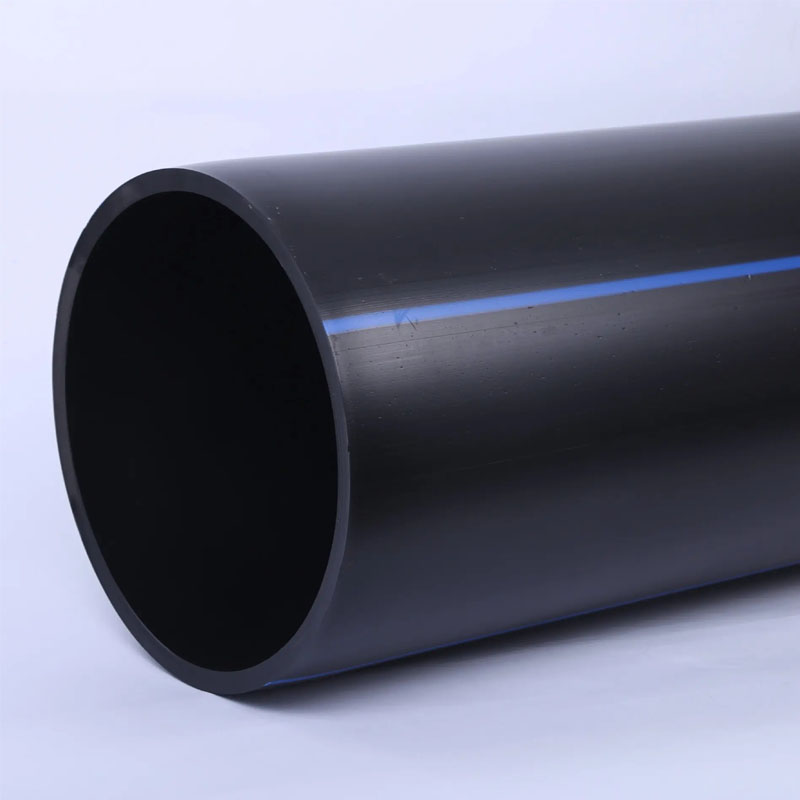
Polyvinyl chloride (PVC) pipe represents a cornerstone material in modern infrastructure, utilized extensively across diverse applications including potable water distribution, wastewater conveyance, irrigation, and industrial fluid handling. As a manufacturer specializing in PVC pipe for sale, our position within the industry chain focuses on the conversion of raw PVC resin into dimensionally accurate, pressure-rated piping systems adhering to stringent international standards. The core performance characteristics of PVC pipe – namely, its corrosion resistance, low cost, ease of installation, and durability – drive its widespread adoption. However, understanding the nuances of PVC material properties and manufacturing processes is critical for ensuring long-term system reliability and preventing premature failure. This guide provides an in-depth technical overview of PVC pipe, covering material science, manufacturing processes, performance characteristics, potential failure modes, and relevant industry standards. The increasing demand for sustainable infrastructure solutions and the evolution of PVC formulations necessitate a comprehensive understanding of these critical aspects for both manufacturers and end-users.
Material Science & Manufacturing
PVC is a thermoplastic polymer produced by the polymerization of vinyl chloride monomer (VCM). The raw material, PVC resin, exists in two primary forms: rigid PVC and flexible PVC. Rigid PVC, utilized in the majority of piping applications, possesses a high glass transition temperature (Tg) and requires plasticizers to enhance its flexibility. Common plasticizers include phthalates, adipates, and trimellitates, although concerns regarding phthalate leaching have driven the adoption of alternative, bio-based plasticizers. The manufacturing process begins with the compounding of PVC resin with additives such as stabilizers (typically organotin compounds or calcium-zinc stabilizers), lubricants, impact modifiers, and colorants. This mixture is then processed via extrusion. The extrusion process involves melting the PVC compound and forcing it through a die to create the desired pipe dimensions and wall thickness. Critical parameters during extrusion include melt temperature (typically 180-210°C), screw speed, die pressure, and cooling rate. Precise control of these parameters is essential to ensure consistent pipe dimensions, material homogeneity, and optimal mechanical properties. Post-extrusion, pipes undergo dimensional inspection, hydrostatic testing, and marking. The molecular weight distribution of the PVC resin significantly influences the final product's performance; higher molecular weight generally correlates with improved impact resistance and long-term durability. The degree of crystallinity also plays a crucial role, impacting the pipe’s stiffness and resistance to creep.
Performance & Engineering
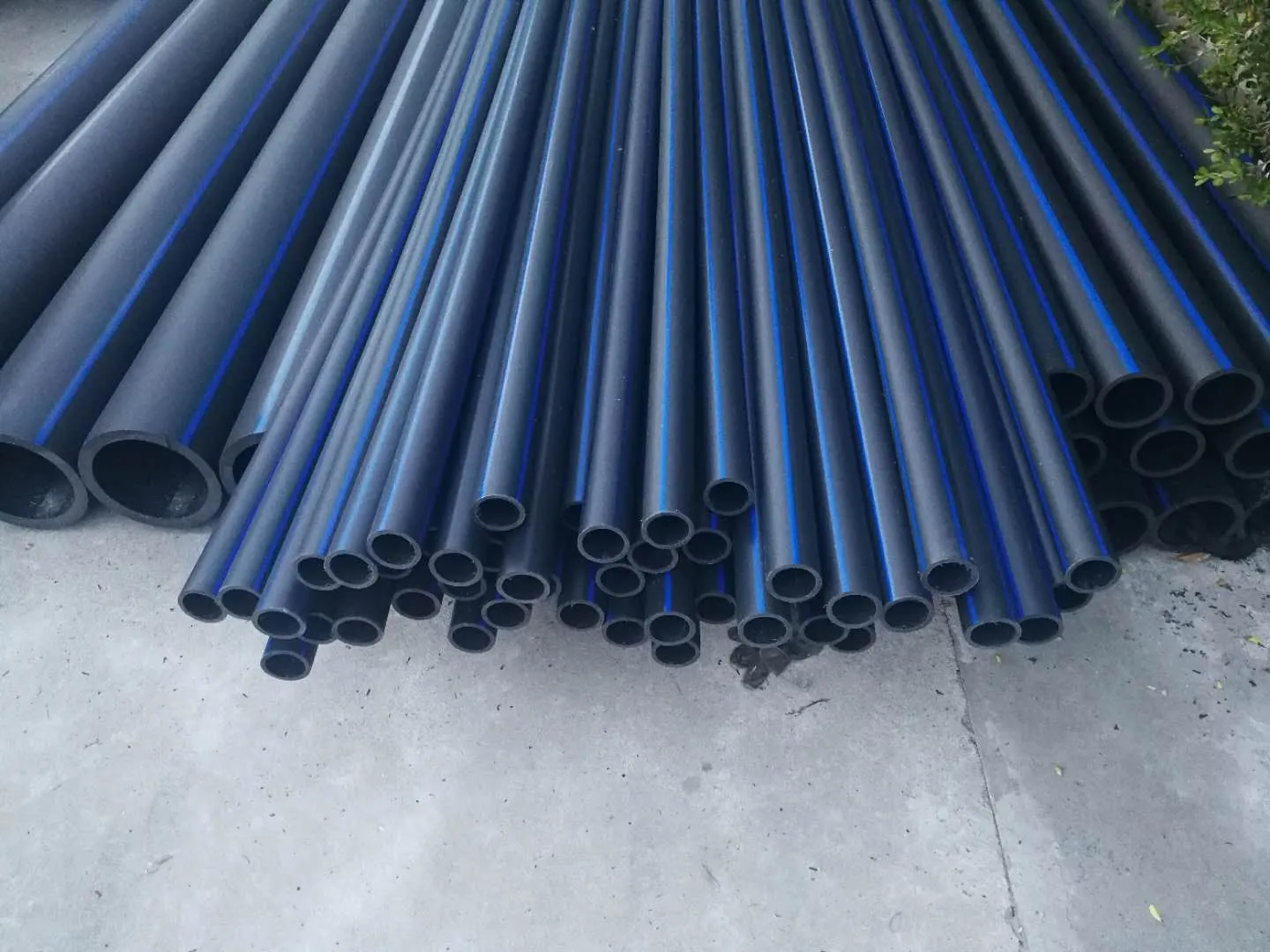
The performance of PVC pipe is dictated by its mechanical properties, chemical resistance, and environmental durability. Key mechanical properties include tensile strength, yield strength, elongation at break, and impact resistance (measured using Izod or Charpy impact tests). PVC pipe is subjected to various stresses in service, including internal hydrostatic pressure, external soil loads, and bending moments. Stress analysis, often employing Finite Element Analysis (FEA), is crucial for determining the appropriate pipe schedule (wall thickness) and ensuring long-term structural integrity. Chemical resistance is a significant advantage of PVC; it is resistant to most acids, alkalis, and salts. However, prolonged exposure to certain solvents, such as ketones and esters, can cause swelling and degradation. Environmental factors, particularly ultraviolet (UV) radiation and temperature, can also impact PVC’s performance. UV radiation causes chain scission and embrittlement, necessitating the use of UV stabilizers in exposed applications. Temperature affects both the mechanical properties and the hydrostatic pressure rating of PVC pipe. Higher temperatures reduce the tensile strength and increase the creep rate. Compliance with relevant standards, such as ASTM D1785 (for PVC pipe used in pressure applications) and ASTM D2412 (for PVC fittings), is paramount. Jointing methods, including solvent cementing, threaded connections, and gasketed joints, must be selected and implemented correctly to ensure leak-free and structurally sound piping systems. The long-term creep resistance of PVC is a critical consideration, particularly in applications involving sustained pressure.
Technical Specifications
| Parameter | Schedule 40 PVC | Schedule 80 PVC | CPVC (Chlorinated PVC) | Units |
|---|---|---|---|---|
| Pressure Rating | 400 psi (2.76 MPa) | 600 psi (4.14 MPa) | 400-1000 psi (2.76-6.90 MPa) | psi/MPa |
| Tensile Strength | 6,500-7,500 | 6,500-7,500 | 7,000-8,000 | psi |
| Flexural Modulus | 300,000-350,000 | 320,000-370,000 | 350,000-400,000 | psi |
| Impact Strength (Izod Notched) | 1.0-1.5 | 1.2-1.8 | 2.0-2.5 | ft-lb/in |
| Water Absorption (24hr) | 0.1-0.3 | 0.1-0.3 | 0.05-0.15 | % |
| Operating Temperature Range | -40 to 140°F (-40 to 60°C) | -40 to 140°F (-40 to 60°C) | -40 to 180°F (-40 to 82°C) | °F/°C |
Failure Mode & Maintenance
PVC pipe, while durable, is susceptible to various failure modes. One common failure is brittle fracture, often resulting from impact damage or cold temperature embrittlement. Long-term exposure to UV radiation can lead to surface cracking and loss of impact resistance. Chemical attack from incompatible substances can cause swelling, softening, and eventual failure. Another significant failure mode is slow crack growth (SCG), particularly in stressed environments. SCG is exacerbated by the presence of residual stresses from manufacturing and the permeation of aggressive chemicals. Delamination can occur in multilayer pipes or fittings due to inadequate adhesion between layers. Hydrostatic pressure can cause longitudinal splitting, especially in pipes with defects or thin wall sections. Maintenance practices include regular visual inspection for cracks, leaks, and signs of degradation. Protecting PVC pipe from direct sunlight and extreme temperatures is essential. Avoiding the use of incompatible solvents and chemicals is crucial. Proper jointing techniques and regular torque checks are necessary to prevent leaks. When repairing PVC pipe, use compatible repair materials and follow manufacturer's recommendations. For buried pipelines, cathodic protection may be necessary in corrosive soil environments to mitigate the risk of external corrosion of metallic components (if present). Periodic pressure testing can help identify potential weaknesses and prevent catastrophic failures. Failure analysis, involving material testing and fractographic examination, can determine the root cause of failures and inform preventative measures.
Industry FAQ
Q: What is the impact of different plasticizers on the long-term performance of PVC pipe?
A: The type of plasticizer significantly affects long-term performance. Phthalate plasticizers, while cost-effective, are prone to migration and can lead to embrittlement over time. Alternative plasticizers like adipates and trimellitates offer improved durability and lower migration rates but may be more expensive. Bio-based plasticizers are gaining traction due to their sustainability and reduced environmental impact, but their long-term performance characteristics are still under investigation.
Q: How does soil corrosivity affect the lifespan of buried PVC pipe?
A: While PVC is inherently corrosion-resistant, corrosive soils can impact its longevity. Highly acidic or alkaline soils can accelerate degradation, especially if the pipe is not properly protected. The presence of sulfates can also promote microbial-induced corrosion. In such environments, employing a protective bedding material and considering cathodic protection for any metallic components within the system are crucial.
Q: What is the recommended hydrostatic test pressure for newly installed PVC pipelines?
A: The recommended hydrostatic test pressure is typically 1.5 times the maximum working pressure of the pipeline, as specified in ASTM D1785. The test should be conducted for a minimum of 24 hours to identify any leaks or weaknesses. Water quality during testing should be representative of the intended service fluid.
Q: What are the key considerations when solvent cementing PVC pipe?
A: Proper surface preparation is paramount – surfaces must be clean, dry, and free of contaminants. Use the correct type of solvent cement and primer for the specific PVC formulation. Apply the cement uniformly and within the recommended open time. Ensure adequate ventilation during the process. Avoid excessive cement application, which can create internal stresses. Follow the manufacturer’s instructions meticulously.
Q: How does CPVC differ from standard PVC in terms of performance and applications?
A: CPVC (Chlorinated PVC) offers superior temperature resistance compared to standard PVC, allowing for use in hot water distribution systems and industrial applications involving higher temperatures. It also exhibits improved chemical resistance and higher tensile strength. However, CPVC is generally more expensive than standard PVC and requires specialized installation techniques and compatible fittings.
Conclusion
PVC pipe remains a vital material in infrastructure development due to its cost-effectiveness, durability, and versatility. A thorough understanding of its material science, manufacturing processes, and performance characteristics is essential for ensuring long-term reliability and minimizing the risk of premature failure. By carefully considering factors such as chemical compatibility, UV exposure, and stress analysis, engineers and procurement managers can optimize PVC pipe selection and installation for a wide range of applications.
Future developments in PVC technology are focusing on enhancing sustainability through the use of bio-based plasticizers, improving impact resistance at low temperatures, and developing advanced monitoring systems for pipeline integrity. Continued adherence to international standards and best practices will be critical for maintaining the long-term performance and environmental compatibility of PVC piping systems. The evolution towards smarter infrastructure solutions will necessitate a deeper integration of PVC pipe with data analytics and predictive maintenance strategies.
-
DN25 HDPE Compression Fitting-HORON INTERNATIONAL|Reliable Irrigation Solutions
NewsFeb.11,2026
-
china 3.5 inch pvc pipe Performance Analysis
News2026-06-03
-
china 75mm plastic pipe Performance Analysis
News2026-06-03
-
china use of ppr pipe Performance Analysis
News2026-06-03
-
china hdpe corrugated subsoil drainage pipe Performance Analysis
News2026-06-03
-
china ppr quick connector Performance Analysis
News2026-06-03
-
china hdpe pipe sizes and dimensions Performance Analysis
News2026-06-02
-
china pvc pipe supplier Performance Analysis
News2026-06-02
-
china flexible water line for kitchen sink Performance Analysis
News2026-06-02
-
china blue pvc pipe Performance Analysis
News2026-06-02
-
china hdpe pipe jain irrigation Performance Analysis
News2026-06-02
-
china hdpe coupling price Performance Analysis
News2026-06-01
-
china dual wall perforated corrugated pipe Performance Analysis
News2026-06-01
-
china ppr pipe 63mm Performance Analysis
News2026-06-01
-
china 63mm hdpe pipe price Performance Analysis
News2026-06-01
-
china ppr water pipe Performance Analysis
News2026-06-01