

Feb . 11, 2026 00:01 Back to list
pvc pipe cost per foot products Performance Analysis
Introduction
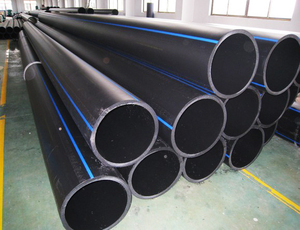
Polyvinyl chloride (PVC) pipe, a cornerstone of modern infrastructure, is utilized extensively in water distribution, irrigation, sewage systems, and industrial fluid transport. Its cost-effectiveness, durability, and resistance to corrosion make it a preferred material over traditional options like ductile iron or copper in many applications. The “cost per foot” metric is a primary consideration for project managers and procurement specialists, heavily influenced by pipe diameter, schedule (wall thickness), material grade, and regional supply chain dynamics. This guide provides an in-depth technical overview of PVC pipe, encompassing material science, manufacturing processes, performance characteristics, failure modes, and relevant industry standards. The analysis focuses on Schedule 40 and Schedule 80 PVC, representing the most commonly specified configurations. Understanding these technical aspects is crucial for optimizing lifecycle costs and ensuring long-term system reliability.
Material Science & Manufacturing
PVC is a thermoplastic polymer produced through the polymerization of vinyl chloride monomer (VCM). The resulting resin is inherently brittle and requires the addition of plasticizers, stabilizers, and lubricants to achieve the necessary flexibility and processability for pipe extrusion. Common plasticizers include phthalates and increasingly, bio-based alternatives due to environmental concerns. Stabilizers, such as organotin compounds or calcium-zinc formulations, prevent degradation during processing and exposure to UV radiation.
Manufacturing typically involves continuous extrusion. PVC compound is fed into a single-screw extruder where it’s heated and mixed. The molten PVC is then forced through a die, shaping it into the desired pipe diameter and wall thickness. Cooling is achieved via water baths, followed by sizing and cutting to specified lengths. Key process parameters requiring strict control include extrusion temperature (180-210°C), screw speed, die pressure, and cooling rate. Improper control can lead to variations in wall thickness, dimensional inconsistencies, and material defects like voids or blistering. The resin's K-value, representing molecular weight, significantly impacts melt viscosity and final product properties. Higher K-values generally correlate with increased strength and temperature resistance but also require higher processing temperatures. The degree of plasticizer migration over time is a critical factor impacting long-term flexibility and performance, particularly in elevated temperature environments.
Performance & Engineering
The performance of PVC pipe is governed by its mechanical properties, chemical resistance, and hydraulic characteristics. Tensile strength, typically ranging from 6,000 to 8,000 psi, determines its resistance to bursting under internal pressure. The modulus of elasticity (approximately 300,000 psi) influences its stiffness and resistance to deflection. Impact strength, measured using Izod or Charpy tests, is critical for preventing brittle failure during installation or operation. Long-term hydrostatic strength (LTHS) is a crucial design parameter, representing the sustained pressure a pipe can withstand over a 50-year service life, accounting for creep and material degradation.
Chemical resistance is a major advantage of PVC. It exhibits excellent resistance to acids, alkalis, salts, and many organic compounds. However, it's susceptible to degradation by aromatic hydrocarbons and chlorinated solvents. The operating temperature range is typically limited to -40°C to 60°C, as elevated temperatures can accelerate degradation and reduce mechanical strength. Stress cracking, induced by sustained tensile stress in the presence of certain chemicals, is a potential failure mode. Hydraulic performance is assessed through friction loss calculations (Darcy-Weisbach equation) and consideration of the pipe's roughness coefficient (typically 0.009 for PVC). Soil loading and external pressures must also be considered in design, accounting for the pipe's burial depth and surrounding soil conditions.
Technical Specifications
| Parameter | Schedule 40 (inches) | Schedule 80 (inches) | ASTM D1785 Standard |
|---|---|---|---|
| Outside Diameter (OD) – 4” | 4.500 | 4.500 | Compliant |
| Wall Thickness (WT) – 4” | 0.218 | 0.280 | Compliant |
| Pressure Rating @ 73°F (psi) – 4” | 400 | 600 | Compliant |
| Tensile Strength (psi) | 6,000 - 8,000 | 6,000 - 8,000 | D638 |
| Flexural Modulus (psi) | 300,000 - 350,000 | 300,000 - 350,000 | D790 |
| Impact Strength (Izod, ft-lb/in) | 0.5 - 1.0 | 1.0 – 1.5 | D256 |
Failure Mode & Maintenance
PVC pipe is susceptible to several failure modes. Brittleness, especially at low temperatures, can lead to cracking during installation or impact. Long-term exposure to UV radiation causes chain scission and embrittlement, necessitating burial or UV-resistant coatings. Chemical attack, particularly from aromatic hydrocarbons, can induce swelling and degradation. Soil stress, resulting from uneven loading or ground movement, can cause ovalization and cracking. Slow crack growth (SCG) is a significant concern, initiated by stress concentrations at flaws or defects, and accelerated by sustained stress and aggressive environments.
Maintenance involves regular visual inspection for cracks, leaks, or signs of degradation. Joints should be checked for proper adhesion and sealing. Support structures should be verified for adequate stability and load distribution. For minor cracks, repair sleeves or wraps can provide temporary remediation, but complete replacement is often the most reliable solution for significant damage. Preventive maintenance includes ensuring proper soil compaction around buried pipes and avoiding exposure to incompatible chemicals. Hydrostatic testing can identify leaks and assess the pipe’s structural integrity. Proper installation practices, adhering to industry standards, are crucial for minimizing the risk of premature failure.
Industry FAQ
Q: What is the impact of temperature on the long-term performance of PVC pipe?
A: Elevated temperatures accelerate the degradation of PVC, reducing its tensile strength and increasing its susceptibility to creep. Long-Term Hydrostatic Strength (LTHS) is significantly reduced at higher temperatures. Therefore, applications exceeding 60°C require specialized PVC formulations or alternative materials.
Q: How does soil composition affect the lifespan of buried PVC pipe?
A: Aggressive soils containing high levels of chlorides or sulfates can accelerate corrosion and degradation. Poorly compacted soil can lead to uneven loading and stress concentrations. Rocky or abrasive soils can cause mechanical damage during installation and operation. Proper bedding and backfill materials are crucial for mitigating these risks.
Q: What are the differences between Schedule 40 and Schedule 80 PVC pipe, and when should each be used?
A: Schedule 80 pipe has a thicker wall than Schedule 40, resulting in higher pressure ratings and greater structural integrity. Schedule 40 is typically used for lower-pressure applications like irrigation and drainage, while Schedule 80 is preferred for higher-pressure systems, industrial applications, and situations requiring increased safety margins.
Q: What are the common causes of leaks in PVC pipe joints?
A: Leaks often result from improper solvent cementing, inadequate surface preparation, or misalignment of the pipe and fitting. Temperature variations can cause expansion and contraction, creating stress on the joints. Using the correct primer and cement, ensuring thorough coverage, and allowing sufficient curing time are essential for leak-free connections.
Q: How do I determine the appropriate PVC pipe size for a specific application?
A: Pipe sizing depends on flow rate, pressure requirements, and frictional losses. Hydraulic calculations, considering the Darcy-Weisbach equation and pipe roughness, are necessary to determine the optimal diameter. Factors such as pump capacity, pipeline length, and elevation changes also influence pipe size selection.
Conclusion
PVC pipe remains a highly versatile and cost-effective material for a wide range of applications, but its long-term performance is heavily dependent on material selection, manufacturing quality, and proper installation practices. A comprehensive understanding of its material science, mechanical properties, and potential failure modes is essential for engineers and procurement professionals. Consideration of environmental factors, chemical exposure, and operating temperatures is critical for ensuring system reliability and minimizing lifecycle costs.
Future developments in PVC technology are focused on enhancing its durability, chemical resistance, and sustainability. Bio-based plasticizers and advanced stabilization systems are emerging as alternatives to traditional formulations. Ongoing research aims to improve resistance to slow crack growth and extend the service life of PVC pipe in demanding environments. Adherence to relevant industry standards and best practices will continue to be paramount for maintaining the integrity and longevity of PVC pipeline systems.
-
DN25 HDPE Compression Fitting-HORON INTERNATIONAL|Reliable Irrigation Solutions
NewsFeb.11,2026
-
china hdpe coupling joint Performance Analysis
News2026-06-05
-
china ppr pipe connector Manufacturing Analysis
News2026-06-05
-
china ppr pipe 20mm Manufacturing Analysis
News2026-06-05
-
china pvc pipe used for water supply Performance and Engineering
News2026-06-05
-
china orange pvc pipe Performance Engineering
News2026-06-05
-
china 1 2 ppr pipe in mm Performance Analysis
News2026-06-04
-
china hdpe pipe for water supply specifications Performance Analysis
News2026-06-04
-
china ppr hot water pipe insulation Thermal Performance
News2026-06-04
-
china 24 inch diameter pvc pipe Performance Analysis
News2026-06-04
-
china ppr hot water pipe Performance Analysis
News2026-06-04
-
china 3.5 inch pvc pipe Performance Analysis
News2026-06-03
-
china 75mm plastic pipe Performance Analysis
News2026-06-03
-
china use of ppr pipe Performance Analysis
News2026-06-03
-
china hdpe corrugated subsoil drainage pipe Performance Analysis
News2026-06-03
-
china ppr quick connector Performance Analysis
News2026-06-03