

Feb . 11, 2026 00:01 Back to list
pvc pipe class 7 service Performance Analysis
Introduction
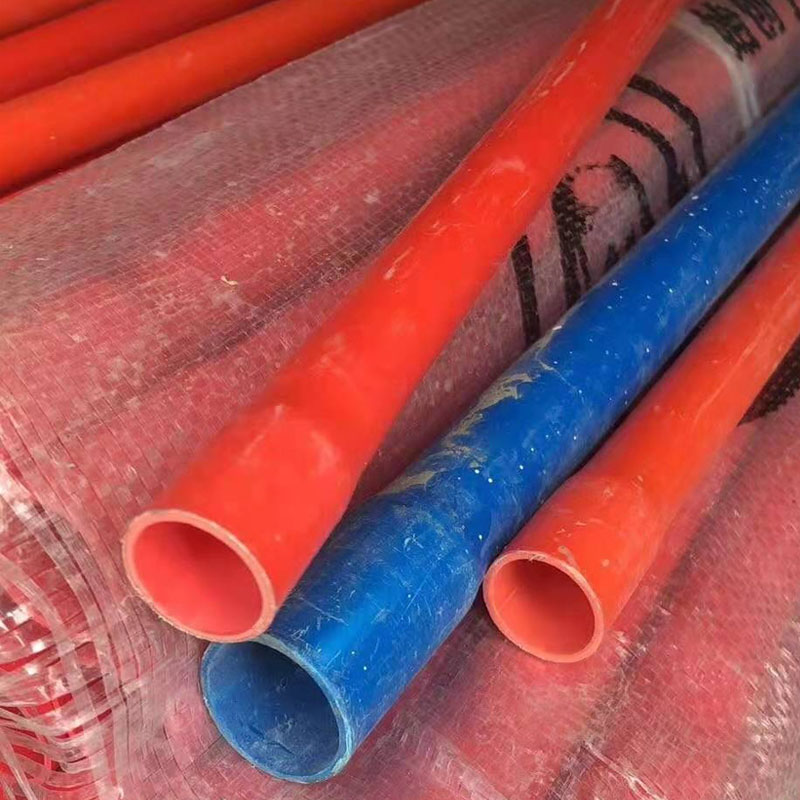
PVC Pipe Class 7 service refers to a specific grade of Polyvinyl Chloride (PVC) piping designed and manufactured to withstand internal hydrostatic pressure equivalent to 700 PSI at 73°F (23°C). This designation is critical in demanding industrial applications, particularly those involving the transport of corrosive fluids, high-pressure systems, and scenarios requiring a robust, chemically inert conduit. Within the broader PVC piping landscape, Class 7 represents a significantly higher pressure-bearing capability compared to Schedule 40 and Schedule 80 PVC, positioning it as a preferred choice for challenging chemical processing, water distribution, and industrial waste management systems. The pipe's performance is fundamentally tied to its material composition, manufacturing precision, and adherence to stringent industry standards. A key pain point in industry centers around ensuring long-term reliability and preventing catastrophic failure in these high-stress environments, necessitating detailed understanding of material properties, installation procedures, and potential degradation mechanisms.
Material Science & Manufacturing
PVC Pipe Class 7 is primarily manufactured from rigid PVC compounds formulated with high molecular weight PVC resin, impact modifiers, and stabilizers. The PVC resin provides the inherent chemical resistance and structural integrity, while impact modifiers, such as Methyl Methacrylate (MMA) copolymers, enhance toughness and prevent brittle failure under stress. Stabilizers, typically based on organotin compounds or calcium-zinc formulations, protect the PVC from thermal degradation during processing and long-term UV exposure. The manufacturing process generally involves extrusion, where the PVC compound is heated and forced through a die to create seamless pipes. Critical process parameters include extrusion temperature (typically 370-410°F), die pressure, puller speed, and cooling rate. Precise control of these parameters is essential to achieve consistent wall thickness, dimensional accuracy, and a smooth internal surface finish. Following extrusion, pipes undergo rigorous quality control checks, including hydrostatic pressure testing, dimensional inspections, and impact resistance assessments. Material selection for gaskets and joining compounds is also critical, often utilizing EPDM or Viton to maintain chemical compatibility and a reliable seal. The glass transition temperature (Tg) of PVC is approximately 80°C, and maintaining operating temperatures well below this point is vital for long-term performance.
Performance & Engineering
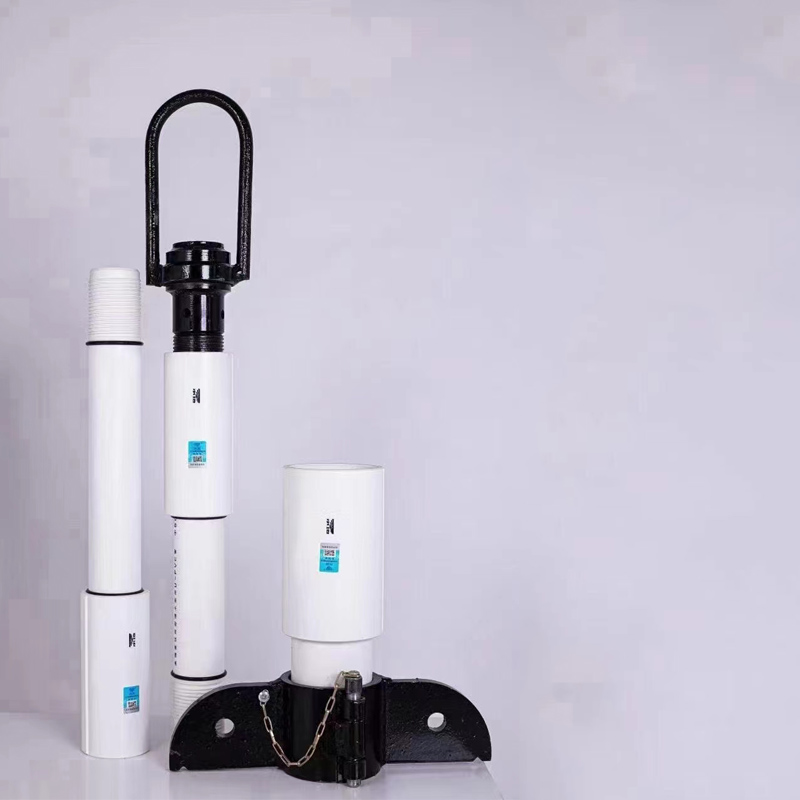
The performance of PVC Pipe Class 7 is primarily dictated by its ability to withstand internal hydrostatic pressure without failure. This is governed by Barlow’s formula: P = (2St)/D, where P is internal pressure, S is the hoop stress (yield strength of PVC), t is the wall thickness, and D is the outside diameter. Class 7 pipes have significantly thicker walls compared to lower classes, allowing for higher allowable stresses and pressure ratings. Engineering considerations extend beyond simple pressure containment. Chemical compatibility is paramount, and PVC’s resistance to a wide range of acids, bases, and salts is a key advantage. However, prolonged exposure to certain solvents (e.g., ketones, aromatic hydrocarbons) can cause swelling and degradation. The coefficient of thermal expansion for PVC is relatively high (approximately 8 x 10^-5 in/in/°F), necessitating the incorporation of expansion loops or flexible joints in long pipeline runs to prevent stress cracking. Fatigue analysis is crucial in applications involving cyclic pressure loading or vibration. Furthermore, proper support and anchoring are essential to distribute loads evenly and prevent bending stresses that could compromise the pipe’s integrity. Environmental resistance is enhanced through UV stabilizers, but prolonged direct sunlight exposure can still lead to surface chalking and reduced mechanical properties. Compliance with relevant codes and standards (discussed in the footer) is non-negotiable.
Technical Specifications
| Parameter | Units | Typical Value | Test Method |
|---|---|---|---|
| Pressure Rating | PSI | 700 | ASTM D1785 |
| Material | - | Rigid PVC (PVC Type I, Grade 1) | ASTM D1785 |
| Density | lb/ft³ | 1.40 | ASTM D792 |
| Tensile Strength | PSI | 6,000 – 8,000 | ASTM D638 |
| Elongation at Break | % | 20-30 | ASTM D638 |
| Flexural Modulus | PSI | 300,000 – 400,000 | ASTM D790 |
Failure Mode & Maintenance
PVC Pipe Class 7, while robust, is susceptible to several failure modes. Stress cracking, induced by sustained tensile stress in the presence of certain chemicals, is a primary concern. This often manifests as small cracks that propagate over time, leading to leakage. Another common failure mode is impact damage, particularly in cold temperatures where the PVC becomes more brittle. External corrosion isn’t a direct threat to PVC itself, but galvanic corrosion can occur if PVC is in contact with dissimilar metals. Long-term exposure to UV radiation causes surface degradation (chalking) and a reduction in mechanical properties, although this is typically a slow process. Internal scaling and buildup of deposits can reduce flow capacity and create localized stresses. Maintenance involves regular visual inspections for cracks, leaks, or signs of degradation. Pressure testing should be performed periodically to verify the integrity of the system. Joints and connections are particularly vulnerable and should be checked for tightness and signs of corrosion. If repairs are necessary, use only compatible PVC cements and fittings, and ensure proper surface preparation. Preventative maintenance includes minimizing exposure to harsh chemicals, providing adequate support to prevent bending stresses, and implementing a corrosion prevention program if dissimilar metals are present.
Industry FAQ
Q: What is the impact of temperature on the pressure rating of PVC Class 7 pipe?
A: The 700 PSI pressure rating is specified at 73°F (23°C). As temperature increases, the strength of PVC decreases, and the allowable pressure rating must be derated. Refer to ASTM D1785 for specific derating factors based on operating temperature. Higher temperatures reduce the yield strength and increase the potential for creep and failure.
Q: Can PVC Class 7 pipe be used for vacuum applications?
A: While PVC has some inherent resistance to negative pressure, it is generally not recommended for sustained vacuum applications, especially at elevated temperatures. The pipe can collapse under vacuum, particularly if the wall thickness is insufficient. Reinforced PVC or alternative materials are preferred for vacuum service.
Q: What are the best practices for solvent cementing PVC Class 7 pipe?
A: Proper solvent cementing is critical for a leak-free joint. Surfaces must be clean, dry, and free of contaminants. Use a primer to soften the PVC and create a chemical bond. Apply cement evenly and quickly, ensuring complete coverage. Avoid excessive cement, which can weaken the joint. Allow adequate curing time before pressurizing the system.
Q: How does PVC Class 7 compare to stainless steel in terms of corrosion resistance?
A: PVC Class 7 offers excellent resistance to a broad range of corrosive chemicals, often exceeding that of common stainless steel grades (e.g., 304, 316) in specific environments. However, stainless steel generally exhibits superior resistance to strong oxidizing acids and certain organic solvents. The choice depends on the specific chemicals involved.
Q: What is the expected service life of a properly installed PVC Class 7 piping system?
A: A properly installed and maintained PVC Class 7 piping system can have a service life of 50 years or more. However, the actual lifespan depends on factors such as operating temperature, chemical exposure, UV radiation, and mechanical stresses. Regular inspections and preventative maintenance are essential to maximize service life.
Conclusion
PVC Pipe Class 7 represents a highly engineered solution for demanding fluid handling applications. Its robust construction, chemical inertness, and high-pressure capabilities make it a suitable alternative to metallic piping in numerous industrial settings. However, successful implementation requires a comprehensive understanding of material properties, manufacturing processes, and potential failure modes. Proper design, installation, and maintenance are crucial to ensure long-term reliability and prevent catastrophic failures.
Looking ahead, advancements in PVC formulations, such as the development of more impact-resistant and UV-stable compounds, will further enhance the performance and longevity of PVC Class 7 piping systems. Continued adherence to rigorous quality control standards and industry best practices is essential to maintain the integrity and safety of these critical infrastructure components.
-
DN25 HDPE Compression Fitting-HORON INTERNATIONAL|Reliable Irrigation Solutions
NewsFeb.11,2026
-
china corrugated hdpe pipe fittings Performance Analysis
News2026-05-22
-
china ppr pipe for hot water Performance Analysis
News2026-05-22
-
china ppr Technical Performance Analysis
News2026-05-22
-
china corrugated dual wall pipe Performance Analysis
News2026-05-22
-
china sink inlet pipe Material Performance Analysis
News2026-05-22
-
china 1 2 inch pvc Performance Analysis
News2026-05-21
-
china hdpe pipe joint coupler Performance Analysis
News2026-05-21
-
china ppr pipes and fittings price list Technical Analysis
News2026-05-21
-
china 9 inch pvc pipe price Performance Analysis
News2026-05-21
-
china 2 inch borewell column pipe price Performance Engineering
News2026-05-21
-
china hdpe pipe suppliers Performance Analysis
News2026-05-20
-
china submersible pump column pipe Performance Engineering
News2026-05-20
-
china 8 hdpe corrugated pipe Manufacturing Analysis
News2026-05-20
-
china dual wall hdpe pipe Performance Analysis
News2026-05-20
-
china water lines under sink Performance Analysis
News2026-05-20