

Feb . 11, 2026 00:01 Back to list
pvc pipe class 7 products Performance Analysis
Introduction
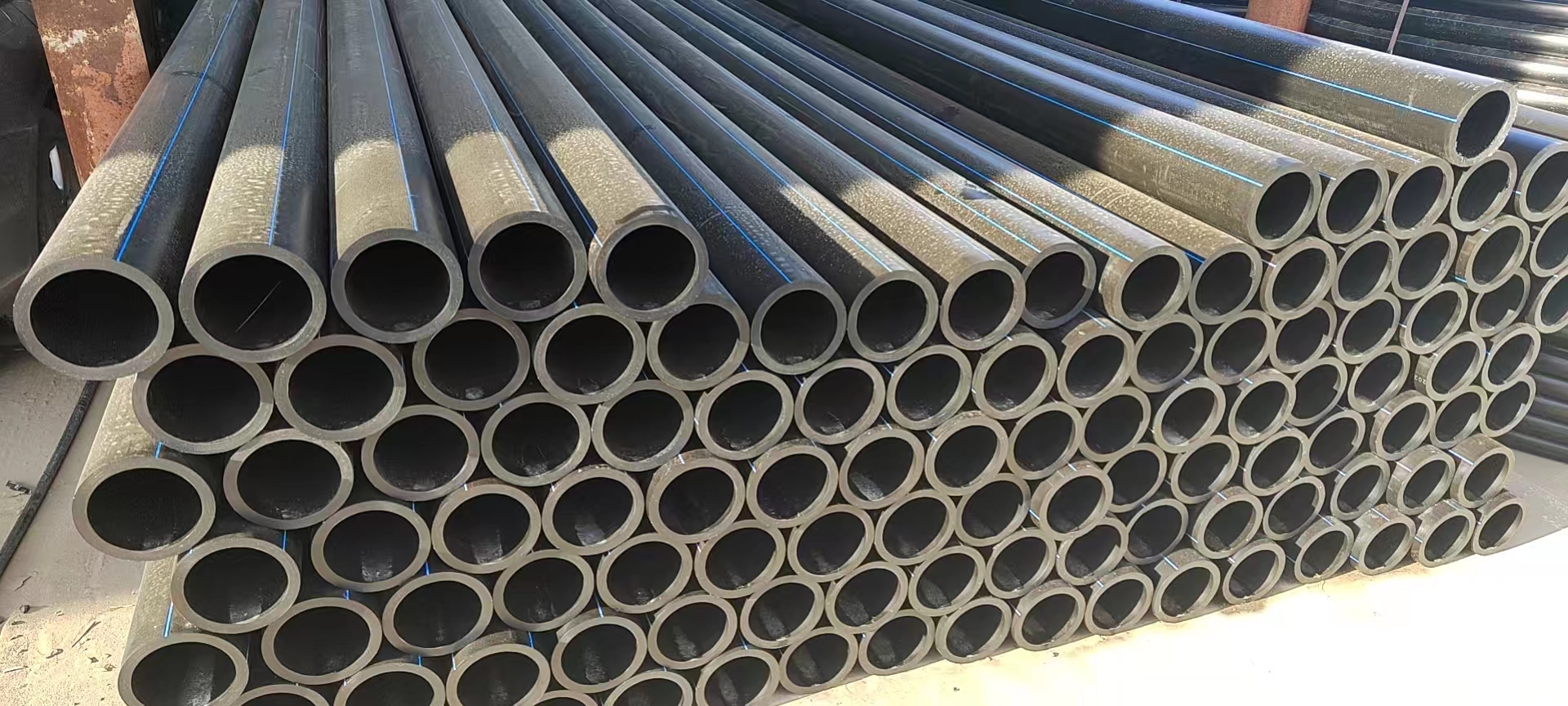
PVC Pipe Class 7 represents a critical component in fluid conveyance systems across diverse industries, including potable water distribution, irrigation, and industrial processing. Designated by its Schedule 40 classification, this thermoplastic piping exhibits a standardized wall thickness providing specific pressure-bearing capabilities. It's positioned within the PVC piping family as a robust solution suitable for applications demanding increased strength and durability compared to lower-rated schedules. Its core performance characteristics – chemical resistance, low friction loss, and cost-effectiveness – make it a favored material over metallic alternatives in many scenarios. Understanding its material properties, manufacturing processes, and performance limitations is paramount for engineers and procurement professionals seeking reliable and long-lasting piping infrastructure. The inherent properties of PVC, coupled with the standardized dimensions of Class 7, facilitate ease of installation and integration within complex systems. A key consideration is its temperature sensitivity, influencing its applicability in specific process environments.
Material Science & Manufacturing
PVC (Polyvinyl Chloride) pipe Class 7 is fundamentally composed of PVC resin, plasticizers (typically phthalates or alternatives), stabilizers (often lead-based in older formulations, now increasingly calcium-zinc or organotin), lubricants, and pigments. The PVC resin provides the structural backbone, offering inherent rigidity and chemical inertness. Plasticizers are added to enhance flexibility and impact resistance, though their concentration directly impacts temperature performance. Stabilizers protect the PVC from degradation due to UV exposure and thermal processing. Lubricants facilitate processing during extrusion. Manufacturing primarily utilizes extrusion techniques. PVC compound is fed into a heated extruder, where it melts and is forced through a die, creating a seamless pipe. Critical parameters include die temperature (180-210°C), extrusion speed (dictating wall thickness and diameter), and cooling rate (influencing crystallinity and dimensional stability). Post-extrusion, pipes are typically marked with schedule number, size, pressure rating, and manufacturing standards. Quality control involves hydrostatic pressure testing to verify burst strength and dimensional checks to ensure adherence to ASTM D1785 specifications. The molecular weight distribution of the PVC resin significantly influences the pipe's long-term creep resistance and overall durability. Furthermore, the type of plasticizer used affects the low-temperature brittleness and chemical resistance of the final product. The degree of crystallinity, controlled during cooling, is another factor impacting mechanical properties.
Performance & Engineering
The performance of PVC pipe Class 7 is dictated by its pressure-bearing capacity, tensile strength, impact resistance, and chemical compatibility. Pressure rating is determined by the formula P = (2Sσ)/D, where P is the allowable pressure, S is the safety factor, σ is the hoop stress, and D is the pipe diameter and wall thickness. Schedule 40 pipes, including Class 7, exhibit a defined wall thickness relative to nominal pipe size, providing a specific level of pressure containment. Force analysis under internal pressure considers hoop stress, longitudinal stress, and radial stress. Environmental resistance is crucial; PVC exhibits excellent resistance to acids, bases, and salts, but is susceptible to degradation by prolonged exposure to chlorinated solvents, aromatic hydrocarbons, and ketones. Compliance requirements include NSF/ANSI 61 for potable water systems, ensuring the pipe does not leach harmful contaminants. ASTM D2412 dictates testing for impact resistance (IZOD notched impact strength). Long-term performance is affected by creep, the gradual deformation under sustained stress. Soil loading and external pressure also require engineering consideration, particularly for buried applications. Proper bedding and backfill are essential to prevent pipe deformation or failure. The coefficient of linear thermal expansion for PVC is relatively high (approximately 8 x 10⁻⁵ /°C), necessitating expansion joints in long runs to accommodate temperature variations and prevent stress buildup.
Technical Specifications
| Parameter | Unit | Value (Typical) | Test Standard |
|---|---|---|---|
| Nominal Pipe Size | inches | 1/2 - 12 | ASTM D1785 |
| Schedule | - | 40 | ASTM D1785 |
| Pressure Rating | psi | Varies with size (e.g., 400 psi for 2" diameter) | ASTM D1785 |
| Wall Thickness | inches | Varies with size (e.g., 0.133" for 2" diameter) | ASTM D1785 |
| Tensile Strength | psi | 6,000 - 8,000 | ASTM D638 |
| Izod Notched Impact Strength | ft-lb/in | > 10 | ASTM D256 |
Failure Mode & Maintenance
PVC Pipe Class 7 is susceptible to several failure modes. Brittleness at low temperatures can lead to cracking, particularly during installation or in cold climates. Long-term exposure to UV radiation causes embrittlement and discoloration, reducing impact resistance. Hydrostatic stress and creep can lead to slow crack propagation (SCP), particularly in areas of high stress concentration (e.g., around fittings). Chemical attack by incompatible substances can cause swelling, softening, or cracking. Soil corrosion, specifically galvanic corrosion if in contact with dissimilar metals, can degrade the pipe over time. Failure analysis often involves microscopic examination of fracture surfaces to identify the root cause. Maintenance primarily involves visual inspection for cracks, discoloration, or deformation. Pressure testing can detect leaks. Preventive measures include proper bedding and backfill, UV protection (coating or burying), and avoidance of incompatible chemicals. Repairing minor cracks can be achieved with PVC cement and appropriate fittings, but significant damage often necessitates pipe replacement. Regularly inspecting joints and fittings is crucial, as these are common points of failure. Periodic testing of water quality is also recommended to ensure no leaching is occurring from the pipe material.
Industry FAQ
Q: What is the impact of temperature on the pressure rating of PVC Class 7 pipe?
A: The pressure rating of PVC pipe decreases with increasing temperature. PVC loses strength and stiffness as temperature rises, leading to a reduced burst pressure. Derating factors, as specified in ASTM D1785, must be applied to the pressure rating for elevated temperatures. For example, the pressure rating may be reduced by 50% at 73°C (160°F). Therefore, temperature limitations must be carefully considered during system design.
Q: How does the choice of plasticizer affect the long-term performance of PVC pipe?
A: The type of plasticizer significantly impacts long-term performance. Phthalate plasticizers, while cost-effective, can migrate over time, leading to embrittlement and reduced flexibility. Alternative plasticizers, such as those based on citric acid esters or vegetable oils, offer improved durability and reduced migration, but may be more expensive. The compatibility of the plasticizer with the PVC resin is also crucial.
Q: What are the key considerations for joining PVC Class 7 pipe, and what are the potential failure modes associated with those methods?
A: PVC pipe is typically joined using solvent cementing, threaded connections, or gasketed joints. Solvent cementing requires proper surface preparation, application of primer and cement, and adequate curing time. Failure modes include incomplete fusion, solvent weld cracking (due to excessive stress or improper solvent), and joint separation. Threaded connections require PTFE tape or sealant to ensure a watertight seal. Failure modes include thread stripping and leakage. Gasketed joints rely on the compression of a rubber gasket to create a seal. Failure modes include gasket failure, improper installation, and bolt loosening.
Q: Can PVC Class 7 pipe be used for transporting corrosive chemicals, and if so, what limitations apply?
A: PVC exhibits good resistance to many corrosive chemicals, but it is not universally compatible. It is resistant to acids, bases, and salts, but susceptible to degradation by chlorinated solvents, aromatic hydrocarbons, and ketones. Chemical resistance charts should be consulted to verify compatibility before use. Temperature also plays a critical role; chemical attack is often accelerated at elevated temperatures. The concentration of the chemical also influences its corrosivity.
Q: What are the implications of soil conditions on the long-term performance of buried PVC Class 7 pipe?
A: Soil conditions significantly impact long-term performance. Corrosive soils can accelerate degradation, particularly if the pipe is in contact with dissimilar metals. Poorly compacted backfill can lead to uneven loading and pipe deformation. Rocks or debris in the backfill can cause localized stress concentrations and cracking. Proper bedding and backfill procedures, including the use of granular materials and adequate compaction, are essential to ensure long-term stability and prevent failure. Furthermore, the presence of stray electrical currents can induce galvanic corrosion.
Conclusion
PVC Pipe Class 7 remains a widely utilized material for fluid conveyance due to its balance of cost-effectiveness, chemical resistance, and ease of installation. Its performance is directly correlated to meticulous attention to material selection, manufacturing parameter control, and adherence to industry standards such as ASTM D1785 and NSF/ANSI 61. A thorough understanding of potential failure modes – including brittle fracture, chemical attack, and creep – is crucial for designing robust and reliable piping systems.
Looking forward, advancements in PVC formulations, particularly the development of more durable and environmentally friendly plasticizers, will continue to enhance the longevity and sustainability of PVC piping infrastructure. Continued research into SCP mechanisms and improved non-destructive testing methods will further improve the reliability of these systems. Proper installation practices and regular maintenance, guided by a comprehensive understanding of PVC’s material properties, are paramount to maximizing service life and minimizing long-term costs.
-
DN25 HDPE Compression Fitting-HORON INTERNATIONAL|Reliable Irrigation Solutions
NewsFeb.11,2026
-
china corrugated hdpe pipe fittings Performance Analysis
News2026-05-22
-
china ppr pipe for hot water Performance Analysis
News2026-05-22
-
china ppr Technical Performance Analysis
News2026-05-22
-
china corrugated dual wall pipe Performance Analysis
News2026-05-22
-
china sink inlet pipe Material Performance Analysis
News2026-05-22
-
china 1 2 inch pvc Performance Analysis
News2026-05-21
-
china hdpe pipe joint coupler Performance Analysis
News2026-05-21
-
china ppr pipes and fittings price list Technical Analysis
News2026-05-21
-
china 9 inch pvc pipe price Performance Analysis
News2026-05-21
-
china 2 inch borewell column pipe price Performance Engineering
News2026-05-21
-
china hdpe pipe suppliers Performance Analysis
News2026-05-20
-
china submersible pump column pipe Performance Engineering
News2026-05-20
-
china 8 hdpe corrugated pipe Manufacturing Analysis
News2026-05-20
-
china dual wall hdpe pipe Performance Analysis
News2026-05-20
-
china water lines under sink Performance Analysis
News2026-05-20