

Feb . 11, 2026 00:01 Back to list
pvc pipe class 7 product Performance Analysis
Introduction
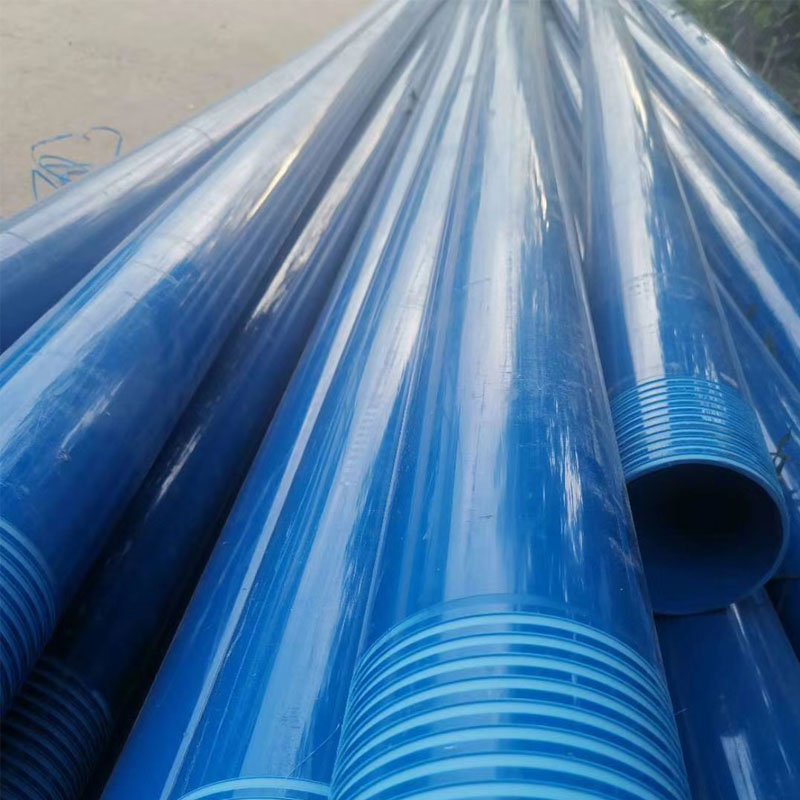
PVC Pipe Class 7 designates a schedule 40 polyvinyl chloride (PVC) pipe designed for high-pressure applications. Positioned within the broader PVC piping system landscape, which includes schedules 40, 80, and 120, Class 7 represents a critical segment for industrial processes, water distribution, and chemical transfer where robust pressure containment is paramount. Its technical importance stems from its ability to handle higher working pressures compared to lower schedules, making it suitable for demanding environments. Core performance characteristics include high tensile strength, chemical resistance, and dimensional stability, achieved through carefully controlled polymerization and extrusion processes. This guide provides an in-depth analysis of its material science, manufacturing, performance, potential failure modes, and relevant industry standards.
Material Science & Manufacturing
The fundamental raw material for PVC Pipe Class 7 is Polyvinyl Chloride (PVC) resin, typically produced through the suspension polymerization of vinyl chloride monomer (VCM). The resin’s properties are significantly influenced by its molecular weight distribution and the type of additives incorporated. Key additives include plasticizers (typically phthalates or alternative non-phthalate plasticizers to impart flexibility), stabilizers (commonly organotin compounds or calcium-zinc stabilizers to prevent thermal degradation during processing), lubricants (to facilitate extrusion), and impact modifiers (to enhance toughness). The selection of these additives is critical, dictating the pipe’s long-term performance, particularly its resistance to UV degradation and embrittlement.
Manufacturing involves several key stages. First, the PVC resin and additives are thoroughly blended. This homogeneous mixture is then fed into a twin-screw extruder. Within the extruder, the material is heated, melted, and homogenized under precisely controlled temperature profiles, typically ranging from 180°C to 220°C. The molten PVC is then forced through a die that shapes it into a seamless pipe. Critical parameters during extrusion include die temperature, screw speed, and haul-off speed, all influencing the pipe’s wall thickness, diameter, and concentricity. Post-extrusion, the pipe undergoes cooling in a water bath to solidify its shape. Subsequent steps include cutting to desired lengths, hydrostatic testing to verify pressure rating, marking with relevant specifications (schedule, size, pressure rating, material designation), and quality inspection. The Schedule 40 designation for Class 7 piping dictates a specific wall thickness relative to the nominal pipe size, ensuring consistent internal diameter and pressure-bearing capacity. Proper cooling is essential to minimize residual stress within the polymer matrix.
Performance & Engineering
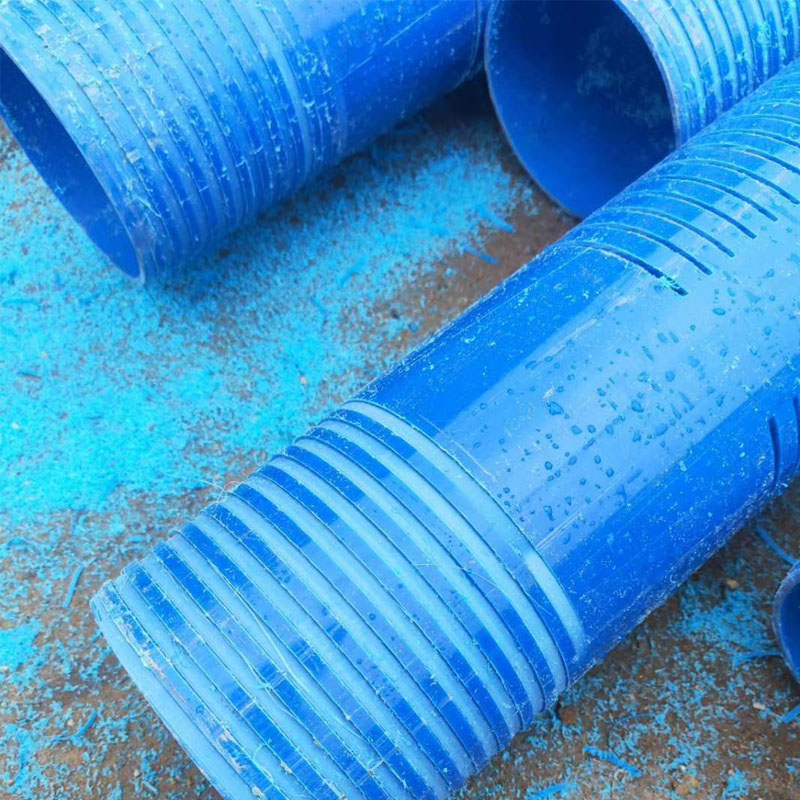
The performance of PVC Pipe Class 7 is primarily governed by its ability to withstand internal hydrostatic pressure. This is determined through rigorous testing according to ASTM D1785 and other relevant standards. The pressure rating, typically ranging from 200 PSI to 350 PSI depending on the temperature and pipe size, is calculated based on the Barlow’s formula, which considers the pipe’s internal diameter, wall thickness, and the tensile strength of the PVC material. Force analysis considers hoop stress, longitudinal stress, and bending moments, particularly at joints and connections. Careful consideration of these stresses is vital in system design to prevent failure.
Environmental resistance is another key performance factor. PVC exhibits good resistance to many chemicals, including acids, bases, and salts, but is susceptible to degradation by certain solvents and hydrocarbons. Prolonged exposure to UV radiation can also cause embrittlement and discoloration. Therefore, UV stabilization additives are critical, and in outdoor applications, pipe should be shielded from direct sunlight or coated with UV-resistant coatings. Compliance requirements are dictated by various regulations governing potable water systems, industrial processes, and wastewater treatment. These regulations, such as NSF/ANSI 61 for potable water applications, mandate stringent testing for the leaching of harmful substances and adherence to specific material formulations. Engineering considerations also include thermal expansion and contraction; PVC has a relatively high coefficient of thermal expansion, necessitating expansion joints or flexible connections in long pipelines to prevent stress buildup due to temperature fluctuations. The selection of appropriate joining methods, such as solvent cementing, threaded connections, or flanged joints, is also crucial for maintaining the integrity of the piping system.
Technical Specifications
| Parameter | Unit | Specification (Typical) | Test Standard |
|---|---|---|---|
| Nominal Pipe Size | inches | 1/2" to 12" | ASTM D1785 |
| Schedule | - | 40 | ASTM D1785 |
| Pressure Rating | PSI | 200-350 (varies with size & temp) | ASTM D1785 |
| Material | - | PVC (Polyvinyl Chloride) | ASTM D1785 |
| Tensile Strength | PSI | 6,000 - 8,000 | ASTM D638 |
| Impact Strength (Izod Notched) | ft-lb/in | 8-12 | ASTM D256 |
| Water Absorption (24 hrs) | % | <0.1 | ASTM D570 |
Failure Mode & Maintenance
PVC Pipe Class 7 is susceptible to several failure modes. Fatigue cracking can occur under cyclical pressure loading, particularly at stress concentrators such as joints or threaded connections. Environmental stress cracking (ESC) can result from prolonged exposure to certain chemicals, leading to brittle failure. UV degradation causes embrittlement and loss of impact strength, especially in outdoor applications. Thermal deformation can occur at elevated temperatures, leading to dimensional changes and potential leaks. Hydrostatic failure results from exceeding the pressure rating, causing catastrophic rupture. Soil loading in buried applications can lead to deformation or cracking if adequate bedding and backfill support are not provided.
Preventative maintenance is crucial for ensuring long-term reliability. Regular visual inspections should be conducted to identify signs of cracking, discoloration, or deformation. Pressure testing should be performed periodically to verify the integrity of the system. Proper jointing techniques, using approved solvent cements or mechanical fittings, are essential to prevent leaks. Protection from UV exposure, through shielding or coatings, is vital for outdoor installations. Avoiding exposure to incompatible chemicals and maintaining operating temperatures within the specified range can minimize the risk of ESC and thermal deformation. For buried pipelines, ensure adequate bedding and backfill compaction to prevent soil loading issues. In the event of a detected crack or leak, the affected section of pipe should be promptly replaced. Periodic cleaning to remove debris and scaling can also improve flow efficiency and prevent corrosion.
Industry FAQ
Q: What is the impact of temperature on the pressure rating of PVC Class 7 pipe?
A: The pressure rating of PVC Class 7 pipe decreases with increasing temperature. PVC loses strength and stiffness at elevated temperatures. De-rating factors are typically provided by manufacturers and are based on ASTM D1785. These factors specify a reduction in the maximum allowable working pressure for each degree Celsius above a reference temperature, usually 23°C (73°F). Ignoring these de-rating factors can lead to premature failure.
Q: Can PVC Class 7 pipe be used for compressed air lines?
A: While technically feasible, it is generally not recommended to use PVC Class 7 for sustained compressed air applications. PVC is susceptible to brittle fracture when subjected to rapid pressure fluctuations and impact loads often associated with compressed air systems. Furthermore, the static charge buildup within PVC can create a fire hazard in environments with flammable vapors. Approved materials like polyethylene or metal piping are preferred for compressed air lines.
Q: What is the best method for joining PVC Class 7 pipe for potable water systems?
A: Solvent cementing, utilizing a primer and PVC cement specifically formulated for potable water applications (meeting NSF/ANSI 61 standards), is the most common and reliable method for joining PVC Class 7 pipe in potable water systems. Proper surface preparation, application of primer, and sufficient curing time are essential for creating a watertight and durable joint. Threaded connections and flanged joints are also acceptable but require careful installation and the use of compatible sealants.
Q: How does the long-term exposure to chlorine affect PVC Class 7 pipe?
A: Long-term exposure to high concentrations of chlorine, commonly found in water disinfection processes, can cause degradation of PVC. Chlorine can react with the polymer matrix, leading to embrittlement and cracking. Using PVC compounds formulated with chlorine-resistant stabilizers (e.g., calcium-zinc stabilizers) can mitigate this issue. Monitoring chlorine levels and implementing corrosion inhibitors can also extend the service life of the pipe.
Q: What is the recommended bedding material for burying PVC Class 7 pipe?
A: The recommended bedding material for burying PVC Class 7 pipe is a granular material, such as sand or gravel, that is free of sharp objects and rocks. A minimum bedding depth of 12 inches is typically recommended to provide adequate support and protection. The bedding material should be compacted in layers to prevent settling and ensure uniform support along the entire length of the pipe. Avoid using clay or organic materials as bedding, as they can retain moisture and promote corrosion.
Conclusion
PVC Pipe Class 7 represents a robust and cost-effective solution for high-pressure fluid transfer in a diverse range of applications. Its performance characteristics, defined by its material composition, manufacturing processes, and adherence to industry standards, render it a viable choice for demanding environments. However, understanding potential failure modes, such as environmental stress cracking and UV degradation, is critical for ensuring long-term reliability. Proper installation, maintenance, and adherence to de-rating factors are essential for maximizing its service life.
Future trends in PVC pipe technology focus on developing more sustainable formulations using bio-based plasticizers and recycled PVC materials. Advancements in stabilizer technology are aimed at enhancing resistance to chlorine and UV degradation. Continued research and development will further refine the performance and longevity of PVC Class 7 pipe, solidifying its position as a preferred material in piping systems globally.
-
DN25 HDPE Compression Fitting-HORON INTERNATIONAL|Reliable Irrigation Solutions
NewsFeb.11,2026
-
china corrugated hdpe pipe fittings Performance Analysis
News2026-05-22
-
china ppr pipe for hot water Performance Analysis
News2026-05-22
-
china ppr Technical Performance Analysis
News2026-05-22
-
china corrugated dual wall pipe Performance Analysis
News2026-05-22
-
china sink inlet pipe Material Performance Analysis
News2026-05-22
-
china 1 2 inch pvc Performance Analysis
News2026-05-21
-
china hdpe pipe joint coupler Performance Analysis
News2026-05-21
-
china ppr pipes and fittings price list Technical Analysis
News2026-05-21
-
china 9 inch pvc pipe price Performance Analysis
News2026-05-21
-
china 2 inch borewell column pipe price Performance Engineering
News2026-05-21
-
china hdpe pipe suppliers Performance Analysis
News2026-05-20
-
china submersible pump column pipe Performance Engineering
News2026-05-20
-
china 8 hdpe corrugated pipe Manufacturing Analysis
News2026-05-20
-
china dual wall hdpe pipe Performance Analysis
News2026-05-20
-
china water lines under sink Performance Analysis
News2026-05-20