

Feb . 11, 2026 00:01 Back to list
pvc pipe class 7 manufacturers Performance Analysis
Introduction
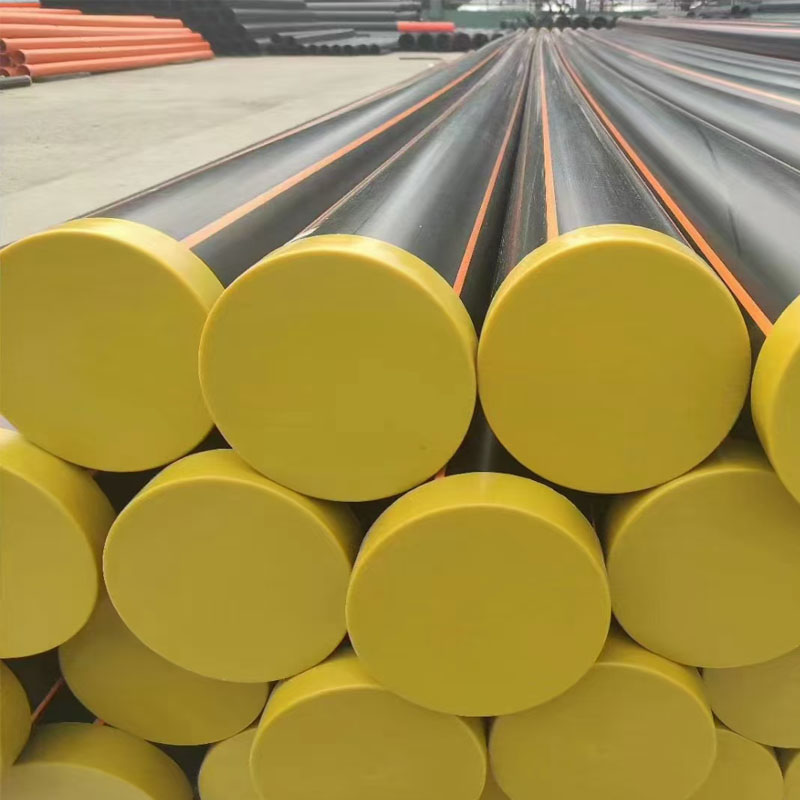
PVC Pipe Class 7 represents a critical component within the broader polyvinyl chloride (PVC) piping systems utilized in a wide array of industrial, agricultural, and infrastructure applications. Characterized by its elevated pressure rating, this classification denotes pipes specifically engineered to withstand sustained internal pressures exceeding those of lower classes. In the industry chain, Class 7 pipes typically follow resin production, compounding, extrusion, and quality control. Core performance characteristics include robust tensile strength, high impact resistance, and long-term durability, making them suitable for demanding applications such as potable water distribution, industrial fluid transfer, and irrigation systems requiring high operating pressures. The increasing demand for reliable and long-lasting piping solutions drives the market for Class 7 PVC, making understanding its material science and engineering crucial for effective implementation and maintenance.
Material Science & Manufacturing
The primary raw material for PVC Pipe Class 7 is Polyvinyl Chloride resin, typically Suspension PVC (S-PVC) due to its superior particle size distribution and morphology. Additives are crucial for enhancing performance; these include heat stabilizers (often metal-based, like calcium-zinc or organotin compounds) to prevent thermal degradation during processing, impact modifiers (such as chlorinated polyethylene or acrylic polymers) to improve toughness, lubricants (e.g., stearates) to facilitate extrusion, and processing aids to enhance melt flow. The manufacturing process begins with the dry blending of the resin and additives, followed by hot mixing in a high-intensity mixer to ensure homogeneity. Extrusion is the core shaping process, utilizing a single or twin-screw extruder. Critical parameters include barrel temperature profiles (typically 180-220°C), screw speed (optimized for melt viscosity and output), and die design to achieve precise dimensions and wall thickness. Cooling is achieved through water tanks, followed by dimensional stabilization and cutting to length. Quality control involves rigorous testing of hydrostatic pressure, impact resistance, and material composition according to established standards. The selection of appropriate stabilizers and processing temperatures is paramount to avoid the formation of hydrogen chloride (HCl) and ensure long-term pipe integrity.
Performance & Engineering
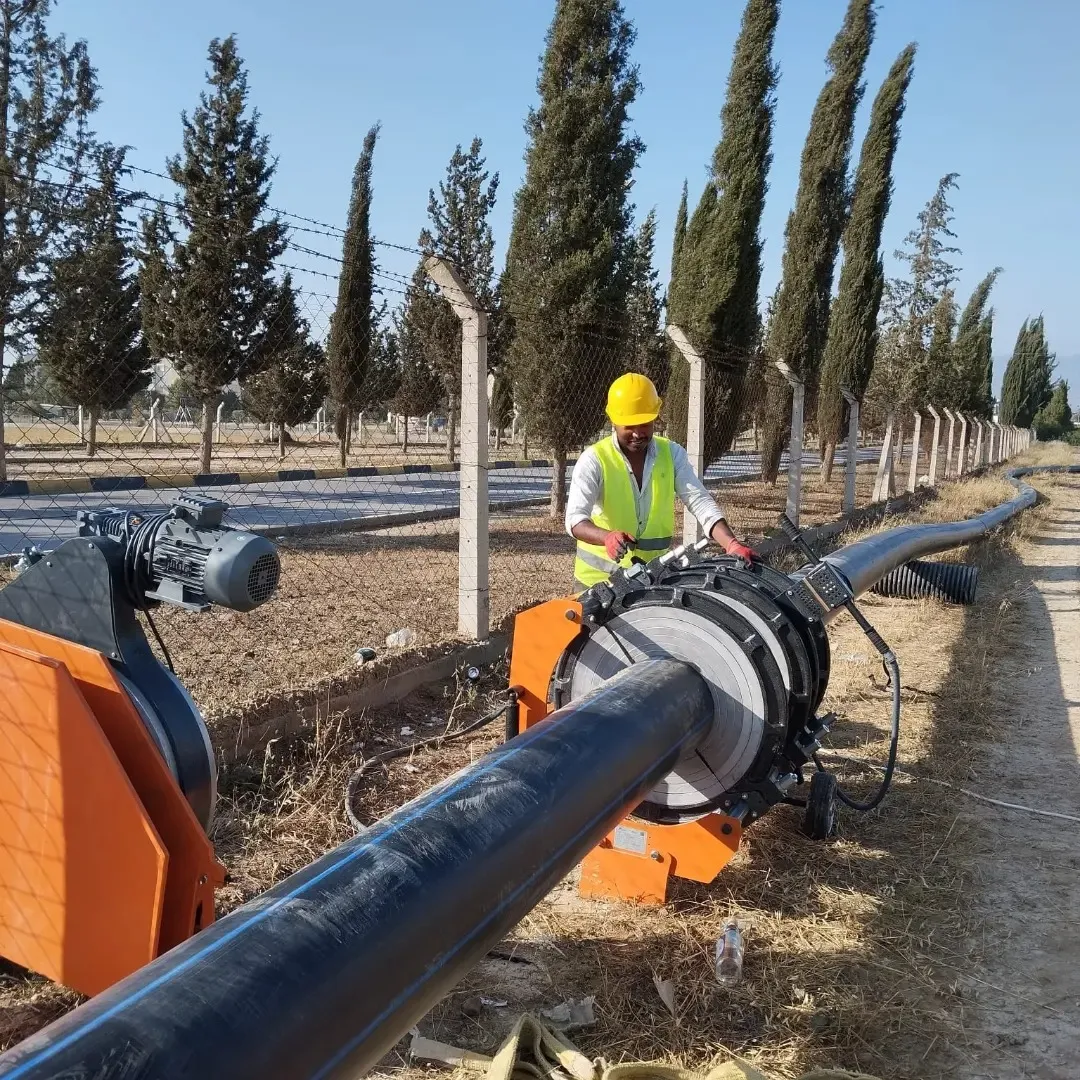
Performance of PVC Pipe Class 7 is governed by several key engineering principles. Hydrostatic design stress (HDS) is a critical factor, calculated based on the pipe’s dimensions, material properties, and desired safety factor. This determines the maximum allowable internal pressure. Force analysis considers hoop stress (circumferential stress caused by internal pressure) and longitudinal stress (stress along the pipe’s axis). Environmental resistance is vital; PVC is susceptible to UV degradation, necessitating the incorporation of UV stabilizers in the formulation, especially for outdoor applications. Chemical resistance is also crucial, particularly when conveying corrosive fluids. PVC exhibits good resistance to acids and bases, but prolonged exposure to certain solvents can cause swelling and weakening. Compliance requirements are stringent and vary by region, generally adhering to standards like ASTM D1785 and ISO 4427. These standards dictate minimum pressure ratings, material properties, and testing procedures. Furthermore, pipe installation must adhere to established engineering practices, including proper bedding, joining techniques (solvent welding or mechanical couplings), and support spacing to prevent excessive stress and ensure long-term integrity. Consideration of thermal expansion and contraction is also necessary, particularly in large diameter pipes and varying temperature environments.
Technical Specifications
| Parameter | Unit | Class 7 Specification | Testing Standard |
|---|---|---|---|
| Nominal Pipe Size | inches | 4 – 12 | ASTM D1785 |
| Pressure Rating | psi | Up to 400 | ASTM D1785 |
| Hydrostatic Design Stress (HDS) | psi | 4000 | ASTM D1785 |
| Tensile Strength | psi | > 6000 | ASTM D638 |
| Impact Resistance (Izod Notched) | ft-lb/in | > 10 | ASTM D256 |
| Water Absorption (24 hours) | % | < 0.5 | ASTM D570 |
Failure Mode & Maintenance
PVC Pipe Class 7, while durable, is susceptible to several failure modes. Long-term hydrostatic pressure can lead to slow crack growth, particularly in areas of stress concentration or material defects. Fatigue cracking can occur under cyclic pressure loading, especially in applications with frequent pressure fluctuations. Environmental stress cracking (ESC) results from the combined effects of stress and exposure to certain chemicals, accelerating crack initiation and propagation. UV degradation causes surface embrittlement and loss of impact resistance. Joint failures are common, often stemming from improper solvent welding techniques (insufficient solvent, inadequate curing time) or mechanical coupling issues (loose fittings, improper gasket seating). Maintenance includes periodic visual inspections for cracks, leaks, and surface degradation. Pressure testing should be conducted to verify system integrity. Proper joint repair techniques, utilizing compatible materials and procedures, are essential. For UV-exposed pipes, protective coatings can extend service life. In cases of significant damage or ESC, pipe replacement is often the most reliable solution. Regular monitoring of operating pressure and fluid chemistry can help prevent premature failures.
Industry FAQ
Q: What is the primary difference between Schedule 40 and Class 7 PVC pipe?
A: Schedule 40 refers to the nominal pipe wall thickness, while Class 7 designates a pressure rating. Class 7 PVC pipe generally has a thicker wall than Schedule 40, allowing it to withstand significantly higher internal pressures. While Schedule 40 is suitable for lower-pressure applications like irrigation, Class 7 is essential for high-demand systems such as municipal water distribution and industrial fluid transfer.
Q: How does temperature affect the performance of Class 7 PVC?
A: Elevated temperatures reduce the tensile strength and impact resistance of PVC. Prolonged exposure to high temperatures can also accelerate thermal degradation. Therefore, it is critical to consider the operating temperature range and select appropriate formulations with heat stabilizers for applications involving elevated temperatures. Conversely, low temperatures can increase brittleness.
Q: What solvent cement should be used for joining Class 7 PVC pipe?
A: Always use a solvent cement specifically formulated for PVC and compatible with the pipe material. For Class 7 PVC, a medium-bodied solvent cement designed for Schedule 80 or higher pressure applications is typically recommended. Ensure the cement is applied correctly, following the manufacturer’s instructions regarding surface preparation, application thickness, and curing time.
Q: What are the common causes of leaks in Class 7 PVC pipe joints?
A: Common causes include improper solvent welding (insufficient cement, improper application, inadequate curing time), damaged pipe ends, incorrect gasket installation in mechanical joints, and overtightening or loosening of mechanical couplings. Thorough surface preparation and adherence to recommended joining procedures are vital for preventing leaks.
Q: How can I determine if my Class 7 PVC pipe is experiencing environmental stress cracking?
A: ESC often manifests as fine cracks appearing perpendicular to the direction of stress. These cracks may be accompanied by a chalky or discolored appearance on the pipe surface. ESC is often accelerated by exposure to specific chemicals, so identifying the fluid being conveyed is important. Visual inspection combined with knowledge of the operating environment can help diagnose ESC.
Conclusion
PVC Pipe Class 7 represents a robust and reliable solution for high-pressure fluid conveyance, predicated on a complex interplay of material science, manufacturing precision, and engineering principles. Its superior performance, stemming from optimized resin formulations, controlled extrusion processes, and adherence to stringent industry standards, makes it indispensable across numerous sectors. The careful selection of additives to enhance UV resistance, impact strength, and chemical compatibility, coupled with rigorous quality control, ensures long-term durability and operational safety.
Looking ahead, advancements in PVC formulations, including the development of bio-based alternatives and enhanced stabilizer systems, will further improve the sustainability and performance of Class 7 PVC pipe. Continued adherence to evolving regulatory standards and a proactive approach to maintenance and inspection will be critical for maximizing its service life and mitigating potential failure modes. The increasing demand for resilient and cost-effective piping infrastructure positions Class 7 PVC as a pivotal material in the future of fluid transport systems.
-
DN25 HDPE Compression Fitting-HORON INTERNATIONAL|Reliable Irrigation Solutions
NewsFeb.11,2026
-
china corrugated hdpe pipe fittings Performance Analysis
News2026-05-22
-
china ppr pipe for hot water Performance Analysis
News2026-05-22
-
china ppr Technical Performance Analysis
News2026-05-22
-
china corrugated dual wall pipe Performance Analysis
News2026-05-22
-
china sink inlet pipe Material Performance Analysis
News2026-05-22
-
china 1 2 inch pvc Performance Analysis
News2026-05-21
-
china hdpe pipe joint coupler Performance Analysis
News2026-05-21
-
china ppr pipes and fittings price list Technical Analysis
News2026-05-21
-
china 9 inch pvc pipe price Performance Analysis
News2026-05-21
-
china 2 inch borewell column pipe price Performance Engineering
News2026-05-21
-
china hdpe pipe suppliers Performance Analysis
News2026-05-20
-
china submersible pump column pipe Performance Engineering
News2026-05-20
-
china 8 hdpe corrugated pipe Manufacturing Analysis
News2026-05-20
-
china dual wall hdpe pipe Performance Analysis
News2026-05-20
-
china water lines under sink Performance Analysis
News2026-05-20