

Feb . 11, 2026 00:01 Back to list
ppr pipe 20mm price products Performance Analysis
Introduction
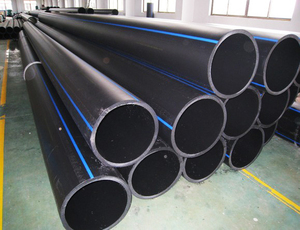
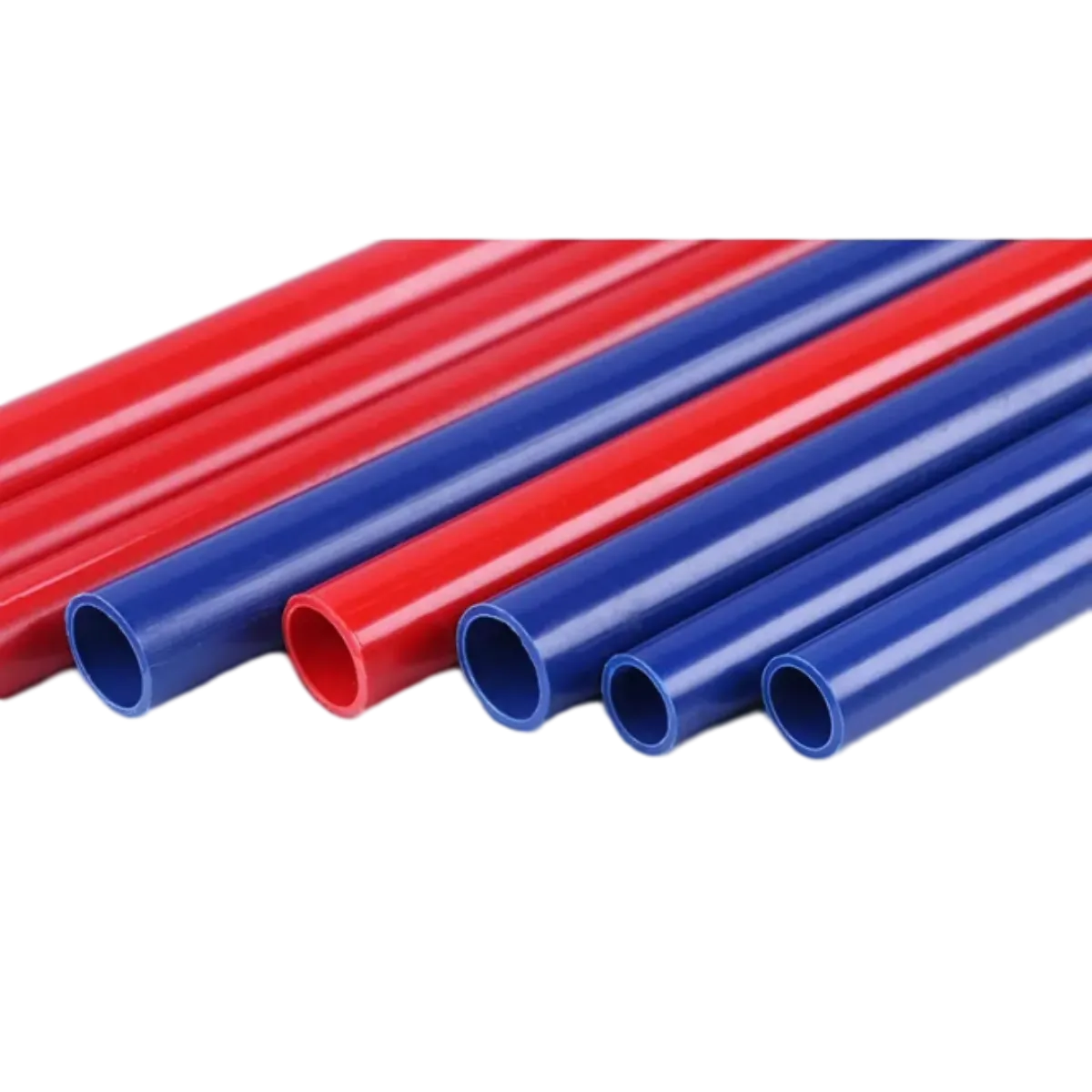
Polypropylene Random Copolymer (PPR) pipe, specifically the 20mm variant, represents a significant advancement in fluid conveyance systems across diverse industrial and residential applications. Positioned within the plumbing and industrial piping chain, PPR pipes offer a compelling alternative to traditional materials like copper, PVC, and galvanized steel. Its core performance characteristics – encompassing corrosion resistance, thermal stability, and hygienic properties – drive its increasing adoption. The 20mm diameter is a common size for residential hot and cold water distribution, as well as secondary industrial processes. This guide provides a comprehensive technical overview, focusing on material science, manufacturing processes, performance parameters, potential failure modes, and applicable international standards related to 20mm PPR pipe.
Material Science & Manufacturing
PPR pipe derives its properties from Polypropylene Random Copolymer, a thermoplastic polymer synthesized via the polymerization of propylene monomers. Unlike homopolymers, the random copolymerization introduces ethylene comonomers, disrupting the polymer’s crystallinity and enhancing its impact resistance and flexibility. The raw material exhibits a density ranging from 0.905 to 0.92 g/cm³, a relatively low density contributing to the pipe’s lightweight nature. Its glass transition temperature (Tg) is approximately -10°C and its melting point typically falls between 130-171°C. Crucially, the material demonstrates excellent resistance to a wide range of chemicals, excluding strong oxidizing agents.
Manufacturing PPR pipe involves extrusion, a continuous process where molten PPR material is forced through a die to form the desired pipe shape. Key parameters during extrusion include temperature control (barrel zones, die temperature), screw speed, and haul-off speed. Maintaining precise temperature control is paramount; exceeding the material’s thermal degradation temperature can compromise its long-term mechanical properties. The extrusion process is often followed by cooling (water tanks) and cutting to specified lengths. Socket fusion welding, butt fusion welding, and electrofusion welding are common joining methods. Socket fusion is particularly prevalent for 20mm pipes, involving heating both the pipe end and the fitting socket before rapidly joining them under pressure. Parameter control during welding (temperature, pressure, dwell time) directly impacts weld strength and leak tightness. Quality control involves hydrostatic testing, where pipes are pressurized to a predetermined level (typically 1.5 times the operating pressure) to detect defects.
Performance & Engineering
The performance of 20mm PPR pipe is largely dictated by its ability to withstand internal pressure and external stresses. Force analysis under hydrostatic pressure necessitates consideration of hoop stress (σh = PD/2t, where P is pressure, D is diameter, and t is wall thickness) and longitudinal stress. Wall thickness is a critical design parameter; insufficient thickness leads to premature failure. Long-term hydrostatic strength (LTHS) is a crucial performance metric, typically determined through accelerated aging tests as defined by ISO 1167. PPR pipes exhibit a relatively low coefficient of thermal expansion (approximately 0.15 mm/m°C), which must be accounted for in system design to prevent stress concentration at joints.
Environmental resistance is another key consideration. While PPR offers superior corrosion resistance compared to metallic pipes, prolonged exposure to UV radiation can cause degradation and embrittlement. Therefore, UV stabilizers are often incorporated into the material formulation. The pipes are also susceptible to creep rupture under sustained pressure and temperature. Compliance requirements vary regionally, with standards like NSF/ANSI 61 (for drinking water applications), EN 1610 (European standard for hot and cold water systems), and DIN 19569 (German standard) outlining acceptable material characteristics and performance criteria. Furthermore, the flammability of PPR is classified as self-extinguishing (UL 94 V-0), providing a degree of fire safety.
Technical Specifications
| Parameter | Unit | Specification (20mm PPR) | Test Standard |
|---|---|---|---|
| Outer Diameter | mm | 21.5 ± 0.2 | ISO 15876-2 |
| Wall Thickness | mm | 2.0 – 3.2 (dependent on pressure class) | ISO 15876-2 |
| Hydrostatic Pressure (Short Term) | MPa | ≥ 1.5 | ISO 1167 |
| Hydrostatic Pressure (Long Term) | MPa | ≥ 1.0 | ISO 1167 |
| Tensile Strength | MPa | ≥ 20 | ISO 527-2 |
| Elongation at Break | % | ≥ 300 | ISO 527-2 |
Failure Mode & Maintenance
Several failure modes can affect PPR pipe systems. Fatigue cracking, induced by repeated pressure fluctuations and thermal cycling, is a common concern, particularly at joints. Delamination, the separation of layers within the pipe wall, can occur due to poor welding parameters or material defects. Oxidation, though generally slow, can gradually degrade the material, particularly at elevated temperatures. Chemical attack, specifically from strong oxidizing agents, can lead to rapid degradation and leaks. Creep rupture, as mentioned previously, can occur under sustained load and temperature.
Preventative maintenance is crucial. Regular visual inspections should be conducted to identify signs of cracking, discoloration, or leaks. Proper installation, adhering to manufacturer’s guidelines and relevant standards, is paramount. Avoid exceeding the maximum operating temperature and pressure. Periodic hydrostatic testing (every 5-10 years) can help detect hidden defects. Should a leak occur, the affected section of pipe should be cut out and replaced using appropriate welding techniques. Avoid using abrasive cleaners or solvents, as these can damage the pipe surface. In cases of UV exposure, consider using protective coatings or shielding the pipe from direct sunlight.
Industry FAQ
Q: What are the key differences between Type 1, Type 2, and Type 3 PPR pipes, and which is most suitable for potable water?
A: PPR pipes are categorized into three types based on their hydrostatic pressure resistance. Type 1 (S3.2) has the lowest pressure resistance and is suitable for cold water applications. Type 2 (S2.5) offers moderate pressure resistance and can be used for both hot and cold water. Type 3 (S2) provides the highest pressure resistance and is ideal for hot water and demanding industrial applications. For potable water, Type 2 or Type 3 PPR are recommended, ensuring compliance with NSF/ANSI 61 standards to avoid leaching of harmful substances.
Q: How does the quality of the welding equipment affect the long-term reliability of PPR pipe joints?
A: Welding equipment quality is paramount. Inconsistent heating temperatures or inadequate pressure control during welding can result in weak joints prone to failure. Digital welding machines with precise temperature and timer settings are preferred over manual units. Regular calibration of the welding equipment is essential to maintain accuracy. The use of appropriate welding inserts (dies) matching the pipe and fitting dimensions is also critical.
Q: What is the maximum allowable operating temperature for 20mm PPR pipe, and how does temperature affect its pressure rating?
A: The maximum continuous operating temperature for most 20mm PPR pipes is 70°C (158°F), though some specialized formulations can handle higher temperatures up to 95°C (203°F). As temperature increases, the pipe's pressure rating decreases. This is due to the reduction in material strength at elevated temperatures. Pressure derating factors are typically specified by the manufacturer and should be consulted during system design.
Q: How does PPR pipe compare to PEX pipe in terms of long-term durability and chemical resistance?
A: Both PPR and PEX (Cross-linked Polyethylene) are viable alternatives to traditional piping materials. PPR generally exhibits superior chemical resistance to a wider range of substances, particularly against mildly acidic solutions. PEX has better resistance to chlorine and freeze-thaw cycles. In terms of long-term durability, PPR is known for its consistent performance over decades when used within its specified operating parameters. PEX, while durable, can be susceptible to oxidative degradation over prolonged exposure to high temperatures and oxygenated water.
Q: What are the typical installation considerations regarding thermal expansion and contraction in a long run of PPR pipe?
A: PPR pipe experiences thermal expansion and contraction with temperature fluctuations. Long runs of pipe require expansion loops or offsets to accommodate this movement and prevent stress buildup at joints. Fixed points should be strategically placed to control the direction of expansion. Avoid rigidly fixing the pipe along its entire length. The coefficient of thermal expansion should be factored into the system design to determine the appropriate size and placement of expansion loops.
Conclusion
The 20mm PPR pipe represents a robust and reliable solution for fluid conveyance, offering a compelling blend of corrosion resistance, thermal stability, and ease of installation. Understanding the material science underpinning its performance, coupled with meticulous attention to manufacturing parameters and adherence to industry standards, is crucial for ensuring long-term system integrity. Careful consideration of potential failure modes and implementation of preventative maintenance practices further enhances its durability and lifespan.
Looking ahead, continued advancements in PPR formulations, including the incorporation of enhanced UV stabilizers and improved impact modifiers, will broaden its application scope. The increasing demand for sustainable and cost-effective piping solutions will likely drive further adoption of PPR pipe across diverse industrial and residential sectors. Proper system design and installation, aligned with established engineering principles and regulatory requirements, remain the cornerstone of a successful and enduring PPR piping system.
-
DN25 HDPE Compression Fitting-HORON INTERNATIONAL|Reliable Irrigation Solutions
NewsFeb.11,2026
-
china 1 2 inch pvc Performance Analysis
News2026-05-21
-
china hdpe pipe joint coupler Performance Analysis
News2026-05-21
-
china ppr pipes and fittings price list Technical Analysis
News2026-05-21
-
china 9 inch pvc pipe price Performance Analysis
News2026-05-21
-
china 2 inch borewell column pipe price Performance Engineering
News2026-05-21
-
china hdpe pipe suppliers Performance Analysis
News2026-05-20
-
china submersible pump column pipe Performance Engineering
News2026-05-20
-
china 8 hdpe corrugated pipe Manufacturing Analysis
News2026-05-20
-
china dual wall hdpe pipe Performance Analysis
News2026-05-20
-
china water lines under sink Performance Analysis
News2026-05-20
-
china ppr pipe used for Material Performance
News2026-05-19
-
china hdpe pipe for sewer line Performance Analysis
News2026-05-19
-
china pvc pipe used for plumbing Technical Analysis
News2026-05-19
-
china hdpe pipe dimensions Technical Analysis
News2026-05-19
-
china kitchen sink water plumbing Performance Analysis
News2026-05-19