

Feb . 11, 2026 00:01 Back to list
hdpe sprinkler pipe price manufacturers Performance Engineering
Introduction
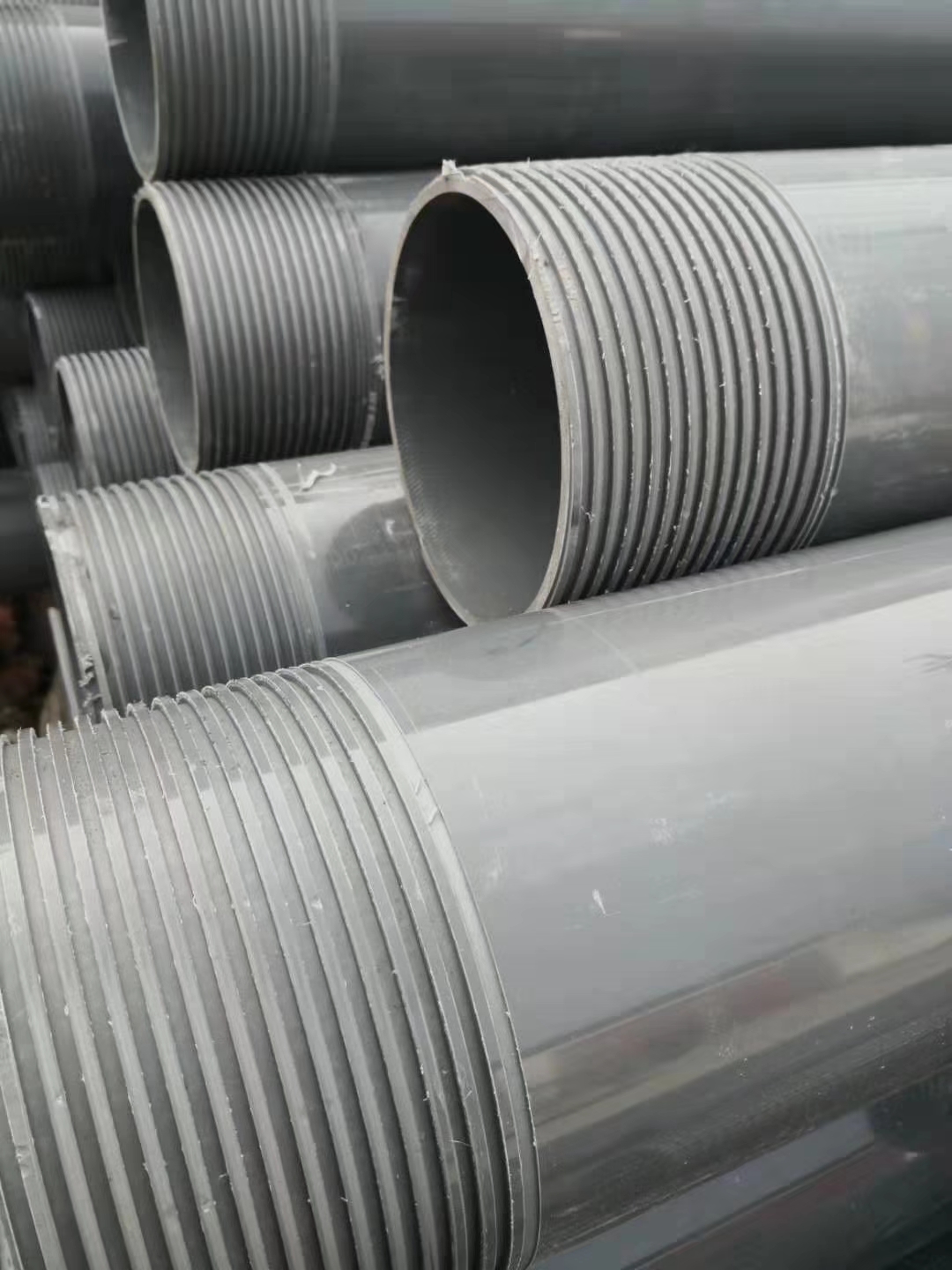
High-Density Polyethylene (HDPE) sprinkler pipe represents a significant advancement in irrigation system technology. Positioned within the broader industrial piping landscape, specifically as a specialized application of thermoplastic extrusion, HDPE sprinkler pipe offers a corrosion-resistant, lightweight, and durable alternative to traditional materials like steel, galvanized iron, and PVC. These pipes are utilized primarily in agricultural irrigation, landscaping, and fire suppression systems, delivering water efficiently and reliably. Core performance characteristics include pressure rating (measured in PSI), outer diameter, schedule number (defining wall thickness), and flow capacity. Price fluctuations are influenced by raw material costs (polyethylene resin), manufacturing scale, and regional demand, impacting manufacturers' competitiveness. Understanding these foundational aspects is crucial for procurement managers and engineers seeking optimal irrigation solutions.
Material Science & Manufacturing
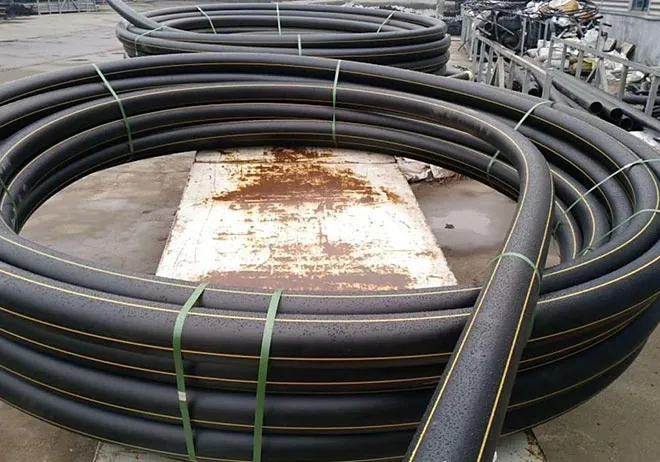
HDPE sprinkler pipe is fabricated from high-density polyethylene, a thermoplastic polymer produced from the polymerization of ethylene. The polyethylene resin used dictates many properties, with higher density correlating to increased strength and rigidity. Key physical properties include a density of approximately 0.941 – 0.965 g/cm³, tensile strength ranging from 20-30 MPa, and a relatively low coefficient of friction. Chemically, HDPE exhibits excellent resistance to a wide range of acids, alkalis, and solvents, contributing to its longevity in various soil conditions. The manufacturing process typically involves extrusion, where molten HDPE is forced through a die to create a continuous pipe. Critical parameters include extrusion temperature (180-240°C), die pressure, haul-off speed, and cooling rate. Proper control of these parameters is essential for achieving consistent wall thickness, diameter, and minimizing residual stresses. Butt fusion and electrofusion welding are common joining methods, ensuring leak-proof connections. Quality control involves rigorous testing for hydrostatic pressure, impact resistance (Charpy impact test), and dimensional accuracy (ISO 1139). The choice of polyethylene grade (e.g., PE 100, PE 80) affects long-term hydrostatic strength (LTS) and slow crack growth resistance (SCGR), vital for underground applications.
Performance & Engineering
The performance of HDPE sprinkler pipe is governed by hydraulic principles and structural integrity. Force analysis considers internal hydrostatic pressure, external soil load, and potential impact loads from installation or ground movement. The pipe’s ability to withstand these forces is directly related to its schedule number, which defines the wall thickness. Environmental resistance is a critical factor; while HDPE is inherently UV resistant, prolonged exposure can lead to surface degradation. The addition of carbon black as a UV stabilizer is a common practice. Temperature variations affect the pipe’s flexibility and impact resistance; HDPE becomes more brittle at low temperatures. Compliance requirements vary regionally, but generally adhere to standards like ASTM D1785 (for vertical-wall HDPE pipe) and EN 12201 (for water supply systems). Engineering considerations include proper bedding and backfill procedures to prevent stress concentrations and ensure long-term stability. Flow rate calculations, based on Hazen-Williams equation or Darcy-Weisbach equation, determine the appropriate pipe diameter to meet irrigation demands while minimizing friction losses. The pipe’s flexibility allows for installation in challenging terrains without the need for numerous fittings, reducing potential leak points. Burst pressure testing is a crucial performance metric, indicating the pipe’s ability to withstand extreme pressure surges.
Technical Specifications
| Parameter | Unit | Typical Value (Schedule 40) | Typical Value (Schedule 80) |
|---|---|---|---|
| Outer Diameter | inches | 0.500 | 0.625 |
| Wall Thickness | inches | 0.062 | 0.083 |
| Pressure Rating | PSI | 100 | 160 |
| Burst Pressure | PSI | 400 | 640 |
| Density | g/cm³ | 0.950 | 0.950 |
| Tensile Strength | MPa | 22 | 22 |
Failure Mode & Maintenance
HDPE sprinkler pipe, while durable, is susceptible to specific failure modes. Slow crack growth (SCG) is a primary concern, particularly in areas with high stress concentrations or exposure to aggressive chemicals. SCG is initiated by pre-existing flaws or scratches and propagates slowly over time. Fatigue cracking can occur due to repeated pressure fluctuations or ground movement. Oxidation, while relatively slow, can degrade the material over extended periods, especially in high-temperature environments. UV degradation, despite the presence of carbon black, can lead to surface embrittlement and loss of impact resistance. Joint failure is another common issue, often stemming from improper welding techniques or insufficient fusion. Maintenance involves regular visual inspections for cracks, leaks, and deformations. Hydrostatic testing can identify weak points before catastrophic failure. Proper bedding and backfill procedures are crucial preventative measures. For minor leaks, heat fusion repairs can be implemented. When SCG is suspected, replacement of the affected pipe section is recommended. Avoid using abrasive materials during installation or maintenance, as they can create stress concentrators. Periodic flushing of the system removes debris and prevents clogging of sprinkler heads.
Industry FAQ
Q: What is the impact of polyethylene resin grade on the long-term performance of HDPE sprinkler pipe?
A: The polyethylene resin grade directly influences the pipe's long-term hydrostatic strength (LTS) and slow crack growth resistance (SCGR). PE 100, for instance, offers superior LTS and SCGR compared to PE 80, making it more suitable for demanding applications and ensuring a longer service life, particularly in areas with high stress or aggressive soil conditions.
Q: How does soil corrosivity affect the lifespan of HDPE sprinkler pipe?
A: While HDPE is inherently corrosion-resistant, highly corrosive soils can indirectly impact its lifespan. Aggressive soil chemistry may degrade bedding materials, leading to instability and increased stress on the pipe. Furthermore, stray electrical currents in the soil can accelerate corrosion of any metallic components used in the system (e.g., fittings). Proper soil analysis and appropriate bedding materials are crucial mitigation strategies.
Q: What are the critical considerations for welding HDPE sprinkler pipe to ensure a leak-proof joint?
A: Maintaining proper welding parameters (temperature, pressure, dwell time) is paramount. Surface preparation is also essential – both surfaces must be clean, dry, and free of contaminants. Proper alignment and clamping are necessary to ensure a uniform weld bead. Destructive and non-destructive testing (e.g., visual inspection, pull tests) should be performed to verify weld integrity. Following established welding procedures (e.g., DVS 2207) is highly recommended.
Q: What is the recommended depth of burial for HDPE sprinkler pipe, and how does this relate to frost heave?
A: The recommended burial depth varies depending on climate and soil conditions, but generally, a minimum of 18-24 inches is advised. In areas prone to frost heave, deeper burial (36 inches or more) is necessary to prevent pipe damage caused by soil expansion during freezing. Proper bedding and backfill materials with adequate drainage characteristics are also critical to mitigate frost heave risks.
Q: How does UV exposure affect the long-term durability of HDPE sprinkler pipe, and what preventative measures are commonly employed?
A: Prolonged UV exposure can cause surface degradation, leading to embrittlement and reduced impact resistance. Manufacturers typically incorporate carbon black into the HDPE formulation as a UV stabilizer. However, for applications with continuous UV exposure, additional protective measures such as coating or covering the pipe with soil are recommended. The concentration of carbon black is a key factor in determining the level of UV protection.
Conclusion
HDPE sprinkler pipe represents a robust and reliable solution for irrigation and water distribution systems, offering significant advantages over traditional materials. Its chemical resistance, flexibility, and ease of installation contribute to long-term cost savings and reduced maintenance requirements. However, understanding the potential failure modes—particularly slow crack growth and UV degradation—and implementing appropriate preventative measures are crucial for maximizing its lifespan and ensuring system performance.
Future advancements in HDPE pipe technology will likely focus on enhancing UV resistance through novel stabilizer formulations, improving impact resistance at low temperatures, and developing more sophisticated welding techniques. Continued adherence to industry standards and best practices, coupled with ongoing material science research, will further solidify HDPE sprinkler pipe's position as a leading choice for irrigation professionals worldwide.
-
DN25 HDPE Compression Fitting-HORON INTERNATIONAL|Reliable Irrigation Solutions
NewsFeb.11,2026
-
china pvc to hdpe connection Performance Analysis
News2026-04-24
-
china ppr pipe elbow Performance Analysis
News2026-04-24
-
china hdpe straight coupler Performance Analysis
News2026-04-24
-
china what are pvc pipes used for Performance Analysis
News2026-04-24
-
china hdpe flexible irrigation pipe Performance Analysis
News2026-04-24
-
china 40mm pvc pipe Material and Manufacturing
News2026-04-23
-
china hdpe to pvc connection Performance Analysis
News2026-04-23
-
china ppr pipe 1 price Performance Analysis
News2026-04-23
-
china colored pvc pipe Performance Analysis
News2026-04-23
-
china hdpe pipe price list pdf Performance Analysis
News2026-04-23
-
china ppr for hot water Performance Analysis
News2026-04-22
-
china bulk pvc pipe Technical Analysis
News2026-04-22
-
china pvc pipes price list Performance Analysis
News2026-04-22
-
china 20 ft pvc pipe Performance Analysis
News2026-04-22
-
china ppr cold water pipe Performance Analysis
News2026-04-22