

Feb . 11, 2026 00:01 Back to list
hdpe sprinkler coupler service Performance Analysis
Introduction
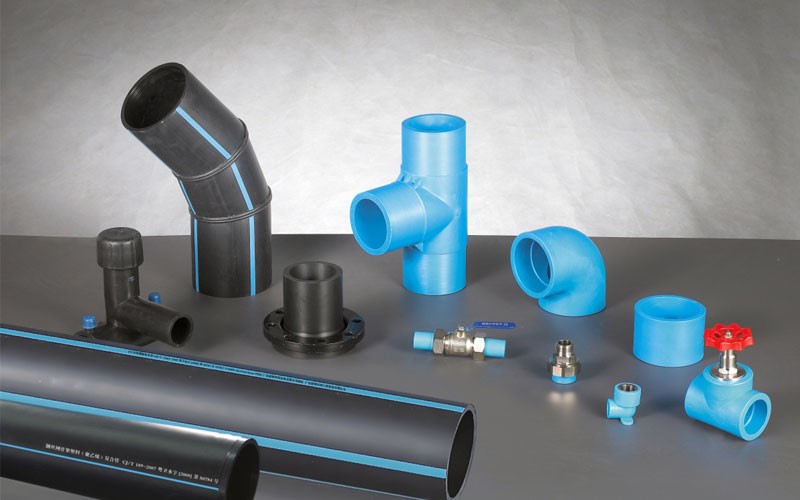
High-Density Polyethylene (HDPE) sprinkler couplers are critical components within irrigation systems, facilitating the connection of sprinkler lines and ensuring the efficient delivery of water. These couplers serve as a robust and corrosion-resistant alternative to traditional metallic fittings, particularly in agricultural, commercial landscaping, and municipal irrigation applications. Their technical position within the irrigation chain is as a fluid conveyance joint, rated to withstand specific hydrostatic pressures and soil loads. Core performance characteristics include leak-proof sealing, resistance to UV degradation, and dimensional stability under varying temperatures. The increasing demand for efficient water management and durable infrastructure drives the ongoing development and adoption of advanced HDPE sprinkler coupler designs, including those incorporating barbed fittings, threaded connections, and compression mechanisms to accommodate varying pipe sizes and operational requirements. A primary industry pain point centers on ensuring long-term joint integrity under cyclical pressure and soil stress, alongside consistent material quality to prevent premature failure and costly repairs.
Material Science & Manufacturing
HDPE sprinkler couplers are primarily manufactured from high-density polyethylene resin, typically grades meeting or exceeding ASTM D3350 standards. The raw material's key physical properties include a density ranging from 0.941 to 0.965 g/cm³, a tensile strength between 20-30 MPa, and a ductile elongation at break of 300-700%. Chemical compatibility is excellent with water, fertilizers, and most common soil components, though prolonged exposure to strong oxidizing agents should be avoided. The manufacturing process typically involves injection molding. Granulated HDPE resin is heated and injected under high pressure into a mold cavity replicating the coupler’s desired geometry. Critical parameters include melt temperature (180-220°C), mold temperature (30-50°C), injection pressure (70-100 MPa), and cooling rate. Variations in these parameters significantly impact the coupler’s crystallinity, molecular weight distribution, and resulting mechanical properties. Post-molding operations may include deburring, dimensional inspection, and surface treatment for UV protection. For barbed couplers, precise barb geometry is crucial for a secure grip on the HDPE pipe, demanding tight mold tolerances and consistent resin shrinkage rates. Threaded couplers require accurate thread forming to ensure compatibility with standard irrigation fittings. Quality control focuses on verifying dimensions, pressure ratings, and the absence of manufacturing defects like voids or weld lines that could compromise structural integrity.
Performance & Engineering
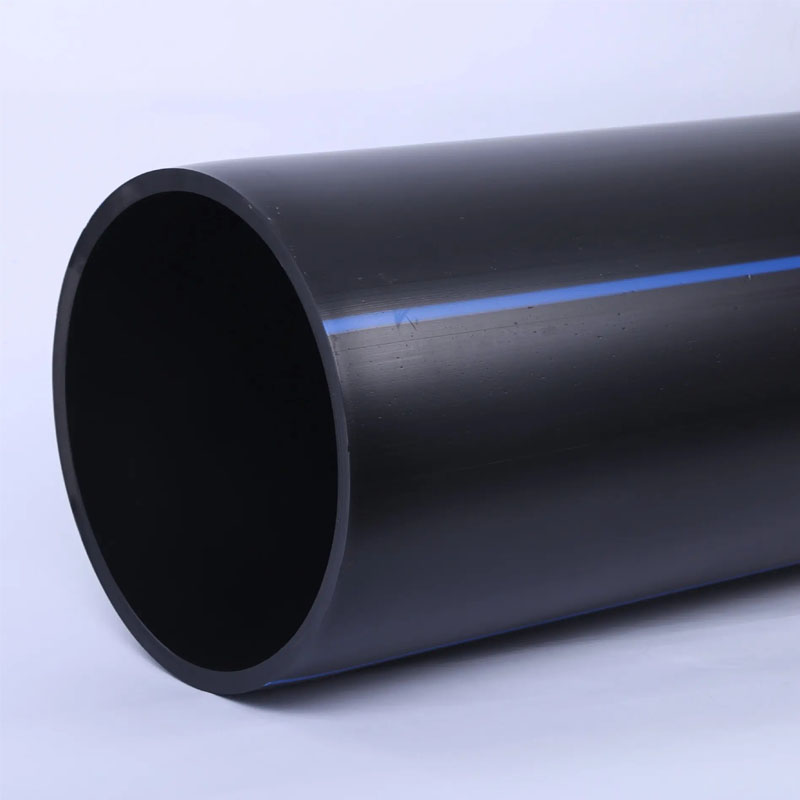
The performance of HDPE sprinkler couplers is heavily dictated by their ability to withstand hydrostatic pressure and external loads from soil and ground movement. Force analysis involves evaluating hoop stress within the coupler body, particularly at the connection points. The maximum allowable working pressure (MAWP) is determined through burst testing in accordance with ASTM D1597, and typically ranges from 50 to 200 psi depending on coupler size and design. Environmental resistance is paramount; HDPE exhibits excellent resistance to UV degradation, but prolonged exposure can lead to embrittlement. UV stabilizers (carbon black or other additives) are incorporated during manufacturing to mitigate this effect. Couplers must also maintain dimensional stability across a wide temperature range (-40°C to +60°C) without cracking or deformation. Compliance requirements vary by region. In the US, NSF/ANSI 61 certification ensures the coupler material is safe for contact with potable water. European standards (EN 12201) define the performance characteristics of polyethylene pipes and fittings for water supply. Functional implementation considers the coupling method. Barbed couplers rely on interference fit, requiring proper pipe insertion depth and a secure grip. Threaded couplers necessitate the use of PTFE tape or thread sealant to create a watertight seal. Compression couplers utilize a tightening mechanism to compress a sealing ring, providing a robust connection resistant to vibration and pressure fluctuations.
Technical Specifications
| Parameter | Unit | Specification (Typical) | Test Standard |
|---|---|---|---|
| Material | - | HDPE (ASTM D3350) | ASTM D3350 |
| Maximum Working Pressure (MAWP) | psi | 100-150 | ASTM D1597 |
| Operating Temperature Range | °C | -40 to +60 | ASTM D790 |
| Tensile Strength | MPa | 22-28 | ASTM D638 |
| Elongation at Break | % | 400-600 | ASTM D638 |
| UV Resistance | Hours to 50% Degradation | >1000 | ASTM G154 |
Failure Mode & Maintenance
HDPE sprinkler coupler failures typically stem from several modes. Fatigue cracking can occur due to cyclical pressure fluctuations, particularly at stress concentration points like barbs or thread roots. Environmental Stress Cracking (ESC) arises from the combined effect of sustained stress and exposure to certain chemicals (e.g., fertilizers, cleaning agents). Delamination can occur if the HDPE material is improperly molded or contaminated. Oxidation, while slow, can lead to embrittlement over extended periods, especially in high-temperature environments. A common failure point is the connection between the coupler and the HDPE pipe, due to insufficient insertion depth for barbed fittings or inadequate sealing for threaded connections. Maintenance primarily involves visual inspection for cracks, deformation, or leakage. Periodically check for loose connections and ensure proper pipe support to minimize stress on the couplers. For threaded connections, re-apply PTFE tape annually or as needed. In cases of ESC, identify and eliminate the source of chemical exposure. When replacing a failed coupler, ensure the new coupler is compatible with the pipe size and pressure rating. Proper installation techniques, including correct insertion depth and torque specification, are critical to preventing premature failure. Avoid using excessive force during installation, which can damage the coupler or the pipe.
Industry FAQ
Q: What are the key differences between barbed and threaded HDPE sprinkler couplers, and when should each be used?
A: Barbed couplers offer a quick and simple connection, relying on interference fit. They are ideal for lower-pressure applications and situations where frequent disassembly is not required. Threaded couplers provide a more secure and leak-proof connection, suitable for higher-pressure systems and where frequent maintenance or component replacement is anticipated. They necessitate the use of thread sealant and proper torqueing. Barbed are typically used for drip irrigation lines, while threaded are better for sprinkler heads.
Q: How does soil composition and acidity affect the long-term performance of HDPE sprinkler couplers?
A: HDPE is generally resistant to most common soil components. However, highly acidic soils or soils with high concentrations of oxidizing agents can accelerate degradation. The extent of the impact depends on the coupler’s UV stabilizer content and the duration of exposure. Proper backfilling procedures, avoiding abrasive materials, can also extend the coupler’s lifespan.
Q: What is the impact of freeze-thaw cycles on HDPE sprinkler coupler integrity?
A: HDPE exhibits good flexibility at low temperatures, but repeated freeze-thaw cycles can induce stress within the material, potentially leading to cracking, especially at stress concentration points. Proper system drainage and winterization are crucial to prevent ice formation within the couplers and pipes.
Q: What certifications should I look for when sourcing HDPE sprinkler couplers to ensure compliance with industry standards?
A: Key certifications include NSF/ANSI 61 for potable water safety, ASTM D3350 for HDPE resin specifications, and potentially EN 12201 for European standards. A manufacturer’s quality control documentation and testing reports are also essential.
Q: What is the recommended method for inspecting HDPE sprinkler couplers for potential failures in an operating irrigation system?
A: Conduct visual inspections for cracks, leaks, or deformation, paying close attention to connection points and areas exposed to direct sunlight. Monitor system pressure and flow rates for anomalies. Periodically perform a manual check of connection tightness and ensure adequate pipe support to minimize stress on the couplers. Any signs of deterioration warrant immediate investigation and potential component replacement.
Conclusion
HDPE sprinkler couplers represent a durable and reliable solution for fluid conveyance in irrigation systems. Their performance is intrinsically linked to material science – specifically the properties of HDPE resin – and precise manufacturing processes that ensure dimensional accuracy and structural integrity. Understanding potential failure modes, such as fatigue cracking and environmental stress cracking, coupled with proactive maintenance practices, is critical for maximizing service life and minimizing operational disruptions.
The continued development of HDPE coupler technologies focuses on enhancing UV resistance, improving sealing mechanisms, and optimizing designs for higher pressure applications. Adherence to relevant international standards (ASTM, EN, NSF) and rigorous quality control measures are paramount for ensuring product reliability and long-term system performance. Future innovations may include the integration of smart sensing technologies for real-time monitoring of coupler integrity and early detection of potential failures.
-
DN25 HDPE Compression Fitting-HORON INTERNATIONAL|Reliable Irrigation Solutions
NewsFeb.11,2026
-
china hdpe corrugated pipe sizes Performance Analysis
News2026-05-13
-
china ppr pipe for hot and cold water Technical Overview
News2026-05-13
-
china 150mm pvc pipe Performance Analysis
News2026-05-13
-
china 60mm pvc pipe Performance Analysis
News2026-05-13
-
china 12 inch diameter pvc pipe Performance Analysis
News2026-05-13
-
china sprinkler pvc pipe Performance and Engineering
News2026-05-12
-
china ppr pipe 3 4 Performance Analysis
News2026-05-12
-
china hdpe sprinkler pipe Performance Analysis
News2026-05-12
-
china hdpe irrigation pipe fittings Performance Analysis
News2026-05-12
-
china whole sale pvc pipe Performance Analysis
News2026-05-12
-
china 25mm ppr pipe price Technical Analysis
News2026-05-11
-
china hdpe pipe pdf Performance Analysis
News2026-05-11
-
china 12 double wall corrugated pipe Performance Analysis
News2026-05-11
-
china water pipes under kitchen sink Performance Analysis
News2026-05-11
-
china 10 hdpe corrugated pipe Performance Analysis
News2026-05-11