

Feb . 11, 2026 00:01 Back to list
hdpe sprinkler coupler factory Performance Analysis
Introduction
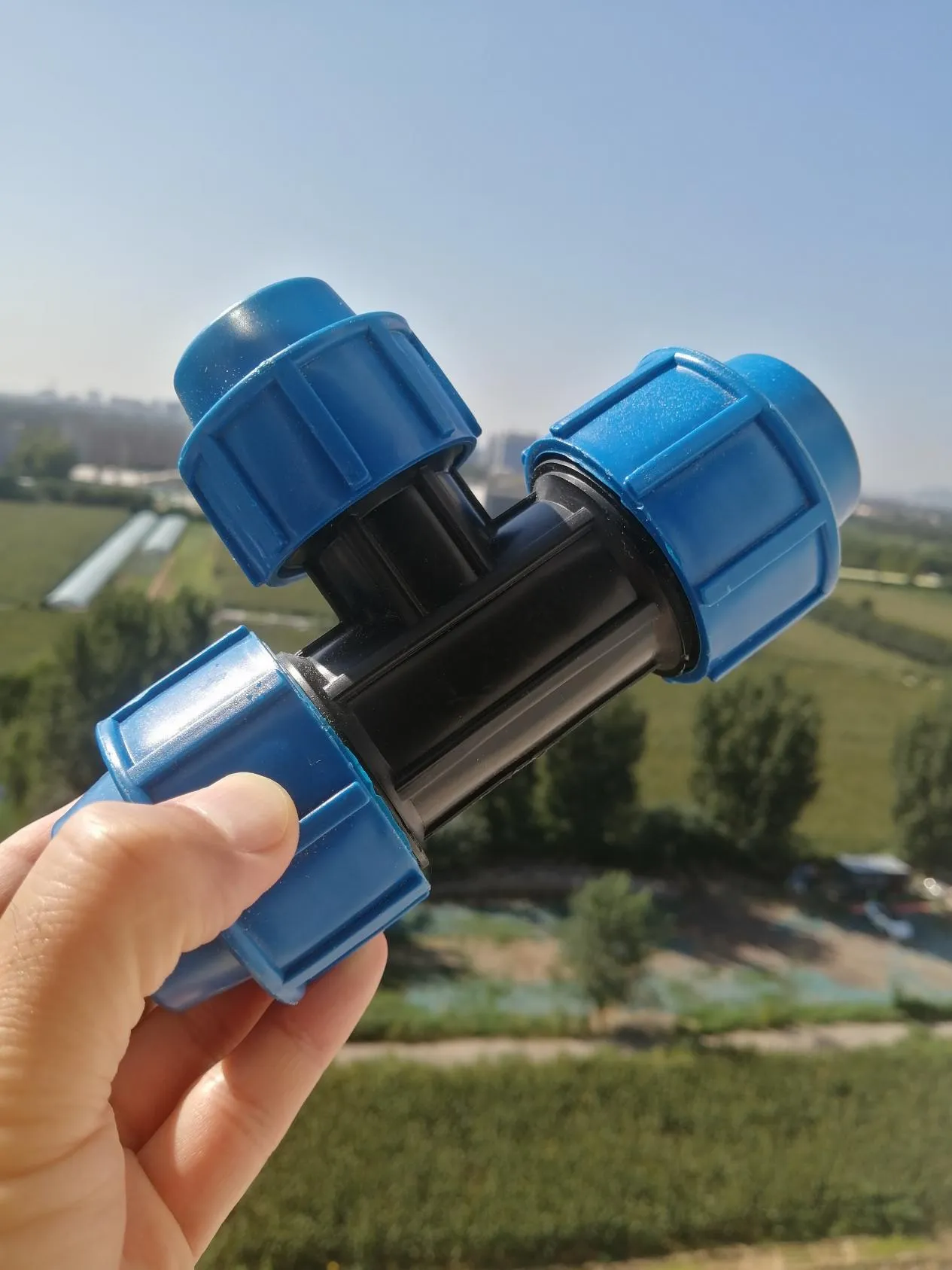
High-Density Polyethylene (HDPE) sprinkler couplers are critical components within irrigation systems, facilitating the secure and leak-proof connection of sprinkler lines. Positioned as a junction element in the downstream network, they enable the branching and extension of irrigation networks. These couplers are manufactured in various configurations, including compression, threaded, and barbed types, each designed for specific pipe dimensions and pressure ratings. Their core performance characteristics revolve around maintaining consistent water flow, withstanding soil stresses, and exhibiting long-term resistance to UV degradation and chemical exposure prevalent in agricultural and landscaping environments. A key pain point in the industry stems from coupler failures leading to water loss, system inefficiencies, and costly repairs; therefore, material selection, manufacturing precision, and adherence to industry standards are paramount.
Material Science & Manufacturing
HDPE sprinkler couplers are predominantly manufactured from high-density polyethylene resin, selected for its excellent chemical resistance, high strength-to-density ratio, and cost-effectiveness. The raw material typically meets or exceeds ASTM D3350 standards. Key physical properties include a density ranging from 0.951 to 0.965 g/cm³, a tensile strength of 20-30 MPa, and a ductile failure mode. Manufacturing processes vary depending on coupler type. Injection molding is widely used for compression and threaded couplers, involving the precise heating and injection of molten HDPE into a mold cavity. Critical parameters during injection molding include melt temperature (180-220°C), mold temperature (30-50°C), and injection pressure (60-100 MPa). Barbed couplers are commonly produced through extrusion, where HDPE is forced through a die to create the desired shape, followed by cooling and cutting to length. Post-processing steps often include deburring and quality control checks for dimensional accuracy and surface finish. The crystalline structure of HDPE is also important; a higher degree of crystallinity typically translates to improved tensile strength and reduced permeability. Furthermore, UV stabilizers, such as carbon black or hindered amine light stabilizers (HALS), are incorporated into the HDPE compound to enhance resistance to photodegradation.
Performance & Engineering
The performance of HDPE sprinkler couplers is governed by several engineering principles. Firstly, stress analysis is crucial in designing couplers to withstand hydrostatic pressure and soil load. Finite Element Analysis (FEA) is often employed to model stress distribution and identify potential failure points, particularly at thread roots and compression ring interfaces. Secondly, environmental resistance is paramount. HDPE exhibits good resistance to common agricultural chemicals (fertilizers, pesticides), but prolonged exposure to strong acids or solvents can lead to degradation. Coupler design must account for temperature fluctuations; HDPE’s coefficient of thermal expansion (approximately 1.2 x 10⁻⁴ /°C) needs consideration to prevent joint loosening or cracking. Thirdly, compliance requirements vary geographically. In the USA, NSF/ANSI 61 certification ensures the material is safe for potable water contact. European standards, such as EN 12201-3, dictate performance criteria for polyethylene pipes and fittings. Furthermore, the flow coefficient (Cv) of the coupler needs to be minimized to reduce friction losses and ensure efficient water distribution. Proper installation, including correct insertion depth for barbed fittings and adequate tightening torque for threaded connections, is critical for optimal performance. Failure to adhere to manufacturer’s specifications can compromise the coupler’s integrity and lead to leaks.
Technical Specifications
| Parameter | 1/2" Coupler | 3/4" Coupler | 1" Coupler | 1 1/2" Coupler |
|---|---|---|---|---|
| Nominal Pipe Size | 1/2 inch | 3/4 inch | 1 inch | 1 1/2 inch |
| Maximum Operating Pressure (PSI) | 150 | 120 | 100 | 80 |
| Material | HDPE (ASTM D3350) | HDPE (ASTM D3350) | HDPE (ASTM D3350) | HDPE (ASTM D3350) |
| Connection Type | Compression/Threaded/Barbed | Compression/Threaded/Barbed | Compression/Threaded/Barbed | Compression/Threaded/Barbed |
| UV Resistance | >1000 hours (ASTM D4459) | >1000 hours (ASTM D4459) | >1000 hours (ASTM D4459) | >800 hours (ASTM D4459) |
| Operating Temperature Range (°C) | -40 to 60 | -40 to 60 | -40 to 60 | -40 to 60 |
Failure Mode & Maintenance
HDPE sprinkler couplers can experience several failure modes. Fatigue cracking is common in compression couplers subjected to repeated pressure cycles and soil movement. This typically initiates at the thread root or the compression ring interface. Environmental Stress Cracking (ESC) can occur due to the combined effect of stress and exposure to aggressive chemicals, leading to brittle failure. UV degradation can cause the HDPE to become brittle and lose its impact resistance, particularly in couplers lacking adequate UV stabilizers. Delamination can occur in improperly molded couplers with insufficient material bonding. Oxidation, while less common in HDPE, can occur at elevated temperatures, leading to material embrittlement. Maintenance involves regular visual inspections for cracks, leaks, and signs of UV degradation. Periodic tightening of threaded connections is recommended. For compression couplers, ensure the compression ring is properly seated and free from debris. If a coupler fails, it should be replaced with a compatible unit meeting the same specifications. Avoid using abrasive cleaners or solvents that can damage the HDPE material. Prevent physical impact during handling and installation. Consider implementing a preventative maintenance schedule, particularly in high-stress environments.
Industry FAQ
Q: What is the impact of soil acidity on the lifespan of HDPE sprinkler couplers?
A: High soil acidity can accelerate the degradation of HDPE, particularly if the coupler is directly buried. Acids can promote ESC, leading to premature failure. Selecting couplers with enhanced chemical resistance or employing a protective coating can mitigate this risk. Regular soil testing and pH monitoring are recommended.
Q: How does water hammer affect the integrity of HDPE couplers?
A: Water hammer, caused by sudden changes in flow velocity, generates pressure surges that can exceed the coupler's rated pressure. This can lead to fatigue cracking or even catastrophic failure. Implementing pressure relief valves and surge suppressors in the irrigation system can effectively dampen water hammer effects.
Q: Are HDPE couplers suitable for use with reclaimed water?
A: HDPE is generally compatible with reclaimed water, but the water's chemical composition needs to be assessed. Reclaimed water may contain higher concentrations of chlorides, sulfates, and other chemicals that can accelerate degradation. Choosing couplers specifically certified for reclaimed water use and performing regular water quality analysis is crucial.
Q: What are the advantages of compression couplers versus threaded couplers?
A: Compression couplers offer a quicker and simpler installation process, requiring no threading or sealing tape. They provide a more secure connection, especially in situations where vibration is present. However, they may be more expensive than threaded couplers and require specific tools for installation.
Q: How important is UV stabilization in HDPE sprinkler couplers?
A: UV stabilization is critically important. Prolonged exposure to sunlight causes HDPE to become brittle and lose its strength. Couplers with adequate UV stabilizers (carbon black or HALS) exhibit significantly longer service life in outdoor applications. The level of UV stabilization should be specified based on the anticipated exposure duration and geographic location.
Conclusion
HDPE sprinkler couplers represent a robust and cost-effective solution for connecting irrigation systems. Their performance and longevity are heavily reliant on meticulous material selection, precise manufacturing processes adhering to industry standards, and consideration of environmental factors. Understanding the potential failure modes, such as fatigue cracking and environmental stress cracking, is vital for proactive maintenance and preventing system disruptions.
Future advancements may focus on incorporating enhanced UV stabilization technologies, developing bio-based HDPE alternatives, and implementing smart monitoring systems to detect early signs of coupler degradation. A comprehensive approach encompassing material science, engineering analysis, and proper installation practices will continue to optimize the performance and reliability of HDPE sprinkler couplers in agricultural and landscaping applications.
-
DN25 HDPE Compression Fitting-HORON INTERNATIONAL|Reliable Irrigation Solutions
NewsFeb.11,2026
-
china hdpe corrugated pipe sizes Performance Analysis
News2026-05-13
-
china ppr pipe for hot and cold water Technical Overview
News2026-05-13
-
china 150mm pvc pipe Performance Analysis
News2026-05-13
-
china 60mm pvc pipe Performance Analysis
News2026-05-13
-
china 12 inch diameter pvc pipe Performance Analysis
News2026-05-13
-
china sprinkler pvc pipe Performance and Engineering
News2026-05-12
-
china ppr pipe 3 4 Performance Analysis
News2026-05-12
-
china hdpe sprinkler pipe Performance Analysis
News2026-05-12
-
china hdpe irrigation pipe fittings Performance Analysis
News2026-05-12
-
china whole sale pvc pipe Performance Analysis
News2026-05-12
-
china 25mm ppr pipe price Technical Analysis
News2026-05-11
-
china hdpe pipe pdf Performance Analysis
News2026-05-11
-
china 12 double wall corrugated pipe Performance Analysis
News2026-05-11
-
china water pipes under kitchen sink Performance Analysis
News2026-05-11
-
china 10 hdpe corrugated pipe Performance Analysis
News2026-05-11