

Feb . 11, 2026 00:01 Back to list
hdpe pipe for water supply price list product Performance Analysis
Introduction
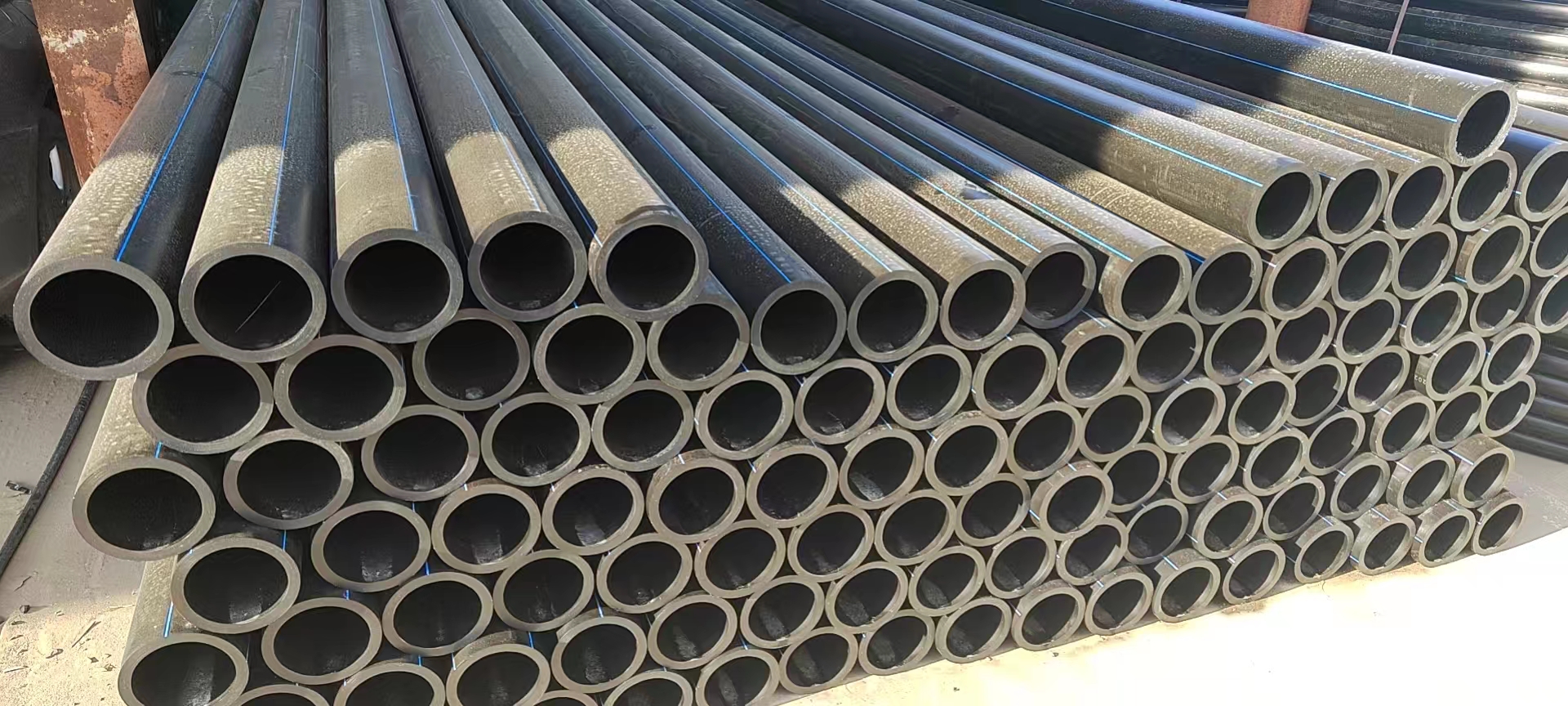
High-Density Polyethylene (HDPE) pipe is a thermoplastic pipe widely utilized in water supply systems due to its robust mechanical properties, chemical resistance, and cost-effectiveness. Positioned as a critical component within the broader water infrastructure industry, HDPE piping offers a compelling alternative to traditional materials like ductile iron, steel, and PVC. Its lightweight nature facilitates easier installation, reducing labor costs and project timelines. Core performance characteristics include long-term durability, leak-free joints achieved through heat fusion welding, and resistance to corrosion and scaling. The market for HDPE pipes is driven by increasing investments in water infrastructure rehabilitation and new construction projects globally, coupled with growing awareness of the advantages of plastic piping systems concerning lifespan and maintenance requirements. Price lists vary significantly based on diameter, pressure rating (Schedule 40, Schedule 80), raw material grade, and quantity ordered, making a comprehensive understanding of technical specifications vital for informed procurement decisions.
Material Science & Manufacturing
HDPE pipes are manufactured from high-density polyethylene, a linear polymer derived from the polymerization of ethylene. The polyethylene resin used dictates the final pipe properties. Key raw material characteristics include density (typically between 0.93 and 0.97 g/cm³), molecular weight distribution, and melt flow index. These parameters influence the pipe’s strength, ductility, and processability. Manufacturing primarily utilizes extrusion processes. The HDPE resin is melted and forced through a die to form a continuous pipe. Critical process parameters include extrusion temperature (typically between 180°C and 210°C), die pressure, and cooling rate. Precise control of these parameters is essential to ensure consistent wall thickness and dimensional accuracy. Post-extrusion, pipes are often subjected to hydrostatic testing to verify their pressure-holding capacity. Heat fusion welding techniques—specifically butt fusion, socket fusion, and electrofusion—are employed to join HDPE pipes, creating a leak-tight, structurally sound connection. The welding process relies on the thermoplastic nature of HDPE, allowing the materials to fuse at the molecular level. Proper surface preparation and adherence to welding parameters (temperature, pressure, and dwell time) are crucial for achieving optimal weld integrity. The presence of carbon black is common, providing UV resistance, but can impact weldability if concentration is not controlled.
Performance & Engineering
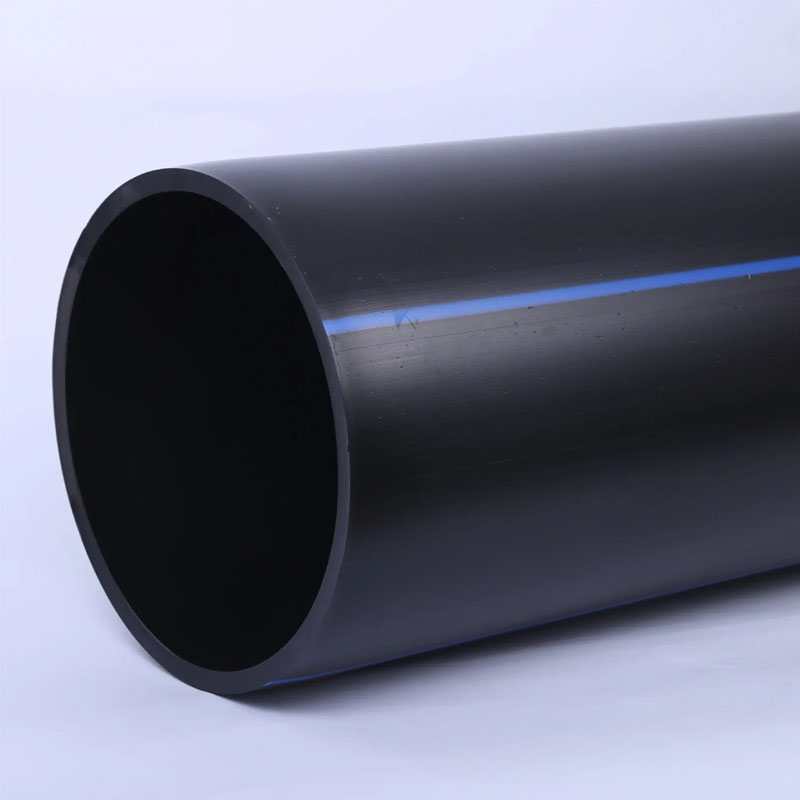
The performance of HDPE pipes in water supply applications is governed by several engineering considerations. Stress analysis, particularly regarding burst pressure, is paramount. According to Barlow's formula (P = 2St/D, where P is pressure, S is tensile strength, t is wall thickness, and D is diameter), the pipe's ability to withstand internal pressure is directly proportional to its tensile strength and wall thickness. Environmental factors, including temperature and UV exposure, also impact performance. While HDPE exhibits excellent chemical resistance to most water treatment chemicals, prolonged exposure to elevated temperatures can reduce its long-term hydrostatic strength. UV radiation can cause degradation if the pipe is not properly protected (typically via carbon black additives). Compliance with industry standards, such as AWWA C906 for large diameter water mains and ASTM D3350 for polyethylene pipes for drinking water distribution, is essential. These standards define minimum requirements for material properties, manufacturing processes, and testing procedures. Installation practices, including proper bedding and backfill procedures, significantly influence the long-term performance of HDPE pipe systems. Insufficient support can lead to ovalation and increased stress concentrations, potentially causing premature failure. Soil corrosivity also needs consideration; cathodic protection may be necessary in aggressive soil environments to prevent external corrosion of any metallic components used in conjunction with the HDPE system.
Technical Specifications
| Parameter | Unit | Typical Value (DN/ID 110mm, SDR 17) | Testing Standard |
|---|---|---|---|
| Outside Diameter | mm | 110 | ISO 4427 |
| Inside Diameter | mm | 98.8 | ISO 4427 |
| Wall Thickness | mm | 5.6 | ISO 4427 |
| Pressure Rating (PN) | bar | 16 | ISO 4427 |
| Density | g/cm³ | 0.95 | ASTM D1505 |
| Hydrostatic Design Stress (HDS) | MPa | 8.0 | ISO 4427 |
Failure Mode & Maintenance
HDPE pipe failures, while relatively infrequent, can occur due to several mechanisms. Slow Crack Growth (SCG) is a common failure mode, particularly in areas of high stress concentration or residual stress from manufacturing. This is exacerbated by exposure to certain chemicals and sustained tensile stress. Fatigue cracking can also occur due to cyclic pressure fluctuations, especially in systems with water hammer. Delamination can occur at welded joints if improper welding parameters were used or if the welding surfaces were contaminated. Oxidation, while less common due to HDPE’s inherent resistance, can occur with prolonged exposure to high temperatures and oxidizing agents. External corrosion, although HDPE itself doesn’t corrode, can affect metallic fittings and components connected to the pipe. Maintenance typically involves periodic inspections for leaks, visual assessment of pipe condition, and verification of cathodic protection systems (if applicable). Leak detection methods include acoustic surveys and tracer gas detection. Repair of HDPE pipes can be achieved through heat fusion welding of patches or replacement of damaged sections. Preventative maintenance includes proper installation techniques, ensuring adequate bedding and backfill support, and implementing surge protection measures to minimize water hammer. Regular joint inspections using non-destructive testing methods (e.g., ultrasonic testing) can identify potential SCG issues before catastrophic failure occurs.
Industry FAQ
Q: What is the expected service life of an HDPE water pipe system?
A: Under typical operating conditions and with proper installation, an HDPE water pipe system can reliably serve for 50 to 100 years. This longevity is a significant advantage over traditional materials. Factors influencing service life include soil conditions, water quality, operating pressure, and temperature.
Q: How does HDPE pipe compare to PVC pipe in terms of cost and performance?
A: While PVC pipe is generally less expensive upfront, HDPE offers superior long-term performance and durability. HDPE has a higher tensile strength, better resistance to impact and fatigue, and greater chemical resistance. When considering lifecycle costs (including maintenance and replacement), HDPE often proves more economical.
Q: What are the key considerations for welding HDPE pipes?
A: Proper surface preparation (cleaning and drying), selection of appropriate welding parameters (temperature, pressure, and dwell time), and operator training are crucial. Adherence to standards like DVS 2207 (German Welding Society) is recommended. Using quality welding equipment and maintaining consistent welding procedures are essential for achieving reliable joints.
Q: Can HDPE pipes be used in seismic areas?
A: Yes. HDPE’s flexibility and ability to withstand ground movement make it a suitable material for seismic areas. The inherent ductility of HDPE allows it to deform without fracturing, minimizing the risk of catastrophic failure during an earthquake. However, proper joint design and restraint mechanisms are still critical.
Q: What is the impact of UV exposure on HDPE pipe?
A: Prolonged exposure to UV radiation can cause degradation of HDPE. Therefore, it is crucial to use UV-stabilized HDPE formulations (typically containing carbon black) or to protect the pipe from direct sunlight through burial or the application of protective coatings.
Conclusion
HDPE pipe represents a significant advancement in water supply infrastructure, offering a compelling combination of durability, cost-effectiveness, and ease of installation. Its robust material properties, coupled with reliable fusion welding techniques, ensure long-term leak-free performance and minimal maintenance requirements. Understanding the fundamental material science, manufacturing processes, and engineering considerations associated with HDPE piping is essential for selecting the appropriate pipe grade and specifications for specific application demands.
The continued adoption of HDPE piping will be driven by increasing demands for sustainable water infrastructure solutions and the need to minimize water loss. Adherence to international standards and best practices in installation and maintenance will further maximize the lifecycle benefits of this versatile material. Future developments may focus on enhanced UV stabilization technologies and innovative jointing methods to further improve the performance and longevity of HDPE pipe systems.
-
DN25 HDPE Compression Fitting-HORON INTERNATIONAL|Reliable Irrigation Solutions
NewsFeb.11,2026
-
china 25mm ppr pipe price Technical Analysis
News2026-05-11
-
china hdpe pipe pdf Performance Analysis
News2026-05-11
-
china 12 double wall corrugated pipe Performance Analysis
News2026-05-11
-
china water pipes under kitchen sink Performance Analysis
News2026-05-11
-
china 10 hdpe corrugated pipe Performance Analysis
News2026-05-11
-
china hdpe coupling fittings Performance Analysis
News2026-05-10
-
china hdpe pipe use Performance Analysis
News2026-05-10
-
china hdpe water supply pipe Performance Analysis
News2026-05-10
-
china 1.5 inch pvc pipe Performance Analysis
News2026-05-10
-
china hdpe double wall corrugated pipe Performance Analysis
News2026-05-10
-
china 10mm pvc pipe Performance Analysis
News2026-05-09
-
china ppr pipe for cold water Material Performance
News2026-05-09
-
china type of pvc pipe Material and Manufacturing Analysis
News2026-05-09
-
china hdpe pipe sizes Performance Analysis
News2026-05-09
-
china 50mm pvc pipe Performance Analysis
News2026-05-09