

Feb . 11, 2026 00:01 Back to list
2 inch upvc column pipe price product Performance Analysis
Introduction
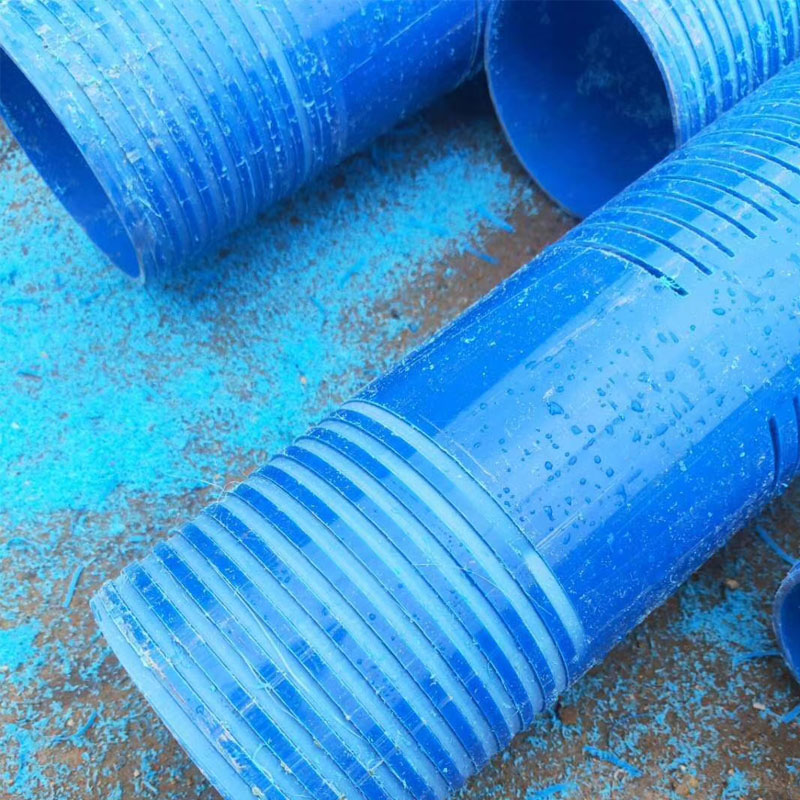
Polyvinyl Chloride (PVC) column pipes, specifically the 2-inch diameter variant, represent a crucial component in various fluid conveyance systems, predominantly utilized in agricultural irrigation, water distribution networks, and increasingly, in specialized industrial applications. These pipes operate as static structural members supporting vertical loads while simultaneously acting as conduits for fluid transport. Their prevalence stems from a compelling combination of cost-effectiveness, corrosion resistance, and ease of installation compared to traditional materials like steel or ductile iron. This guide provides an in-depth technical analysis of 2-inch UPVC (Unplasticized PVC) column pipes, encompassing material science, manufacturing processes, performance characteristics, potential failure modes, and relevant industry standards. The core performance metric revolves around maintaining hydrostatic pressure, resisting external loads, and ensuring long-term dimensional stability within specified operating temperatures. Understanding these aspects is critical for engineers, procurement managers, and installation technicians to guarantee system reliability and minimize lifecycle costs. A key pain point in the industry is ensuring consistent wall thickness and material quality to prevent premature failure, particularly in high-pressure or load-bearing applications.
Material Science & Manufacturing
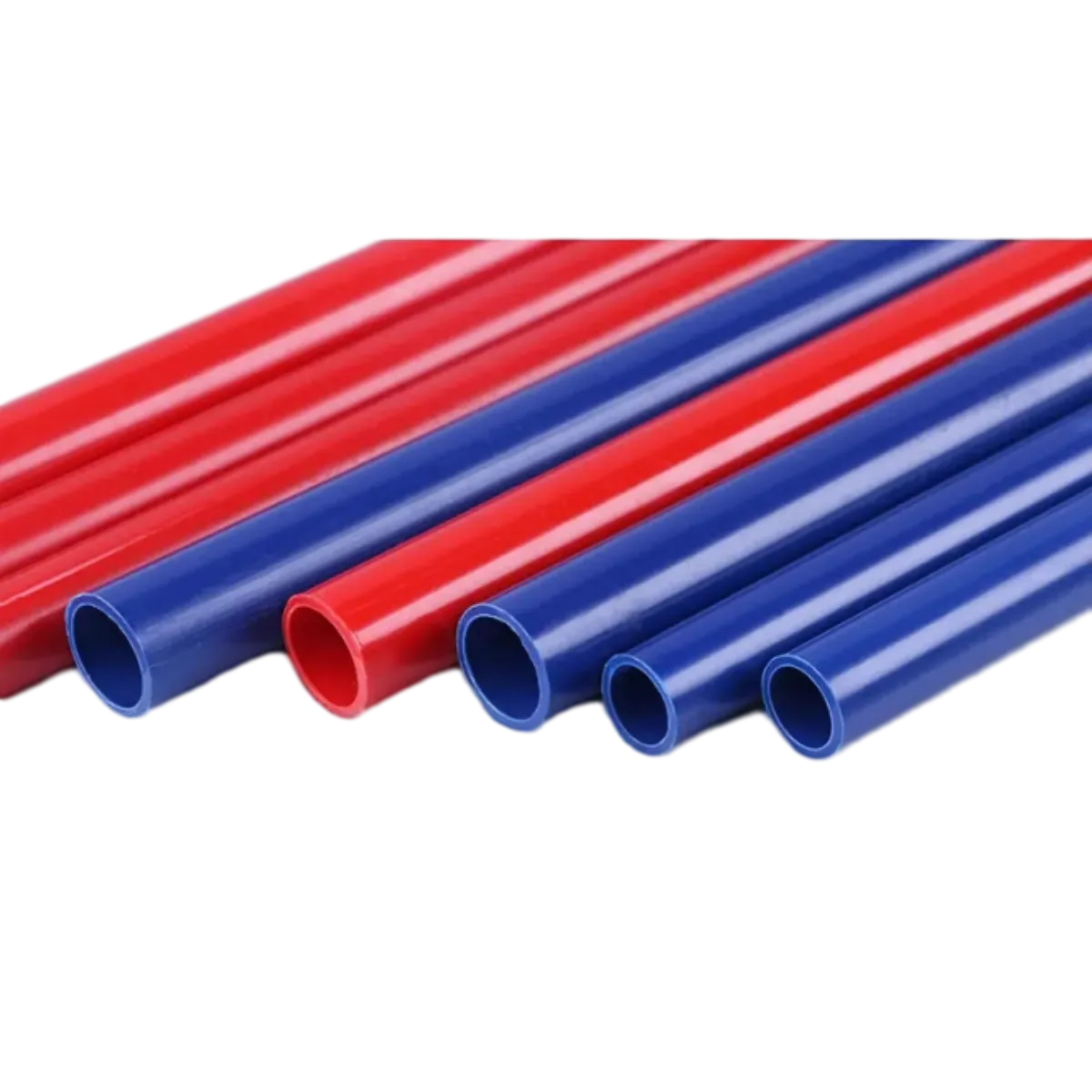
The foundational material for 2-inch UPVC column pipes is a thermoplastic polymer, Polyvinyl Chloride, formulated without plasticizers. This results in a rigid, robust material possessing excellent chemical resistance and a high strength-to-weight ratio. The raw material, PVC resin, is typically sourced from vinyl chloride monomer (VCM) via suspension or emulsion polymerization. Key properties include a tensile strength ranging from 55-75 MPa, a flexural modulus of 3.0-3.5 GPa, and a glass transition temperature (Tg) around 80-85°C. Stabilizers, primarily based on organotin compounds or calcium-zinc formulations (increasingly favored due to environmental concerns regarding tin), are incorporated to prevent thermal degradation during processing. Lubricants, such as stearic acid, facilitate extrusion. Manufacturing predominantly employs extrusion processes. PVC compound is fed into a single or twin-screw extruder, heated to a controlled temperature profile (typically 180-220°C) to achieve a molten state, and forced through a calibrated die to form a continuous pipe profile. Critical parameters include die temperature, screw speed, and puller speed, which dictate pipe dimensions and wall thickness uniformity. Cooling is achieved via water baths, followed by dimensional correction and cutting to specified lengths. Quality control involves rigorous testing of material composition, hydrostatic pressure testing, and dimensional inspection based on ISO 4437 standards. Inconsistent cooling rates can induce residual stresses, potentially leading to warping or cracking. The choice of stabilizer significantly impacts long-term UV resistance and color stability.
Performance & Engineering
The performance of 2-inch UPVC column pipes is governed by several critical engineering considerations. Primarily, the pipe must withstand internal hydrostatic pressure (IHP) without failure, dictated by the application's operating pressure and the pipe's dimensions (diameter and wall thickness). This is assessed using burst pressure testing as per ASTM D1595. Secondly, the pipe must exhibit sufficient resistance to external loads, including soil loading (in buried applications), bending moments due to fluid weight, and potential impact forces. Finite element analysis (FEA) is frequently employed to model these stresses and optimize pipe wall thickness. The long-term creep resistance of UPVC is a crucial factor, particularly in sustained-load applications. Creep, the time-dependent deformation under constant stress, can lead to dimensional changes and eventual failure. Temperature also significantly impacts performance. Elevated temperatures reduce the material’s strength and increase creep rate. The maximum continuous operating temperature for UPVC is typically around 60°C. Chemical compatibility is also paramount. While UPVC exhibits excellent resistance to many chemicals, it can be degraded by certain solvents and concentrated acids. Installation practices play a vital role. Proper jointing techniques, using solvent cement conforming to ASTM D2855, are essential to maintain a watertight seal and prevent leakage. A key concern is the potential for stress cracking caused by improper solvent cement application or exposure to aggressive chemicals. Compliance with regional building codes and water supply regulations is also mandatory.
Technical Specifications
| Parameter | Unit | Specification (Typical) | Test Standard |
|---|---|---|---|
| Nominal Diameter | inch | 2 | - |
| Outside Diameter | mm | 63.5 | ISO 4437 |
| Wall Thickness | mm | 3.2 – 4.2 | ASTM D1785 |
| Hydrostatic Pressure | MPa | 1.0 – 1.6 | ASTM D1595 |
| Tensile Strength | MPa | 55-75 | ASTM D638 |
| Flexural Modulus | GPa | 3.0-3.5 | ASTM D790 |
| Impact Strength (Charpy) | kJ/m2 | 5-10 | ISO 145-56 |
Failure Mode & Maintenance
2-inch UPVC column pipes are susceptible to several failure modes. The most common is brittle fracture, resulting from excessive stress, particularly impact damage during handling or installation. This can lead to cracks propagating through the pipe wall, causing leakage. Long-term exposure to UV radiation can induce degradation of the PVC polymer, leading to embrittlement and reduced impact resistance. Chemical attack, from exposure to incompatible solvents or aggressive chemicals, can cause swelling, softening, and ultimately, failure. Creep rupture, occurring after prolonged exposure to sustained stress at elevated temperatures, results in slow, time-dependent deformation and eventual crack initiation. Joint failures are frequent, often caused by improper solvent cement application (insufficient cement, inadequate drying time) or degradation of the cement itself. Maintenance primarily involves regular visual inspections for cracks, leaks, or signs of degradation. Damaged sections should be replaced immediately. Preventive measures include protecting pipes from direct sunlight with UV-resistant coatings, avoiding exposure to incompatible chemicals, and ensuring proper jointing procedures. Periodic hydrostatic testing can identify potential weaknesses before catastrophic failure occurs. For buried pipes, corrosion protection measures, such as cathodic protection, may be necessary in aggressive soil environments. Preventative maintenance schedules should be established based on the operating environment and application criticality.
Industry FAQ
Q: What is the impact of water hammer on the longevity of a 2-inch UPVC column pipe system?
A: Water hammer, the pressure surge resulting from sudden valve closures or pump starts/stops, poses a significant threat to UPVC pipes. The transient pressure can exceed the pipe's hydrostatic pressure rating, leading to brittle fracture, particularly at joints. Implementing surge arrestors, air chambers, or slow-closing valves is crucial to mitigate water hammer effects. Proper pipe anchoring and support also help to absorb shock loads.
Q: How does the quality of the solvent cement affect the long-term performance of joints in UPVC piping?
A: The quality of the solvent cement is paramount. Using a cement that doesn't fully dissolve and fuse the pipe and fitting materials creates a weak joint susceptible to leakage and failure. The cement must be compatible with the UPVC formulation, applied correctly (sufficient quantity, proper dwell time), and allowed to cure completely before pressurization. ASTM D2855 compliant cements are recommended.
Q: What is the acceptable temperature range for continuous operation of a 2-inch UPVC column pipe?
A: While UPVC can withstand short-term temperature spikes, the recommended continuous operating temperature range is typically between 0°C and 60°C (32°F and 140°F). Exceeding this range reduces the pipe's strength, increases creep rate, and accelerates degradation. For applications involving higher temperatures, alternative materials should be considered.
Q: What are the considerations for installing 2-inch UPVC column pipes in areas with high soil corrosivity?
A: In highly corrosive soil environments, the UPVC pipe itself is relatively resistant to chemical attack. However, the surrounding soil can induce stress corrosion cracking if it creates a galvanic couple with metallic components (e.g., fittings). Applying a protective coating to the pipe's exterior, using non-metallic fittings, and implementing cathodic protection can mitigate this risk. A thorough soil analysis is essential.
Q: How do I determine the appropriate wall thickness for a 2-inch UPVC column pipe based on the application's operating pressure and burial depth?
A: Determining the appropriate wall thickness requires a comprehensive engineering assessment. The operating pressure dictates the minimum required wall thickness to withstand internal stress. Burial depth and soil loading contribute to external stress. Engineering calculations, often utilizing FEA, should be performed, considering safety factors and relevant industry standards (e.g., ASTM D1785, ISO 4437) to ensure adequate structural integrity.
Conclusion
2-inch UPVC column pipes represent a versatile and cost-effective solution for a wide range of fluid conveyance applications. Their inherent corrosion resistance, relatively low weight, and ease of installation contribute to their widespread adoption. However, successful implementation requires a thorough understanding of material properties, manufacturing processes, and potential failure modes. Careful consideration of operating conditions, including temperature, pressure, chemical exposure, and external loads, is critical for ensuring long-term reliability and preventing premature failure.
Moving forward, advancements in UPVC formulations, particularly those incorporating enhanced UV stabilizers and impact modifiers, will further extend the lifespan and broaden the application scope of these pipes. Greater emphasis on quality control throughout the manufacturing process and adherence to stringent industry standards are essential for maintaining the integrity of UPVC piping systems. Continued research into innovative jointing techniques and preventative maintenance strategies will also play a key role in optimizing performance and minimizing lifecycle costs.
-
DN25 HDPE Compression Fitting-HORON INTERNATIONAL|Reliable Irrigation Solutions
NewsFeb.11,2026
-
china 1 2 inch pvc Performance Analysis
News2026-05-21
-
china hdpe pipe joint coupler Performance Analysis
News2026-05-21
-
china ppr pipes and fittings price list Technical Analysis
News2026-05-21
-
china 9 inch pvc pipe price Performance Analysis
News2026-05-21
-
china 2 inch borewell column pipe price Performance Engineering
News2026-05-21
-
china hdpe pipe suppliers Performance Analysis
News2026-05-20
-
china submersible pump column pipe Performance Engineering
News2026-05-20
-
china 8 hdpe corrugated pipe Manufacturing Analysis
News2026-05-20
-
china dual wall hdpe pipe Performance Analysis
News2026-05-20
-
china water lines under sink Performance Analysis
News2026-05-20
-
china ppr pipe used for Material Performance
News2026-05-19
-
china hdpe pipe for sewer line Performance Analysis
News2026-05-19
-
china pvc pipe used for plumbing Technical Analysis
News2026-05-19
-
china hdpe pipe dimensions Technical Analysis
News2026-05-19
-
china kitchen sink water plumbing Performance Analysis
News2026-05-19