

Feb . 11, 2026 00:01 Back to list
2 inch upvc column pipe price factories Performance Analysis
Introduction
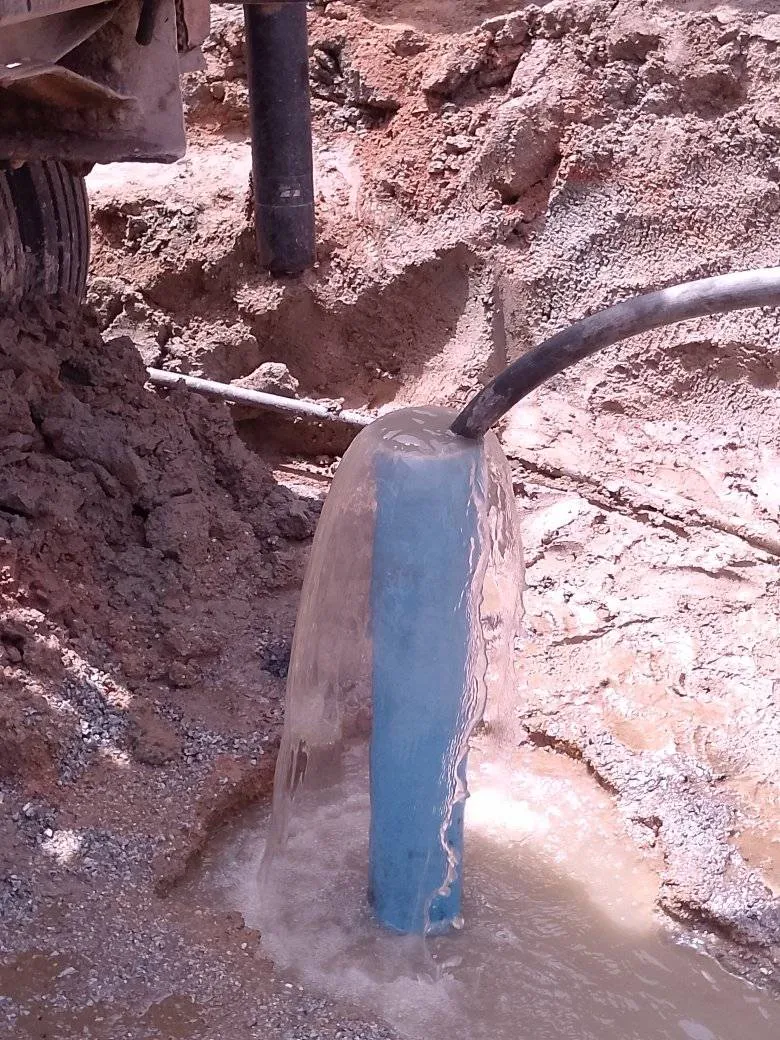
2 inch Unplasticized Polyvinyl Chloride (uPVC) column pipes are critical components in diverse fluid handling systems, ranging from agricultural irrigation and water distribution to industrial chemical conveyance and drainage. These pipes represent a cost-effective and durable alternative to metallic piping solutions, particularly in environments where corrosion resistance is paramount. This guide provides a comprehensive technical overview of 2 inch uPVC column pipes, encompassing material science, manufacturing processes, performance characteristics, potential failure modes, and relevant industry standards. Price competitiveness of factories supplying these pipes is heavily influenced by raw material costs (PVC resin, stabilizers), manufacturing efficiency, and economies of scale. Understanding the technical specifications is essential for procurement professionals to assess value beyond the initial price point and ensure long-term system reliability. The core performance metrics center around pressure rating, tensile strength, impact resistance, and chemical inertness.
Material Science & Manufacturing
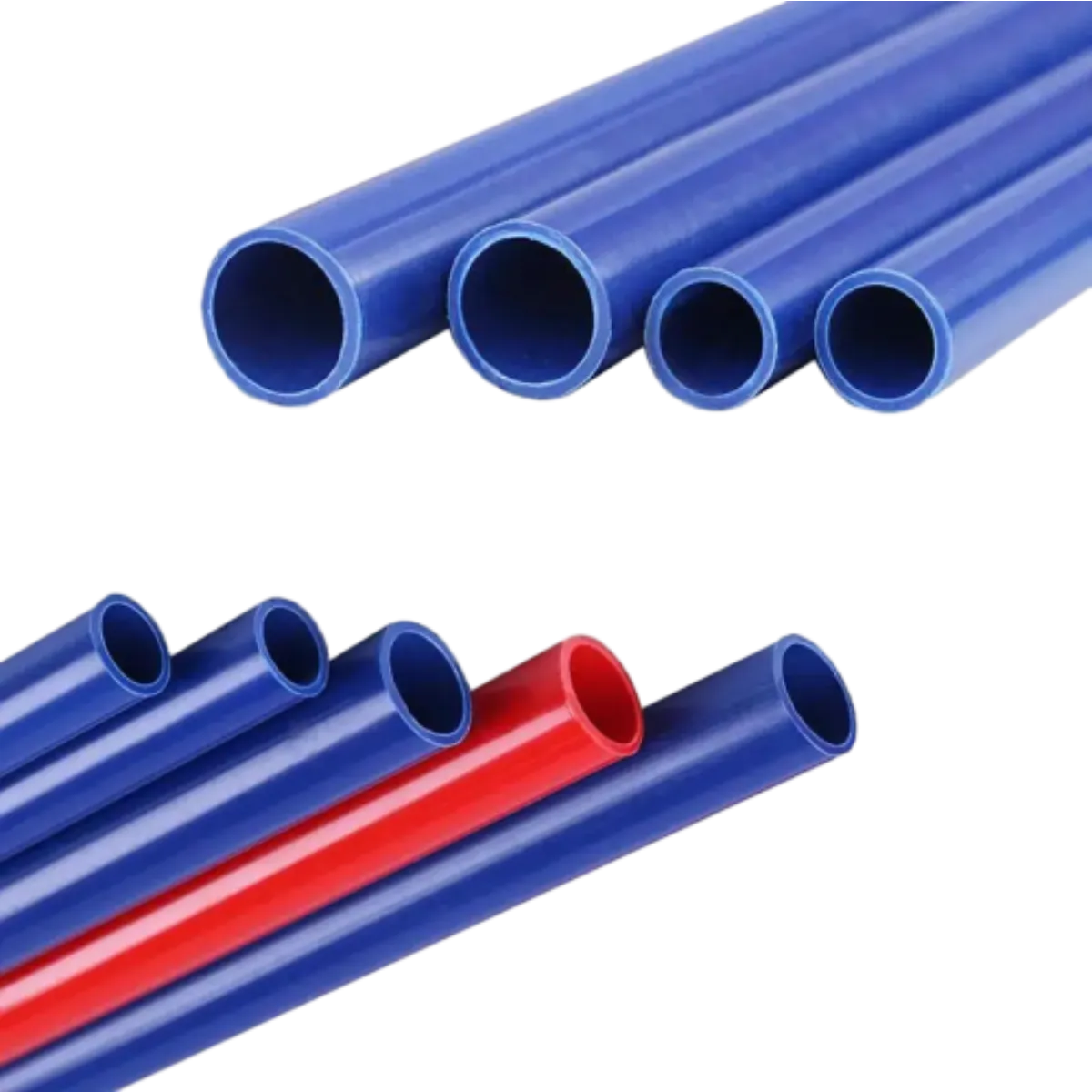
The primary raw material for 2 inch uPVC column pipes is PVC resin, typically sourced as suspension PVC. The PVC resin’s molecular weight and K-value (a measure of molecular weight) significantly influence the pipe's impact strength and processability. Additives crucial to performance include heat stabilizers (often based on calcium-zinc or organotin compounds) to prevent thermal degradation during processing and use, impact modifiers (such as chlorinated polyethylene or acrylic polymers) to enhance toughness, lubricants (typically stearic acid or waxes) to aid processing, and pigments (titanium dioxide is common) for UV resistance and color. Manufacturing generally follows the extrusion process. PVC compound is fed into a twin-screw extruder, where it is heated, mixed, and homogenized. The molten PVC is then forced through a die to form a continuous pipe. Key parameters during extrusion include barrel temperature profile (typically ranging from 180°C to 220°C), screw speed, die pressure, and cooling rate. Precise control of these parameters is vital to ensure consistent wall thickness, dimensional accuracy, and prevent defects like surface cracking or porosity. Post-extrusion, pipes are typically cut to length, marked with specifications, and subjected to quality control checks, including hydrostatic pressure testing and dimensional measurements. The cooling process, often utilizing water tanks, needs to be carefully regulated to avoid warping or internal stresses within the pipe wall.
Performance & Engineering
The performance of 2 inch uPVC column pipes is governed by several engineering principles. Hydrostatic pressure testing, conducted according to standards like ASTM D1785, verifies the pipe's ability to withstand internal fluid pressure without failure. The Short-Term Hydrostatic Strength (STHS) and Long-Term Hydrostatic Strength (LTHS) are critical parameters. Force analysis under load considers hoop stress (tensile stress in the pipe wall due to internal pressure) and longitudinal stress. uPVC's relatively low Young’s modulus necessitates careful consideration of pipe support spacing to prevent excessive deflection and potential buckling, particularly in vertical column applications. Environmental resistance is a key advantage; uPVC is inherently resistant to a wide range of chemicals, including acids, bases, and salts, making it suitable for corrosive environments. However, prolonged exposure to strong oxidizing agents or aromatic hydrocarbons can cause degradation. UV resistance is achieved through the incorporation of UV stabilizers, but extended sunlight exposure without adequate protection can lead to embrittlement. Compliance requirements, dictated by local building codes and industry-specific regulations (e.g., potable water standards like NSF/ANSI 61), must be met. The pipe's ability to maintain structural integrity over its design life (typically 50+ years) is a fundamental performance requirement.
Technical Specifications
| Parameter | Units | Typical Value (Schedule 40) | Typical Value (Schedule 80) |
|---|---|---|---|
| Nominal Pipe Size | inch | 2 | 2 |
| Outside Diameter | mm | 60.3 | 60.3 |
| Wall Thickness | mm | 4.2 | 5.8 |
| Pressure Rating (STHS) | psi | 450 | 600 |
| Pressure Rating (LTHS – 73°F) | psi | 270 | 400 |
| Tensile Strength | MPa | 62 | 62 |
| Impact Strength (Izod Notched) | J/m | 60 | 80 |
Failure Mode & Maintenance
Several failure modes can affect 2 inch uPVC column pipes. Fatigue cracking can occur under cyclic loading, particularly near joints or fittings. Environmental Stress Cracking (ESC) is initiated by the combined action of tensile stress and exposure to certain chemicals. UV degradation leads to embrittlement and reduced impact strength. Thermal deformation can occur at elevated temperatures, causing warping or dimensional changes. Joint failure is common if solvent cementing is improperly performed (insufficient solvent, improper fit, inadequate curing time). Corrosion, while uPVC is generally corrosion-resistant, can be induced by prolonged exposure to specific aggressive chemicals or biological attack. Maintenance involves regular visual inspections for cracks, leaks, or discoloration. Joints should be checked for tightness and integrity. Avoid mechanical damage during handling and installation. For systems conveying potable water, periodic flushing is recommended to prevent biofilm buildup. In situations where chemical exposure is a concern, material compatibility should be verified, and protective coatings or alternative piping materials may be considered. Repairing minor cracks can be attempted with specialized PVC repair compounds, but significant damage typically requires pipe replacement.
Industry FAQ
Q: What is the difference between Schedule 40 and Schedule 80 uPVC pipe, and when would I choose one over the other?
A: Schedule 40 and Schedule 80 refer to the pipe wall thickness. Schedule 80 has a thicker wall and, consequently, a higher pressure rating. Schedule 40 is generally used for lower-pressure applications like irrigation or drainage, where cost is a primary concern. Schedule 80 is preferred for higher-pressure systems, chemical processing, or applications requiring greater mechanical strength and durability.
Q: How does temperature affect the performance of uPVC pipe?
A: uPVC’s mechanical properties degrade at elevated temperatures. While it can handle temperatures up to 140°F (60°C) for short periods, prolonged exposure to higher temperatures can lead to softening, reduced pressure rating, and increased susceptibility to creep. Cold temperatures can also make uPVC more brittle and prone to cracking, especially under impact.
Q: What is the proper procedure for solvent cementing uPVC pipe?
A: Proper solvent cementing is critical for a leak-proof joint. The surfaces must be clean, dry, and free of debris. Apply primer to both the pipe and fitting, followed by a generous coat of solvent cement. Immediately insert the pipe into the fitting with a slight twisting motion, ensuring full seating. Hold the joint firmly for 30 seconds to allow the cement to set. Follow the cement manufacturer’s instructions regarding temperature and curing time.
Q: What are the limitations of uPVC pipe regarding chemical resistance?
A: While uPVC offers excellent resistance to many chemicals, it is susceptible to degradation by strong oxidizing agents, aromatic hydrocarbons, and chlorinated solvents. Compatibility charts should be consulted before using uPVC in chemical processing applications to ensure long-term performance and prevent premature failure.
Q: How do I determine the appropriate pipe support spacing for a vertical uPVC column?
A: Pipe support spacing depends on the fluid temperature, pipe diameter, and the weight of the fluid column. Manufacturers provide guidelines, but a structural analysis should be performed to ensure the pipe doesn't exceed allowable deflection limits. Supports should be located at intervals recommended by the pipe manufacturer and building codes.
Conclusion
2 inch uPVC column pipes offer a compelling combination of cost-effectiveness, corrosion resistance, and ease of installation, making them a favored choice across diverse industries. However, a thorough understanding of material properties, manufacturing nuances, and potential failure modes is critical for ensuring long-term system reliability and maximizing return on investment. Proper selection, installation, and maintenance practices are paramount to mitigating risks and achieving optimal performance.
Future trends in uPVC pipe technology include the development of enhanced formulations with improved impact resistance, UV stability, and chemical compatibility, as well as the integration of smart sensors for leak detection and structural health monitoring. Continued adherence to evolving industry standards and best practices will be essential to ensuring the sustained performance and safety of uPVC piping systems.
-
DN25 HDPE Compression Fitting-HORON INTERNATIONAL|Reliable Irrigation Solutions
NewsFeb.11,2026
-
china 1 2 inch pvc Performance Analysis
News2026-05-21
-
china hdpe pipe joint coupler Performance Analysis
News2026-05-21
-
china ppr pipes and fittings price list Technical Analysis
News2026-05-21
-
china 9 inch pvc pipe price Performance Analysis
News2026-05-21
-
china 2 inch borewell column pipe price Performance Engineering
News2026-05-21
-
china hdpe pipe suppliers Performance Analysis
News2026-05-20
-
china submersible pump column pipe Performance Engineering
News2026-05-20
-
china 8 hdpe corrugated pipe Manufacturing Analysis
News2026-05-20
-
china dual wall hdpe pipe Performance Analysis
News2026-05-20
-
china water lines under sink Performance Analysis
News2026-05-20
-
china ppr pipe used for Material Performance
News2026-05-19
-
china hdpe pipe for sewer line Performance Analysis
News2026-05-19
-
china pvc pipe used for plumbing Technical Analysis
News2026-05-19
-
china hdpe pipe dimensions Technical Analysis
News2026-05-19
-
china kitchen sink water plumbing Performance Analysis
News2026-05-19