

Feb . 11, 2026 00:01 Back to list
discount ppr 3 4 price Performance Analysis
Introduction
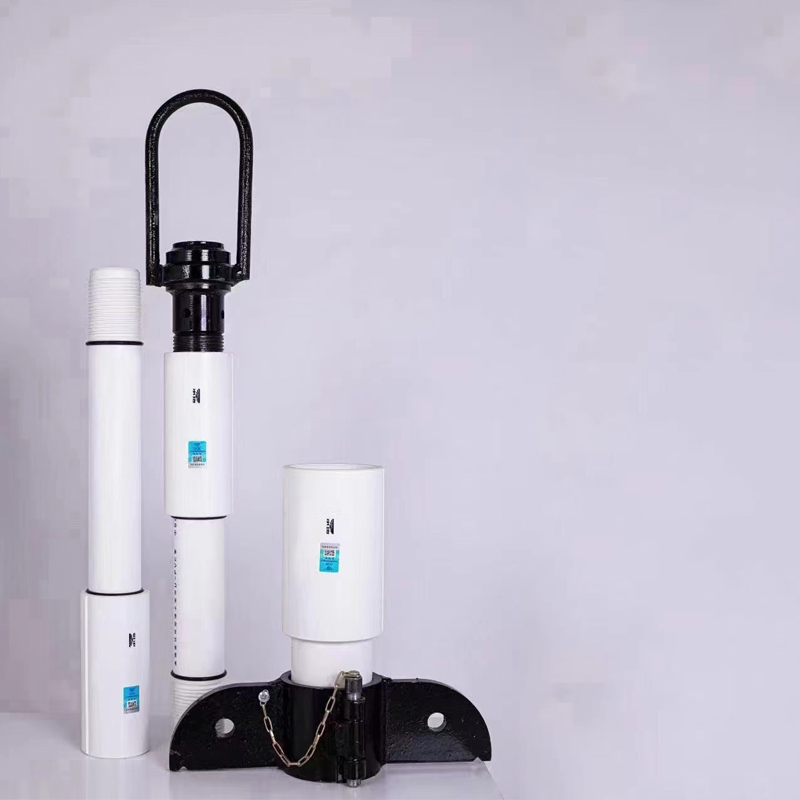
Polypropylene Random Copolymer (PPR) pipe, specifically referencing configurations designated as “3” and “4” (typically denoting diameter in millimeters and pressure rating respectively), represents a significant advancement in fluid transport systems within both industrial and construction sectors. Its widespread adoption is driven by a balance of cost-effectiveness and performance characteristics, offering a corrosion-resistant alternative to traditional metallic piping. This guide provides a comprehensive technical analysis of discount PPR 3 & 4 pipe, focusing on its material properties, manufacturing processes, performance under various conditions, potential failure modes, and relevant industry standards. The term "discount" in this context refers to commercially available options offering price competitiveness without compromising adherence to accepted manufacturing and quality control protocols. This analysis is aimed at procurement managers, engineers, and technical specialists involved in specifying and utilizing PPR piping systems.
Material Science & Manufacturing
PPR pipe derives its properties from polypropylene random copolymer resin. This material is synthesized through the copolymerization of propylene monomer with ethylene, introducing random ethylidene branches along the polymer chain. This random copolymerization disrupts the polymer’s crystallinity, resulting in enhanced impact resistance, flexibility, and weldability compared to homopolymer polypropylene. Raw material quality is paramount; virgin polypropylene resin is preferred, although recycled materials meeting stringent quality criteria can be incorporated. The manufacturing process typically involves extrusion. Granulated PPR resin is fed into an extruder, melted, and forced through a circular die to form the pipe. Critical parameters during extrusion include temperature control (melt temperature typically between 200-240°C), screw speed, and die design. Maintaining consistent temperature profiles is vital to ensure homogenous material distribution and avoid degradation. Pipe diameter control is achieved through precise die sizing and cooling systems. Subsequent to extrusion, the pipe undergoes dimensional inspection and hydrostatic pressure testing to verify structural integrity. Marking the pipe with manufacturer details, diameter, pressure rating, and material specifications is standard practice.
Performance & Engineering
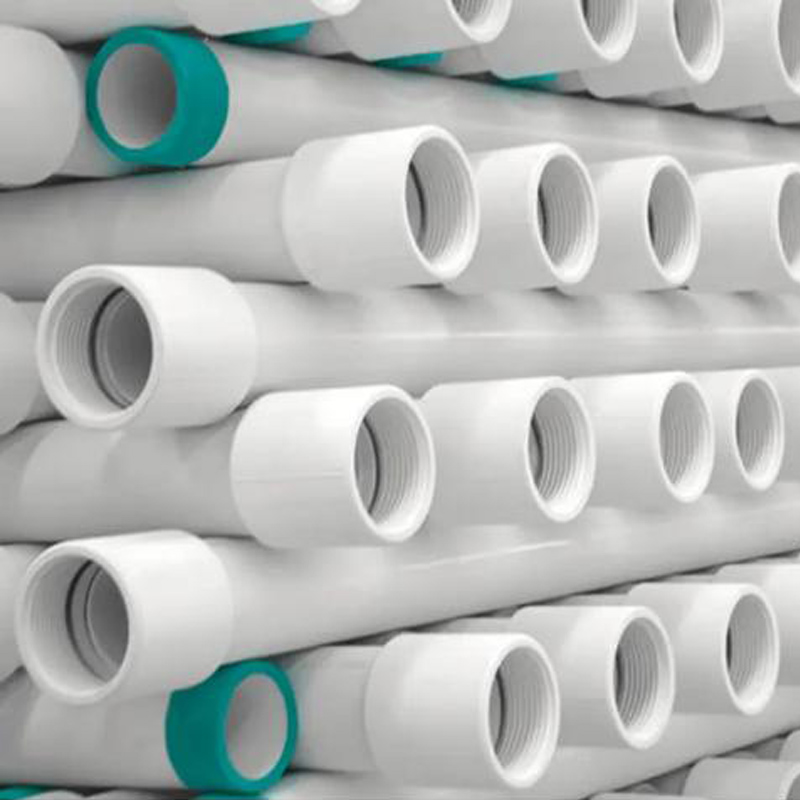
The performance of PPR pipe is governed by several key engineering considerations. Its pressure-bearing capacity is determined by its dimensions (diameter and wall thickness) and the material’s hydrostatic strength. According to ISO 15876, PPR pipe systems are classified based on their System Nominal Pressure (SNP), with PN10, PN16, and PN20 being common ratings. The pipe's resistance to thermal expansion and contraction is also crucial, particularly in hot water applications. A coefficient of linear expansion of approximately 0.15 mm/m°C necessitates the inclusion of expansion loops or flexible connectors within the piping system to prevent stress buildup and potential failure. Chemical resistance is a significant advantage of PPR; it is largely inert to most common chemicals found in water and industrial fluids, excluding strong oxidizing agents. The long-term hydrostatic strength (LTS) is a critical parameter for design, factoring in the effects of sustained pressure and temperature on the material's creep behavior. Force analysis during installation, particularly during socket fusion welding, requires careful consideration of welding parameters (temperature and time) to ensure a homogenous and robust joint without compromising material integrity.
Technical Specifications
| Parameter | PPR 3 (DN20/3/4") | PPR 4 (DN25/1") | Standard Compliance |
|---|---|---|---|
| Nominal Diameter (mm) | 20 | 25 | ISO 15876 |
| Wall Thickness (mm) | 2.3 | 2.8 | DIN 8077/8078 |
| Pressure Rating (PN) | PN16 | PN16 | EN ISO 15876 |
| Hydrostatic Pressure (bar) | 16 (at 20°C) | 16 (at 20°C) | ISO 11671 |
| Operating Temperature (°C) | -20 to +95 | -20 to +95 | DIN 1988 |
| Long Term Hydrostatic Strength (LTS) (bar) | 10 | 10 | ISO 11671 |
Failure Mode & Maintenance
PPR pipe, while durable, is susceptible to certain failure modes. Slow Crack Growth (SCG) is a primary concern, initiated by sustained tensile stress and exposure to certain chemicals (particularly those containing chlorine). This can lead to brittle fracture over time. UV degradation can also occur upon prolonged exposure to sunlight, causing embrittlement and reduced impact resistance. Improper socket fusion welding is a frequent cause of failure, resulting in weak joints prone to leakage or separation. Common weld defects include insufficient fusion, excessive flash, and misalignment. Mechanical damage, such as impact from heavy objects or excessive bending during installation, can also cause cracking or rupture. Maintenance involves regular visual inspections for leaks, cracks, and signs of UV degradation. Minor leaks can often be repaired using appropriate PPR repair fittings and solvent cement. For significant damage or SCG, replacement of the affected pipe section is recommended. Preventative measures include protecting the pipe from direct sunlight, ensuring proper welding techniques, and avoiding excessive mechanical stress during installation and operation.
Industry FAQ
Q: What is the impact of water hammer on PPR piping systems?
A: Water hammer, the pressure surge resulting from sudden changes in flow velocity, can impose significant stress on PPR pipe and joints. While PPR possesses reasonable impact resistance, repeated or severe water hammer events can lead to premature failure, particularly at welded joints. Mitigation strategies include the installation of water hammer arrestors, slow-closing valves, and proper pipe anchoring to minimize vibrations.
Q: Can PPR pipe be used for compressed air applications?
A: Generally, PPR pipe is not recommended for compressed air applications. While it can withstand some pressure, the risk of brittle fracture due to the pulsating nature of compressed air and the potential for moisture ingress is too high. Dedicated compressed air piping materials, such as aluminum or stainless steel, are preferred.
Q: What are the temperature limitations for hot water applications with PPR?
A: PPR pipe is typically rated for continuous operation at temperatures up to 95°C. However, prolonged exposure to temperatures approaching this limit can reduce the pipe's long-term hydrostatic strength. It's crucial to consult the manufacturer's specifications for specific temperature derating factors and ensure the system is designed accordingly.
Q: How does the quality of the welding equipment affect joint integrity?
A: The welding equipment’s precision temperature control and consistent heating element performance are critical for achieving reliable socket fusion welds. Inferior equipment can lead to under-welding, over-welding, or uneven heating, resulting in weak joints prone to leakage. Calibration and maintenance of welding equipment are essential.
Q: What is the role of expansion compensation in PPR piping systems?
A: PPR pipe exhibits a relatively high coefficient of thermal expansion. Without adequate expansion compensation (e.g., expansion loops, flexible connectors), thermal stresses can build up within the system as temperature fluctuates, leading to pipe deformation, joint stress, and potential failure. Properly designed expansion compensation is vital for long-term system reliability.
Conclusion
Discount PPR 3 and 4 pipe offers a compelling combination of cost-effectiveness, corrosion resistance, and ease of installation for fluid transport applications. However, realizing its full potential necessitates a thorough understanding of its material properties, manufacturing nuances, and performance limitations. Adherence to established industry standards, meticulous installation practices—particularly proper socket fusion welding—and proactive maintenance are paramount to ensure long-term system integrity and prevent premature failure.
Future advancements in PPR technology may focus on enhancing its UV resistance, improving its resistance to specific chemical environments, and developing more robust welding techniques. Continuous monitoring of material performance and refinement of design guidelines will further solidify PPR’s position as a dependable and versatile piping solution across a diverse range of industries.
-
DN25 HDPE Compression Fitting-HORON INTERNATIONAL|Reliable Irrigation Solutions
NewsFeb.11,2026
-
discount ppr 3 4 price Performance Analysis
News2026-06-17
-
discount hdpe pipe connectors Material Performance
News2026-06-17
-
discount submersible column pipe Performance Analysis
News2026-06-17
-
discount ppr flexible pipe Performance Analysis
News2026-06-17
-
discount column pipe for submersible pump Performance Analysis
News2026-06-17
-
china flexible pvc tubing Performance Analysis
News2026-06-16
-
china water pipe kitchen sink Material Performance
News2026-06-16
-
china upvc column pipes for submersible pumps Performance Analysis
News2026-06-16
-
china 36 hdpe corrugated pipe Manufacturing Analysis
News2026-06-16
-
china kitchen sink water pipe Performance Analysis
News2026-06-16
-
china 90mm pvc pipe Performance Analysis
News2026-06-15
-
china ppr polypropylene pipe Technical Analysis
News2026-06-15
-
china hdpe pipe sizes and prices Performance Analysis
News2026-06-15
-
china hdpe quick coupling Performance Analysis
News2026-06-15
-
china ppr water line Performance Analysis
News2026-06-15