

Feb . 11, 2026 00:01 Back to list
discount hdpe pipe connectors Material Performance
Introduction
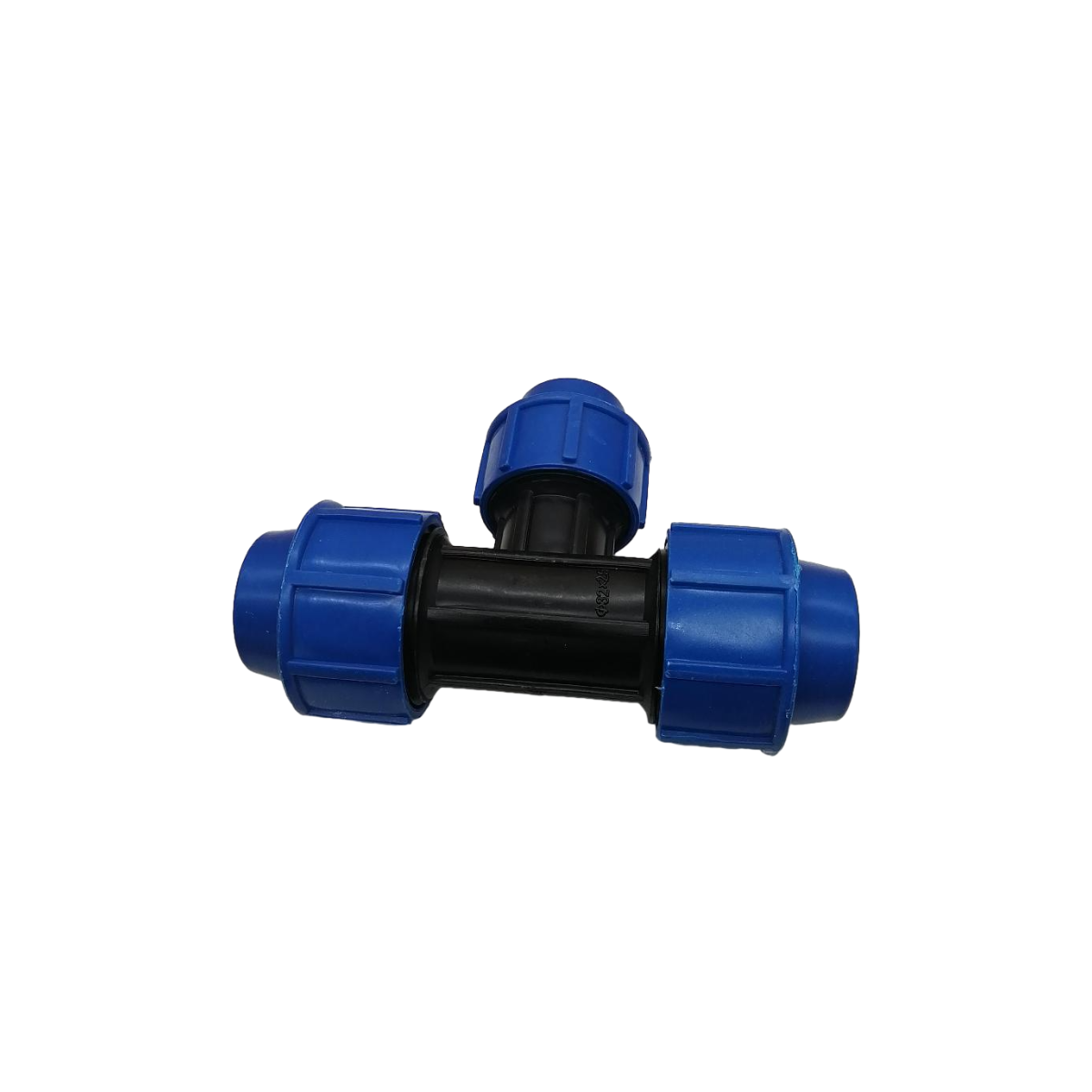
High-Density Polyethylene (HDPE) pipe connectors represent a critical component in fluid conveyance systems across diverse industries, including municipal water distribution, irrigation, mining, and gas transportation. These connectors, often utilizing electrofusion, butt fusion, or mechanical joining techniques, provide a secure and leak-proof interface between HDPE pipes. Discount HDPE pipe connectors, while offering a cost-effective solution, require a thorough understanding of material properties, manufacturing processes, and performance characteristics to ensure long-term system integrity. This technical guide provides a comprehensive analysis of HDPE pipe connectors, covering material science, manufacturing, performance criteria, potential failure modes, and relevant industry standards. The proliferation of lower-cost connectors necessitates careful evaluation to mitigate risks associated with substandard materials and manufacturing.
Material Science & Manufacturing
HDPE connectors are predominantly manufactured from high-density polyethylene resins, typically conforming to PE100 or PE80 classifications according to ISO 4427. The raw material's molecular weight distribution, density (typically between 0.931 and 0.965 g/cm³), and melt flow index (MFI) are critical parameters influencing the connector's mechanical properties and weldability. Manufacturing processes commonly employed include injection molding for smaller fittings and compression molding for larger components. Electrofusion fittings, a widely used type, require precise control of heating parameters – voltage, current, and duration – to achieve optimal fusion with the pipe. Butt fusion connectors necessitate strict adherence to surface preparation procedures (cleaning and facing) and precise control of temperature and pressure during the fusion process. Improper welding parameters can lead to under-fusion or over-fusion, compromising joint strength. The chemical resistance of HDPE is excellent, resisting most acids, alkalis, and solvents; however, prolonged exposure to oxidizing agents can cause degradation. The addition of carbon black provides UV resistance, extending the lifespan of connectors exposed to sunlight. Quality control during manufacturing includes dimensional checks, hydrostatic pressure testing, and impact resistance testing to ensure compliance with industry standards.
Performance & Engineering
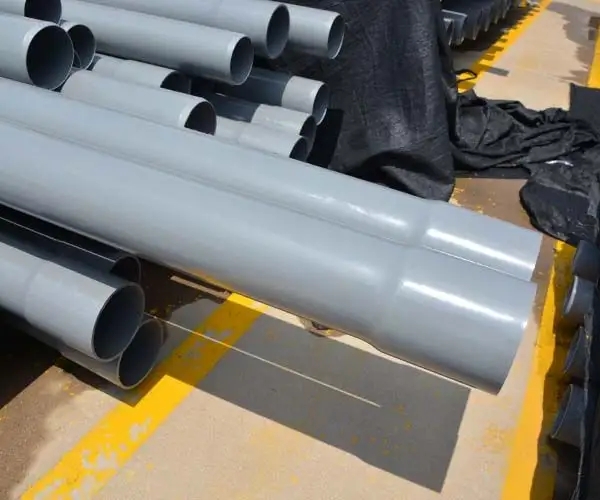
The performance of HDPE pipe connectors is governed by several key engineering principles. Stress analysis, particularly finite element analysis (FEA), is crucial for optimizing connector geometry and ensuring adequate load-bearing capacity under internal pressure, external loads, and thermal stresses. The long-term hydrostatic strength (LTHS) of the connector material, determined according to ISO 1167, dictates the maximum allowable operating pressure over a specified design life (typically 50 years). Creep resistance, the tendency of the material to deform under sustained load, is a critical consideration, especially in applications involving continuous pressure. Environmental stress cracking (ESC), caused by the combined action of stress and aggressive chemicals, is a potential failure mechanism that necessitates careful material selection and system design. Connectors must also exhibit adequate impact resistance, particularly in applications prone to accidental damage. The compatibility of the connector material with the transported fluid is paramount to prevent corrosion or contamination. For buried pipelines, connectors must withstand soil loads and potential settlement. The design of mechanical connectors (e.g., flanged or threaded) must account for gasket performance and bolt tightening torque to ensure a leak-proof seal.
Technical Specifications
| Parameter | Unit | PE100 Connector | PE80 Connector |
|---|---|---|---|
| Material Designation | - | PE100 | PE80 |
| Density | g/cm³ | 0.955 – 0.965 | 0.931 – 0.955 |
| Minimum Burst Pressure | MPa | 12.4 | 10.0 |
| Long-Term Hydrostatic Strength (50 years, 20°C) | MPa | 8.0 | 6.3 |
| Impact Resistance (Charpy, -20°C) | kJ/m² | > 50 | > 30 |
| Operating Temperature Range | °C | -40 to +60 | -40 to +40 |
Failure Mode & Maintenance
HDPE pipe connectors are susceptible to several failure modes. Slow crack growth (SCG), initiated by residual stresses or environmental factors, can lead to catastrophic failure over time. Brittle fracture, particularly at low temperatures, can occur due to impact damage or material defects. Corrosion, while HDPE itself is corrosion-resistant, can affect metallic components within the connector (e.g., bolts in flanged connections). Delamination can occur in electrofusion fittings due to improper welding parameters or material incompatibility. UV degradation can embrittle the material, reducing its impact resistance. Joint separation can occur in mechanical connectors due to gasket failure or loosening of bolts. Preventative maintenance includes regular visual inspections for cracks, deformation, or corrosion. Hydrostatic testing can identify leaks or weaknesses in the system. Proper installation procedures, including adequate surface preparation and adherence to welding parameters, are crucial for preventing premature failure. For electrofusion fittings, ensuring the correct fusion time and voltage settings based on the fitting size and pipe dimensions is paramount. Regular torque checks on bolted connections are essential to maintain gasket compression. Prompt repair or replacement of damaged components is critical to prevent escalation of failure.
Industry FAQ
Q: What are the key differences between PE80 and PE100 connectors, and how do these differences impact long-term performance?
A: PE100 connectors offer significantly higher long-term hydrostatic strength (LTHS) compared to PE80 connectors. This translates to a longer service life and the ability to withstand higher operating pressures. PE100 also exhibits improved resistance to slow crack growth and environmental stress cracking, making it a more reliable choice for critical applications.
Q: How can I ensure proper electrofusion welding of HDPE connectors?
A: Proper electrofusion welding requires meticulous adherence to the manufacturer's specifications. This includes ensuring the pipe and fitting surfaces are clean and dry, selecting the correct fusion time and voltage based on the fitting size and pipe dimensions, and verifying the weld quality through visual inspection and, if necessary, non-destructive testing.
Q: What is the significance of the SDR (Standard Dimension Ratio) rating for HDPE pipe and connectors?
A: The SDR rating is a dimensionless ratio that defines the relationship between the pipe's outer diameter and its wall thickness. A lower SDR value indicates a thicker wall and, consequently, a higher pressure rating. Connectors must have an SDR rating compatible with the pipe they are joining to ensure a structurally sound system.
Q: What measures can be taken to mitigate the risk of environmental stress cracking (ESC) in HDPE pipe systems?
A: ESC can be minimized by selecting PE100 materials, avoiding exposure to aggressive chemicals, reducing stress concentrations in the system (e.g., through proper support and anchoring), and controlling the operating temperature.
Q: What are the common causes of leakage at mechanical connections (e.g., flanged joints) in HDPE pipe systems?
A: Common causes include improper gasket selection, inadequate gasket compression due to insufficient bolt tightening torque, damage to the gasket during installation, and corrosion of the flange surfaces. Regular torque checks and periodic gasket replacement are essential preventative measures.
Conclusion
HDPE pipe connectors are integral components in numerous fluid conveyance applications, offering a compelling combination of corrosion resistance, durability, and cost-effectiveness. However, the performance and longevity of these connectors are critically dependent on material selection, manufacturing quality, proper installation procedures, and adherence to relevant industry standards. Discount HDPE pipe connectors, while potentially offering initial cost savings, demand rigorous quality control and thorough engineering evaluation to mitigate the risk of premature failure and ensure long-term system reliability.
Continued advancements in HDPE materials and welding technologies will further enhance the performance and expand the application range of these essential components. Focusing on robust quality assurance programs, comprehensive training for installation personnel, and diligent maintenance practices will maximize the lifecycle of HDPE pipe systems and minimize the risk of costly repairs or replacements.
-
DN25 HDPE Compression Fitting-HORON INTERNATIONAL|Reliable Irrigation Solutions
NewsFeb.11,2026
-
discount ppr 3 4 price Performance Analysis
News2026-06-17
-
discount hdpe pipe connectors Material Performance
News2026-06-17
-
discount submersible column pipe Performance Analysis
News2026-06-17
-
discount ppr flexible pipe Performance Analysis
News2026-06-17
-
discount column pipe for submersible pump Performance Analysis
News2026-06-17
-
china flexible pvc tubing Performance Analysis
News2026-06-16
-
china water pipe kitchen sink Material Performance
News2026-06-16
-
china upvc column pipes for submersible pumps Performance Analysis
News2026-06-16
-
china 36 hdpe corrugated pipe Manufacturing Analysis
News2026-06-16
-
china kitchen sink water pipe Performance Analysis
News2026-06-16
-
china 90mm pvc pipe Performance Analysis
News2026-06-15
-
china ppr polypropylene pipe Technical Analysis
News2026-06-15
-
china hdpe pipe sizes and prices Performance Analysis
News2026-06-15
-
china hdpe quick coupling Performance Analysis
News2026-06-15
-
china ppr water line Performance Analysis
News2026-06-15