

Feb . 11, 2026 00:01 Back to list
discount column pipe for submersible pump Performance Analysis
Introduction
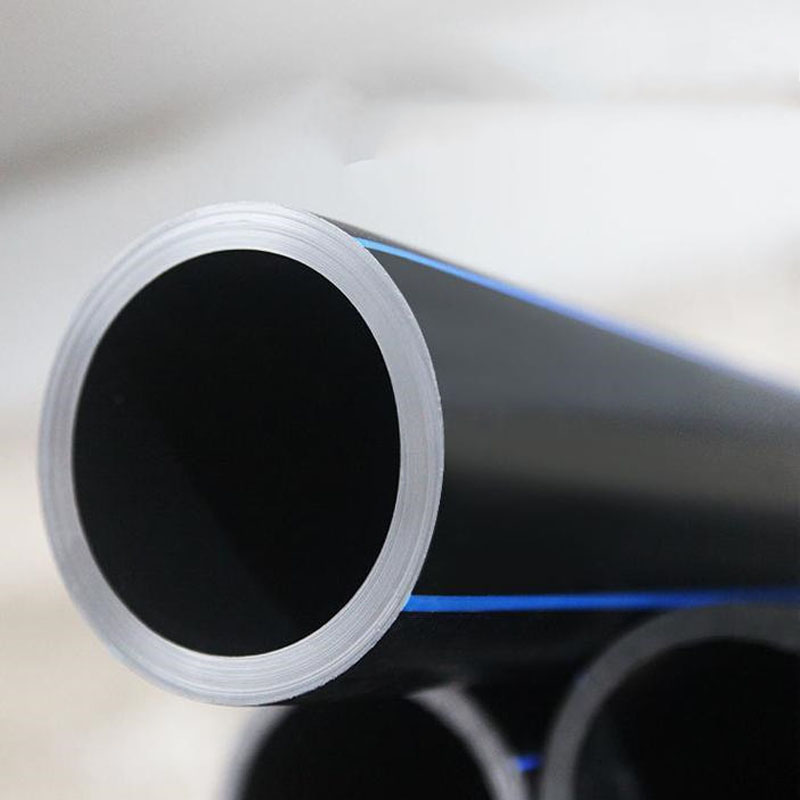
Discount column pipe for submersible pumps is a critical component in well construction and water extraction systems. Positioned within the borehole, it provides a structurally sound conduit for the pump column, transferring power and hydraulic fluid while supporting the entire weight of the submersible pump assembly. Unlike casing pipe designed for zonal isolation, column pipe is engineered specifically for tensile strength, corrosion resistance in aggressive downhole environments, and dimensional stability under sustained loads. The industry faces consistent challenges related to cost-effective materials capable of enduring prolonged exposure to abrasive solids, varying water chemistries, and cyclical stress from pump operation. Proper column pipe selection directly impacts pump efficiency, reliability, and overall operational expenditure. This guide provides a comprehensive technical overview of discount column pipe, covering material science, manufacturing processes, performance characteristics, failure modes, and relevant industry standards.
Material Science & Manufacturing
The predominant material for discount column pipe is carbon steel, specifically grades like ASTM A53, A106 Grade B, and API 5L X42. These steels offer a balance of tensile strength, weldability, and cost-effectiveness. The manufacturing process typically begins with seamless or welded steel tubes. Seamless pipe is preferred for higher pressure applications due to the absence of weld seams, eliminating potential failure initiation points. Welded pipe undergoes rigorous non-destructive testing (NDT), including ultrasonic testing (UT) and radiographic testing (RT), to ensure weld integrity. Following tube formation, the pipe is subjected to heat treatment – normalizing or quenching and tempering – to refine the grain structure and enhance mechanical properties. Critical parameters during heat treatment include temperature control, holding time, and cooling rate. External coatings are applied to enhance corrosion resistance. Common coatings include epoxy resin, polyethylene, and fusion-bonded epoxy (FBE). Internally, a cement lining may be applied in certain applications to mitigate corrosion and prevent scale buildup. Dimensional accuracy is paramount; precise outer diameter (OD) and wall thickness are maintained through continuous gauging and quality control checks throughout the manufacturing process. Thread cutting for connections is performed with high-precision CNC machines, ensuring accurate thread geometry and tight coupling. The chemical composition of the steel is crucial. Controlling the levels of carbon, manganese, silicon, phosphorus, and sulfur directly affects weldability, ductility, and susceptibility to hydrogen embrittlement. The yield strength of the steel dictates the load-bearing capacity of the column pipe. Hardness testing (Rockwell or Brinell) is routinely performed to verify material hardness and correlation with tensile strength.

Performance & Engineering
The primary engineering consideration for column pipe is tensile strength, which must exceed the combined weight of the pump, motor, cable, and fluid column. Force analysis incorporates factors of safety to account for dynamic loading from pump start-up/shutdown, fluid surges, and potential vibration. Buckling is another critical failure mode, particularly in deviated wells. The pipe's stiffness (Young’s modulus) and diameter influence its resistance to buckling. Finite element analysis (FEA) is often employed to model stress distribution and predict buckling behavior under various loading conditions. Corrosion resistance is crucial, especially in wells containing corrosive gases (H2S, CO2) or high chloride concentrations. Cathodic protection, utilizing sacrificial anodes, is often implemented to mitigate corrosion. The electrochemical potential of the steel in the wellbore fluid is monitored to assess the effectiveness of cathodic protection. Electrical conductivity of the column pipe is also important for powering the submersible pump. The pipe must provide a low-resistance path for electrical current. Temperature considerations are significant, as high temperatures can reduce the steel’s yield strength and accelerate corrosion rates. The design must account for the maximum anticipated wellbore temperature. Furthermore, the pipe must withstand internal pressure resulting from hydrostatic head and potential gas pockets. The pipe’s pressure rating must exceed the maximum anticipated internal pressure. Compliance requirements, such as API SPEC 5CT (Specification for Casing and Tubing), dictate minimum acceptable performance standards for strength, corrosion resistance, and dimensional accuracy. The manufacturing process must adhere to stringent quality control procedures to ensure compliance.
Technical Specifications
| Parameter | Unit | ASTM A53 Grade B | API 5L X42 |
|---|---|---|---|
| Yield Strength (Minimum) | psi | 36,000 | 42,000 |
| Tensile Strength (Minimum) | psi | 58,000 | 65,000 |
| Elongation (Minimum) | % | 22 | 20 |
| Outside Diameter | inches | 2.375 - 4.500 | 2.375 - 8.625 |
| Wall Thickness | inches | 0.154 - 0.500 | 0.140 - 0.750 |
| Corrosion Rate (CO2 environment) | mm/year | 0.1 - 0.5 | 0.05 - 0.3 |
Failure Mode & Maintenance
Common failure modes for discount column pipe include fatigue cracking from cyclic loading, corrosion-induced pitting and perforation, stress corrosion cracking (SCC) in the presence of corrosive agents, and thread failures due to improper installation or overloading. Fatigue cracking often initiates at stress concentrators, such as weld seams or dents. Corrosion pitting can lead to localized wall thinning and eventual perforation. SCC is particularly prevalent in environments containing chlorides, sulfides, and CO2. Thread failures can result from galling, stripping, or cross-threading. Regular inspection programs are essential for detecting and mitigating potential failures. Non-destructive testing (NDT) methods, such as ultrasonic testing (UT) and magnetic particle inspection (MPI), are used to identify cracks, corrosion, and other defects. Internal inspection tools, including caliper logs and electrochemical corrosion monitoring probes, can assess the condition of the pipe’s inner surface. Preventive maintenance includes applying corrosion inhibitors, monitoring wellbore fluid chemistry, and implementing proper installation procedures. Damaged pipe sections should be replaced promptly. Proper lubrication of threads during installation is critical to prevent galling. Regular torque checks ensure that connections remain tight. In the event of a failure, a thorough failure analysis should be conducted to determine the root cause and prevent recurrence. This analysis includes metallurgical examination, corrosion analysis, and stress analysis. Proper storage of spare pipe is also essential to prevent corrosion and damage.
Industry FAQ
Q: What is the impact of dissolved gases (H2S, CO2) on column pipe lifespan?
A: Dissolved gases, particularly H2S and CO2, significantly accelerate corrosion rates. CO2 forms carbonic acid, leading to general corrosion. H2S contributes to sulfide stress cracking (SSC) and promotes pitting corrosion. Mitigation strategies include using corrosion-resistant alloys, applying corrosion inhibitors, and implementing cathodic protection.
Q: How does well deviation affect column pipe selection and design?
A: Increased well deviation introduces higher bending stresses on the column pipe. This necessitates the use of higher-grade steel with increased yield strength and/or a larger pipe diameter to resist buckling. FEA is crucial for analyzing stress distribution in deviated wells.
Q: What are the critical considerations for selecting pipe coatings?
A: Coating selection depends on the wellbore fluid chemistry, temperature, and anticipated abrasion levels. Epoxy resins offer good general corrosion resistance. Polyethylene provides excellent resistance to abrasion and impact. FBE provides superior adhesion and long-term corrosion protection. Compatibility with wellbore fluids must be verified.
Q: What are the best practices for thread inspection and installation?
A: Threads should be inspected visually for damage and cleaned thoroughly before installation. Lubricants specifically designed for oilfield applications should be used. Proper torque should be applied using a calibrated torque wrench, following manufacturer's recommendations. Galling can be prevented by using anti-galling compounds.
Q: What NDT methods are most effective for detecting corrosion in column pipe?
A: Ultrasonic testing (UT) is highly effective for detecting wall thinning due to corrosion. Magnetic particle inspection (MPI) can detect surface cracks and near-surface corrosion. Radiographic testing (RT) provides a comprehensive view of weld integrity and corrosion extent, though it requires radiation safety precautions.
Conclusion
Discount column pipe selection and maintenance represent a significant aspect of submersible pump system integrity. A comprehensive understanding of material science, manufacturing processes, and failure mechanisms is essential for ensuring reliable operation and minimizing downtime. Factors such as tensile strength, corrosion resistance, and dimensional accuracy must be carefully considered based on specific wellbore conditions and operational demands. Proper application of industry standards, rigorous inspection protocols, and preventative maintenance strategies are paramount to extending the lifespan of the column pipe and optimizing overall system performance.
Future advancements will likely focus on the development of novel corrosion-resistant alloys, improved coating technologies, and advanced monitoring systems for real-time assessment of column pipe condition. These innovations will contribute to reduced operational costs, enhanced safety, and increased efficiency in subsurface pumping operations. A proactive approach to risk management, combined with continuous improvement in materials and practices, will be crucial for addressing the evolving challenges faced by the oil and gas industry.
-
DN25 HDPE Compression Fitting-HORON INTERNATIONAL|Reliable Irrigation Solutions
NewsFeb.11,2026
-
discount ppr 3 4 price Performance Analysis
News2026-06-17
-
discount hdpe pipe connectors Material Performance
News2026-06-17
-
discount submersible column pipe Performance Analysis
News2026-06-17
-
discount ppr flexible pipe Performance Analysis
News2026-06-17
-
discount column pipe for submersible pump Performance Analysis
News2026-06-17
-
china flexible pvc tubing Performance Analysis
News2026-06-16
-
china water pipe kitchen sink Material Performance
News2026-06-16
-
china upvc column pipes for submersible pumps Performance Analysis
News2026-06-16
-
china 36 hdpe corrugated pipe Manufacturing Analysis
News2026-06-16
-
china kitchen sink water pipe Performance Analysis
News2026-06-16
-
china 90mm pvc pipe Performance Analysis
News2026-06-15
-
china ppr polypropylene pipe Technical Analysis
News2026-06-15
-
china hdpe pipe sizes and prices Performance Analysis
News2026-06-15
-
china hdpe quick coupling Performance Analysis
News2026-06-15
-
china ppr water line Performance Analysis
News2026-06-15