

Feb . 11, 2026 00:01 Back to list
china 90mm pvc pipe Performance Analysis
Introduction
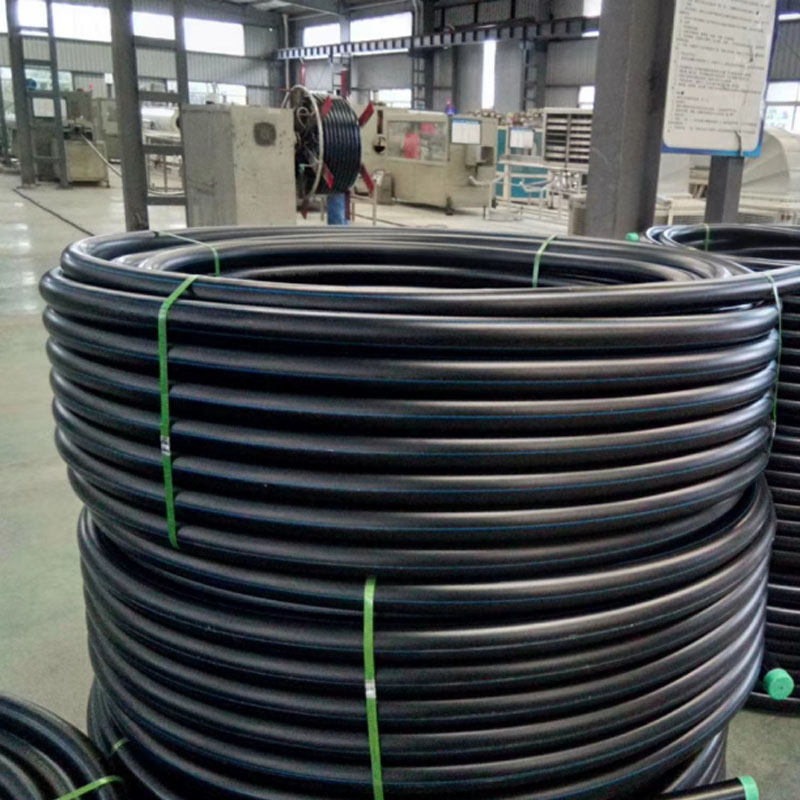
90mm Polyvinyl Chloride (PVC) pipe manufactured in China represents a significant component in fluid conveyance systems globally. Positioned within the broader building materials and infrastructure supply chain, it serves primarily for non-pressure applications such as drainage, sewage, irrigation, and ventilation. The product’s technical position hinges on its cost-effectiveness, corrosion resistance, and ease of installation, though performance characteristics are directly tied to the quality of the PVC resin used and adherence to manufacturing standards. Core performance indicators include pressure rating (typically low for 90mm diameters), flow capacity, and long-term durability against chemical and environmental stressors. Understanding these elements is critical for successful integration into large-scale projects, mitigating the risks of premature failure, and ensuring operational longevity. A key pain point for procurement managers is consistent quality control due to the large number of manufacturers in China, leading to variability in material properties and dimensional accuracy.
Material Science & Manufacturing
The primary raw material for 90mm PVC pipe is Polyvinyl Chloride, a thermoplastic polymer produced via the polymerization of vinyl chloride monomer (VCM). PVC exhibits inherent rigidity, which is modified through the addition of plasticizers – typically phthalates or alternatives – to enhance flexibility and impact resistance. The grade of PVC used (e.g., Schedule 40, Schedule 80, or variations dependent on Chinese national standards) dictates the wall thickness and resulting pressure bearing capacity. Other additives include stabilizers (often lead-based, though increasingly replaced with calcium-zinc formulations for environmental reasons), lubricants to aid processing, and pigments for color. Manufacturing typically employs extrusion molding. PVC compound is fed into an extruder, where it’s heated, melted, and forced through a die to form a continuous pipe profile. Precise temperature control is crucial, preventing degradation of the PVC while ensuring complete fusion. Cooling is achieved through water baths, followed by sizing and cutting to desired lengths. Key parameters include extrusion temperature (180-220°C), die pressure, and cooling water temperature. Dimensional accuracy and wall thickness uniformity are verified through online monitoring and rigorous quality control checks. The material's tensile strength is generally between 50-70 MPa, and its elongation at break ranges from 150-300%, depending on the formulation. Chemical compatibility is good with most acids and bases, but prolonged exposure to strong oxidizing agents or aromatic hydrocarbons should be avoided.
Performance & Engineering
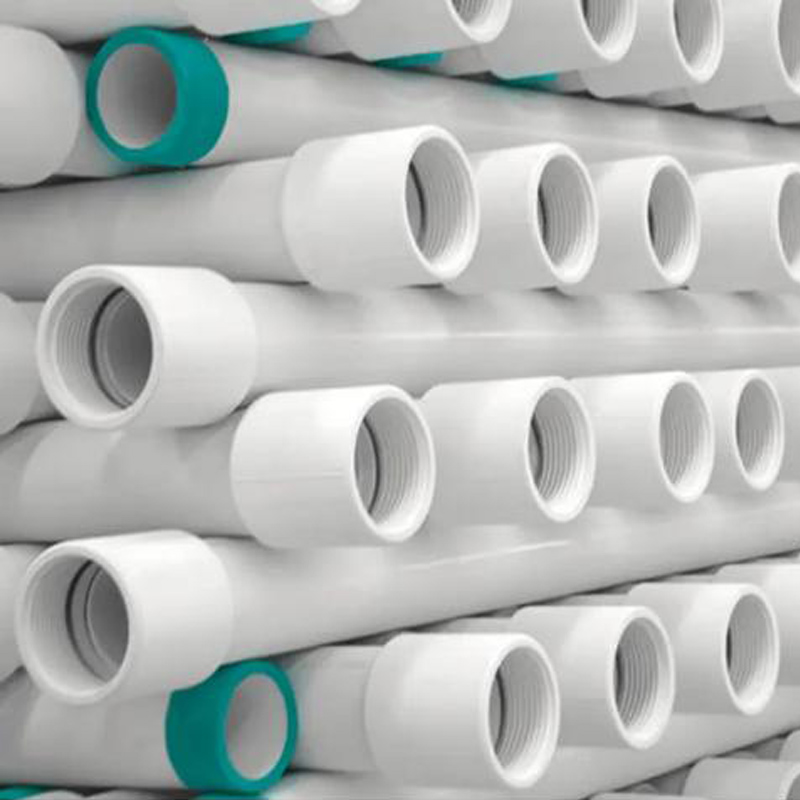
The performance of 90mm PVC pipe is heavily influenced by hydrostatic pressure, soil loading (for buried applications), and temperature fluctuations. Force analysis considers hoop stress resulting from internal pressure and longitudinal stress from axial loads. The pipe’s resistance to collapse under external loads is governed by its D/D ratio (diameter to wall thickness). Environmental resistance encompasses UV degradation, which can cause embrittlement and discoloration, and chemical attack from soil contaminants or transported fluids. For drainage and sewage applications, the pipe must withstand the corrosive effects of wastewater. Compliance requirements typically adhere to Chinese national standards (GB) relating to PVC pipe specifications, as well as international standards like ASTM D1785 and EN 1401. Engineering considerations also include thermal expansion and contraction. PVC has a relatively high coefficient of thermal expansion (approximately 8 x 10⁻⁵ /°C), necessitating expansion joints or flexible couplings in long pipeline runs to prevent stress cracking. Jointing methods, such as solvent welding or rubber ring joints, must provide a watertight seal and maintain structural integrity. Fatigue performance is critical for applications involving cyclical loading or vibration; repeated stress can lead to crack initiation and propagation. Proper bedding and backfilling procedures are essential for buried pipes to distribute loads evenly and prevent localized stress concentrations.
Technical Specifications
| Parameter | Unit | Typical Value (Schedule 40) | Typical Value (Schedule 80) |
|---|---|---|---|
| Nominal Diameter | mm | 90 | 90 |
| Outside Diameter | mm | 93.5 | 93.5 |
| Wall Thickness | mm | 3.2 | 4.2 |
| Pressure Rating | MPa | 0.6 | 1.0 |
| Tensile Strength | MPa | 60 | 62 |
| Elongation at Break | % | 250 | 220 |
| Impact Strength (Charpy, 20°C) | kJ/m2 | 5 | 8 |
Failure Mode & Maintenance
Common failure modes for 90mm PVC pipe include cracking due to stress corrosion, particularly in environments with aggressive chemicals; impact damage from external forces during handling or operation; and UV degradation leading to embrittlement and cracking. Long-term creep deformation can occur under sustained loads, especially at elevated temperatures, potentially leading to pipe ovalization and joint leakage. Delamination can occur in substandard pipes with insufficient fusion during extrusion. Failure analysis often reveals cracks initiating at stress concentration points, such as fittings or areas with surface imperfections. Maintenance involves regular visual inspection for cracks, leaks, and signs of degradation. Joints should be checked for tightness and proper sealing. For buried pipes, proper backfilling and compaction are crucial to prevent soil loading-induced failures. Periodic cleaning to remove debris and obstructions is also recommended to maintain flow capacity. If cracking is detected, sections of pipe should be replaced using appropriate joining methods. Preventative measures include UV stabilization through coatings or additives, proper bedding and backfilling procedures, and selection of PVC compounds suitable for the specific application environment. Avoid using abrasive cleaning methods that can damage the pipe surface.
Industry FAQ
Q: What is the expected service life of a 90mm PVC pipe installed in a typical residential drainage system?
A: Assuming proper installation, material quality compliant with GB/T 10002.1-2006, and a non-aggressive soil environment, a 90mm PVC pipe can realistically be expected to have a service life of 50-100 years. However, factors such as UV exposure, chemical attack from unusual wastewater constituents, and physical damage can significantly reduce this lifespan. Regular inspections are crucial.
Q: How does the choice of plasticizer affect the long-term performance of the PVC pipe?
A: The type of plasticizer significantly impacts the pipe's flexibility and resistance to cracking. Phthalate plasticizers were traditionally used but are facing increasing regulatory scrutiny due to health concerns. Alternatives, such as DINP and DOTP, offer improved environmental profiles but may have slightly different performance characteristics, including lower low-temperature flexibility. The migration rate of the plasticizer also affects long-term performance, as loss of plasticizer leads to embrittlement.
Q: What are the primary differences between Schedule 40 and Schedule 80 PVC pipe, and when would you choose one over the other?
A: Schedule 80 pipe has a thicker wall than Schedule 40, resulting in a higher pressure rating and greater impact resistance. Schedule 40 is generally used for lower-pressure, non-critical applications like drainage and irrigation. Schedule 80 is preferred for applications requiring higher pressure capacity, such as industrial process lines or compressed air systems. Cost is also a factor; Schedule 80 is more expensive.
Q: How important is the quality of the solvent cement used for joining PVC pipes?
A: The quality of the solvent cement is paramount. Inferior cements may not create a proper weld, leading to leaks and premature failure. The cement must be specifically formulated for PVC, compatible with the pipe material, and applied according to the manufacturer's instructions. Proper surface preparation (cleaning and priming) is also critical for achieving a strong, reliable joint.
Q: What testing procedures are typically used to verify the quality of 90mm PVC pipe during manufacturing?
A: Common testing procedures include hydrostatic pressure testing to verify burst pressure, impact resistance testing (Charpy or Izod), tensile strength testing, elongation at break testing, and dimensional accuracy checks. Quality control also involves visual inspection for defects, such as cracks or voids, and verification of wall thickness uniformity. Chemical resistance testing may also be performed.
Conclusion
China-manufactured 90mm PVC pipe offers a cost-effective solution for a wide range of fluid conveyance applications, but its performance and longevity are intrinsically linked to material quality, manufacturing processes, and proper installation techniques. A thorough understanding of the underlying material science – particularly the influence of PVC formulation and additives – is essential for making informed procurement decisions. The key to mitigating risk lies in verifying compliance with relevant international standards (ASTM, EN) and Chinese national standards (GB), alongside rigorous quality control checks by the end-user.
Future developments are likely to focus on enhanced PVC formulations incorporating bio-based plasticizers and improved UV stabilizers, alongside advancements in extrusion technology for greater dimensional accuracy and consistency. Furthermore, increased emphasis on circular economy principles will drive demand for recycled PVC content, promoting sustainability within the industry. Ultimately, a holistic approach encompassing material selection, manufacturing control, and responsible installation practices will ensure the reliable and long-term performance of 90mm PVC pipe systems.
-
DN25 HDPE Compression Fitting-HORON INTERNATIONAL|Reliable Irrigation Solutions
NewsFeb.11,2026
-
china 90mm pvc pipe Performance Analysis
News2026-06-15
-
china ppr polypropylene pipe Technical Analysis
News2026-06-15
-
china hdpe pipe sizes and prices Performance Analysis
News2026-06-15
-
china hdpe quick coupling Performance Analysis
News2026-06-15
-
china ppr water line Performance Analysis
News2026-06-15
-
china 4 hdpe to pvc coupling Performance Analysis
News2026-06-14
-
china dn500 Ductile Iron Pipe Performance Analysis
News2026-06-14
-
china hdpe corrugated pipe Performance Analysis
News2026-06-14
-
china pvc pipe dimensions Technical Analysis
News2026-06-14
-
china perforated pvc pipe for drainage Performance Analysis
News2026-06-14
-
china 2.5 pvc pipe Performance Analysis
News2026-06-13
-
china ppr pipe coupling Performance Analysis
News2026-06-13
-
china hdpe pipe used for Performance Analysis
News2026-06-13
-
china 300mm pvc pipe Performance Analysis
News2026-06-13
-
china ppr pipe 40mm Performance Analysis
News2026-06-13