

Feb . 11, 2026 00:01 Back to list
china ppr water line Performance Analysis
Introduction
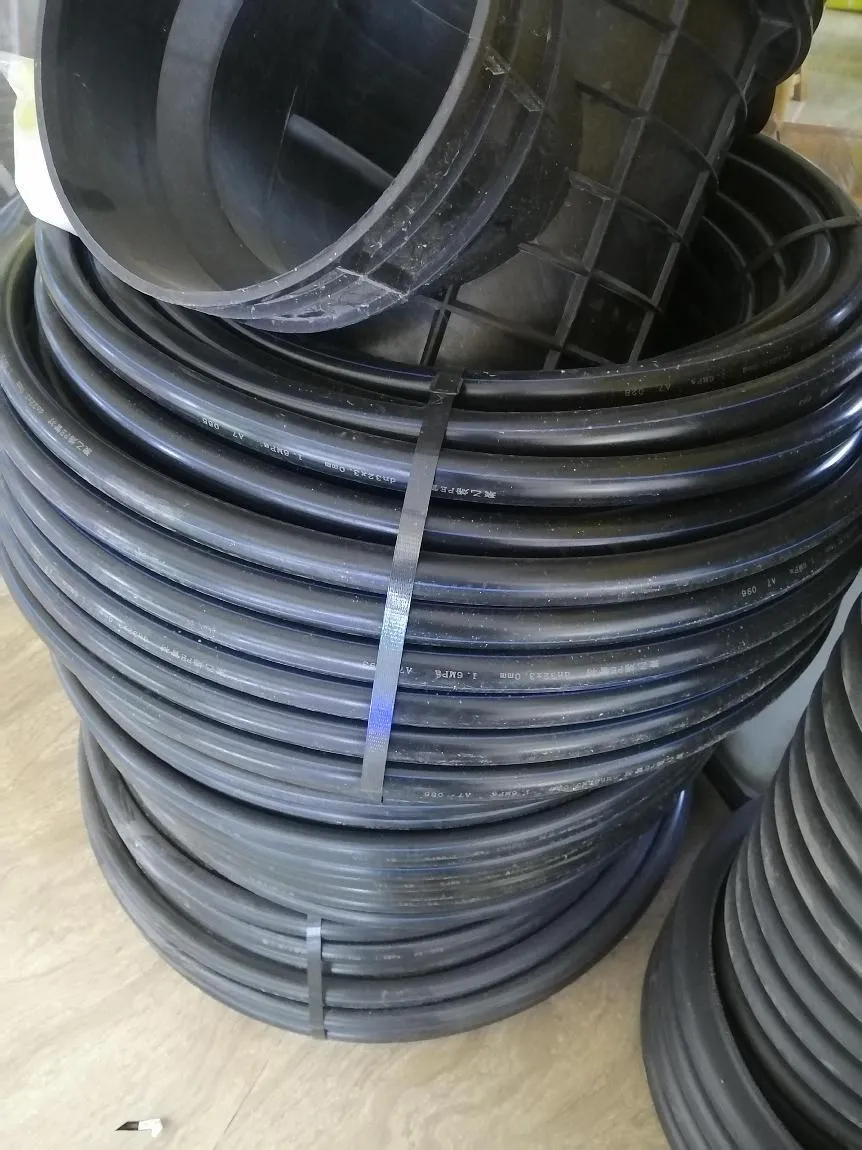
Polypropylene Random (PPR) water lines represent a significant advancement in potable water distribution systems, particularly in residential and commercial construction. Manufactured primarily in China, these systems are gaining global traction due to their corrosion resistance, thermal stability, and relatively low cost. PPR systems function as a pressure piping network, delivering both hot and cold water, and are fundamentally different from traditional metal piping (copper, galvanized steel) and older plastic solutions like PVC. Within the industry chain, PPR occupies the position of a finished or semi-finished product requiring installation expertise – bridging the gap between petrochemical feedstock producers and the end-user plumbing contractor. Core performance characteristics center around pressure containment, long-term hydrostatic strength, resistance to chemical leaching, and the ability to maintain water quality without contributing to taste or odor issues. A key pain point in the industry is ensuring consistent quality control across varying manufacturing facilities and adhering to increasingly stringent international safety standards for potable water applications.
Material Science & Manufacturing
PPR pipe is produced from polypropylene random copolymer, a thermoplastic polymer. The “random” designation signifies the random distribution of comonomers (typically ethylene) within the polypropylene chain, contributing to improved impact resistance and flexibility compared to homopolymer polypropylene. Raw material properties are critical: Melt Flow Index (MFI) dictates processability during extrusion; density influences mechanical strength; and the concentration of comonomer impacts the final product’s ductility. Manufacturing typically involves extrusion. Polypropylene granules are fed into an extruder, melted, and forced through a die to form the pipe shape. Key process parameters include barrel temperature profiles (typically 190-240°C), screw speed, die pressure, and cooling rates. Maintaining consistent temperatures is paramount to prevent degradation and ensure homogenous material distribution. Socket fusion, butt fusion, or electrofusion are common joining techniques. Socket fusion uses heat to melt both the pipe and fitting, creating a welded joint. Butt fusion is used for larger diameters, relying on frictional heat generated by pressing the pipe ends together. Electrofusion utilizes an electrical current to melt the joint area. Parameter control during fusion – temperature, pressure, and dwell time – significantly influences joint strength and longevity. Chemical compatibility is crucial. While PPR exhibits excellent resistance to many common chemicals, prolonged exposure to oxidizing agents or certain solvents can lead to degradation. Material certificates verifying compliance with standards like DIN 8077/8078 and EN ISO 15876 are essential for quality assurance.
Performance & Engineering
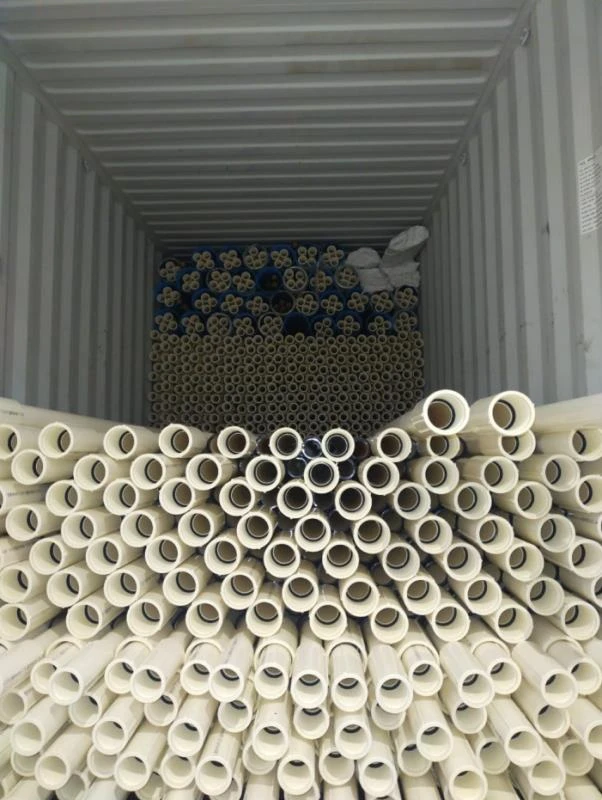
PPR’s performance is dictated by its ability to withstand hydrostatic pressure, thermal expansion/contraction, and external loads. Hydrostatic pressure testing, conducted according to standards like ISO 1167, is vital to verify burst pressure and long-term strength. Force analysis under pressure considers hoop stress (stress acting circumferentially) and longitudinal stress (stress acting along the pipe length). The Schifflair formula is frequently used for hoop stress calculations. Thermal expansion is significant; PPR exhibits a coefficient of thermal expansion approximately 10 times higher than steel. Engineering designs must accommodate this expansion with expansion loops or flexible connectors to prevent stress cracking. Compliance requirements vary by region but generally include adherence to local plumbing codes and potable water regulations. For example, NSF/ANSI 61 certification ensures that the material doesn't leach harmful contaminants into the water. UV resistance is a concern; prolonged exposure to sunlight can cause embrittlement and degradation. PPR pipes typically require shielding or burial to mitigate UV exposure. Further, consideration must be given to soil conditions if buried; corrosive soils can accelerate degradation, even with PPR’s inherent corrosion resistance. The system's long-term creep resistance – its ability to maintain pressure-holding capability over decades – is a critical engineering parameter.
Technical Specifications
| Parameter | Unit | PN16 (SDR 6) | PN20 (SDR 7.5) |
|---|---|---|---|
| Nominal Pressure | Bar | 1.6 MPa | 2.0 MPa |
| Hydrostatic Pressure Test | Bar | 2.4 MPa | 3.0 MPa |
| Operating Temperature | °C | -20 to +95 | -20 to +95 |
| Density | g/cm³ | 0.905 - 0.925 | 0.905 - 0.925 |
| Melt Flow Index (MFI) | g/10min | 0.3 – 0.8 | 0.2 – 0.5 |
| Oxygen Permeability | cm³/m²·day·bar | < 0.1 | < 0.1 |
Failure Mode & Maintenance
Common failure modes in PPR water lines include slow crack growth (SCG), particularly at joint locations. SCG is initiated by stress concentrations and exacerbated by exposure to certain chemicals or residual stresses from improper fusion. Oxidation, though slower than with some other plastics, can occur over decades, reducing the material's mechanical properties. Fatigue cracking can develop under cyclical pressure fluctuations. Delamination, while less common, can occur in lower-quality pipes due to poor mixing of materials during extrusion. A critical failure mode is joint failure due to inadequate fusion parameters – insufficient temperature, pressure, or dwell time resulting in incomplete weld penetration. Maintenance is relatively minimal but essential. Periodic visual inspections should be conducted to identify signs of leakage, discoloration, or deformation. Water quality analysis can help detect leaching if concerns arise. If damage is detected, the affected section should be replaced using the correct fusion technique. Preventative maintenance includes avoiding mechanical impact, protecting pipes from direct sunlight, and ensuring proper support to prevent excessive stress. Pressure relief valves should be installed to prevent overpressure situations. Proper flushing of the system after installation is crucial to remove debris and ensure water quality.
Industry FAQ
Q: What is the impact of water hardness on the lifespan of a PPR system?
A: While PPR is resistant to most water chemistries, extreme water hardness can contribute to scaling within the pipes. This scaling reduces the internal diameter, increasing flow resistance and potentially leading to localized stress concentrations. Regular water softening may be necessary in areas with exceptionally hard water to mitigate this effect and maintain optimal system performance.
Q: Can PPR pipes be used for hot water recirculation loops?
A: Yes, PPR is well-suited for hot water recirculation loops, provided the operating temperature remains within the specified limits (typically up to 95°C). However, careful consideration must be given to thermal expansion and contraction, and appropriate expansion loops or flexible connectors must be incorporated into the design.
Q: What are the key differences between PN16 and PN20 PPR pipes, and which should I choose?
A: PN16 and PN20 refer to the nominal pressure rating. PN20 pipes have thicker walls and can withstand higher pressures and temperatures than PN16 pipes. The choice depends on the maximum operating pressure and temperature of the system. For residential applications, PN16 is often sufficient, while PN20 is recommended for taller buildings or systems with higher pressure demands.
Q: How does the quality of the fusion equipment affect the longevity of PPR joints?
A: The quality of the fusion equipment is paramount. Inconsistent heating elements, inaccurate temperature control, or improper pressure settings can result in poorly formed joints, increasing the risk of SCG and premature failure. Using certified fusion equipment and following the manufacturer’s instructions precisely are critical.
Q: What certifications should I look for when sourcing PPR pipes and fittings?
A: Look for certifications such as ISO 15876 (for PPR pipe systems), DIN 8077/8078 (German standards), EN ISO 15876, and NSF/ANSI 61 (for potable water safety). These certifications demonstrate that the products have been tested and meet established quality and safety standards.
Conclusion
China PPR water lines offer a compelling solution for potable water distribution, balancing performance, cost-effectiveness, and ease of installation. However, realizing the full potential of these systems requires a thorough understanding of the underlying material science, manufacturing processes, and engineering considerations. Proper selection of materials based on pressure and temperature requirements, meticulous attention to fusion parameters, and adherence to relevant international standards are crucial for ensuring long-term reliability and preventing premature failure.
Looking ahead, continued advancements in PPR copolymer formulations and fusion technologies promise to further enhance the performance and durability of these systems. A focus on improved quality control throughout the manufacturing process and increased awareness of best practices for installation and maintenance will be essential to solidify PPR’s position as a leading choice for potable water infrastructure worldwide.
-
DN25 HDPE Compression Fitting-HORON INTERNATIONAL|Reliable Irrigation Solutions
NewsFeb.11,2026
-
china 90mm pvc pipe Performance Analysis
News2026-06-15
-
china ppr polypropylene pipe Technical Analysis
News2026-06-15
-
china hdpe pipe sizes and prices Performance Analysis
News2026-06-15
-
china hdpe quick coupling Performance Analysis
News2026-06-15
-
china ppr water line Performance Analysis
News2026-06-15
-
china 4 hdpe to pvc coupling Performance Analysis
News2026-06-14
-
china dn500 Ductile Iron Pipe Performance Analysis
News2026-06-14
-
china hdpe corrugated pipe Performance Analysis
News2026-06-14
-
china pvc pipe dimensions Technical Analysis
News2026-06-14
-
china perforated pvc pipe for drainage Performance Analysis
News2026-06-14
-
china 2.5 pvc pipe Performance Analysis
News2026-06-13
-
china ppr pipe coupling Performance Analysis
News2026-06-13
-
china hdpe pipe used for Performance Analysis
News2026-06-13
-
china 300mm pvc pipe Performance Analysis
News2026-06-13
-
china ppr pipe 40mm Performance Analysis
News2026-06-13