

Feb . 11, 2026 00:01 Back to list
china ppr polypropylene pipe Technical Analysis
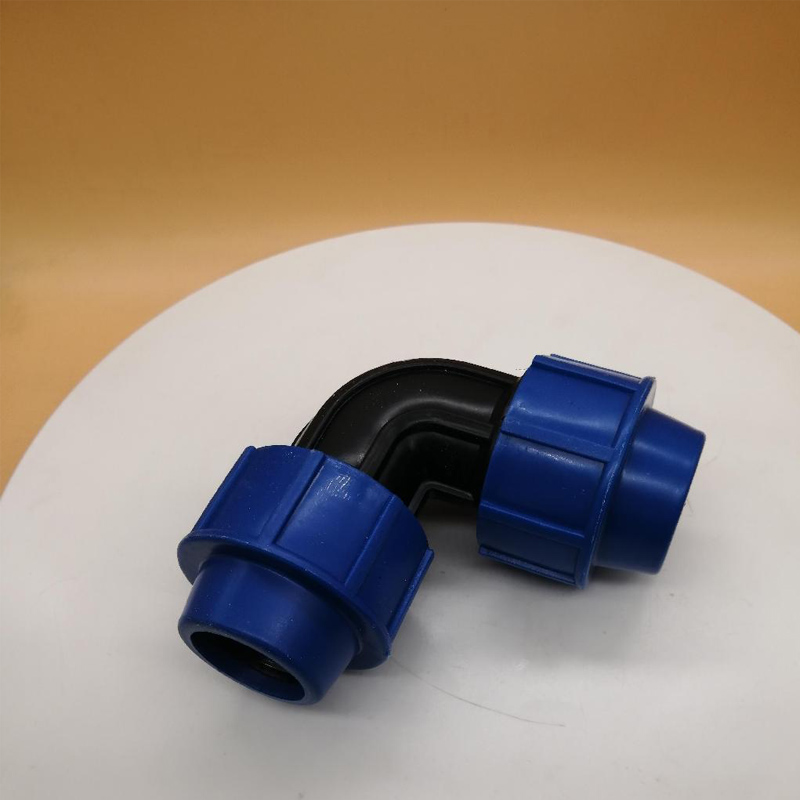
Introduction
Polypropylene Random Copolymer (PPR) pipe, manufactured extensively in China, represents a significant advancement in pressure piping systems for potable water, heating, and cooling applications. PPR pipes are categorized within the thermoplastic piping family, distinguished by their resistance to corrosion, high temperature tolerance, and relatively low cost. This guide provides an in-depth technical analysis of Chinese-manufactured PPR pipe, covering material composition, manufacturing processes, performance characteristics, potential failure modes, and relevant industry standards. Its position in the industry chain is as a direct replacement for traditional metal piping (copper, galvanized steel) in many applications, offering a lighter weight, ease of installation, and improved longevity. The core performance parameters revolve around pressure resistance, thermal stability, chemical inertness, and weldability, all critical for maintaining system integrity and fluid purity.
Material Science & Manufacturing
PPR pipe derives its properties primarily from polypropylene homopolymer and random copolymer resins. The “random copolymer” designation signifies the inclusion of ethylene monomers within the polypropylene chain, disrupting the polymer’s crystallinity and improving its impact resistance and flexibility. Raw material quality is paramount; Chinese manufacturers typically utilize grades conforming to ISO 1043-1, categorized based on melt flow rate (MFR). Higher MFR values generally indicate lower molecular weight, affecting pipe strength and weldability. The manufacturing process typically involves extrusion. Polypropylene granules are fed into an extruder, melted, and forced through a die to form the pipe’s shape. Key parameters in the extrusion process include melt temperature (190-230°C), die temperature, haul-off speed, and cooling water temperature. Precise control of these parameters dictates the pipe’s dimensional accuracy, wall thickness uniformity, and overall mechanical properties. Socket fusion and butt fusion are the prevalent joining methods. Socket fusion involves heating both the pipe end and the fitting socket, then inserting the pipe into the fitting. Butt fusion uses a heating plate to melt the ends of two pipes, which are then pressed together under controlled pressure. The quality of the fusion is heavily dependent on temperature, pressure, and dwell time, and deviations can lead to weakened joints.
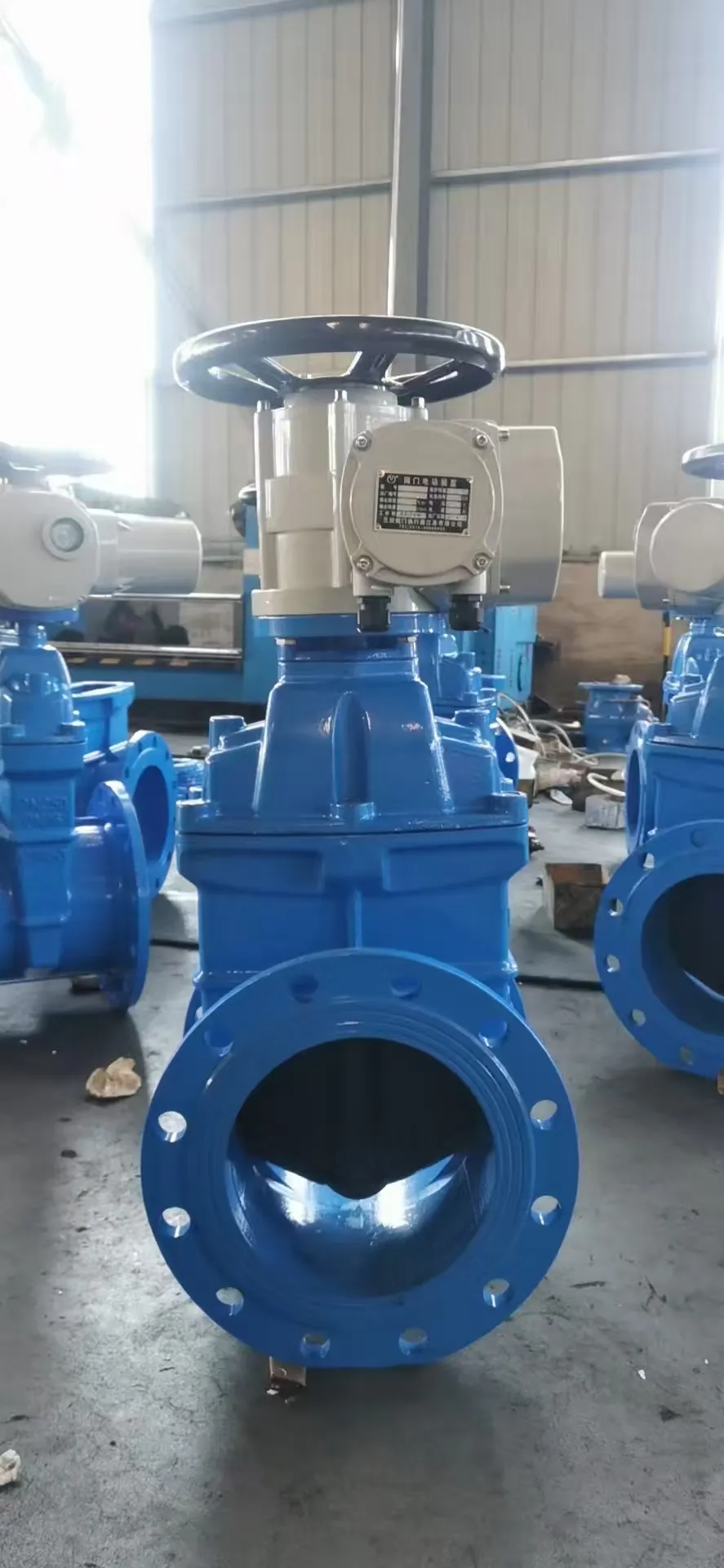
Performance & Engineering
The performance of PPR pipe is governed by several engineering principles. Hydrostatic pressure testing, conducted according to ISO 1167, confirms the pipe's ability to withstand internal pressure without failure. The long-term hydrostatic strength (LTHS) is a critical parameter, representing the maximum sustained pressure the pipe can endure over a 50-year service life. Thermal expansion is a significant consideration. PPR exhibits a relatively high coefficient of thermal expansion (approximately 0.15 mm/m°C), necessitating the incorporation of expansion loops or flexible connectors in long pipe runs to prevent stress buildup and potential cracking. Chemical resistance is excellent for most common waterborne chemicals, but prolonged exposure to strong oxidizing agents or aromatic hydrocarbons should be avoided. Force analysis considers hoop stress (generated by internal pressure) and longitudinal stress (due to thermal expansion/contraction and external loads). The pipe’s wall thickness and material properties are designed to withstand these stresses within acceptable safety factors. Compliance requirements include adherence to national plumbing codes and potable water regulations, ensuring the material does not leach harmful substances into the water supply. Specifically, migration testing, per standards like NSF/ANSI 61, verifies the absence of toxic compounds.
Technical Specifications
| Parameter | Unit | PN16 (SDR 11) | PN20 (SDR 9) |
|---|---|---|---|
| Nominal Pressure | MPa | 1.6 | 2.0 |
| Standard Dimension Ratio (SDR) | - | 11 | 9 |
| Hydrostatic Pressure Test | MPa | 2.4 | 3.0 |
| Long-Term Hydrostatic Strength (LTHS) | MPa | 1.0 | 1.25 |
| Maximum Operating Temperature | °C | 70 | 95 |
| Coefficient of Linear Thermal Expansion | mm/m°C | 0.15 | 0.15 |
Failure Mode & Maintenance
PPR pipe, while durable, is susceptible to several failure modes. Fatigue cracking can occur at fusion joints due to cyclic pressure and temperature variations, often initiated by stress concentrations from improper fusion parameters. Delamination, the separation of layers within the pipe wall, can result from material defects or inadequate cooling during extrusion. Oxidation, particularly at elevated temperatures and in the presence of residual oxygen, can lead to embrittlement and loss of mechanical strength. UV degradation can occur with prolonged exposure to sunlight, causing the pipe surface to become brittle and prone to cracking. Slow Crack Growth (SCG) is a significant concern, particularly in environments containing certain detergents or solvents. SCG initiates from stress concentrations and propagates slowly over time, eventually leading to catastrophic failure. Maintenance involves regular visual inspections for leaks, cracks, or deformation. Properly fused joints are critical, and any suspect joints should be re-evaluated. Pressure testing should be conducted periodically to verify system integrity. Avoid mechanical damage during installation and operation. For buried pipelines, proper bedding and backfilling are essential to prevent external loads and stress concentrations. Avoid using abrasive cleaning agents, as they can create stress raisers and initiate SCG.
Industry FAQ
Q: What is the impact of varying water hardness on the long-term performance of PPR pipes?
A: High water hardness can lead to scale buildup within the pipe, reducing the effective flow area and potentially increasing pressure drop. While PPR itself is not corroded by calcium carbonate scale, the reduced flow area can exacerbate stress concentrations and potentially contribute to fatigue failure over extended periods. Water softening or periodic flushing may be necessary in areas with exceptionally hard water.
Q: How does the quality of the welding equipment and operator training affect the reliability of butt-fusion joints?
A: Butt fusion joint integrity is heavily reliant on the quality of the welding equipment and the skill of the operator. Inconsistent heating temperatures, insufficient pressure, or improper dwell times can create weak joints prone to premature failure. Regular equipment calibration and comprehensive operator training are crucial for ensuring consistent, high-quality welds.
Q: What are the limitations of using PPR pipe in industrial applications involving corrosive chemicals?
A: While PPR exhibits good resistance to many common chemicals, it is not universally resistant. Exposure to strong oxidizing agents (e.g., chlorine, concentrated nitric acid), aromatic hydrocarbons (e.g., benzene, toluene), and certain solvents can cause swelling, degradation, or cracking. A chemical compatibility chart should always be consulted before using PPR pipe in industrial applications.
Q: What is the recommended minimum burial depth for PPR pipes to protect against mechanical damage and temperature fluctuations?
A: The recommended minimum burial depth for PPR pipes varies depending on local regulations and soil conditions, but generally ranges from 600mm to 1000mm. This depth provides adequate protection against mechanical damage from traffic loads and minimizes temperature fluctuations, reducing thermal stress on the pipe. Proper bedding and backfilling materials are also essential.
Q: How do Chinese-manufactured PPR pipes compare to those produced in Europe in terms of quality control and adherence to international standards?
A: While the quality of Chinese-manufactured PPR pipes has improved significantly in recent years, there can still be variability among manufacturers. Reputable Chinese manufacturers now routinely adhere to international standards (ISO, DIN) and implement rigorous quality control procedures, including hydrostatic testing, impact testing, and dimensional checks. However, it’s crucial to verify that the manufacturer has relevant certifications (e.g., ISO 9001) and conducts independent third-party testing to ensure consistent quality.
Conclusion
Chinese-manufactured PPR pipe has become a viable and cost-effective alternative to traditional metal piping systems, providing benefits in terms of corrosion resistance, ease of installation, and thermal performance. However, achieving optimal reliability necessitates a thorough understanding of the material’s properties, manufacturing processes, and potential failure modes. Careful consideration of installation procedures, adherence to relevant standards, and diligent maintenance practices are crucial for maximizing the service life and ensuring the long-term integrity of PPR piping systems.
The continued advancement of manufacturing techniques and quality control protocols within the Chinese PPR pipe industry is expected to further enhance the competitiveness and reliability of these products. Future research should focus on developing PPR formulations with improved UV resistance and SCG performance, as well as refining fusion techniques to minimize stress concentrations at joints. Understanding and mitigating these challenges will solidify PPR’s position as a leading material for pressure piping applications.
-
DN25 HDPE Compression Fitting-HORON INTERNATIONAL|Reliable Irrigation Solutions
NewsFeb.11,2026
-
china 90mm pvc pipe Performance Analysis
News2026-06-15
-
china ppr polypropylene pipe Technical Analysis
News2026-06-15
-
china hdpe pipe sizes and prices Performance Analysis
News2026-06-15
-
china hdpe quick coupling Performance Analysis
News2026-06-15
-
china ppr water line Performance Analysis
News2026-06-15
-
china 4 hdpe to pvc coupling Performance Analysis
News2026-06-14
-
china dn500 Ductile Iron Pipe Performance Analysis
News2026-06-14
-
china hdpe corrugated pipe Performance Analysis
News2026-06-14
-
china pvc pipe dimensions Technical Analysis
News2026-06-14
-
china perforated pvc pipe for drainage Performance Analysis
News2026-06-14
-
china 2.5 pvc pipe Performance Analysis
News2026-06-13
-
china ppr pipe coupling Performance Analysis
News2026-06-13
-
china hdpe pipe used for Performance Analysis
News2026-06-13
-
china 300mm pvc pipe Performance Analysis
News2026-06-13
-
china ppr pipe 40mm Performance Analysis
News2026-06-13