

Feb . 11, 2026 00:01 Back to list
china ppr pipe coupling Performance Analysis

Introduction
Polypropylene Random (PPR) pipe couplings are critical components within thermoplastic piping systems primarily utilized for potable water, heating, and cooling applications. Manufactured in China, these couplings facilitate secure and leak-proof connections between PPR pipes and fittings. Their technical positioning within the plumbing and HVAC industries lies between traditional metallic fittings (e.g., copper, galvanized steel) and other plastic alternatives (e.g., PVC, CPVC). PPR couplings, specifically those manufactured to international standards, offer advantages in corrosion resistance, thermal insulation, and ease of installation via heat fusion welding. Core performance characteristics include pressure rating, temperature resistance, and long-term hydrostatic strength, all dictated by the polypropylene resin grade and manufacturing tolerances. Understanding the material science, manufacturing process, and failure modes of these couplings is paramount for ensuring system reliability and longevity.
Material Science & Manufacturing
PPR pipe couplings are predominantly manufactured from polypropylene random copolymer resin. This material is selected for its balance of rigidity, impact resistance, and weldability. The resin's density typically ranges from 0.905 to 0.92 g/cm³. Key physical properties include a Vicat softening temperature between 130-150°C and a tensile strength ranging from 20-30 MPa, dependent on the specific grade. Manufacturing generally involves injection molding. The process begins with polypropylene granules being melted and injected into a precision-engineered mold cavity. Critical parameters include melt temperature (typically 230-260°C), mold temperature (30-50°C), injection pressure (60-100 MPa), and cooling time. Maintaining tight control over these parameters is essential to prevent warping, shrinkage, and residual stresses within the coupling. The resulting coupling undergoes quality control checks, including dimensional accuracy, visual inspection for defects, and hydrostatic pressure testing. Socket couplings utilize a stepped internal bore to accommodate the pipe insertion during heat fusion. Specialized grades of PPR, containing stabilizers and UV inhibitors, are employed for applications requiring enhanced long-term durability in exposed environments.
Performance & Engineering
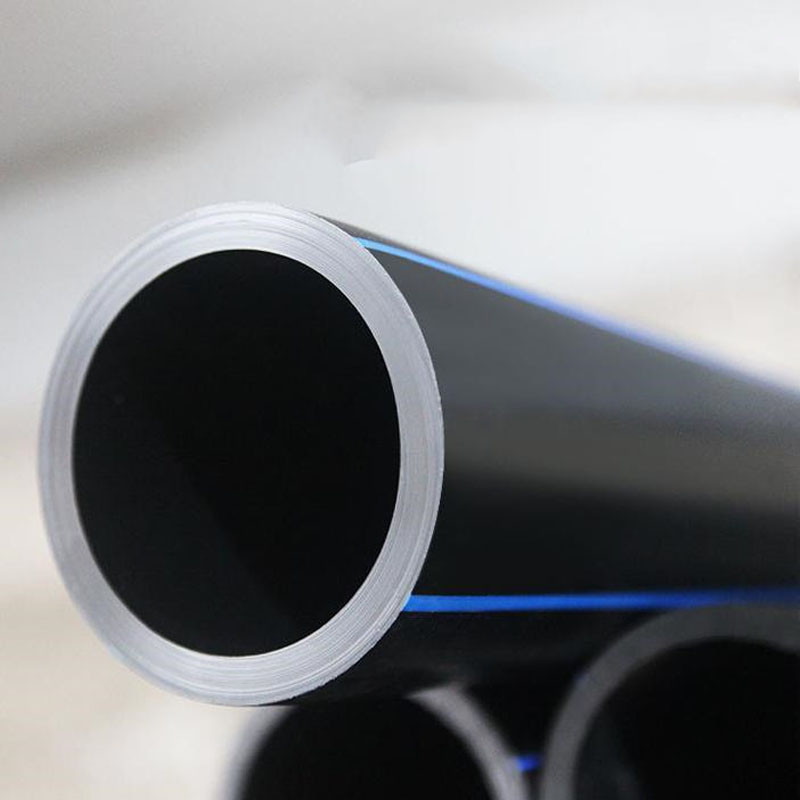
The performance of PPR pipe couplings is heavily influenced by the principles of stress analysis and thermal expansion. When subjected to internal pressure, the coupling experiences hoop stress, which is directly proportional to the pressure and radius of the pipe. Finite Element Analysis (FEA) is frequently employed during the design phase to optimize the coupling geometry and minimize stress concentrations. Thermal expansion is a significant consideration, particularly in hot water applications. PPR has a linear coefficient of thermal expansion of approximately 0.15 mm/m°C. Couplings must accommodate this expansion and contraction without inducing excessive stress on the pipe or joint. Compliance with industry standards, such as DIN 19569, dictates the required pressure and temperature ratings for different PPR pipe and fitting combinations. Installation via heat fusion welding creates a homogenous joint, eliminating potential leak paths and maximizing the coupling’s resistance to both internal pressure and external loads. Proper welding parameters (temperature and time) are crucial for achieving optimal joint strength; under-welding leads to weak joints, while over-welding can degrade the material. The coupling's long-term performance is also affected by the chemical compatibility of the fluid being conveyed; PPR is generally resistant to most common chemicals, but prolonged exposure to certain solvents and oxidizing agents can cause degradation.
Technical Specifications
| Parameter | Specification (Typical) | Testing Standard | Units |
|---|---|---|---|
| Material | Polypropylene Random Copolymer (PPR) | ISO 1043-1 | - |
| Pressure Rating (PN) | PN16, PN20, PN25 | ISO 19569 | Bar |
| Temperature Resistance | -40 to +95 | DIN 19569 | °C |
| Dimensions (Diameter) | 20mm – 110mm | ISO 15876 | mm |
| Wall Thickness | 2.3mm – 4.2mm | ISO 15876 | mm |
| Hydrostatic Pressure Test | ≥ 2.4 x PN | ISO 19569 | Bar |
Failure Mode & Maintenance
PPR pipe couplings, while durable, are susceptible to several failure modes. Fatigue cracking can occur under cyclic pressure loads, particularly near the weld joint. This is often exacerbated by improper welding techniques or pre-existing stress concentrations. Creep rupture, a time-dependent failure, can occur at elevated temperatures and pressures, especially if the material is subjected to sustained stress. Chemical attack from aggressive fluids can lead to material degradation and loss of mechanical properties. UV exposure can cause embrittlement and cracking, particularly in couplings installed outdoors without adequate protection. Delamination at the weld joint can occur if the welding temperature is insufficient or uneven. Maintenance typically involves visual inspection for cracks, leaks, or signs of degradation. Periodic hydrostatic testing can be performed to verify the integrity of the system. For minor leaks, re-welding may be possible if the surrounding material is not significantly degraded. However, significant damage usually necessitates replacement of the coupling. Preventative measures include proper installation according to manufacturer’s guidelines, selection of appropriate PPR grades for the intended application, and protection from UV exposure and aggressive chemicals.
Industry FAQ
Q: What are the key differences between PN16, PN20, and PN25 PPR couplings and when should each be used?
A: PN (Pressure Nominal) ratings indicate the maximum sustained operating pressure the coupling can withstand. PN16 is suitable for residential water supply systems; PN20 is commonly used for industrial applications and higher-pressure potable water systems; PN25 is reserved for specialized applications with demanding pressure requirements, such as district heating or industrial process lines. Material wall thickness increases with higher PN ratings.
Q: How does the welding temperature affect the long-term performance of a PPR coupling joint?
A: Maintaining the optimal welding temperature is crucial. Too low a temperature results in an incomplete fusion, creating a weak joint prone to failure. Too high a temperature can cause material degradation and reduce the long-term strength of the joint. Welding machines should be calibrated regularly, and the recommended temperature settings for the specific PPR material should be strictly followed.
Q: What is the impact of water hammer on PPR pipe systems and how can couplings contribute to mitigating this?
A: Water hammer, caused by sudden changes in flow velocity, generates pressure surges that can damage piping systems. PPR couplings, when properly installed and supported, contribute to mitigating water hammer by providing a robust and leak-proof joint capable of withstanding transient pressure loads. Additionally, utilizing pressure relief valves and surge suppressors in the system design is recommended.
Q: What is the expected lifespan of a properly installed PPR pipe coupling system?
A: A properly installed PPR pipe coupling system, using high-quality materials and adhering to industry standards, can have a lifespan of 50 years or more under normal operating conditions. However, this is dependent on factors such as water quality, operating temperature, and exposure to UV radiation or aggressive chemicals.
Q: Are PPR couplings suitable for use with compressed air systems?
A: Generally, no. PPR is not recommended for compressed air systems due to its permeability to air and its limited resistance to the rapid pressure fluctuations typical of compressed air applications. Materials like metal or specialized engineering plastics are preferred for compressed air systems.
Conclusion
China-manufactured PPR pipe couplings represent a cost-effective and reliable solution for fluid conveyance in a wide range of applications. Their performance is directly linked to the quality of the polypropylene resin, the precision of the injection molding process, and adherence to stringent installation protocols. Understanding the material's properties, potential failure modes, and relevant industry standards is essential for ensuring long-term system integrity and minimizing the risk of costly failures.
Moving forward, advancements in PPR resin formulations, focusing on enhanced UV resistance and chemical compatibility, will further expand the application scope of these couplings. The continued adoption of advanced manufacturing techniques, such as automated quality control systems and optimized welding parameters, will drive improvements in product consistency and reliability. Ultimately, a comprehensive understanding of the technical nuances surrounding PPR pipe couplings is critical for engineers, procurement managers, and installers alike.
-
DN25 HDPE Compression Fitting-HORON INTERNATIONAL|Reliable Irrigation Solutions
NewsFeb.11,2026
-
china 2.5 pvc pipe Performance Analysis
News2026-06-13
-
china ppr pipe coupling Performance Analysis
News2026-06-13
-
china hdpe pipe used for Performance Analysis
News2026-06-13
-
china 300mm pvc pipe Performance Analysis
News2026-06-13
-
china ppr pipe 40mm Performance Analysis
News2026-06-13
-
china ppr pipes in full Performance Engineering
News2026-06-12
-
china 63mm ppr pipe Technical Analysis
News2026-06-12
-
china pvc pipe is used for Performance Analysis
News2026-06-12
-
china hdpe pipe price list Performance Analysis
News2026-06-12
-
china ppr hot and cold water pipe Performance Analysis
News2026-06-12
-
china 12 pvc pipe price Performance Analysis
News2026-06-11
-
china ppr pipe 50mm Performance Analysis
News2026-06-11
-
china pvc stormwater pipe Performance Analysis
News2026-06-11
-
china ppr plumbing fittings Performance Analysis
News2026-06-11
-
china 25mm pvc pipe Technical Analysis
News2026-06-11