

Feb . 11, 2026 00:01 Back to list
china 2.5 pvc pipe Performance Analysis
Introduction
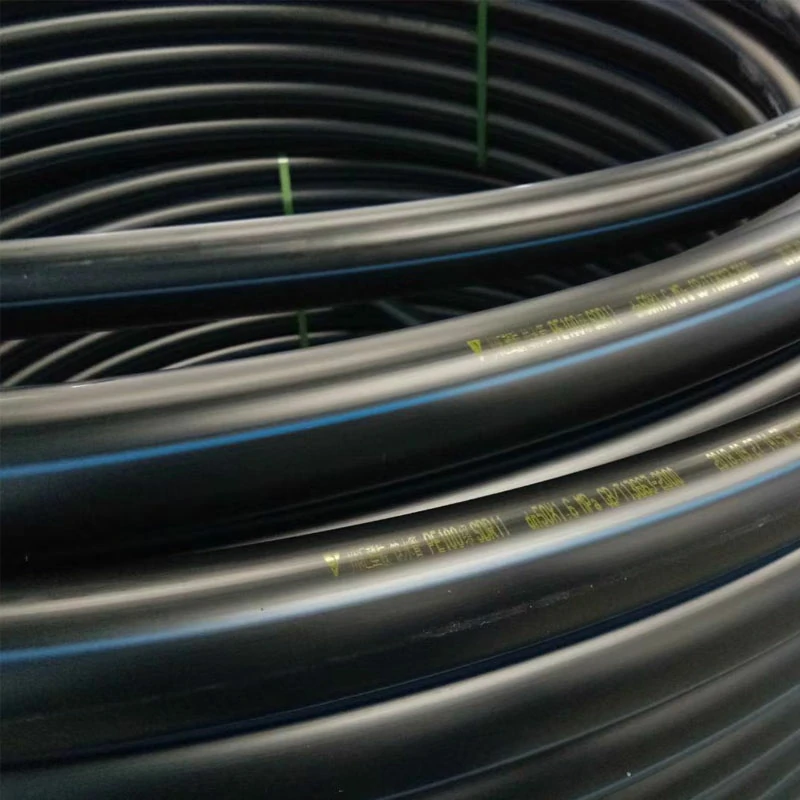
Polyvinyl Chloride (PVC) pipe, specifically the 2.5-inch diameter variety manufactured in China, represents a critical component in a broad spectrum of fluid conveyance systems. This guide focuses on PVC pipe conforming to nominal diameter 2.5 inches (63mm), commonly used in irrigation, drainage, potable water distribution, and certain industrial applications. Its position within the industry chain is as a semi-finished product, transformed from PVC resin through extrusion processes into a durable, cost-effective piping solution. Core performance characteristics encompass pressure bearing capacity, chemical resistance, and long-term durability, positioning it as a viable alternative to metallic piping in many applications, especially where corrosion is a concern. The proliferation of Chinese-manufactured PVC pipe necessitates a detailed understanding of its material composition, manufacturing processes, and performance specifications to ensure appropriate selection and longevity in service. A key pain point in the industry revolves around quality control variability and adherence to international standards, impacting long-term reliability and project costs.
Material Science & Manufacturing
The primary raw material for 2.5-inch PVC pipe is Polyvinyl Chloride (PVC) resin, typically suspension PVC (S-PVC). Additives are crucial for modifying the resin’s properties. Common additives include plasticizers (e.g., DOP, DINP) to enhance flexibility – though often limited in potable water applications – stabilizers (e.g., tin-based, calcium-zinc based) to prevent thermal degradation during processing and UV exposure, lubricants to aid extrusion, and impact modifiers (e.g., chlorinated polyethylene - CPE) to improve toughness. The specific formulation varies based on intended application and desired performance characteristics. Manufacturing predominantly utilizes the extrusion process. PVC resin and additives are thoroughly mixed, then fed into a single-screw or twin-screw extruder. The extruder plasticizes the mixture under controlled temperature and pressure. The molten PVC is then forced through a die that shapes it into a seamless pipe with the desired 2.5-inch outer diameter and wall thickness. Critical parameters during extrusion include die temperature, screw speed, haul-off speed (which influences wall thickness), and cooling rate. Improper control of these parameters leads to defects like inconsistent wall thickness, ovality, and surface imperfections. Post-extrusion, pipes undergo cooling in water tanks and are cut to specified lengths. Quality control checks include dimensional accuracy, hydrostatic pressure testing, and impact resistance testing. Chemical compatibility of PVC with conveyed fluids is paramount; exposure to certain solvents or aggressive chemicals can cause swelling, cracking, or leaching of additives, compromising the pipe's integrity.
Performance & Engineering
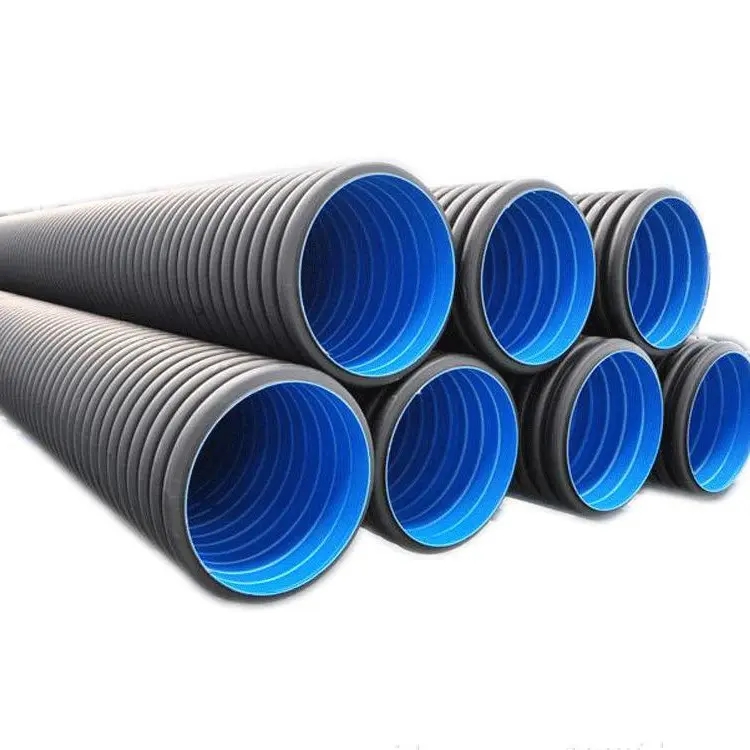
The performance of 2.5-inch PVC pipe is governed by its ability to withstand internal pressure, external loads, and environmental stressors. Force analysis considers hoop stress generated by internal pressure, calculated using the Barlow’s formula: S = (P D) / (2 t), where S is hoop stress, P is internal pressure, D is outer diameter, and t is wall thickness. This dictates the required wall thickness for a given operating pressure. External loads, such as soil load in buried applications, require consideration of the pipe's flexural modulus and soil stiffness to prevent collapse. Environmental resistance is crucial; PVC degrades under prolonged UV exposure, necessitating the inclusion of UV stabilizers. Temperature fluctuations induce thermal expansion and contraction, requiring allowance for in installation, particularly in long runs. Compliance requirements depend on the intended application. For potable water, the pipe must meet NSF/ANSI 61 standards for lead content and extractables. For pressure applications, standards like ASTM D1785 govern dimensions and pressure ratings. Ductile strength and elongation at break are key mechanical properties. Chemical resistance to common substances such as acids, alkalis, and chlorine is generally excellent, but specific compatibility should always be verified. A critical failure point can be stress cracking induced by sustained tensile stress in corrosive environments.
Technical Specifications
| Parameter | Schedule 40 (Standard Wall) | Schedule 80 (Heavy Wall) | Units |
|---|---|---|---|
| Nominal Pipe Size | 2.5 inches | 2.5 inches | - |
| Outer Diameter | 63.5 mm | 63.5 mm | mm |
| Wall Thickness | 3.2 mm | 4.2 mm | mm |
| Pressure Rating (at 23°C) | 450 psi | 600 psi | psi |
| Burst Pressure (at 23°C) | 2250 psi | 3000 psi | psi |
| Flexural Modulus | 3.5 GPa | 3.5 GPa | GPa |
| Density | 1.40 g/cm³ | 1.40 g/cm³ | g/cm³ |
Failure Mode & Maintenance
Failure modes in 2.5-inch PVC pipe commonly include brittle fracture, stress cracking, and UV degradation. Brittle fracture occurs due to impact or sudden pressure surges exceeding the pipe's impact strength, particularly at low temperatures. Stress cracking, also known as environmental stress cracking (ESC), arises from the combined effect of tensile stress (from internal pressure or external loads) and exposure to certain chemicals. UV degradation leads to embrittlement and loss of impact strength over prolonged exposure to sunlight. Failure analysis reveals that improper installation – excessive bending radius, inadequate bedding support – contributes significantly to failures. Delamination can occur in pipes with insufficient fusion during extrusion. Oxidation, while slow, can gradually reduce the pipe's mechanical properties over decades. Maintenance primarily involves regular inspection for visual defects (cracks, discoloration), pressure testing to detect leaks, and protection from physical damage. For buried pipes, ensuring proper soil compaction and avoiding loading from heavy traffic are crucial. Joints are particularly vulnerable points; regular inspection of solvent-cemented joints is necessary to identify potential leaks or separation. In potable water systems, periodic flushing can prevent biofilm buildup and maintain water quality. Avoid using abrasive cleaners or solvents that can degrade the PVC material.
Industry FAQ
Q: What is the impact of different plasticizers on the long-term performance of PVC pipe, especially concerning leaching into potable water?
A: The type of plasticizer significantly affects the long-term performance and safety of PVC pipe. Phthalate plasticizers, like DOP, while offering good flexibility, are known to leach over time, raising health concerns for potable water applications. Increasingly, manufacturers are transitioning to alternative plasticizers like DINP or bio-based plasticizers, offering improved leach resistance and lower toxicity. However, even these alternatives have limitations, and compliance with NSF/ANSI 61 standards is essential to ensure acceptable leach rates.
Q: How does the soil type affect the long-term performance of buried 2.5-inch PVC pipe?
A: Soil type dramatically influences the performance of buried PVC. Highly corrosive soils (high acidity or alkalinity, high sulfate content) can accelerate degradation. Poorly drained soils can lead to hydrostatic pressure buildup, increasing stress on the pipe. Aggressive rocks or debris in the backfill can cause physical damage during installation or due to settling. Proper bedding and backfilling procedures, using appropriate granular materials, are critical to mitigate these risks. Geotextile wrapping can provide additional protection against corrosion and physical damage.
Q: What are the key differences between Schedule 40 and Schedule 80 PVC pipe, and when would you specify one over the other?
A: Schedule 40 PVC has a thinner wall thickness and is suitable for lower-pressure applications, such as irrigation and drainage systems. Schedule 80 has a thicker wall, providing higher pressure ratings and greater impact resistance. Schedule 80 is preferred for applications involving higher operating pressures, potential for water hammer, or increased risk of physical damage. While Schedule 80 is more expensive, it provides a greater safety factor and extended service life in demanding conditions.
Q: What quality control measures should be in place to ensure the PVC pipe meets specified standards (e.g., ASTM D1785)?
A: Robust quality control begins with raw material inspection to verify resin and additive specifications. During extrusion, continuous monitoring of process parameters (temperature, pressure, speed) is essential. Post-extrusion, dimensional accuracy should be checked using calibrated instruments. Hydrostatic pressure testing, conducted according to ASTM D1785, verifies the pipe's ability to withstand specified pressures. Impact resistance testing confirms its toughness. Regular auditing of the manufacturer’s quality management system (ISO 9001 certification is beneficial) provides further assurance.
Q: What are the limitations of using solvent cement for joining PVC pipes, and what alternative joining methods exist?
A: Solvent cement relies on dissolving the surface of the PVC to create a fusion weld. Proper surface preparation, application technique, and curing time are crucial for a strong joint. Limitations include sensitivity to temperature and humidity, potential for human error, and the release of volatile organic compounds (VOCs). Alternative joining methods include threaded connections (requiring special fittings), flanged connections (for larger diameters and high-pressure applications), and mechanical couplings (offering ease of installation and disassembly).
Conclusion
The selection and implementation of 2.5-inch PVC pipe require a comprehensive understanding of its material properties, manufacturing processes, and performance characteristics. Chinese-manufactured PVC pipe offers a cost-effective solution, but diligent adherence to international standards and robust quality control are paramount to ensure long-term reliability and prevent premature failures. Understanding failure modes, such as stress cracking and UV degradation, and implementing appropriate preventative measures—including proper installation, protection from environmental stressors, and regular maintenance—are crucial for maximizing the lifespan and minimizing the life-cycle cost of PVC piping systems.
Future trends in PVC pipe technology focus on developing more sustainable formulations, utilizing bio-based plasticizers, and enhancing durability through improved additive packages. Advancements in non-destructive testing methods will allow for more accurate assessment of pipe integrity in service. Continued emphasis on standardization and quality control, coupled with a commitment to responsible manufacturing practices, will solidify the position of PVC as a versatile and reliable piping material for a wide range of applications.
-
DN25 HDPE Compression Fitting-HORON INTERNATIONAL|Reliable Irrigation Solutions
NewsFeb.11,2026
-
china 2.5 pvc pipe Performance Analysis
News2026-06-13
-
china ppr pipe coupling Performance Analysis
News2026-06-13
-
china hdpe pipe used for Performance Analysis
News2026-06-13
-
china 300mm pvc pipe Performance Analysis
News2026-06-13
-
china ppr pipe 40mm Performance Analysis
News2026-06-13
-
china ppr pipes in full Performance Engineering
News2026-06-12
-
china 63mm ppr pipe Technical Analysis
News2026-06-12
-
china pvc pipe is used for Performance Analysis
News2026-06-12
-
china hdpe pipe price list Performance Analysis
News2026-06-12
-
china ppr hot and cold water pipe Performance Analysis
News2026-06-12
-
china 12 pvc pipe price Performance Analysis
News2026-06-11
-
china ppr pipe 50mm Performance Analysis
News2026-06-11
-
china pvc stormwater pipe Performance Analysis
News2026-06-11
-
china ppr plumbing fittings Performance Analysis
News2026-06-11
-
china 25mm pvc pipe Technical Analysis
News2026-06-11