

Feb . 11, 2026 00:01 Back to list
china kitchen sink water pipe Performance Analysis
Introduction
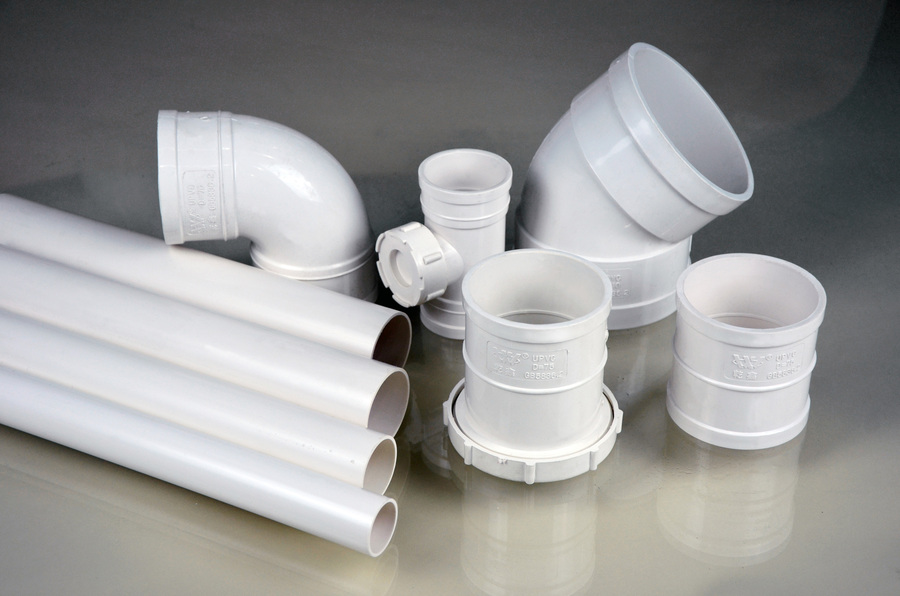
China kitchen sink water pipes represent a critical component in residential and commercial plumbing systems. Predominantly manufactured from Polyvinyl Chloride (PVC), Polypropylene (PP), or Stainless Steel, these pipes facilitate the delivery of potable water to kitchen sinks and the drainage of wastewater. The industry has experienced significant growth driven by China’s expanding construction sector and increasing demand for affordable, reliable plumbing solutions. Performance characteristics such as pressure resistance, temperature tolerance, chemical inertness, and compliance with international standards are paramount. This guide provides an in-depth technical analysis of these pipes, covering material science, manufacturing processes, performance parameters, failure modes, maintenance, and relevant industry standards. A key pain point within the industry is ensuring consistent material quality and adherence to evolving regulatory requirements related to lead content and water safety.
Material Science & Manufacturing
The core materials used in the production of China kitchen sink water pipes significantly dictate their performance characteristics. PVC, a thermoplastic polymer, is favored for its cost-effectiveness and resistance to corrosion. Its chemical structure (-(C2H3Cl)n-) imparts inherent resistance to many acids and alkalis. However, PVC exhibits lower temperature resistance compared to other materials. PP (-(C3H6)n-) offers improved temperature tolerance and impact strength but can be susceptible to UV degradation. Stainless Steel, typically grades 304 or 316, provides exceptional durability, corrosion resistance (due to the chromium content forming a passive layer), and temperature stability. Manufacturing processes vary depending on the material. PVC and PP pipes are primarily produced via extrusion, where molten polymer is forced through a die to create the desired pipe diameter and wall thickness. Key parameters controlled during extrusion include melt temperature, screw speed, and die pressure. Stainless steel pipes are manufactured through welding of rolled steel sheets or seamless extrusion. Welding processes, such as Tungsten Inert Gas (TIG) welding, are critical to ensuring weld integrity and corrosion resistance. Post-manufacturing processes often include hydrostatic testing to verify pressure integrity and dimensional checks to ensure compliance with standards. The quality of the raw materials, particularly PVC resin grade and stainless steel alloy composition, has a profound impact on the final product’s lifespan and reliability.
Performance & Engineering
The performance of kitchen sink water pipes is governed by several key engineering principles. Hydrostatic pressure testing, conducted per ASTM D1785 or equivalent, validates the pipe's ability to withstand internal water pressure without failure. Burst pressure, a critical parameter, is determined by material strength, wall thickness, and pipe diameter. Tensile strength, measured using ASTM D638, indicates the material's resistance to elongation under tensile stress. Environmental resistance is crucial; prolonged exposure to UV radiation (for PVC and PP) can cause degradation, leading to embrittlement and cracking. Chemical compatibility is also essential, particularly resistance to household cleaning agents and detergents. Stainless steel pipes exhibit superior chemical resistance. Thermal expansion and contraction are significant considerations, particularly for hot water lines. Coefficient of thermal expansion varies between materials; PVC and PP have higher coefficients than stainless steel. Therefore, proper expansion loops or flexible connectors are necessary to prevent stress on the pipe and fittings. The pipe’s resistance to impact, particularly during installation, is assessed using impact testing methods. Compliance with plumbing codes (e.g., UPC, IPC) dictates minimum wall thicknesses and allowable working pressures. Furthermore, consideration must be given to water hammer – sudden pressure surges caused by rapidly closing valves – which can lead to pipe failure. Water hammer arrestors are often incorporated into the plumbing system to mitigate this risk.
Technical Specifications
| Parameter | PVC (Schedule 40) | PP-R (PN20) | Stainless Steel 304 |
|---|---|---|---|
| Material | Polyvinyl Chloride | Polypropylene Random Copolymer | AISI 304 Stainless Steel |
| Operating Pressure (PSI) | 400 | 290 | 600 |
| Temperature Resistance (°C) | 60 | 95 | 200 |
| Tensile Strength (MPa) | 55 | 35 | 500 |
| Diameter Range (mm) | 20-150 | 20-160 | 15-300 |
| Chemical Resistance | Good to many acids/alkalis | Good, but susceptible to some solvents | Excellent |
Failure Mode & Maintenance
China kitchen sink water pipes are susceptible to several failure modes. PVC pipes can experience crazing (formation of microcracks) due to stress and exposure to certain chemicals. Long-term exposure to UV radiation causes embrittlement and loss of impact strength. PP pipes are prone to creep (slow deformation under sustained stress) at elevated temperatures. Stainless steel pipes, while highly durable, can experience pitting corrosion in chloride-rich environments, especially if the alloy grade is insufficient (e.g., not 316). Fatigue cracking can occur due to repeated pressure cycles or mechanical stress. Delamination can occur in composite pipes. Blockages caused by sediment buildup or grease accumulation are common in drainage lines. Regular maintenance includes visual inspection for leaks, cracks, or corrosion. Flushing the pipes with hot water and a mild detergent can help prevent blockages. For stainless steel pipes, periodic cleaning with a specialized stainless steel cleaner helps maintain the passive layer and prevent corrosion. Replacing worn or damaged fittings promptly is crucial. In cases of persistent leaks or corrosion, complete pipe replacement may be necessary. Pressure relief valves should be inspected regularly to ensure proper functionality and prevent overpressure scenarios. Proper insulation of hot water pipes minimizes heat loss and reduces stress on the pipe material.
Industry FAQ
Q: What is the significance of the "Schedule" number for PVC pipes (e.g., Schedule 40, Schedule 80)?
A: The "Schedule" number refers to the pipe wall thickness. Higher schedule numbers indicate thicker walls, and thus, greater pressure resistance. Schedule 40 is commonly used for residential plumbing, while Schedule 80 is preferred for applications requiring higher pressure ratings or greater durability.
Q: How does water hardness affect the lifespan of these pipes?
A: Hard water contains high levels of calcium and magnesium minerals. Over time, these minerals can deposit inside the pipes, reducing flow capacity and potentially leading to blockages. In stainless steel pipes, hard water can contribute to scaling and pitting corrosion. Water softening systems can mitigate these effects.
Q: Are there any specific regulations regarding lead content in kitchen sink water pipes?
A: Yes. Regulations such as the Safe Drinking Water Act (SDWA) in the United States and equivalent regulations in other countries impose strict limits on lead content in plumbing components. Lead-free fittings and pipes are now mandatory for potable water systems.
Q: What are the advantages of using stainless steel pipes over PVC or PP-R?
A: Stainless steel offers superior corrosion resistance, temperature tolerance, and mechanical strength. It’s also more resistant to UV degradation and chemical attack. However, stainless steel is typically more expensive than PVC or PP-R.
Q: How important is proper joining technique when installing these pipes?
A: Proper joining technique is paramount. Incorrectly joined pipes can lead to leaks and premature failure. For PVC and PP-R pipes, solvent welding or heat fusion must be performed correctly according to manufacturer’s instructions. For stainless steel, welding must be performed by certified welders using appropriate techniques to ensure weld integrity.
Conclusion
China kitchen sink water pipes are essential components of modern plumbing infrastructure. The selection of the appropriate material—PVC, PP-R, or stainless steel—is dictated by application-specific requirements regarding pressure, temperature, chemical compatibility, and cost. Understanding the material properties, manufacturing processes, and potential failure modes is crucial for ensuring long-term reliability and safety. Adherence to international standards and best practices in installation and maintenance are paramount to minimizing risks and maximizing the lifespan of these systems.
The ongoing development of advanced polymers and stainless steel alloys will continue to drive improvements in the performance and durability of kitchen sink water pipes. Future trends include the incorporation of antimicrobial coatings to inhibit bacterial growth and the development of more sustainable materials with reduced environmental impact. Careful consideration of these factors is vital for procurement managers and engineers seeking to optimize the long-term value and performance of their plumbing infrastructure.
-
DN25 HDPE Compression Fitting-HORON INTERNATIONAL|Reliable Irrigation Solutions
NewsFeb.11,2026
-
china flexible pvc tubing Performance Analysis
News2026-06-16
-
china water pipe kitchen sink Material Performance
News2026-06-16
-
china upvc column pipes for submersible pumps Performance Analysis
News2026-06-16
-
china 36 hdpe corrugated pipe Manufacturing Analysis
News2026-06-16
-
china kitchen sink water pipe Performance Analysis
News2026-06-16
-
china 90mm pvc pipe Performance Analysis
News2026-06-15
-
china ppr polypropylene pipe Technical Analysis
News2026-06-15
-
china hdpe pipe sizes and prices Performance Analysis
News2026-06-15
-
china hdpe quick coupling Performance Analysis
News2026-06-15
-
china ppr water line Performance Analysis
News2026-06-15
-
china 4 hdpe to pvc coupling Performance Analysis
News2026-06-14
-
china dn500 Ductile Iron Pipe Performance Analysis
News2026-06-14
-
china hdpe corrugated pipe Performance Analysis
News2026-06-14
-
china pvc pipe dimensions Technical Analysis
News2026-06-14
-
china perforated pvc pipe for drainage Performance Analysis
News2026-06-14