

Feb . 11, 2026 00:01 Back to list
discount hdpe transition coupling Performance Analysis
Introduction
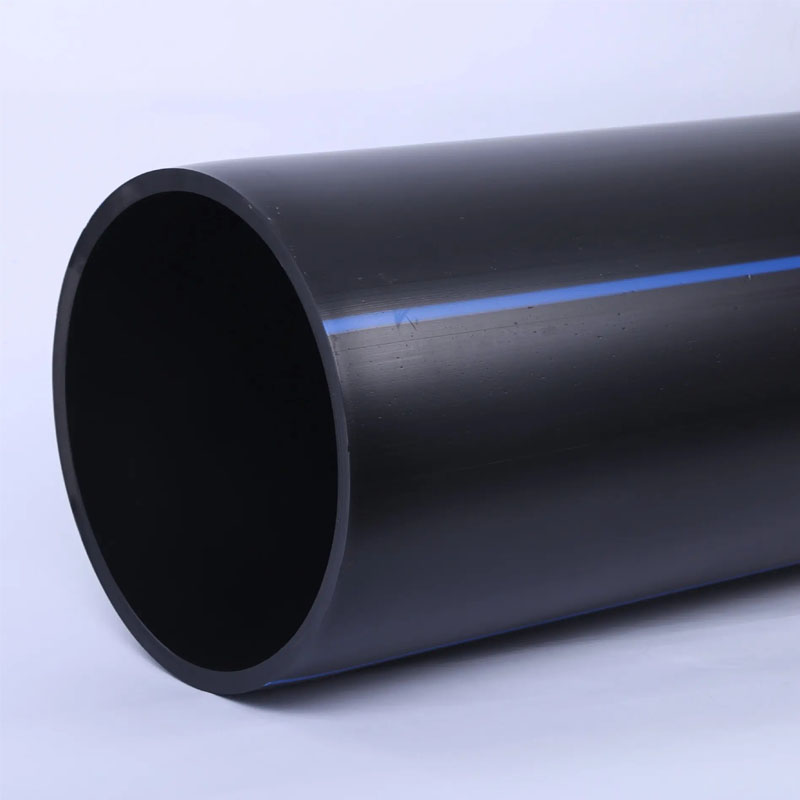
High-Density Polyethylene (HDPE) transition couplings are critical components in pipeline systems, facilitating the connection between HDPE pipe and pipes constructed from dissimilar materials like PVC, ductile iron, or steel. They represent a crucial element within the broader fluid conveyance industry, serving applications in municipal water distribution, irrigation, mining, industrial effluent management, and gas distribution. These couplings function not merely as mechanical connectors, but as engineered solutions addressing thermal expansion and contraction, soil movement, and varying pressure conditions. The “discount” designation primarily refers to cost-optimized manufacturing or sourcing strategies rather than a reduction in performance standards, though careful specification verification remains paramount. Core performance characteristics include leak-proof sealing under pressure, dimensional compatibility with connecting pipes, resistance to chemical degradation from conveyed fluids, and longevity determined by material properties and installation quality. The increasing demand for HDPE piping systems, driven by its corrosion resistance, lightweight nature, and ease of installation, directly elevates the importance of reliable and cost-effective transition coupling solutions.
Material Science & Manufacturing
The primary material for HDPE transition couplings is, predictably, high-density polyethylene. HDPE is a thermoplastic polymer produced from the polymerization of ethylene. Key physical properties relevant to coupling performance include a density typically ranging from 0.941 to 0.965 g/cm³, a tensile strength between 21 and 35 MPa, and a relatively low coefficient of friction. Crucially, HDPE exhibits excellent chemical resistance to acids, alkalis, and many solvents, making it suitable for a wide range of conveyed fluids. The manufacturing process commonly involves injection molding. Granulated HDPE resin is heated and injected under high pressure into a mold cavity designed to the specific coupling geometry. Critical process parameters include mold temperature (typically 20-30°C), melt temperature (180-250°C), and injection pressure (50-150 MPa). Dimensional accuracy and minimizing residual stress within the molded part are primary quality control concerns. The sealing element, frequently an EPDM rubber gasket, is often overmolded during the injection molding process or mechanically inserted. EPDM provides superior resistance to ozone, weathering, and water absorption compared to other elastomers. Material compatibility between HDPE and the gasket material is assessed via standardized testing (e.g., ASTM D2000) to ensure long-term sealing integrity. The quality of the HDPE resin, verified through tests for Melt Flow Index (MFI) and molecular weight distribution, significantly impacts the final product’s mechanical properties and resistance to environmental stress cracking.

Performance & Engineering
The performance of an HDPE transition coupling is fundamentally governed by pressure containment and sealing integrity. Engineering analysis focuses on stress distribution within the coupling body under internal pressure, particularly at the transition interface between the HDPE and the dissimilar pipe material. Finite Element Analysis (FEA) is frequently employed to optimize coupling geometry and wall thickness to minimize stress concentrations. Couplings are typically designed to withstand hydrostatic pressure ratings specified by industry standards (e.g., PN16, equivalent to 232 psi). The coupling’s ability to accommodate axial movement due to thermal expansion/contraction is another critical engineering consideration. Some designs incorporate a sliding sleeve or expansion joint to allow for limited pipe movement without inducing stress on the connection. Soil loading, particularly in buried applications, must also be accounted for. The coupling’s structural integrity under external loads, including bending moments and shear forces, is assessed through burial depth calculations and consideration of soil properties. Chemical compatibility is paramount. Prolonged exposure to aggressive chemicals can lead to material degradation and failure. Couplings intended for use with specific fluids require material certifications demonstrating resistance to those fluids. The long-term performance is also affected by UV exposure. While HDPE possesses inherent UV resistance, prolonged exposure can cause surface oxidation and embrittlement. Incorporation of UV stabilizers into the HDPE formulation is common practice. Compliance requirements vary by region and application. For potable water systems, couplings must meet NSF/ANSI 61 standards for lead content and extractable contaminants.
Technical Specifications
| Parameter | Specification (Typical) | Testing Standard | Units |
|---|---|---|---|
| Nominal Pipe Size | 4-12 inch | ASTM D1785 | inch |
| Material | HDPE (PE100) | ASTM D3350 | - |
| Gasket Material | EPDM Rubber | ASTM D2000 | - |
| Pressure Rating | PN16 (232 psi) | ISO 14239 | psi |
| Operating Temperature | -40 to 60 | ASTM D1598 | °C |
| UV Resistance | >1000 hours (ASTM G154) | ASTM G154 | hours |
Failure Mode & Maintenance
Common failure modes for HDPE transition couplings include gasket failure (leading to leakage), cracking due to over-tightening or thermal stress, and degradation of the HDPE material from prolonged UV exposure or chemical attack. Gasket failure often manifests as swelling, cracking, or loss of elasticity, typically occurring after extended service life. Cracking can initiate at stress concentration points, such as near bolt holes or at the transition interface. Environmental Stress Cracking (ESC) is a significant concern, particularly in applications involving exposure to aggressive chemicals. This type of cracking occurs slowly over time and is often difficult to detect visually. Oxidation, caused by UV exposure, results in surface embrittlement and a gradual reduction in mechanical properties. Maintenance primarily involves periodic visual inspection for signs of leakage, cracking, or gasket deterioration. Regular torque checks of bolts (if applicable) are recommended to prevent over-tightening. If leakage is detected, the gasket should be replaced. In cases of significant cracking or material degradation, the entire coupling should be replaced. Preventive maintenance includes protecting exposed couplings from direct sunlight with shielding or UV-resistant coatings. Proper storage of couplings prior to installation is also crucial, avoiding prolonged exposure to sunlight and extreme temperatures. Failure analysis should involve material testing (e.g., tensile testing, chemical resistance testing) to identify the root cause of the failure and implement corrective actions.
Industry FAQ
Q: What is the expected lifespan of a discount HDPE transition coupling in a typical potable water application?
A: The expected lifespan varies based on operating conditions, but a properly installed and maintained HDPE transition coupling in a potable water application can typically last 50+ years. The primary limiting factors are gasket degradation and potential ESC if the water chemistry is aggressive. Regular inspections and gasket replacements (every 10-20 years as a preventative measure) are recommended to maximize longevity.
Q: How does the choice of gasket material impact the coupling’s performance with different fluids?
A: The gasket material must be chemically compatible with the conveyed fluid. EPDM is generally suitable for water, but may not be compatible with hydrocarbons or strong oxidizing agents. Other gasket materials, such as Viton or PTFE, may be required for specific applications. It's crucial to consult chemical compatibility charts and manufacturer recommendations to ensure proper gasket selection.
Q: What are the key considerations for selecting a coupling for a buried pipeline application?
A: For buried pipelines, the coupling must withstand external loads from soil overburden and potential ground movement. The coupling's structural integrity must be verified through burial depth calculations. Corrosion protection is also important, particularly in aggressive soil environments. The coupling should be designed to accommodate limited axial movement to prevent stress buildup from thermal expansion/contraction and soil settlement.
Q: What is the significance of the PN rating on a coupling?
A: The PN (Nominal Pressure) rating indicates the maximum hydrostatic pressure the coupling can safely withstand at a specific temperature. It’s a critical parameter for ensuring the integrity of the pipeline system. Selecting a coupling with a PN rating equal to or greater than the maximum operating pressure of the system is essential.
Q: What are the potential consequences of over-tightening the bolts on a flanged HDPE transition coupling?
A: Over-tightening the bolts can lead to distortion of the coupling flange, compression of the gasket beyond its elastic limit, and even cracking of the HDPE material. This can result in leakage and premature failure. Always follow the manufacturer’s recommended torque specifications.
Conclusion
HDPE transition couplings are essential components in modern piping systems, offering a reliable and cost-effective solution for connecting HDPE pipe to dissimilar materials. Their performance is dictated by careful material selection, precise manufacturing processes, and adherence to industry standards. Understanding the potential failure modes, such as gasket degradation and ESC, and implementing appropriate maintenance practices are vital for ensuring long-term reliability and preventing costly disruptions.
The future of HDPE transition coupling technology will likely focus on incorporating smart features, such as embedded sensors for real-time pressure and leak detection, and the development of more robust gasket materials with extended service life. Further research into advanced HDPE formulations with improved UV resistance and chemical compatibility will also contribute to enhancing the overall performance and longevity of these critical pipeline components. Optimizing designs for easier installation and reduced maintenance will also remain a key area of development.
-
DN25 HDPE Compression Fitting-HORON INTERNATIONAL|Reliable Irrigation Solutions
NewsFeb.11,2026
-
discount 40mm pvc pipe Performance Analysis
News2026-06-26
-
discount hdpe to pvc connection Performance Analysis
News2026-06-26
-
discount ppr pipe 1 price Technical Analysis
News2026-06-26
-
discount colored pvc pipe Material Science and Manufacturing
News2026-06-26
-
discount hdpe pipe price list pdf Performance and Engineering
News2026-06-26
-
discount ppr for hot water Performance Analysis
News2026-06-25
-
discount bulk pvc pipe Material Performance
News2026-06-25
-
discount pvc pipes price list Material Science and Manufacturing
News2026-06-25
-
discount 20 ft pvc pipe Performance Analysis
News2026-06-25
-
discount ppr cold water pipe Performance Analysis
News2026-06-25
-
discount 24 inch diameter pvc pipe price Performance Analysis
News2026-06-24
-
discount 4 hdpe drain pipe Performance Analysis
News2026-06-24
-
discount 12 hdpe pipe Performance Analysis
News2026-06-24
-
discount hdpe reducing coupling Performance Analysis
News2026-06-24
-
discount hdpe corrugated sewer pipe Performance Engineering
News2026-06-24