

Feb . 11, 2026 00:01 Back to list
discount hdpe to pvc connection Performance Analysis

Introduction
The connection of High-Density Polyethylene (HDPE) to Polyvinyl Chloride (PVC) piping systems is a common requirement in various fluid handling applications, including irrigation, drainage, water distribution, and chemical transfer. While both HDPE and PVC offer advantages in their respective applications, their inherent differences in material properties – specifically thermal expansion coefficients and bonding characteristics – present significant engineering challenges. This technical guide provides an in-depth analysis of the methods, materials, and considerations for achieving reliable and long-lasting HDPE to PVC connections. The focus will be on techniques that mitigate potential failure points stemming from differential expansion, chemical incompatibility of adhesives, and mechanical stress concentration. This guide caters to engineers, procurement managers, and maintenance personnel involved in designing, installing, and maintaining such systems, addressing the critical need for robust and compliant joint solutions within budgetary constraints, hence the focus on ‘discount’ connection strategies that balance cost-effectiveness with performance.
Material Science & Manufacturing
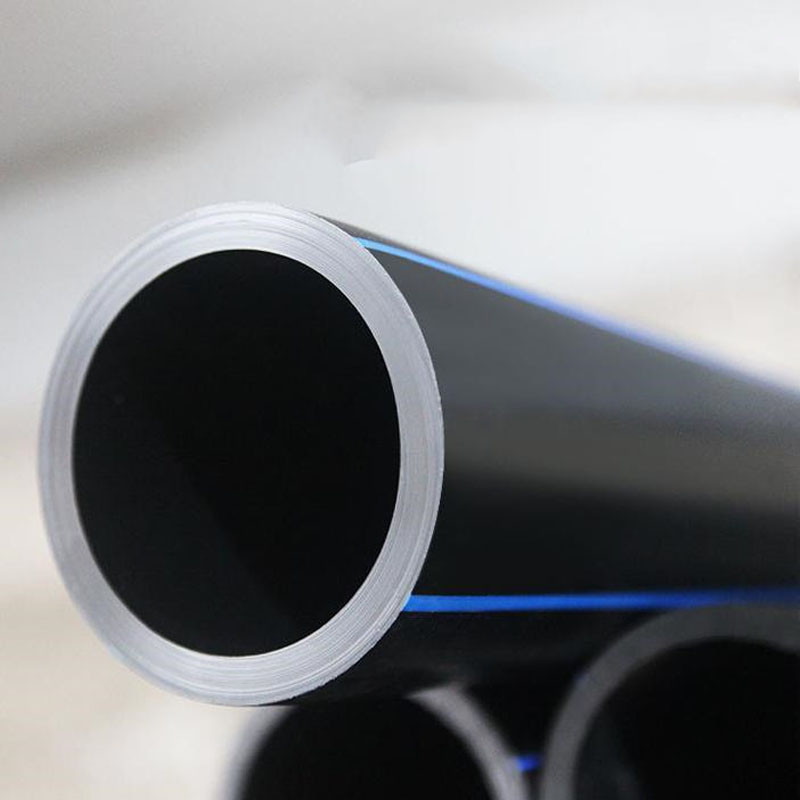
HDPE, a thermoplastic polymer derived from ethylene, exhibits high tensile strength-to-density ratio, excellent chemical resistance, and a relatively low-temperature coefficient of linear expansion (approximately 1.1 x 10⁻⁴ in/°F). Manufacturing typically involves polymerization of ethylene using Ziegler-Natta or metallocene catalysts, followed by extrusion into pipes. Critical process parameters include melt temperature, die geometry, and cooling rate, which directly affect the crystallinity and molecular weight distribution, influencing the pipe’s long-term hydrostatic strength. PVC, also a thermoplastic, is synthesized via polymerization of vinyl chloride monomer. It’s characterized by rigidity, good chemical resistance (though less than HDPE to certain solvents), and a higher coefficient of thermal expansion (approximately 3.0 x 10⁻⁵ in/°F). PVC pipe production commonly utilizes extrusion, with plasticizers often added to adjust flexibility. The type and amount of plasticizer significantly affect the PVC’s long-term durability and resistance to UV degradation. The key challenge in connecting these materials lies in their differing thermal behaviors. HDPE expands and contracts more than PVC with temperature changes. Manufacturing of transition fittings, such as PVC adapters with HDPE sockets, necessitates precise molding techniques to accommodate the dimensional discrepancies and minimize residual stress. Welding HDPE sections, versus adhesive bonding for PVC, adds another layer of complexity. Specifically, electrofusion welding of HDPE requires strict control of voltage, frequency, and weld time to ensure a consistent and structurally sound joint.
Performance & Engineering
The performance of an HDPE to PVC connection is critically dependent on managing the stress induced by differential thermal expansion. A rigid connection will generate significant tensile or compressive stresses at the interface as the temperature fluctuates, potentially leading to joint failure. Engineering solutions often incorporate flexible couplings, expansion joints, or the use of transition fittings designed with inherent compliance. Force analysis reveals that the shear stress at the bonded interface between HDPE and PVC is a primary failure mechanism. Adhesive selection is paramount; conventional PVC cements are generally incompatible with HDPE due to poor adhesion. Specialized adhesives, often polyurethane or epoxy-based, are required to provide adequate bond strength. Furthermore, the long-term creep resistance of the adhesive must be considered, as continuous load can lead to bond degradation over time. Environmental resistance is also crucial. UV exposure can degrade both HDPE and PVC, but particularly affects PVC due to the potential for plasticizer migration. Connections exposed to sunlight require UV-stabilized materials or protective coatings. Compliance requirements vary by region and application. Potable water systems, for example, demand materials certified to NSF/ANSI 61 standards, ensuring that no harmful contaminants leach into the water supply. Pressure testing is essential to verify the integrity of the connection before commissioning. The test pressure should exceed the maximum operating pressure by a specified safety factor, as dictated by relevant codes and standards.
Technical Specifications
| Parameter | HDPE (PE100) | PVC (Schedule 40) | Typical Transition Fitting Material |
|---|---|---|---|
| Density (g/cm3) | 0.951 – 0.965 | 1.40 – 1.43 | Polypropylene (PP) or Reinforced PVC |
| Tensile Strength (MPa) | 32 – 40 | 62 – 75 | 45 – 60 (PP) / 62-75 (Reinforced PVC) |
| Coefficient of Linear Expansion (in/°F x 10-4) | 1.1 | 3.0 | 2.0 - 2.5 |
| Operating Temperature Range (°C) | -40 to +60 | -10 to +60 | -20 to +80 |
| Pressure Rating (psi) - 2” Pipe | Up to 170 | Up to 400 | Dependent on fitting design, typically 200-350 |
| Chemical Resistance | Excellent | Good, but susceptible to certain solvents | Good, depending on material |
Failure Mode & Maintenance
Common failure modes in HDPE to PVC connections include shear failure of the adhesive bond, cracking of the PVC due to stress concentration, and leakage at the transition fitting interface. Fatigue cracking can occur in PVC components subjected to repeated pressure cycling or vibration. Delamination of the adhesive bond is frequently caused by inadequate surface preparation, improper adhesive application, or incompatibility between the adhesive and the substrate materials. Oxidation of HDPE can lead to embrittlement and reduced impact resistance, particularly at elevated temperatures. Preventive maintenance is crucial. Regular visual inspections should be conducted to identify signs of cracking, leakage, or corrosion. Non-destructive testing methods, such as ultrasonic testing, can be used to detect internal flaws in the PVC pipe. If leakage is detected, the affected area should be isolated, and the connection repaired or replaced. When replacing a failed connection, it’s important to address the underlying cause of the failure to prevent recurrence. Proper surface preparation, adhesive selection, and installation procedures are essential. For systems operating in harsh environments, consider applying protective coatings to mitigate UV degradation and chemical attack. Periodic torque checks on bolted connections (if used) should be performed to ensure adequate clamping force. Addressing thermal expansion through appropriate joint design and installation is paramount to long-term reliability.
Industry FAQ
Q: What adhesive is recommended for bonding HDPE to PVC, and what surface preparation is required?
A: Polyurethane or epoxy-based adhesives specifically formulated for bonding dissimilar plastics are recommended. Conventional PVC cement will not adhere to HDPE. Surface preparation is critical: both surfaces must be clean, dry, and free of contaminants. Abrading both the HDPE and PVC surfaces with 80-120 grit sandpaper significantly improves adhesion by increasing the surface area and creating a mechanical key for the adhesive. Wiping down with a suitable solvent (isopropyl alcohol) immediately before adhesive application removes residual contaminants.
Q: How can I mitigate stress caused by differential thermal expansion between HDPE and PVC?
A: Utilize flexible couplings or expansion joints in the pipeline. These components absorb the movement caused by thermal expansion and contraction, reducing stress on the connection. Proper support and anchoring of the pipeline are also crucial. Avoid rigid connections that restrain movement. Transition fittings with a degree of inherent flexibility in their design can also help.
Q: Are there specific standards governing HDPE to PVC connections in potable water systems?
A: Yes, NSF/ANSI 61 certification is required for materials used in potable water systems in many jurisdictions. This standard ensures that the materials do not leach harmful contaminants into the water supply. Furthermore, local plumbing codes and regulations may specify additional requirements for joint construction and testing.
Q: What are the common signs of a failing HDPE to PVC connection?
A: Signs include visible cracking in the PVC pipe, leakage at the joint interface, bubbling or discoloration of the adhesive, and a reduction in system pressure. Regular visual inspections are essential to identify these issues early on.
Q: Can I use a mechanical coupling (e.g., a rubber sleeve with stainless steel bands) to connect HDPE to PVC?
A: Yes, mechanical couplings are a viable option, especially for larger diameter pipes. However, ensure the coupling is compatible with both HDPE and PVC and is properly sized to accommodate the dimensional differences. The coupling material (typically rubber) must be chemically compatible with both plastics and provide a watertight seal. Tightening torque of the stainless steel bands must be carefully controlled to avoid over-compression of the pipes.
Conclusion
Achieving a reliable HDPE to PVC connection requires a thorough understanding of the materials’ properties, potential failure modes, and appropriate engineering practices. The inherent differences in thermal expansion necessitate the use of flexible couplings, specialized adhesives, or transition fittings designed to accommodate movement. Careful attention to surface preparation, adhesive application, and installation procedures is paramount.
Ultimately, a cost-effective (‘discount’) solution doesn’t equate to sacrificing long-term integrity. Proper material selection, adherence to industry standards, and regular maintenance are crucial for maximizing the lifespan and performance of these connections. Ignoring these considerations can lead to costly repairs, system downtime, and potential environmental consequences.
-
DN25 HDPE Compression Fitting-HORON INTERNATIONAL|Reliable Irrigation Solutions
NewsFeb.11,2026
-
discount 40mm pvc pipe Performance Analysis
News2026-06-26
-
discount hdpe to pvc connection Performance Analysis
News2026-06-26
-
discount ppr pipe 1 price Technical Analysis
News2026-06-26
-
discount colored pvc pipe Material Science and Manufacturing
News2026-06-26
-
discount hdpe pipe price list pdf Performance and Engineering
News2026-06-26
-
discount ppr for hot water Performance Analysis
News2026-06-25
-
discount bulk pvc pipe Material Performance
News2026-06-25
-
discount pvc pipes price list Material Science and Manufacturing
News2026-06-25
-
discount 20 ft pvc pipe Performance Analysis
News2026-06-25
-
discount ppr cold water pipe Performance Analysis
News2026-06-25
-
discount 24 inch diameter pvc pipe price Performance Analysis
News2026-06-24
-
discount 4 hdpe drain pipe Performance Analysis
News2026-06-24
-
discount 12 hdpe pipe Performance Analysis
News2026-06-24
-
discount hdpe reducing coupling Performance Analysis
News2026-06-24
-
discount hdpe corrugated sewer pipe Performance Engineering
News2026-06-24