

Feb . 11, 2026 00:01 Back to list
china ppr pipe 25mm price Performance Analysis
Introduction
Polypropylene-Random (PPR) pipe, specifically the 25mm variant commonly sourced from China, represents a significant component in modern plumbing and fluid transfer systems. Its position within the industry chain lies primarily as a cost-effective alternative to traditional metal piping – copper, galvanized steel, and cast iron – and increasingly, as a direct competitor to other plastic piping materials like PVC and PEX. The 25mm diameter is a frequently utilized size for residential and light commercial applications, encompassing cold and hot water distribution, and heating systems. Core performance characteristics center around its corrosion resistance, thermal stability, relatively low cost, and ease of installation through heat fusion welding. However, its susceptibility to UV degradation and limitations in pressure handling at elevated temperatures necessitate careful consideration during specification and implementation. This guide will provide a detailed technical overview of Chinese-manufactured 25mm PPR pipe, covering its material science, manufacturing processes, performance characteristics, potential failure modes, and relevant industry standards.
Material Science & Manufacturing
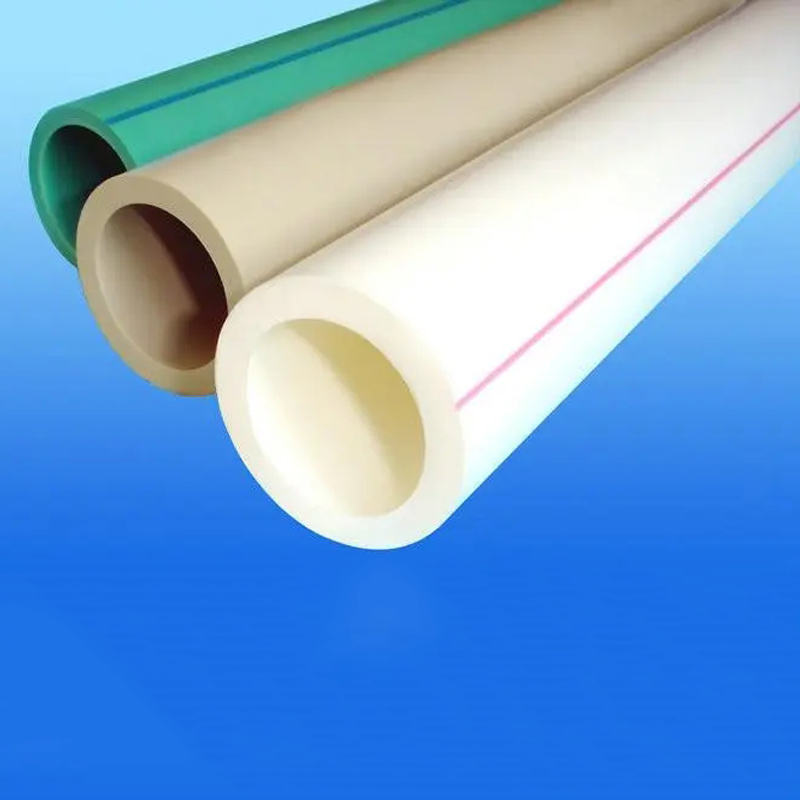
The foundation of PPR pipe lies in polypropylene homopolymer or copolymer, specifically polypropylene random copolymer (PPR). This material is chosen for its balanced properties; homopolymers exhibit higher tensile strength, while copolymers demonstrate improved impact resistance, particularly at lower temperatures. The random copolymerization introduces ethylenes along the polypropylene chain, disrupting the crystallinity and enhancing flexibility. Raw material purity and molecular weight distribution are crucial. Additives like stabilizers (typically phenolic antioxidants) and UV inhibitors are incorporated to mitigate degradation. Pigments are added for identification – commonly green for cold water, red for hot water, and occasionally blue. Manufacturing typically involves extrusion. Polypropylene granules are fed into an extruder where they are melted and forced through a die to form the pipe shape. Critical parameters during extrusion include melt temperature (190-230°C), die head temperature, haul-off speed, and cooling water temperature. These parameters directly impact pipe diameter consistency, wall thickness uniformity, and the overall quality of the final product. Heat fusion welding is the standard joining method, creating a homogenous weld with strength comparable to the base material. The welding process relies on controlled temperature and pressure application. Quality control measures include hydrostatic testing to verify pressure resistance, and dimensional checks to ensure adherence to specifications (e.g., ISO 15876). A key concern with lower-cost Chinese PPR is the potential for inconsistent raw material quality and inadequate control of extrusion parameters, leading to variations in wall thickness and potentially compromised long-term performance.
Performance & Engineering
The performance of 25mm PPR pipe is heavily influenced by hydrostatic pressure rating, temperature resistance, and long-term creep behavior. Hydrostatic pressure rating, typically expressed in bar or PSI, defines the maximum internal pressure the pipe can withstand at a specified temperature (usually 20°C). For 25mm PPR, common ratings are PN16 (2.3 MPa or 333 PSI) and PN20 (2.8 MPa or 406 PSI). Temperature resistance is critical for hot water applications. PPR can handle temperatures up to 95°C for short periods, but continuous operation above 70°C reduces its long-term lifespan. Long-term creep, the gradual deformation of the pipe under sustained pressure and temperature, is a significant failure mechanism. The material exhibits viscoelastic behavior, meaning its mechanical properties are time-dependent. Force analysis reveals that the hoop stress (stress circumferential to the pipe) is the primary load during internal pressure applications. The pipe wall thickness is engineered to resist this stress. Environmental resistance is a concern; prolonged exposure to UV radiation causes embrittlement and cracking. Therefore, PPR pipe must be shielded from direct sunlight. Compliance with relevant standards (see section 7) dictates material composition, dimensional tolerances, and testing protocols. Engineering calculations for pipeline design must account for pressure losses due to friction, thermal expansion and contraction, and potential water hammer effects. Proper support and anchoring are essential to prevent stress concentrations and maintain pipeline integrity.
Technical Specifications
| Parameter | Unit | PN16 (Typical Chinese Product) | PN20 (Typical Chinese Product) |
|---|---|---|---|
| Nominal Diameter | mm | 25 | 25 |
| Outer Diameter | mm | 32.4 | 32.4 |
| Wall Thickness | mm | 2.3 | 2.8 |
| Hydrostatic Pressure (20°C) | bar | 1.6 | 2.0 |
| Burst Pressure (20°C) | bar | 5.0 | 6.0 |
| Maximum Operating Temperature | °C | 95 (Short Term), 70 (Continuous) | 95 (Short Term), 70 (Continuous) |
| Density | g/cm³ | 0.905 - 0.915 | 0.905 - 0.915 |
Failure Mode & Maintenance
Several failure modes can affect 25mm PPR pipe. Fatigue cracking can occur at the weld joints due to repeated pressure fluctuations and thermal cycling. This is often exacerbated by improper welding techniques (insufficient heating, inadequate pressure). Delamination, the separation of layers within the pipe wall, can result from substandard raw materials or poor extrusion control, leading to localized weaknesses. Oxidation, though relatively slow, occurs with prolonged exposure to high temperatures and can reduce the pipe’s mechanical strength. UV degradation, as mentioned previously, causes surface cracking and embrittlement. Chemical attack from certain cleaning agents or aggressive water chemistries (low pH) can also compromise the material. For maintenance, regular visual inspections are crucial, focusing on weld joints and areas exposed to sunlight. Hydrostatic testing can be performed periodically to assess pressure integrity. If leaks or cracks are detected, the affected section should be replaced entirely. Avoid using abrasive cleaners or solvents that can damage the PPR material. Proper thermal insulation can mitigate temperature fluctuations and reduce stress on the pipe. Ensure that the pipe is adequately supported to prevent sagging and stress concentrations. For systems with aggressive water chemistry, consider water treatment options to minimize corrosion potential. Prevention of freezing is also critical; water expansion during freezing can cause significant damage to the pipe.
Industry FAQ
Q: What is the typical service life of a 25mm PPR pipe installed in a residential hot water system?
A: Under normal operating conditions (water temperature below 70°C, consistent pressure within PN16/PN20 limits), a well-installed 25mm PPR pipe can reasonably be expected to have a service life of 20-30 years. However, this is heavily dependent on water quality, temperature consistency, and UV exposure. Higher temperatures or aggressive water chemistry will significantly reduce the lifespan.
Q: How does the quality of Chinese-made PPR pipe compare to European-manufactured PPR pipe?
A: Generally, European-manufactured PPR pipe often adheres to stricter quality control standards and utilizes higher-grade raw materials, resulting in more consistent performance and longevity. Lower-cost Chinese PPR may exhibit greater variations in wall thickness, lower hydrostatic pressure ratings, and potentially contain lower quality stabilizers. Thorough supplier vetting and independent testing are crucial when sourcing from China.
Q: Can PPR pipe be used for buried applications?
A: While PPR pipe can be buried, it requires careful consideration. It is essential to protect the pipe from soil movement, external loads, and potential chemical attack from soil contaminants. A protective sleeve or adequate bedding material is recommended. UV stabilization is irrelevant for buried applications, but potential ground movement needs to be addressed with appropriate flexibility and support.
Q: What are the key differences between PN16 and PN20 PPR pipe?
A: PN16 and PN20 designations refer to the nominal pressure rating. PN20 pipe has a thicker wall thickness than PN16, allowing it to withstand higher internal pressures. PN20 is generally preferred for systems with higher pressure requirements or where greater safety margins are desired, even if the operating pressure is below the maximum rating.
Q: What is the best method for joining 25mm PPR pipe?
A: Heat fusion welding is the preferred method. It creates a homogenous weld that is as strong as the pipe itself. Socket fusion welding is commonly used for smaller diameters like 25mm. The welding process requires a specialized tool that precisely controls temperature and pressure. Proper operator training is critical to ensure consistent weld quality.
Conclusion
Chinese-manufactured 25mm PPR pipe provides a cost-effective solution for a wide range of plumbing and fluid transfer applications. Its inherent corrosion resistance, ease of installation, and reasonable temperature performance make it a viable alternative to traditional metal piping. However, discerning buyers must acknowledge potential variations in quality and adhere to stringent quality control measures. Careful consideration of hydrostatic pressure ratings, temperature limitations, and potential failure modes is paramount for ensuring long-term system reliability.
Effective implementation relies on understanding the material's inherent limitations, particularly its susceptibility to UV degradation and creep. Adhering to recognized industry standards and employing proper installation techniques are critical for maximizing service life and minimizing the risk of failure. Continued monitoring of water quality and periodic inspections will further enhance system performance and prevent unforeseen issues.
-
DN25 HDPE Compression Fitting-HORON INTERNATIONAL|Reliable Irrigation Solutions
NewsFeb.11,2026
-
china ppr water pipe price Performance Analysis
News2026-06-06
-
china ppr composite pipe Performance Analysis
News2026-06-06
-
china ppr pipe 25mm price Performance Analysis
News2026-06-06
-
china ppr pipe use Performance Analysis
News2026-06-06
-
china pvc sewer pipe Technical Performance
News2026-06-06
-
china hdpe coupling joint Performance Analysis
News2026-06-05
-
china ppr pipe connector Manufacturing Analysis
News2026-06-05
-
china ppr pipe 20mm Manufacturing Analysis
News2026-06-05
-
china pvc pipe used for water supply Performance and Engineering
News2026-06-05
-
china orange pvc pipe Performance Engineering
News2026-06-05
-
china 1 2 ppr pipe in mm Performance Analysis
News2026-06-04
-
china hdpe pipe for water supply specifications Performance Analysis
News2026-06-04
-
china ppr hot water pipe insulation Thermal Performance
News2026-06-04
-
china 24 inch diameter pvc pipe Performance Analysis
News2026-06-04
-
china ppr hot water pipe Performance Analysis
News2026-06-04