

Feb . 11, 2026 00:01 Back to list
china ppr ct pipe Technical Analysis
Introduction
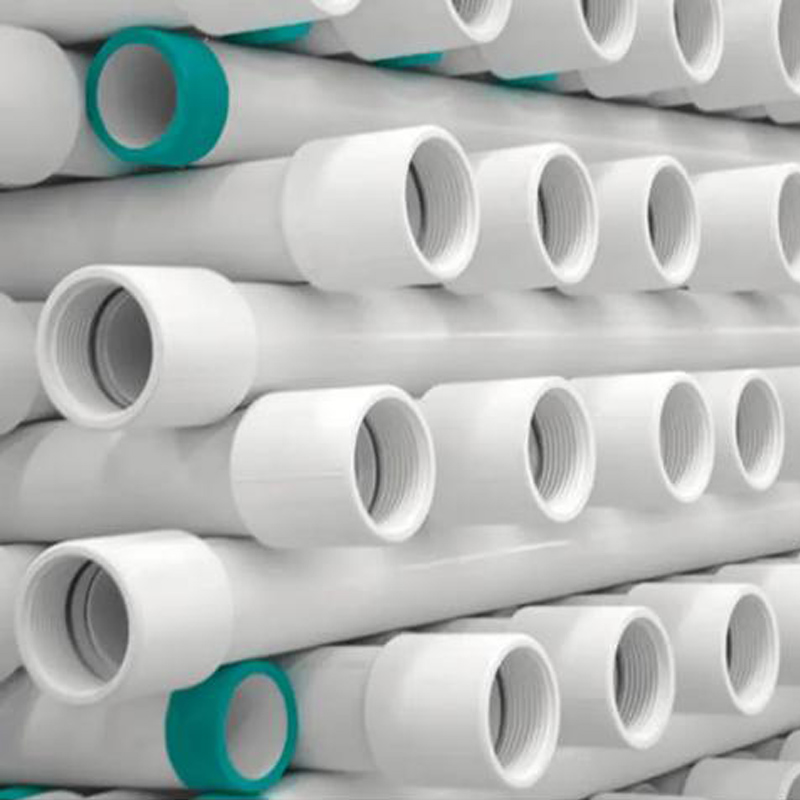
Polypropylene Random Copolymer (PPR) CT (Chlorinated) pipes, manufactured in China, represent a significant advancement in thermoplastic piping systems for fluid conveyance. These pipes occupy a crucial position within the building and infrastructure supply chain, serving as a direct replacement for traditional metal piping in applications requiring hot and cold water distribution, industrial fluid transport, and increasingly, specialized chemical handling. The core performance characteristics of PPR CT pipe—specifically its enhanced temperature resistance, chemical inertness, and corrosion resistance—address key pain points experienced with conventional materials such as copper, galvanized steel, and even standard PPR. This guide provides an in-depth technical analysis of PPR CT pipes, covering material science, manufacturing processes, performance specifications, failure modes, and relevant industry standards, geared towards procurement managers, engineers, and quality control professionals.
Material Science & Manufacturing
PPR CT pipe begins with polypropylene random copolymer as the base material. Polypropylene is a thermoplastic polymer produced through the polymerization of propylene monomers. The ‘random’ copolymerization introduces ethylene comonomers, disrupting the crystallinity of the polypropylene, thereby improving impact strength and flexibility. However, standard PPR exhibits limitations in chlorine resistance and higher temperature applications. Chlorination, the ‘CT’ designation, addresses these shortcomings. The chlorination process introduces chlorine atoms onto the polypropylene chains, increasing the polymer's polarity and resistance to oxidative degradation and swelling when exposed to chlorine-containing compounds. Typically, chlorination levels range from 25% to 30% by weight, carefully controlled to optimize performance without compromising mechanical integrity.
Manufacturing typically involves extrusion. Raw PPR granules are fed into a twin-screw extruder, where they are melted and homogenized. The molten polymer is then passed through a die to form the desired pipe diameter and wall thickness. Critical process parameters include extruder screw speed, barrel temperature profile (typically ranging from 180°C to 240°C, dependent on the specific resin grade), and die pressure. Precise control of these parameters ensures consistent material properties and dimensional accuracy. Post-extrusion, pipes are subjected to cooling in a water bath followed by dimensional stabilization and cutting to specified lengths. Quality control during manufacturing incorporates hydrostatic testing to verify pressure resistance, impact strength tests (Charpy or Izod), and dimensional checks to ensure adherence to relevant standards (GB/T5836.1, DIN 8077, EN 1487). The uniformity of chlorination is a particularly critical quality control parameter, often assessed through infrared spectroscopy.
Performance & Engineering
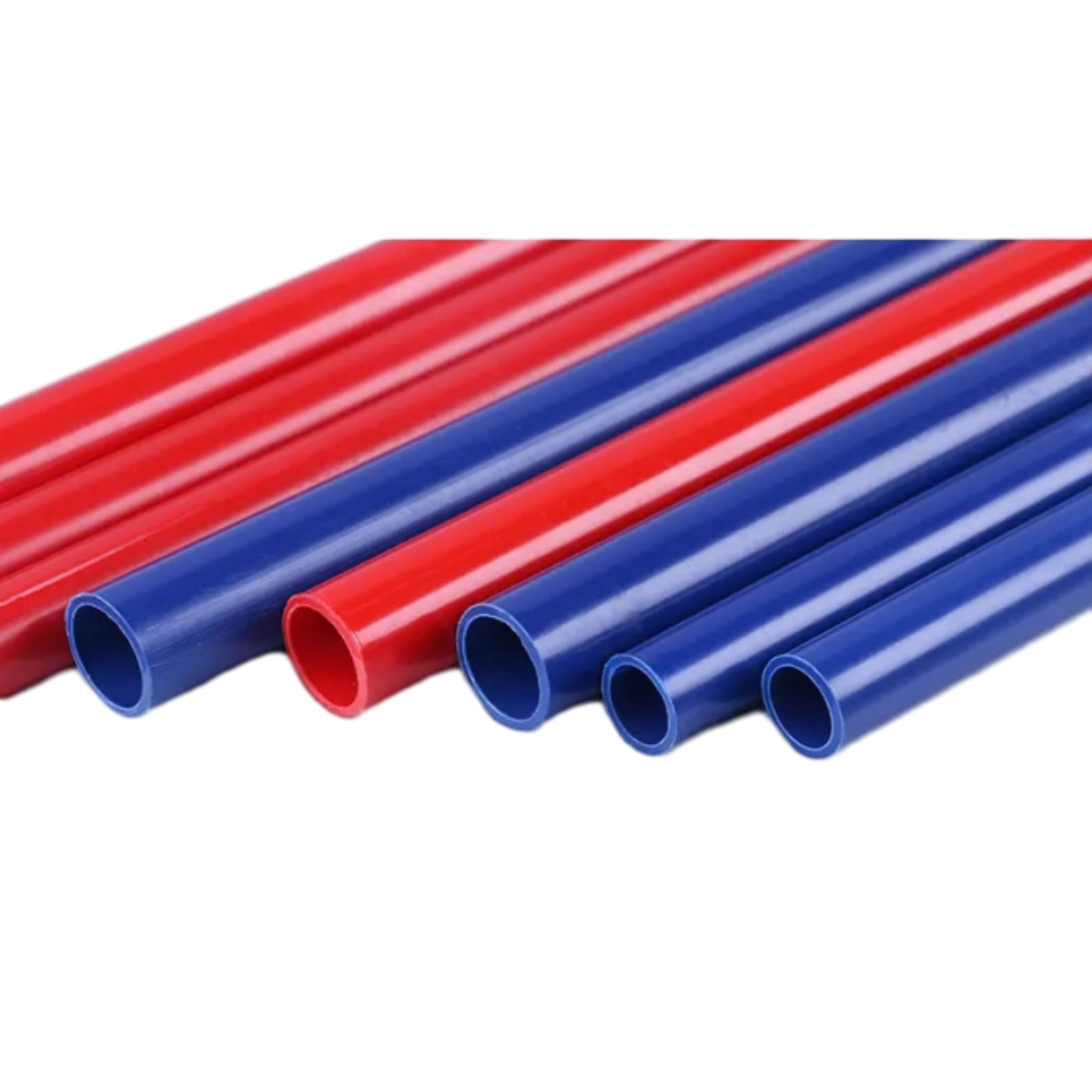
The engineering performance of PPR CT pipes is significantly influenced by its resistance to elevated temperatures and chemical attack. The chlorine modification elevates the maximum operating temperature to approximately 95°C, compared to the 70-80°C limit of standard PPR. This capability is crucial for hot water distribution systems and some industrial applications. Furthermore, PPR CT demonstrates excellent resistance to a wide range of chemicals, including dilute acids, alkalis, and salts. However, it’s important to note its susceptibility to attack by strong oxidizing agents and aromatic hydrocarbons. Force analysis reveals that PPR CT exhibits a high strength-to-weight ratio, offering comparable mechanical properties to some metal alloys at a fraction of the weight. This translates into easier installation and reduced support requirements.
Compliance requirements mandate adherence to stringent pressure testing standards. Hydrostatic pressure tests, conducted according to standards like GB/T5836.1 and EN 1487, ensure that pipes can withstand sustained internal pressure without failure. The design of PPR CT piping systems must account for thermal expansion and contraction. Coefficient of linear expansion for PPR CT is approximately 0.15 mm/m°C. Expansion loops or flexible connections are essential to mitigate stresses caused by temperature fluctuations. The long-term hydrostatic strength (LTHS) is a critical parameter, defining the pipe's ability to withstand prolonged internal pressure at elevated temperatures. Manufacturers typically provide LTHS data based on accelerated aging tests conducted according to ISO 11671.
Technical Specifications
| Parameter | Unit | Specification (Typical) | Test Standard |
|---|---|---|---|
| Density | g/cm³ | 0.94 – 0.98 | GB/T 1843 |
| Maximum Operating Temperature | °C | 95 | DIN 8077 |
| Hydrostatic Pressure (1hr, 70°C) | MPa | 1.25 | GB/T 5836.1 |
| Long-Term Hydrostatic Strength (LTHS) | MPa | 1.0 | ISO 11671 |
| Chlorine Content | % by weight | 25 – 30 | Internal Method |
| Coefficient of Linear Expansion | mm/m°C | 0.15 | Calculated |
Failure Mode & Maintenance
PPR CT pipes, while durable, are susceptible to specific failure modes. Fatigue cracking can occur due to repeated pressure cycles or mechanical stress, particularly at joints or areas of concentrated stress. Delamination, the separation of layers within the pipe wall, can result from improper processing during manufacturing or exposure to prolonged UV radiation. Chemical degradation, though resisted by the chlorination, can occur if exposed to incompatible substances, leading to swelling, embrittlement, or leaching of components. Oxidation, accelerated by elevated temperatures, can cause surface deterioration and reduction in mechanical properties.
Preventive maintenance involves regular visual inspections for signs of cracking, discoloration, or leakage. Proper support structures should be installed to minimize mechanical stress. Avoid direct exposure to prolonged sunlight by using UV-resistant coatings or shielding. When joining pipes, ensure proper solvent cementing techniques are followed, using compatible adhesives and allowing sufficient curing time. If a leak develops, the affected section should be replaced entirely, as repairs are generally not recommended for PPR CT pipes. Flush the system periodically to remove sediment or debris that could contribute to erosion or corrosion. Periodic testing of water quality can prevent premature degradation from unknown chemical contaminants.
Industry FAQ
Q: What is the primary advantage of PPR CT pipe over standard PPR in industrial applications?
A: The key advantage lies in the enhanced chemical resistance offered by the chlorination process. Standard PPR is susceptible to swelling and degradation when exposed to chlorine-containing compounds commonly found in industrial processes. PPR CT maintains its structural integrity in these environments, extending service life and reducing the risk of failure.
Q: How does the thermal expansion of PPR CT pipe impact system design?
A: PPR CT has a relatively high coefficient of linear expansion. System designs must incorporate expansion loops, flexible connectors, or properly spaced expansion joints to accommodate thermal movement. Ignoring this can lead to significant stresses on the pipe and joints, potentially causing leaks or failures.
Q: What solvents are compatible with PPR CT pipe for joining?
A: Only solvents specifically formulated for PPR CT pipe should be used. These are typically methyl ethyl ketone (MEK)-based, containing stabilizers to prevent degradation of the polymer. Using incompatible solvents can weaken the joint and lead to premature failure. Always verify the solvent’s compatibility with the pipe manufacturer’s specifications.
Q: What is the typical lifespan of a properly installed PPR CT piping system?
A: A properly installed and maintained PPR CT piping system can have a lifespan exceeding 50 years under typical operating conditions. However, this is dependent on factors such as water quality, operating temperature, and exposure to UV radiation. Regular inspections and adherence to maintenance recommendations are crucial to maximizing service life.
Q: Does PPR CT pipe require grounding or bonding in electrical applications?
A: PPR CT pipe is a non-conductive material and does not require grounding or bonding for electrical purposes. However, if metallic fittings are used in conjunction with the pipe, those fittings may require grounding according to local electrical codes.
Conclusion
PPR CT pipe represents a robust and reliable solution for a wide range of fluid conveyance applications. Its enhanced resistance to temperature, chemicals, and pressure, coupled with its ease of installation and long-term durability, positions it as a compelling alternative to traditional metal piping systems. The key to successful implementation lies in understanding the material's properties, adhering to proper installation techniques, and implementing a preventative maintenance program.
Looking ahead, advancements in PPR CT formulations – specifically in UV stabilization and impact modification – will further broaden its application scope. Increased emphasis on lifecycle cost analysis, considering factors beyond initial material cost, will likely drive greater adoption of PPR CT in infrastructure projects. Continued adherence to stringent quality control standards, guided by international regulations, will ensure the long-term performance and reliability of this increasingly prevalent piping material.
-
DN25 HDPE Compression Fitting-HORON INTERNATIONAL|Reliable Irrigation Solutions
NewsFeb.11,2026
-
china corrugated pipe double wall Manufacturing Analysis
News2026-05-15
-
china ppr ct pipe Technical Analysis
News2026-05-15
-
china 32mm ppr Performance Analysis
News2026-05-15
-
china 63mm ppr pipe price Performance Analysis
News2026-05-15
-
china 1 ppr pipe price Performance Analysis
News2026-05-15
-
china 32mm ppr pipe price Performance Analysis
News2026-05-14
-
china hdpe pipe for sale Performance Analysis
News2026-05-14
-
china ppr pipe 32mm Performance Analysis
News2026-05-14
-
china pvc pipes Manufacturing and Performance Analysis
News2026-05-14
-
china hdpe n 12 corrugated dual wall pipe Performance Analysis
News2026-05-14
-
china hdpe corrugated pipe sizes Performance Analysis
News2026-05-13
-
china ppr pipe for hot and cold water Technical Overview
News2026-05-13
-
china 150mm pvc pipe Performance Analysis
News2026-05-13
-
china 60mm pvc pipe Performance Analysis
News2026-05-13
-
china 12 inch diameter pvc pipe Performance Analysis
News2026-05-13