

Feb . 11, 2026 00:01 Back to list
china 63mm ppr pipe price Performance Analysis
Introduction
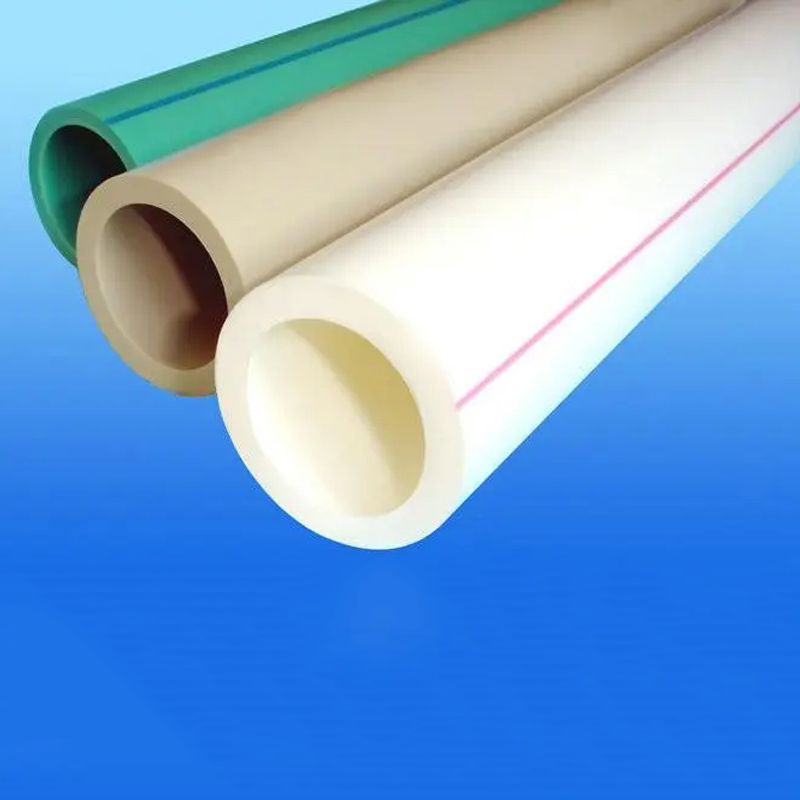
Polypropylene Random (PPR) piping systems have become a ubiquitous component of modern fluid conveyance infrastructure, particularly within potable water, heating, and cooling networks. The 63mm diameter pipe, commonly sourced from China, represents a standard size employed in residential, commercial, and industrial applications. Its popularity stems from a balance of cost-effectiveness, corrosion resistance, and ease of installation. This technical guide provides an in-depth analysis of china 63mm PPR pipe, encompassing material science, manufacturing processes, performance characteristics, potential failure modes, and relevant industry standards. The primary pain points addressed by this technology concern long-term durability under varying pressure and temperature conditions, resistance to chemical degradation from water treatment additives, and adherence to stringent regulatory requirements regarding potable water safety. Understanding these factors is critical for engineers, procurement managers, and installers to ensure optimal system performance and longevity. The 'price' component is intrinsically linked to material grade, manufacturing consistency, and adherence to quality control protocols.
Material Science & Manufacturing
PPR pipes are manufactured from polypropylene random copolymer, a thermoplastic polymer produced through the polymerization of propylene monomers. The 'random' designation indicates a non-linear chain structure, enhancing the material's impact resistance and flexibility compared to homopolymer polypropylene. Raw materials typically include polypropylene homopolymer and random copolymer resins, along with stabilizers (antioxidants and UV absorbers), and potentially colorants. The critical physical properties are a density of approximately 0.905-0.92 g/cm³, a tensile strength ranging from 20-30 MPa, and a flexural modulus of 800-1200 MPa. These parameters are highly sensitive to the molecular weight distribution and comonomer content of the polypropylene resin. Manufacturing involves extrusion, a process where molten polypropylene is forced through a die to form a continuous pipe. Key parameters during extrusion include melt temperature (typically 200-240°C), extrusion speed, and die pressure. Precise control of these parameters is vital to ensure dimensional accuracy, uniform wall thickness, and a smooth surface finish. Post-extrusion processes involve cooling (water bath or air cooling), cutting to desired lengths, and quality control checks including hydrostatic pressure testing and visual inspection. The welding of PPR pipes (typically using heat fusion methods like socket fusion or butt fusion) relies on the material's ability to form a homogenous weld with itself, creating a leak-proof joint.
Performance & Engineering
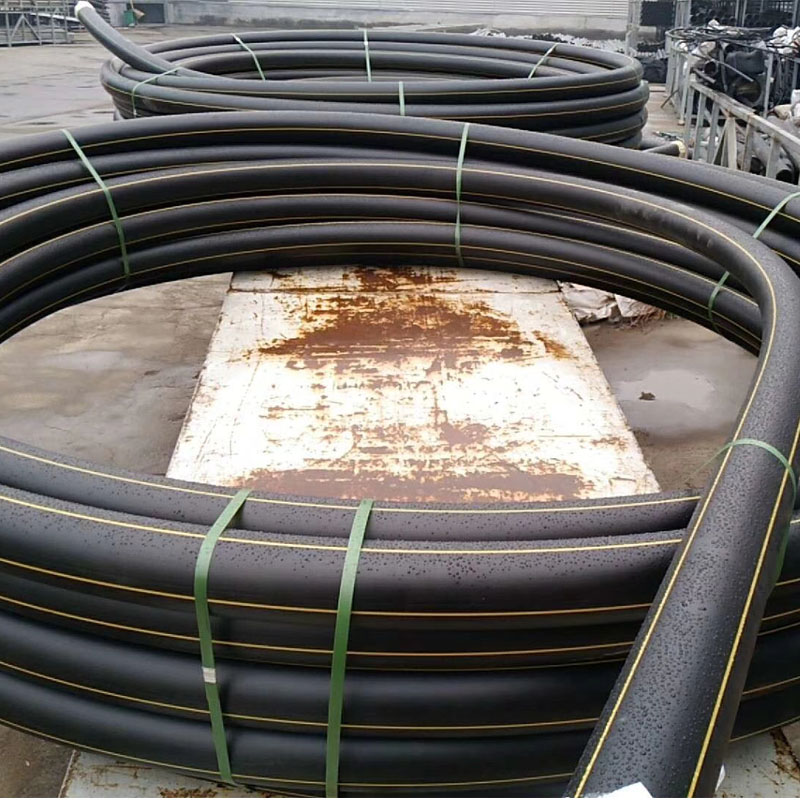
The performance of 63mm PPR pipe is governed by its ability to withstand hydrostatic pressure, thermal expansion/contraction, and chemical attack. Hydrostatic pressure testing, typically conducted at 1.6 MPa (232 psi) for extended periods, verifies the pipe's resistance to bursting under pressure. The allowable operating pressure is significantly lower, dictated by factors like water temperature and safety factors specified in relevant standards. Thermal expansion, with a coefficient of approximately 0.15 mm/m°C, necessitates the inclusion of expansion loops or flexible connectors in long pipe runs to prevent stress cracking. Chemical resistance is generally excellent for common water treatment chemicals like chlorine, but prolonged exposure to highly concentrated oxidizing agents can lead to degradation. Force analysis reveals that hoop stress (stress circumferential to the pipe) is the dominant stress component under internal pressure. The pipe wall thickness is engineered to manage this stress while maintaining a reasonable weight and cost. Compliance requirements vary regionally but typically involve adherence to standards relating to potable water safety (ensuring no leaching of harmful chemicals), fire resistance (PPR is combustible), and mechanical strength. Proper support and anchoring of the pipe are critical to prevent excessive bending stresses and maintain structural integrity. The impact resistance of PPR is assessed using impact testing methods like the Charpy impact test, providing a measure of its ability to withstand sudden loads.
Technical Specifications
| Parameter | Unit | Specification (Typical) | Test Method |
|---|---|---|---|
| Nominal Diameter | mm | 63 | ISO 15876 |
| Wall Thickness | mm | 4.2 - 6.0 | ISO 15876 |
| Pressure Rating (PN) | bar | PN16, PN20, PN25 | ISO 15876 |
| Tensile Strength | MPa | 20-30 | ISO 527-2 |
| Elongation at Break | % | 200-400 | ISO 527-2 |
| Water Absorption | % (24hr) | <0.1 | ISO 62 |
Failure Mode & Maintenance
Common failure modes in 63mm PPR pipe include slow crack growth (SCG) induced by sustained tensile stress and exposure to aggressive chemicals, particularly chlorine and residual disinfectants. SCG typically initiates at stress concentrators like weld joints or imperfections in the pipe wall. Another failure mode is thermal fatigue cracking, occurring due to repeated expansion and contraction cycles, especially in systems with inadequate expansion compensation. Oxidation, caused by exposure to high temperatures and oxygen, can lead to embrittlement and reduced mechanical properties. Delamination, a separation of layers within the pipe wall, can result from inadequate fusion during welding or material defects. Maintenance involves regular visual inspection for leaks, cracks, and deformation. Hydrostatic pressure testing can be performed periodically to assess the overall integrity of the system. If leaks are detected, localized repairs can be made using heat fusion welding, ensuring compatibility with the original material. Preventive maintenance should include proper support and anchoring of the pipe, minimizing stress concentrations, and controlling water temperature fluctuations. Avoiding the use of abrasive cleaning agents and mechanical damage during installation are also critical. Periodic flushing of the system can remove sediment and debris that may contribute to corrosion or SCG.
Industry FAQ
Q: What is the maximum allowable operating temperature for a 63mm PPR pipe rated PN20?
A: The maximum allowable operating temperature for a PN20 rated 63mm PPR pipe is typically 70°C (158°F) at the specified pressure. However, this is dependent on the specific formulation of the polypropylene resin and the manufacturer’s recommendations. Sustained exposure to temperatures exceeding this limit can lead to a significant reduction in pressure rating and potential creep failure.
Q: How does the quality of the welding process impact the long-term performance of PPR pipe joints?
A: The quality of the welding process is paramount. Incomplete fusion, insufficient heating time, or excessive heating can all compromise the joint's strength and lead to premature failure. Proper training of welders, use of calibrated welding tools, and adherence to manufacturer-specified welding parameters are essential. Regular visual inspection of weld beads for uniformity and absence of defects is also critical.
Q: What is the impact of water hardness on the lifespan of PPR piping systems?
A: High water hardness can lead to the formation of scale deposits within the pipe, reducing flow capacity and potentially creating crevices where corrosion can initiate. While PPR itself is resistant to corrosion, scale buildup can accelerate localized corrosion of metal fittings or components within the system. Water softening may be necessary in areas with extremely hard water.
Q: Are PPR pipes suitable for transporting compressed air?
A: Generally, PPR pipes are not recommended for transporting compressed air. The inherent permeability of polypropylene to air, coupled with the risk of brittle fracture at low temperatures, makes them unsuitable for this application. Dedicated compressed air piping systems should utilize materials specifically designed for that purpose, such as aluminum or stainless steel.
Q: What are the primary differences between PPR Type 1, Type 2, and Type 3 materials?
A: PPR Type 1 is suitable for cold water applications only. PPR Type 2 is designed for hot and cold water applications up to 70°C. PPR Type 3 offers improved resistance to higher temperatures (up to 95°C) and is generally preferred for central heating systems or applications with demanding thermal requirements. The different types vary in their molecular weight distribution and comonomer content, influencing their temperature resistance and mechanical properties.
Conclusion
China 63mm PPR pipe represents a viable and cost-effective solution for a wide range of fluid conveyance applications, provided that material selection, manufacturing quality, and installation practices adhere to established industry standards. Its inherent corrosion resistance, ease of installation, and relatively low cost contribute to its widespread adoption. However, understanding the material’s limitations, including susceptibility to SCG, thermal expansion, and potential degradation from aggressive chemicals, is crucial for ensuring long-term system reliability.
Continued advancements in polypropylene resin formulations, coupled with improved welding technologies and stricter quality control measures, are expected to further enhance the performance and durability of PPR piping systems. Careful consideration of operational parameters, such as temperature, pressure, and water chemistry, remains essential for maximizing the lifespan and minimizing the risk of failure. Adherence to relevant international standards ensures that systems utilizing 63mm PPR pipe meet stringent safety and performance requirements.
-
DN25 HDPE Compression Fitting-HORON INTERNATIONAL|Reliable Irrigation Solutions
NewsFeb.11,2026
-
china corrugated pipe double wall Manufacturing Analysis
News2026-05-15
-
china ppr ct pipe Technical Analysis
News2026-05-15
-
china 32mm ppr Performance Analysis
News2026-05-15
-
china 63mm ppr pipe price Performance Analysis
News2026-05-15
-
china 1 ppr pipe price Performance Analysis
News2026-05-15
-
china 32mm ppr pipe price Performance Analysis
News2026-05-14
-
china hdpe pipe for sale Performance Analysis
News2026-05-14
-
china ppr pipe 32mm Performance Analysis
News2026-05-14
-
china pvc pipes Manufacturing and Performance Analysis
News2026-05-14
-
china hdpe n 12 corrugated dual wall pipe Performance Analysis
News2026-05-14
-
china hdpe corrugated pipe sizes Performance Analysis
News2026-05-13
-
china ppr pipe for hot and cold water Technical Overview
News2026-05-13
-
china 150mm pvc pipe Performance Analysis
News2026-05-13
-
china 60mm pvc pipe Performance Analysis
News2026-05-13
-
china 12 inch diameter pvc pipe Performance Analysis
News2026-05-13