

Feb . 11, 2026 00:01 Back to list
china 32mm ppr Performance Analysis
Introduction
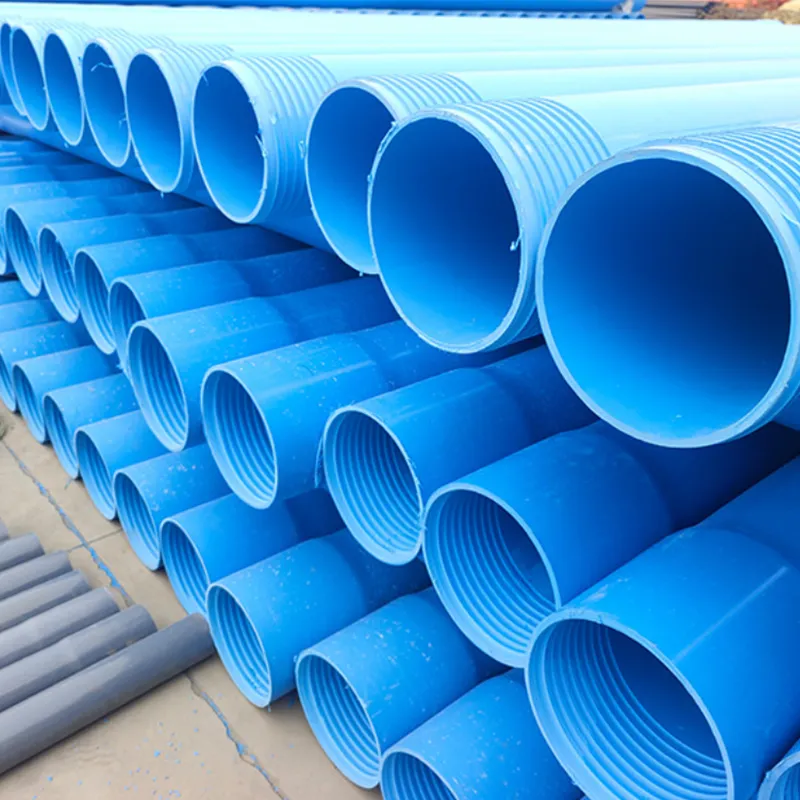
Polypropylene Random Copolymer (PPR) piping, specifically the 32mm variant manufactured in China, represents a significant segment of the modern fluid conveyance infrastructure. Positioned within the building and construction materials supply chain, it serves as a critical component for potable water, heating, and cooling systems. This technical guide provides an in-depth analysis of 32mm PPR pipes, covering material composition, manufacturing processes, performance characteristics, potential failure modes, and relevant industry standards. A key performance indicator for PPR is its Hydrostatic Pressure Rating (HPR), directly influencing its suitability for various applications. The increasing demand for corrosion-resistant, lightweight, and cost-effective piping solutions has driven the widespread adoption of Chinese-manufactured 32mm PPR, necessitating a thorough understanding of its technical attributes and quality control considerations.
Material Science & Manufacturing
32mm PPR pipes are predominantly composed of polypropylene random copolymer resin. This material is derived from propylene monomer polymerization, with a random distribution of ethylene comonomers. The ethylene content, typically ranging from 4-7%, disrupts the polypropylene crystallinity, resulting in enhanced flexibility and impact resistance compared to homopolymer polypropylene. Raw material quality is paramount; variations in molecular weight distribution and ethylene content significantly affect the final product properties. Manufacturing generally follows a three-layer extrusion process. The inner and outer layers utilize the standard PPR compound, while a middle layer often incorporates a reinforcing agent, such as glass fiber, to increase pressure resistance and dimensional stability. Key parameters during extrusion include melt temperature (190-230°C), extrusion speed (optimized for wall thickness and diameter), and cooling rate (critical for crystallinity control). Socket fusion and electrofusion are the primary joining techniques employed. Socket fusion relies on heating both the pipe end and fitting socket to a controlled temperature (typically 130-160°C) and rapidly joining them under pressure. Electrofusion uses an electrically heated fitting, achieving a more uniform weld and higher strength, particularly for larger diameter pipes.
Performance & Engineering
The performance of 32mm PPR pipes is governed by several critical engineering considerations. Tensile strength, typically around 25-35 MPa, dictates its ability to withstand internal pressure and external loads. Long-term hydrostatic strength (LTHS), evaluated through accelerated aging tests (typically 1000-2000 hours at elevated temperatures and pressures), is a crucial metric for service life prediction. Chemical resistance is generally excellent against a wide range of common fluids, including potable water and diluted acids/alkalies, however prolonged exposure to strong oxidizing agents should be avoided. Thermal expansion is a notable characteristic of PPR; the coefficient of linear thermal expansion is approximately 0.15 mm/m°C. This necessitates the incorporation of expansion loops or flexible connectors in long pipeline runs to prevent stress cracking. The pipe's resistance to creep, the tendency to slowly deform under sustained load, is temperature-dependent and must be accounted for in design calculations. Furthermore, compliance with pressure testing standards (e.g., PN16, PN20, PN25, denoting nominal pressure ratings in bar) ensures the system’s integrity and safety. The long-term performance is significantly affected by the quality of the fusion welding process; inadequate heating or pressure can lead to weak joints prone to failure.
Technical Specifications
| Parameter | Unit | Typical Value (China 32mm PPR) | Testing Standard |
|---|---|---|---|
| Nominal Diameter | mm | 32 | GB/T 8892.1-2008 |
| Wall Thickness | mm | 2.3 - 4.2 (dependent on pressure rating) | GB/T 8892.1-2008 |
| Hydrostatic Pressure (PN20) | bar | 2.0 MPa | GB/T 8892.2-2008 |
| Tensile Strength | MPa | 28 - 35 | GB/T 8892.3-2008 |
| Elongation at Break | % | 300 - 600 | GB/T 8892.3-2008 |
| Coefficient of Linear Thermal Expansion | mm/m°C | 0.15 | ASTM E228 |
Failure Mode & Maintenance
Failure modes in 32mm PPR piping systems typically stem from material degradation, improper installation, or operational stresses. Common failure mechanisms include slow crack growth (SCG), induced by sustained tensile stress and exposure to aggressive fluids. Oxidation, particularly at elevated temperatures, can embrittle the material, reducing its impact resistance. Fatigue cracking can occur in areas subjected to cyclic pressure fluctuations. Joint failures are frequent, often attributed to insufficient heating during socket fusion, leading to incomplete weld penetration. Delamination of the reinforcing layer in multi-layer pipes can reduce the overall pressure resistance. Maintenance procedures should include regular visual inspections for leaks, cracks, and deformations. Pressure testing should be conducted periodically to verify system integrity. Minor leaks can often be repaired using PPR patching compounds or by cutting out the damaged section and re-fusing a new segment. Preventative maintenance includes ensuring proper support for the piping to minimize stress and strain, and avoiding exposure to extreme temperatures or corrosive chemicals. For electrofusion joints, a visual inspection of the welding bead is crucial to identify any defects. When addressing leaks, ensure the system is fully depressurized and isolated before commencing repairs.
Industry FAQ
Q: What is the impact of water hardness on the long-term performance of 32mm PPR pipes?
A: High water hardness, characterized by elevated calcium and magnesium ion concentrations, can lead to scale formation inside the pipes. While PPR itself is resistant to scale adhesion, significant buildup can reduce the internal diameter, increasing flow resistance and potentially leading to pressure drop. This also creates crevices where corrosion can initiate on metallic fittings. Regular flushing and, in severe cases, chemical cleaning are recommended mitigation strategies.
Q: What are the key differences between PN16, PN20, and PN25 rated 32mm PPR pipes, and how do I select the appropriate rating for my application?
A: PN16, PN20, and PN25 denote the nominal pressure rating in bar, indicating the maximum sustained operating pressure. PN16 pipes have the lowest pressure resistance and are typically used for cold water applications. PN20 is suitable for most domestic hot and cold water systems. PN25 offers the highest pressure resistance and is recommended for demanding applications such as industrial processes or high-rise buildings with significant static head. Selection should be based on a thorough hydraulic calculation, considering factors such as pump pressure, elevation changes, and expected flow rates.
Q: How does the quality of the fusion welding equipment and operator skill impact the reliability of PPR pipe joints?
A: Fusion welding is a critical process. Poorly maintained or calibrated fusion equipment can result in inconsistent heating temperatures, leading to under-welded or over-welded joints. Operator skill is equally important; insufficient heating time, improper pressure application, or inadequate cleaning of the pipe ends can compromise joint integrity. Regular operator training and adherence to established welding procedures are essential.
Q: What are the implications of using incompatible fittings with 32mm PPR pipes?
A: Using fittings manufactured from different materials or with incompatible dimensions can lead to leaks and premature failure. It is crucial to use fittings specifically designed for PPR and to ensure they conform to relevant standards. Brass fittings, for example, should be designed with a thermal expansion coefficient compatible with PPR to prevent stress cracking.
Q: How do I identify and address potential issues related to thermal expansion in long runs of 32mm PPR piping?
A: Long PPR runs will experience significant thermal expansion and contraction with temperature changes. Failure to accommodate this can induce stress on joints and pipe supports. Expansion loops, expansion joints, or flexible connectors should be incorporated into the piping layout at regular intervals. Pipe supports should allow for longitudinal movement. The frequency and placement of these components depend on the length of the run and the anticipated temperature variations.
Conclusion
China-manufactured 32mm PPR piping represents a viable and cost-effective solution for a wide range of fluid conveyance applications. Its inherent corrosion resistance, ease of installation, and relatively low cost contribute to its widespread adoption. However, achieving long-term reliability necessitates a thorough understanding of the material’s properties, manufacturing nuances, and potential failure modes. Careful attention to fusion welding techniques, proper system design to accommodate thermal expansion, and adherence to relevant industry standards are paramount for maximizing service life and ensuring safe operation.
Future developments in PPR technology are likely to focus on enhancing material properties, such as increasing pressure resistance and improving resistance to slow crack growth. Incorporating advanced additives to mitigate oxidation and UV degradation is also a potential area of innovation. Continued refinement of manufacturing processes and quality control procedures will further solidify the position of Chinese-manufactured 32mm PPR as a leading piping solution in the global construction market.
-
DN25 HDPE Compression Fitting-HORON INTERNATIONAL|Reliable Irrigation Solutions
NewsFeb.11,2026
-
china corrugated pipe double wall Manufacturing Analysis
News2026-05-15
-
china ppr ct pipe Technical Analysis
News2026-05-15
-
china 32mm ppr Performance Analysis
News2026-05-15
-
china 63mm ppr pipe price Performance Analysis
News2026-05-15
-
china 1 ppr pipe price Performance Analysis
News2026-05-15
-
china 32mm ppr pipe price Performance Analysis
News2026-05-14
-
china hdpe pipe for sale Performance Analysis
News2026-05-14
-
china ppr pipe 32mm Performance Analysis
News2026-05-14
-
china pvc pipes Manufacturing and Performance Analysis
News2026-05-14
-
china hdpe n 12 corrugated dual wall pipe Performance Analysis
News2026-05-14
-
china hdpe corrugated pipe sizes Performance Analysis
News2026-05-13
-
china ppr pipe for hot and cold water Technical Overview
News2026-05-13
-
china 150mm pvc pipe Performance Analysis
News2026-05-13
-
china 60mm pvc pipe Performance Analysis
News2026-05-13
-
china 12 inch diameter pvc pipe Performance Analysis
News2026-05-13