

Feb . 11, 2026 00:01 Back to list
china 4 double wall corrugated pipe Performance Analysis
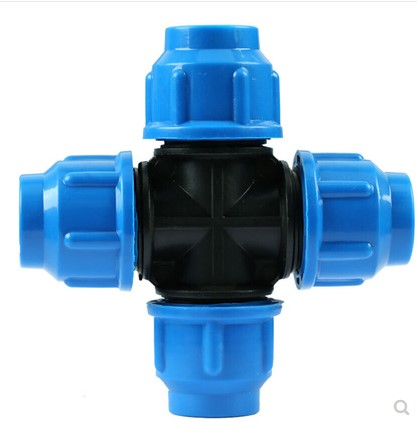
Introduction
China 4 double wall corrugated pipe (DWCP) represents a significant advancement in subsurface drainage and infrastructure solutions. Positioned within the civil engineering and stormwater management sectors, it serves as a robust alternative to traditional concrete, PVC, and HDPE piping systems. DWCP, specifically the '4' designation referring to its minimum 4-inch diameter range, is characterized by its high compressive strength, lightweight nature, and cost-effectiveness. Its core performance lies in efficiently conveying fluids – primarily stormwater, wastewater, and agricultural drainage – while maintaining structural integrity under significant load conditions. A key differentiating factor is its polyethylene (PE) material composition, offering superior corrosion resistance and a smooth interior for minimizing friction loss. This guide will provide a comprehensive technical overview of DWCP, encompassing material science, manufacturing processes, performance characteristics, failure analysis, and relevant industry standards.
Material Science & Manufacturing
DWCP is predominantly manufactured from high-density polyethylene (HDPE), a thermoplastic polymer known for its excellent chemical resistance, durability, and flexibility. The HDPE resin used typically adheres to ASTM D3350 standards, specifying requirements for density, melt flow index, and environmental stress crack resistance (ESCR). The corrugated profile is created through a simultaneous extrusion and forming process. This involves extruding molten HDPE into a cylindrical shape, immediately followed by passing it through a series of shaped rollers. These rollers impart the characteristic corrugated outer wall while simultaneously forming the smooth inner wall. Critical parameters include extrusion temperature (typically between 180-240°C), roller gap settings (dictating corrugation height and pitch), and cooling rates. Variations in these parameters directly impact the pipe’s dimensional accuracy, ring stiffness, and overall structural integrity. The double-wall construction utilizes an inner liner and an outer corrugated layer. The inner liner provides a smooth flow path, minimizing headloss, while the corrugated outer layer provides substantial structural support to resist external loads. The bonding between the inner and outer layers is crucial and relies on proper HDPE melt compatibility and controlled cooling to ensure a cohesive bond. Additives, such as UV stabilizers and antioxidants, are incorporated into the HDPE resin to enhance its long-term performance and resistance to environmental degradation.
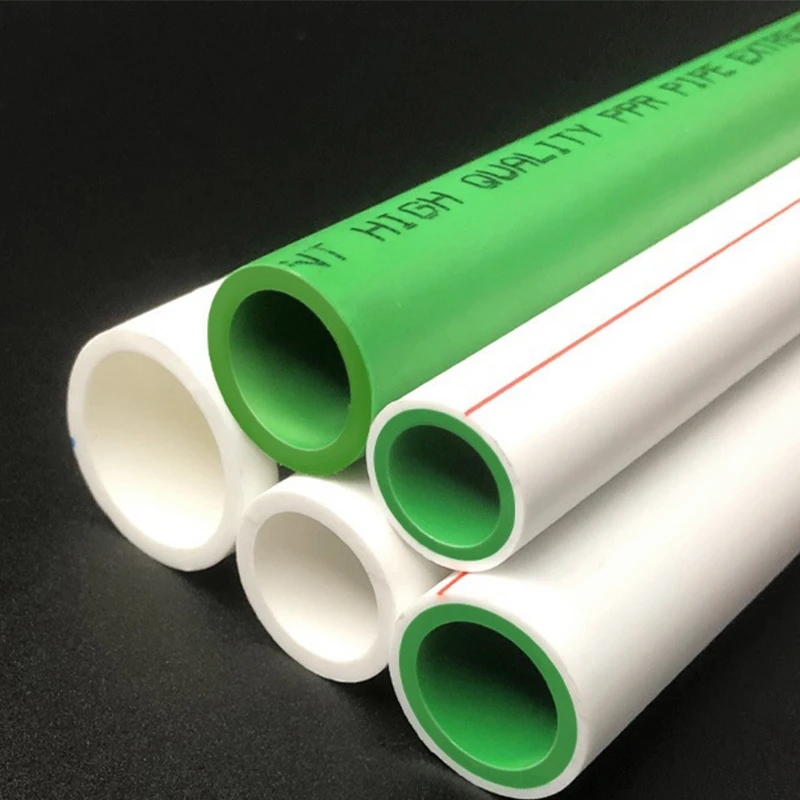
Performance & Engineering
DWCP performance is heavily influenced by its ability to withstand both internal hydrostatic pressure and external loads, such as soil overburden and traffic loads. Engineering calculations are based on ring stiffness, a measure of the pipe’s resistance to deformation under external load. Ring stiffness is determined using the AASHTO M294 standard test method. The corrugated profile contributes significantly to the pipe's load-bearing capacity. Force analysis typically involves finite element modeling (FEM) to simulate the stress distribution within the pipe structure under various loading scenarios. Environmental resistance is paramount; HDPE exhibits excellent resistance to most chemicals encountered in subsurface environments, including acids, bases, and salts. However, prolonged exposure to strong oxidizing agents or certain hydrocarbons can lead to degradation. DWCP installations must adhere to local building codes and regulations concerning stormwater management and drainage. Compliance requirements often include considerations for hydraulic capacity, slope, and connection details. Proper jointing techniques, utilizing couplers specifically designed for DWCP, are essential to maintain the system’s integrity and prevent infiltration/exfiltration. The Manning’s equation is commonly used to calculate flow rates and determine appropriate pipe sizing based on anticipated hydraulic loads. Furthermore, the long-term creep behavior of HDPE must be considered in design calculations, especially for applications with sustained loads.
Technical Specifications
| Parameter | Units | Typical Value (4-inch DWCP) | Test Standard |
|---|---|---|---|
| Nominal Diameter | inches | 4 | ASTM F894 |
| Ring Stiffness | psi | 65 - 85 | AASHTO M294 |
| Pipe Stiffness (PSI) | psi | 24 | ASTM D2412 |
| Tensile Strength at Yield | psi | 4,000 | ASTM D638 |
| Elongation at Break | % | 300 | ASTM D638 |
| Hydrostatic Design Head | feet | 50 | ASTM F894 |
Failure Mode & Maintenance
DWCP, while durable, is susceptible to several failure modes. Fatigue cracking can occur due to repeated loading cycles, especially in areas with poor bedding or uneven support. This is exacerbated by the presence of stress concentrators, such as damaged corrugations or improperly installed joints. Delamination, the separation of the inner and outer layers, can occur due to inadequate bonding during manufacturing or exposure to extreme temperatures. Degradation, caused by UV exposure or chemical attack, can lead to a reduction in mechanical properties and premature failure. Oxidation, a slow process accelerated by heat and oxygen, can also contribute to material embrittlement. Maintenance typically involves regular inspections to identify signs of damage, such as cracks, deformations, or joint failures. Proper bedding and backfill procedures are critical to prevent soil loading and stress concentrations. In cases of minor cracking, repairs can be made using specialized patching compounds compatible with HDPE. For significant damage, pipe replacement may be necessary. Preventative maintenance includes ensuring proper drainage pathways to minimize hydrostatic pressure and avoiding the use of heavy machinery directly over the buried pipe. Periodically flushing the pipe with water can help remove debris and maintain flow capacity. It's crucial to document all inspections and repairs for long-term performance monitoring.
Industry FAQ
Q: What is the primary advantage of DWCP over traditional concrete pipe in terms of installation?
A: DWCP is significantly lighter than concrete pipe, typically around 20% the weight. This translates to reduced labor costs, simpler handling requirements, and potentially lower transportation expenses. The lighter weight also allows for faster installation, minimizing disruption to surrounding infrastructure.
Q: How does the corrugated design contribute to the structural integrity of the pipe?
A: The corrugated profile creates a series of arches that distribute external loads more effectively than a smooth-walled pipe. This allows DWCP to withstand substantial soil overburden and traffic loads without deformation or failure. The corrugations increase the pipe’s rigidity and resistance to buckling.
Q: What measures can be taken to prevent environmental stress cracking (ESC) in DWCP?
A: ESC is caused by the combined effects of stress, chemical exposure, and environmental conditions. Selecting HDPE resin with high ESCR performance, providing adequate bedding and backfill support to minimize stress, and avoiding exposure to aggressive chemicals are key preventative measures.
Q: What is the typical service life expectancy of a properly installed DWCP system?
A: With proper installation and maintenance, a DWCP system can have a service life expectancy of 50 years or more. However, this can vary depending on the specific environmental conditions, loading conditions, and the quality of the materials used.
Q: Are there any specific jointing requirements for DWCP to ensure watertight connections?
A: Yes, it’s essential to use couplers specifically designed for DWCP. These couplers typically employ a rubber gasket seal to create a watertight connection. Proper installation of the couplers, following the manufacturer’s instructions, is crucial to prevent infiltration and exfiltration.
Conclusion
China 4 double wall corrugated pipe offers a compelling combination of performance, cost-effectiveness, and ease of installation, making it a preferred choice for a wide range of drainage and infrastructure applications. Its HDPE construction provides excellent corrosion resistance, while the corrugated profile delivers exceptional structural strength. Understanding the material science, manufacturing processes, and potential failure modes is critical for ensuring long-term reliability and maximizing the benefits of this technology.
Future advancements in DWCP technology are likely to focus on incorporating recycled materials, enhancing UV resistance, and developing smart pipe systems with embedded sensors for monitoring performance and detecting potential problems. Continued adherence to industry standards and best practices will be essential to maintain the integrity and sustainability of DWCP infrastructure.
-
DN25 HDPE Compression Fitting-HORON INTERNATIONAL|Reliable Irrigation Solutions
NewsFeb.11,2026
-
china 15mm ppr pipe Performance Analysis
News2026-05-16
-
china dual wall corrugated drain pipe Performance Analysis
News2026-05-16
-
china hdpe to pvc transition coupling Performance Analysis
News2026-05-16
-
china dn25 hdpe fittings fast connect couplings for irrigation Performance Analysis
News2026-05-16
-
china 4 double wall corrugated pipe Performance Analysis
News2026-05-16
-
china corrugated pipe double wall Manufacturing Analysis
News2026-05-15
-
china ppr ct pipe Technical Analysis
News2026-05-15
-
china 32mm ppr Performance Analysis
News2026-05-15
-
china 63mm ppr pipe price Performance Analysis
News2026-05-15
-
china 1 ppr pipe price Performance Analysis
News2026-05-15
-
china 32mm ppr pipe price Performance Analysis
News2026-05-14
-
china hdpe pipe for sale Performance Analysis
News2026-05-14
-
china ppr pipe 32mm Performance Analysis
News2026-05-14
-
china pvc pipes Manufacturing and Performance Analysis
News2026-05-14
-
china hdpe n 12 corrugated dual wall pipe Performance Analysis
News2026-05-14