

Feb . 11, 2026 00:01 Back to list
water pipe for kitchen sink product Performance Analysis
Introduction
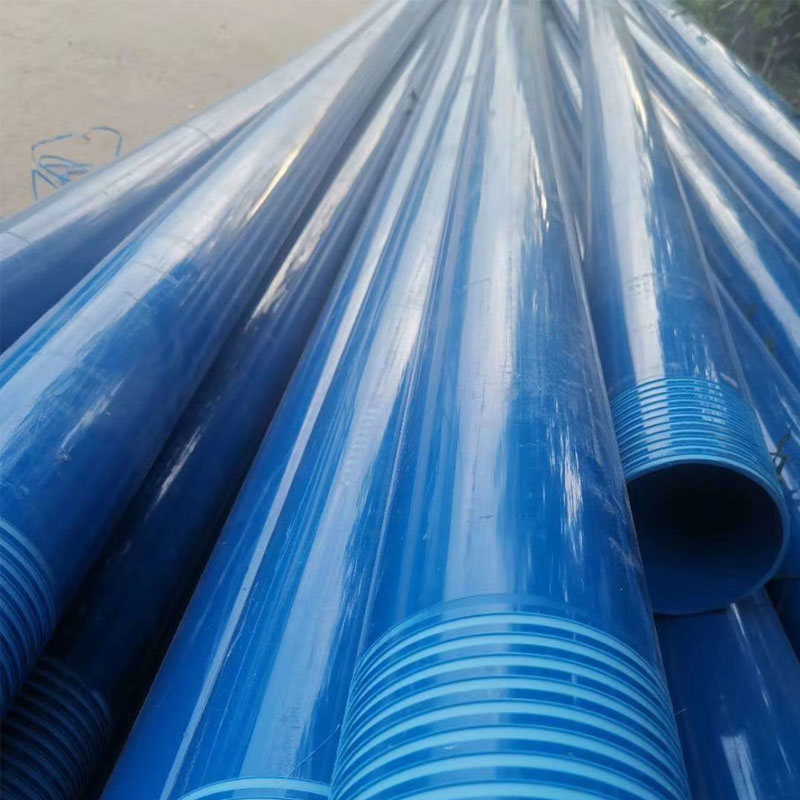
Kitchen sink water pipes are a critical, yet often overlooked, component of residential and commercial plumbing systems. These pipes, typically constructed from materials like polyethylene (PEX), chlorinated polyvinyl chloride (CPVC), and stainless steel, facilitate the supply of potable water to the faucet and the drainage of wastewater. Their performance directly impacts water quality, sanitation, and the long-term durability of the entire kitchen plumbing infrastructure. This guide provides a comprehensive technical overview of kitchen sink water pipes, encompassing material science, manufacturing processes, performance characteristics, failure modes, and relevant industry standards. Understanding these aspects is crucial for specifiers, installers, and maintenance personnel seeking to ensure reliable and compliant plumbing systems. The industry currently faces pain points regarding material degradation due to water chemistry, installation errors leading to leaks, and the need for sustainable and cost-effective piping solutions. This guide addresses these concerns with detailed technical analysis.
Material Science & Manufacturing
The selection of material for kitchen sink water pipes is dictated by several factors, including cost, durability, temperature resistance, and regulatory compliance. PEX, a cross-linked polyethylene, is widely used for hot and cold water supply lines due to its flexibility, resistance to corrosion, and freeze-crack prevention. CPVC, chlorinated polyvinyl chloride, offers higher temperature resistance than standard PVC and is often used for hot water lines. Stainless steel, particularly 304 and 316 grades, provides exceptional durability, corrosion resistance, and hygienic properties, making it suitable for demanding applications. Manufacturing processes vary depending on the material. PEX pipes are typically produced through a cross-linking process of polyethylene using either peroxide, radiation, or silane methods, influencing the pipe’s thermal stability and long-term performance. CPVC pipes are manufactured via extrusion, where molten CPVC resin is forced through a die to create the desired pipe dimensions. Careful control of extrusion temperature, screw speed, and die design is essential to ensure dimensional accuracy and material homogeneity. Stainless steel pipes are produced through processes like welding, seamless drawing, or spiral winding. Welding requires precise control of heat input and shielding gas to prevent oxidation and ensure a strong, leak-proof joint. Key parameters monitored during manufacturing include material density, tensile strength, dimensional tolerances, and hydrostatic pressure testing to ensure product integrity.
Performance & Engineering
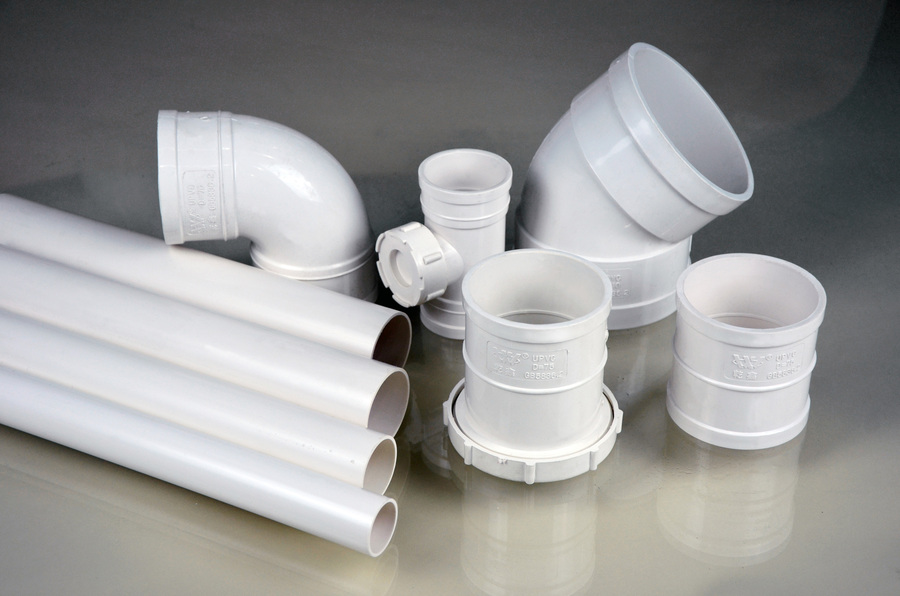
The performance of kitchen sink water pipes is governed by several engineering principles. Hydrostatic pressure testing is critical to verifying the pipe's ability to withstand internal water pressure without failure. Burst pressure, the maximum pressure a pipe can withstand before rupture, is a key performance indicator. Force analysis, considering both static and dynamic loads, is essential during installation to prevent stress concentrations and potential cracking. Thermal expansion and contraction must be accounted for, particularly with PEX and CPVC pipes, to prevent strain on joints and fittings. Environmental resistance is another crucial factor. Exposure to UV radiation can degrade PEX pipes over time, necessitating UV-resistant coatings or shielding. Chemical resistance is paramount, as contact with certain cleaning agents or waterborne contaminants can cause material degradation. Compliance requirements, such as NSF/ANSI 61 for drinking water system components and UPC/IPC plumbing codes, dictate material safety, lead content limits, and installation practices. Furthermore, noise reduction is becoming increasingly important, with manufacturers employing techniques like insulation or damping materials to minimize water hammer and pipe vibration.
Technical Specifications
| Material | Operating Temperature (°F) | Burst Pressure (PSI) | Diameter (inches) |
|---|---|---|---|
| PEX (Cross-linked Polyethylene) | 40 – 180 | 800 – 1000 | 0.5 – 2 |
| CPVC (Chlorinated Polyvinyl Chloride) | 40 – 200 | 400 – 600 | 0.5 – 4 |
| Stainless Steel 304 | 32 – 250 | 1500 – 2000 | 0.5 – 3 |
| Stainless Steel 316 | 32 – 250 | 1800 – 2200 | 0.5 – 3 |
| Polypropylene Random (PPR) | 32 - 176 | 500 - 800 | 0.5 - 2.5 |
| Copper Type L | 32 - 250 | 1200 - 1500 | 0.375 - 3 |
Failure Mode & Maintenance
Kitchen sink water pipes are susceptible to various failure modes. PEX pipes can experience slow crack growth due to residual stress and exposure to chlorine. CPVC pipes can become brittle over time, particularly at elevated temperatures, leading to cracking. Stainless steel pipes, while highly durable, can corrode in the presence of chlorides or other aggressive chemicals. Common failure modes include pinhole leaks, caused by corrosion or manufacturing defects; joint failures, resulting from improper installation or material incompatibility; and freeze cracking, which occurs when water freezes and expands within the pipe. Preventative maintenance is crucial. Regular inspection for leaks, corrosion, and damage is recommended. Flushing the pipes periodically to remove sediment and debris can prevent blockages. For PEX systems, ensuring proper support and avoiding sharp bends during installation minimizes stress concentration. For CPVC systems, using appropriate primers and cements during jointing is essential. In the event of a leak, immediate repair or replacement of the affected section is necessary. When replacing pipes, it’s essential to select materials compatible with existing plumbing components and to adhere to local plumbing codes.
Industry FAQ
Q: What is the primary advantage of PEX over copper for kitchen sink water lines?
A: PEX offers significant advantages in terms of cost, flexibility, and freeze-crack resistance. Its flexibility simplifies installation, particularly in tight spaces, and its resistance to bursting when frozen eliminates a common failure point associated with rigid copper pipes. Furthermore, PEX is less susceptible to corrosion than copper, particularly in areas with acidic water.
Q: How does water quality impact the lifespan of CPVC pipes?
A: The pH and chemical composition of the water significantly impact CPVC lifespan. Highly acidic water can accelerate the degradation of CPVC, leading to embrittlement and potential leaks. Similarly, the presence of chlorine or other oxidizing agents can also contribute to material degradation. Water softening and filtration can mitigate these effects.
Q: What are the considerations when selecting stainless steel for kitchen sink water pipes?
A: While stainless steel offers exceptional durability, the grade of stainless steel is crucial. 316 stainless steel provides superior corrosion resistance compared to 304, particularly in environments with high chloride concentrations. Cost is also a significant factor, as stainless steel is generally more expensive than PEX or CPVC.
Q: What are the key installation best practices for PEX piping systems?
A: Proper insertion depth of the pipe into fittings, using the correct expansion or crimp tools, and providing adequate support to prevent sagging or strain on joints are critical. Avoiding sharp bends and ensuring the pipe is protected from UV exposure are also essential for long-term reliability.
Q: What is the role of hydrostatic testing in ensuring the integrity of a new water pipe installation?
A: Hydrostatic testing involves pressurizing the piping system to a level exceeding its normal operating pressure for a specified period. This test verifies the absence of leaks and confirms the system's ability to withstand pressure fluctuations. It’s a crucial step in ensuring the long-term integrity and safety of the plumbing system.
Conclusion
Kitchen sink water pipes are a fundamental component of modern plumbing, requiring careful material selection, meticulous manufacturing, and proper installation to ensure reliable and safe operation. The choice between PEX, CPVC, and stainless steel depends on a balance of factors including cost, temperature requirements, chemical compatibility, and long-term durability considerations. Understanding the potential failure modes and implementing preventative maintenance practices are crucial for maximizing the lifespan of these systems.
Future trends in kitchen sink water pipe technology are likely to focus on developing more sustainable materials, incorporating smart monitoring systems to detect leaks and predict failures, and improving installation techniques to reduce labor costs and minimize the risk of errors. Continued adherence to industry standards and best practices will be essential for maintaining the integrity and safety of our nation’s plumbing infrastructure.
-
DN25 HDPE Compression Fitting-HORON INTERNATIONAL|Reliable Irrigation Solutions
NewsFeb.11,2026
-
discount 40mm pvc pipe Performance Analysis
News2026-06-26
-
discount hdpe to pvc connection Performance Analysis
News2026-06-26
-
discount ppr pipe 1 price Technical Analysis
News2026-06-26
-
discount colored pvc pipe Material Science and Manufacturing
News2026-06-26
-
discount hdpe pipe price list pdf Performance and Engineering
News2026-06-26
-
discount ppr for hot water Performance Analysis
News2026-06-25
-
discount bulk pvc pipe Material Performance
News2026-06-25
-
discount pvc pipes price list Material Science and Manufacturing
News2026-06-25
-
discount 20 ft pvc pipe Performance Analysis
News2026-06-25
-
discount ppr cold water pipe Performance Analysis
News2026-06-25
-
discount 24 inch diameter pvc pipe price Performance Analysis
News2026-06-24
-
discount 4 hdpe drain pipe Performance Analysis
News2026-06-24
-
discount 12 hdpe pipe Performance Analysis
News2026-06-24
-
discount hdpe reducing coupling Performance Analysis
News2026-06-24
-
discount hdpe corrugated sewer pipe Performance Engineering
News2026-06-24