

Feb . 11, 2026 00:01 Back to list
pvc to hdpe connection service Performance Analysis
Introduction
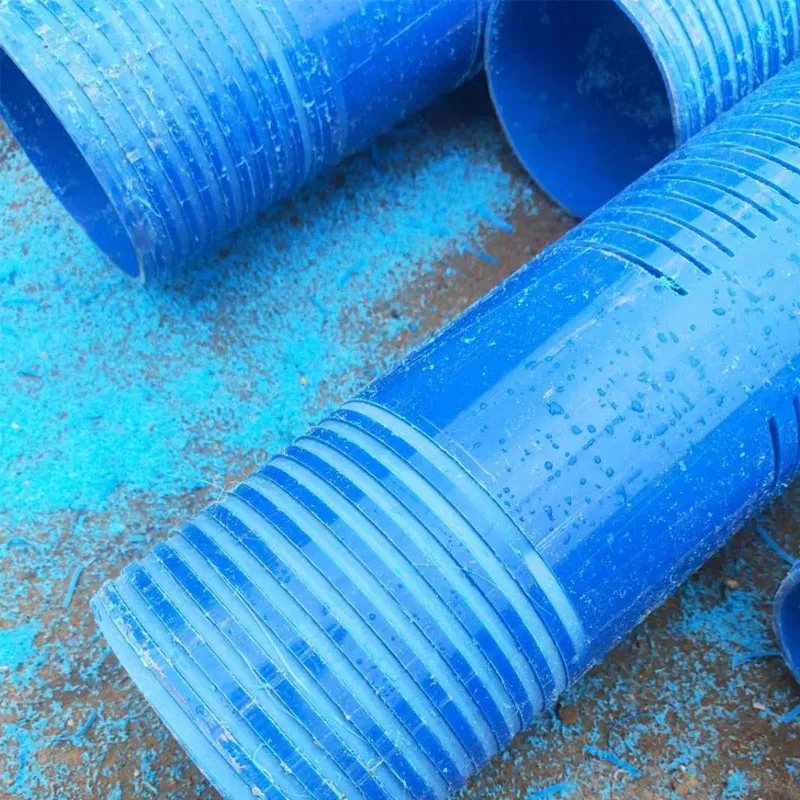
PVC to HDPE connection services address the critical need for joining two dissimilar thermoplastic materials commonly used in fluid transfer, irrigation, and drainage systems. Polyvinyl Chloride (PVC) and High-Density Polyethylene (HDPE) offer distinct advantages – PVC for its rigidity and cost-effectiveness, and HDPE for its flexibility, impact resistance, and chemical inertness. However, direct welding or solvent cementing of these materials is impossible due to their differing chemical compositions and melting temperatures. This technical guide details the methodologies, material considerations, performance characteristics, potential failure modes, and industry standards associated with reliable PVC to HDPE connections. The core challenge lies in achieving a leak-proof, structurally sound joint capable of withstanding internal pressure, external loads, and environmental stresses. This guide will cover mechanical, adhesive, and specialized transition fitting solutions, detailing their respective strengths and limitations, and outlining best practices for implementation and long-term performance.
Material Science & Manufacturing
PVC is an amorphous thermoplastic polymer produced by the polymerization of vinyl chloride. Its primary raw material, ethylene dichloride (EDC), is derived from ethylene and chlorine. PVC’s inherent rigidity stems from its molecular structure and can be modified through the addition of plasticizers to achieve desired flexibility. HDPE, conversely, is a linear polymer formed by the polymerization of ethylene. The production process typically utilizes Ziegler-Natta or metallocene catalysts to control the polymer chain length and density. HDPE’s crystallinity contributes to its strength, chemical resistance, and lower permeability.
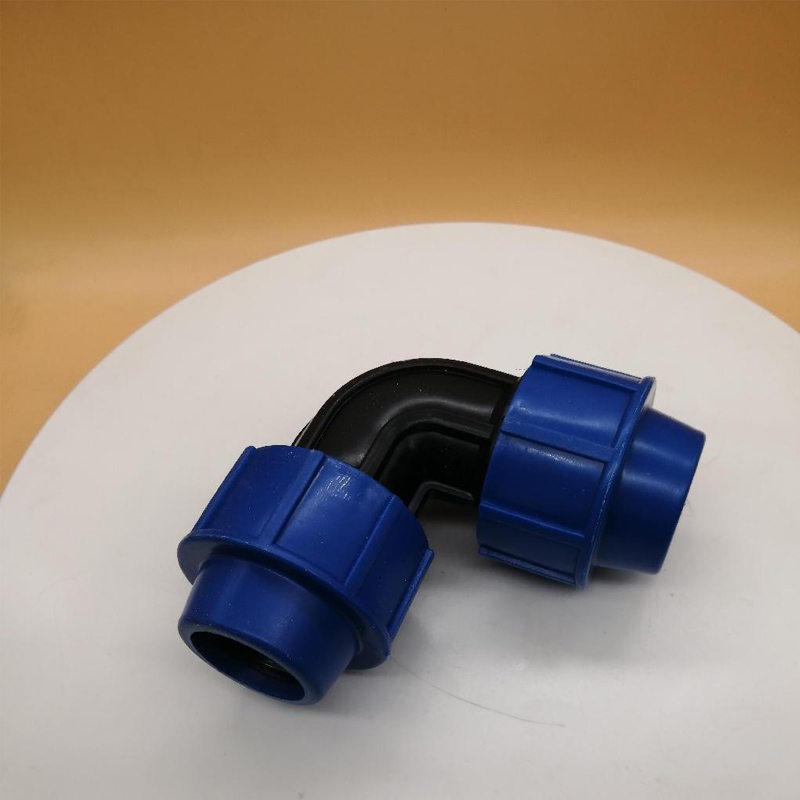
Manufacturing PVC to HDPE connections generally falls into three categories: mechanical joining, adhesive bonding, and transition fitting integration. Mechanical joining utilizes compression fittings, flange adapters, or specialized couplings designed to accommodate the differing thermal expansion coefficients of PVC and HDPE. These fittings often incorporate EPDM or Viton gaskets to ensure a tight seal. Adhesive bonding involves the use of specialized primers and adhesives formulated to create a chemical bond between the two materials. Surface preparation is crucial, typically involving chemical etching or plasma treatment to enhance adhesion. Transition fittings are pre-fabricated components, often injection molded from a compatible polymer (e.g., polypropylene), that provide a direct interface between PVC and HDPE pipes. Key manufacturing parameter control includes dimensional accuracy of fitting components, consistent adhesive application, and proper tightening torque for mechanical fasteners. The quality of the gasket material significantly impacts long-term performance; EPDM, while cost-effective, can be susceptible to degradation from prolonged UV exposure and certain chemicals.
Performance & Engineering
The performance of a PVC to HDPE connection is dictated by several engineering considerations. Stress analysis is paramount, particularly concerning thermal expansion and contraction. PVC has a significantly higher coefficient of linear thermal expansion than HDPE. This differential expansion can induce stress at the connection point, potentially leading to leakage or failure. Finite Element Analysis (FEA) is often employed to model these stresses and optimize fitting designs. Internal pressure resistance is another critical factor, dependent on the fitting’s geometry, material strength, and the integrity of the sealing element. Burst testing, in accordance with relevant standards, verifies the fitting’s ability to withstand maximum operating pressures. Environmental resistance must also be considered. Prolonged exposure to UV radiation, temperature extremes, and corrosive chemicals can degrade the materials and compromise the connection’s integrity. For buried applications, soil composition and moisture content influence corrosion rates and mechanical stress. Proper joint design should incorporate features to mitigate these environmental effects, such as UV stabilizers in the fitting material and corrosion-resistant coatings on metallic components. Compliance requirements vary depending on the application, but typically include adherence to pressure vessel codes, potable water safety regulations, and local building codes.
Technical Specifications
| Parameter | PVC (Typical) | HDPE (Typical) | Connection Fitting Material (Typical) |
|---|---|---|---|
| Tensile Strength (MPa) | 50-70 | 20-30 | Polypropylene: 25-40 |
| Coefficient of Linear Thermal Expansion (mm/m°C) | 0.08 | 0.12 | 0.15 |
| Water Absorption (%) | 0.2 - 0.5 | 0.05 - 0.1 | 0.1 |
| Chemical Resistance | Good to acids & alkalis, poor to solvents | Excellent to most chemicals | Good to most chemicals |
| Operating Temperature (°C) | 0-60 | -40-80 | -20-100 |
| Pressure Rating (Bar) | Up to 16 | Up to 20 | Dependent on design, up to 25 |
Failure Mode & Maintenance
Common failure modes in PVC to HDPE connections include leakage at the joint, cracking of the PVC material due to stress concentration, degradation of the sealing gasket, and corrosion of metallic components. Fatigue cracking can occur in mechanical fittings subjected to cyclic loading. Delamination can occur in adhesively bonded joints due to inadequate surface preparation or improper adhesive application. Oxidation of PVC can lead to embrittlement and reduced strength, particularly in outdoor applications. To mitigate these failures, regular inspections are essential. Visual inspection should focus on identifying cracks, leaks, and signs of gasket degradation. Torque checks on mechanical fasteners ensure proper compression. Periodic pressure testing confirms the integrity of the connection. Maintenance procedures include replacing damaged gaskets, re-tightening fasteners, and applying protective coatings to prevent corrosion. For adhesively bonded joints, re-application of sealant may be necessary to maintain a watertight seal. Proper installation is crucial; exceeding recommended torque values can damage the fitting or PVC pipe, while insufficient torque can lead to leakage. Careful handling and storage of fittings are also important to prevent damage before installation. Consider a preventative maintenance schedule based on operating conditions and industry best practices.
Industry FAQ
Q: What are the primary considerations when selecting a fitting for connecting PVC to HDPE in a potable water system?
A: The fitting material must be NSF/ANSI 61 certified to ensure it does not leach harmful contaminants into the water. The gasket material must also be certified for potable water contact and be resistant to chlorine and other water treatment chemicals. Mechanical fittings are generally preferred over adhesive bonding in potable water applications due to the potential for adhesive leaching and the greater ease of inspection and maintenance. Pressure rating must meet or exceed the maximum operating pressure of the system, with a suitable safety factor.
Q: What is the best method for connecting PVC to HDPE in an underground irrigation system exposed to varying soil conditions?
A: Compression fittings with EPDM gaskets are often the most suitable option. The EPDM gasket provides a flexible seal that can accommodate minor soil movement. Ensure the fitting is rated for burial and is protected from corrosion by using a corrosion-inhibiting compound on metallic components. Proper backfilling procedures are also critical to prevent damage to the fitting during installation.
Q: How does thermal expansion affect the long-term performance of a PVC to HDPE connection, and what mitigation strategies are recommended?
A: The differing coefficients of thermal expansion can induce significant stress on the connection, leading to leakage or failure. Mitigation strategies include using flexible couplings that allow for some degree of movement, incorporating expansion loops in long pipe runs, and designing the connection to minimize stress concentration. Proper installation, avoiding over-tightening of fasteners, is also crucial.
Q: Are there any specific surface preparation requirements when using adhesive bonding to connect PVC to HDPE?
A: Yes, thorough surface preparation is essential for achieving a strong and durable adhesive bond. Both PVC and HDPE surfaces must be cleaned to remove any dirt, oil, or contaminants. Chemical etching or plasma treatment is often required to increase surface energy and improve adhesion. Follow the adhesive manufacturer’s recommendations precisely regarding surface preparation and application procedures.
Q: What is the typical lifespan of a properly installed and maintained PVC to HDPE connection?
A: The lifespan varies depending on the application and environmental conditions. However, a properly installed and maintained connection using high-quality fittings and materials can be expected to last 20-50 years or more. Regular inspections and preventative maintenance are critical for maximizing the service life of the connection.
Conclusion
Reliable PVC to HDPE connections are vital for a wide range of industrial and municipal applications. Successful implementation requires a thorough understanding of the material properties of both PVC and HDPE, the intricacies of connection methodologies—mechanical joining, adhesive bonding, and transition fittings—and the potential failure modes that can compromise long-term performance. The selection of appropriate fitting materials, meticulous installation procedures, and consistent maintenance practices are all critical factors in achieving a durable and leak-proof joint.
Looking ahead, advancements in adhesive technology and fitting design promise to further enhance the performance and reliability of PVC to HDPE connections. The development of more compatible polymers for transition fittings and the incorporation of smart monitoring systems to detect leaks and stress levels will contribute to improved system integrity and reduced maintenance costs. Continued adherence to relevant industry standards and a commitment to best practices will be essential for ensuring the safe and efficient operation of these critical infrastructure components.
-
DN25 HDPE Compression Fitting-HORON INTERNATIONAL|Reliable Irrigation Solutions
NewsFeb.11,2026
-
discount ppr 3 4 price Performance Analysis
News2026-06-17
-
discount hdpe pipe connectors Material Performance
News2026-06-17
-
discount submersible column pipe Performance Analysis
News2026-06-17
-
discount ppr flexible pipe Performance Analysis
News2026-06-17
-
discount column pipe for submersible pump Performance Analysis
News2026-06-17
-
china flexible pvc tubing Performance Analysis
News2026-06-16
-
china water pipe kitchen sink Material Performance
News2026-06-16
-
china upvc column pipes for submersible pumps Performance Analysis
News2026-06-16
-
china 36 hdpe corrugated pipe Manufacturing Analysis
News2026-06-16
-
china kitchen sink water pipe Performance Analysis
News2026-06-16
-
china 90mm pvc pipe Performance Analysis
News2026-06-15
-
china ppr polypropylene pipe Technical Analysis
News2026-06-15
-
china hdpe pipe sizes and prices Performance Analysis
News2026-06-15
-
china hdpe quick coupling Performance Analysis
News2026-06-15
-
china ppr water line Performance Analysis
News2026-06-15