

Feb . 11, 2026 00:01 Back to list
pvc to hdpe connection factory Manufacturing Performance Analysis
Introduction
The connection of Polyvinyl Chloride (PVC) to High-Density Polyethylene (HDPE) piping systems is a critical aspect of modern fluid and gas conveyance infrastructure. This guide addresses the technical complexities inherent in joining these dissimilar materials, particularly within a factory setting focused on manufacturing and quality control. PVC and HDPE, while both thermoplastic polymers, possess significantly different physical and chemical properties, necessitating specialized connection techniques to ensure long-term reliability and prevent failures. This document will detail material characteristics, manufacturing processes, performance considerations, failure modes, and relevant industry standards for PVC to HDPE connections, focusing on factory production and quality assurance. The increasing demand for robust and durable infrastructure in water management, irrigation, chemical processing, and wastewater treatment drives the need for meticulous connection procedures and stringent quality control measures. This guide serves as a technical resource for engineers, technicians, procurement managers, and quality control personnel involved in the production and application of these systems.
Material Science & Manufacturing
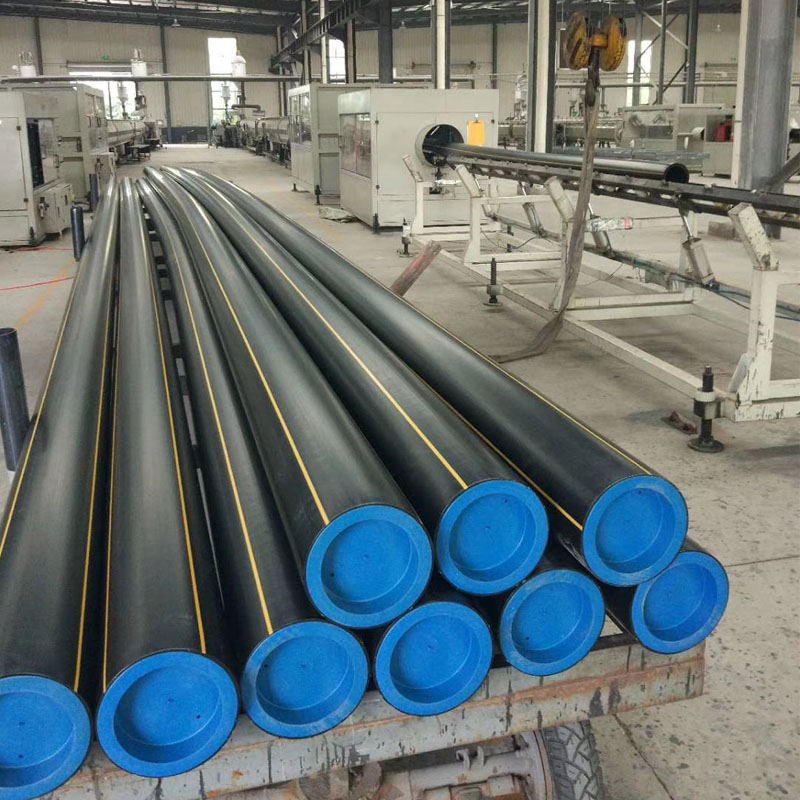
PVC (Polyvinyl Chloride) is a thermoplastic polymer produced through the polymerization of vinyl chloride monomer. Its primary attributes include rigidity, chemical resistance, and cost-effectiveness. Common grades used for piping include PVC-U (unplasticized PVC) characterized by a high glass transition temperature (Tg ≈ 81°C) and limited ductility. HDPE (High-Density Polyethylene), conversely, is a flexible thermoplastic polymer known for its high tensile strength-to-density ratio and excellent resistance to many corrosive environments. HDPE typically exhibits a lower Tg (around -125°C) resulting in higher impact resistance, particularly at lower temperatures. Manufacturing PVC pipes generally involves extrusion, where PVC compound is melted and forced through a die. Critical parameters include melt temperature (180-210°C), die pressure, and cooling rate. HDPE pipe production also utilizes extrusion, but with lower melt temperatures (130-180°C) and different die geometries optimized for flexibility. Connecting these materials presents challenges due to their differing thermal expansion coefficients. PVC expands and contracts approximately 8 x 10⁻⁵ /°C, while HDPE expands around 12 x 10-5 /°C. This differential expansion must be accommodated in the connection design to prevent stress cracking or joint failure. Common connection methods employed in a factory setting include electrofusion welding, mechanical couplings (rubber sleeve type), and transition adapters utilizing a combination of materials. Electrofusion welding is particularly prevalent for HDPE-to-HDPE connections but can be adapted with specialized fittings for PVC-to-HDPE interfaces. The integrity of the weld depends on precise control of voltage, current, and heating time. Mechanical couplings rely on compression to create a watertight seal and require careful selection of rubber materials compatible with both PVC and HDPE, resistant to degradation from chemicals and UV exposure.
Performance & Engineering
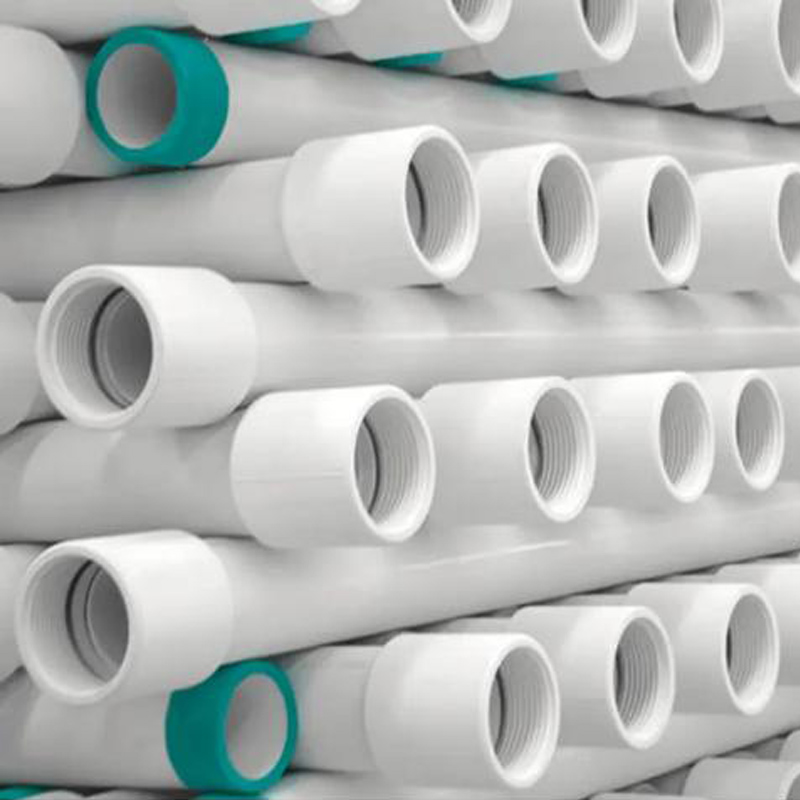
The performance of a PVC-to-HDPE connection is evaluated based on several critical factors, including pressure rating, shear strength, tensile strength, and long-term creep resistance. Force analysis must consider the internal pressure of the transported fluid or gas, external loads from soil or structures, and thermal stresses induced by temperature fluctuations. Finite Element Analysis (FEA) is commonly used to model these stresses and optimize the connection design. Environmental resistance is paramount, especially in applications exposed to harsh chemicals, UV radiation, or extreme temperatures. PVC can become brittle in low temperatures and susceptible to degradation from prolonged UV exposure, while HDPE demonstrates excellent resistance to both. The connection must maintain its integrity across the operating temperature range. Compliance with industry standards is crucial. For potable water applications, connections must meet NSF/ANSI 61 requirements for lead content and extractable contaminants. For gas distribution, compliance with DOT regulations is essential. Long-term performance is heavily influenced by the quality of the connection and the material compatibility of the transition fitting. Galvanic corrosion is not a significant concern with PVC and HDPE due to their polymeric nature, however, the metallic components within mechanical couplings or electrofusion fittings must be chosen to be compatible and corrosion-resistant. The design of the connection must account for potential soil movement or settlement, ensuring that the joint can withstand bending moments and shear forces. Proper anchoring and support systems are critical for preventing stress concentrations and potential failures. Leak testing is a vital quality control step in the factory, employing hydrostatic pressure testing to verify the integrity of each connection before shipment.
Technical Specifications
| Parameter | PVC (Typical) | HDPE (Typical) | Connection Method (Electrofusion) |
|---|---|---|---|
| Tensile Strength | 55-75 MPa | 30-40 MPa | ≥ 80% of HDPE base material |
| Flexural Modulus | 2.5-3.5 GPa | 0.7-1.2 GPa | Dependent on fitting material |
| Thermal Expansion Coefficient | 8 x 10⁻⁵ /°C | 12 x 10-5 /°C | Compensated by fitting design |
| Operating Temperature Range | 0-60°C | -40-80°C | -20-60°C (Fitting dependent) |
| Pressure Rating (PN) | PN10, PN16 | PN10, PN16, PN20 | Matching lowest rated pipe segment |
| Chemical Resistance | Good to most acids and bases | Excellent to most acids and bases | Dependent on fitting material (typically PP-R) |
Failure Mode & Maintenance
Failure modes in PVC-to-HDPE connections commonly include joint separation, cracking, and leakage. Joint separation can occur due to insufficient weld strength (electrofusion), improper installation of mechanical couplings, or excessive stress from differential thermal expansion. Cracking can be initiated by stress concentrations around fittings, particularly in colder climates or under high internal pressure. PVC is susceptible to brittle fracture, while HDPE can exhibit stress cracking under sustained tensile loads. Leakage can result from inadequate sealing, damaged O-rings (in mechanical couplings), or corrosion of metallic components. Failure analysis should include visual inspection for cracks, non-destructive testing (NDT) such as ultrasonic testing to assess weld integrity, and pressure testing to identify leaks. Regular maintenance involves periodic visual inspections to identify signs of corrosion, cracking, or joint movement. For electrofusion welds, annual ultrasonic testing is recommended in critical applications. Mechanical couplings should be inspected for proper compression and the condition of the rubber sleeve. Replacing worn or damaged O-rings is crucial for maintaining a watertight seal. Prevention of failures relies on proper material selection, adherence to installation procedures, and implementation of a robust quality control program. Storage of pipes and fittings should be in a cool, dry environment away from direct sunlight to prevent degradation. Avoid over-tightening mechanical couplings, as this can damage the rubber sleeve. Electrofusion welding should be performed by certified technicians using calibrated equipment. Proper grounding is essential during electrofusion to prevent stray currents and weld defects.
Industry FAQ
Q: What are the primary considerations when selecting a connection method for PVC to HDPE in a corrosive chemical environment?
A: In corrosive environments, the connection method must utilize materials that are inherently resistant to the specific chemicals involved. Electrofusion welding with a PP-R (Polypropylene Random) fitting is often preferred due to PP-R's broad chemical resistance. Mechanical couplings should employ a rubber sleeve and metallic components constructed from compatible alloys, such as stainless steel, to prevent corrosion. The sealing materials must also be chemically inert to ensure long-term performance.
Q: How does differential thermal expansion impact the long-term integrity of a PVC-to-HDPE connection, and what design features mitigate this?
A: Differential thermal expansion creates stress at the connection point due to the differing expansion rates of PVC and HDPE. This stress can lead to cracking or joint separation over time. Mitigation strategies include using flexible transition fittings, incorporating expansion loops in the piping system, and designing the connection to accommodate some degree of movement. Electrofusion fittings often incorporate a degree of flexibility to manage these stresses.
Q: What quality control measures are essential during factory production to ensure reliable PVC-to-HDPE connections?
A: Essential quality control measures include visual inspection of all components, dimensional verification of pipes and fittings, thorough cleaning and preparation of surfaces prior to welding, verification of electrofusion welding parameters (voltage, current, time), hydrostatic pressure testing of completed connections, and documentation of all test results. Operator certification is also crucial.
Q: What are the key differences between electrofusion welding and mechanical coupling methods for connecting PVC to HDPE, and when would one be preferred over the other?
A: Electrofusion welding creates a homogenous joint with high strength and leak resistance but requires skilled technicians and specialized equipment. It’s preferred for high-pressure applications and critical connections. Mechanical couplings are simpler to install and don't require heat, making them suitable for on-site repairs or applications where welding is not feasible. However, they generally offer lower strength and are more susceptible to leakage over time.
Q: What are the common causes of premature failure in electrofusion welded PVC-to-HDPE connections?
A: Common causes include improper surface preparation (contamination, moisture), incorrect welding parameters (voltage, current, time), inadequate cooling, use of damaged or expired welding electrodes, and insufficient operator training. Poor grounding during welding can also lead to weld defects.
Conclusion
The successful connection of PVC to HDPE requires a comprehensive understanding of material properties, manufacturing processes, and potential failure modes. The selection of an appropriate connection method – electrofusion welding or mechanical coupling – is dependent on the specific application requirements, environmental conditions, and pressure ratings. Strict adherence to industry standards, meticulous quality control during factory production, and proper installation procedures are paramount to ensuring long-term reliability and preventing costly failures.
Future advancements in connection technology may involve the development of new materials with improved compatibility between PVC and HDPE, as well as more sophisticated welding techniques that minimize stress concentrations and enhance joint strength. Continuous monitoring of connection performance through sensor technologies and data analytics will also play an increasingly important role in predictive maintenance and preventing catastrophic failures. The demand for robust and durable piping systems will continue to drive innovation in this critical area of infrastructure.
-
DN25 HDPE Compression Fitting-HORON INTERNATIONAL|Reliable Irrigation Solutions
NewsFeb.11,2026
-
discount ppr 3 4 price Performance Analysis
News2026-06-17
-
discount hdpe pipe connectors Material Performance
News2026-06-17
-
discount submersible column pipe Performance Analysis
News2026-06-17
-
discount ppr flexible pipe Performance Analysis
News2026-06-17
-
discount column pipe for submersible pump Performance Analysis
News2026-06-17
-
china flexible pvc tubing Performance Analysis
News2026-06-16
-
china water pipe kitchen sink Material Performance
News2026-06-16
-
china upvc column pipes for submersible pumps Performance Analysis
News2026-06-16
-
china 36 hdpe corrugated pipe Manufacturing Analysis
News2026-06-16
-
china kitchen sink water pipe Performance Analysis
News2026-06-16
-
china 90mm pvc pipe Performance Analysis
News2026-06-15
-
china ppr polypropylene pipe Technical Analysis
News2026-06-15
-
china hdpe pipe sizes and prices Performance Analysis
News2026-06-15
-
china hdpe quick coupling Performance Analysis
News2026-06-15
-
china ppr water line Performance Analysis
News2026-06-15