

Feb . 11, 2026 00:01 Back to list
PVC Pipes what are pvc pipes used for product Performance Analysis
Introduction
Polyvinyl chloride (PVC) pipes are thermoplastic pipes widely utilized in diverse industrial, commercial, and residential applications. Positioned as a cost-effective alternative to metallic piping systems, PVC's prominence stems from its inherent properties: chemical resistance, durability, ease of installation, and low maintenance. Within the fluid conveyance industry chain, PVC piping represents a significant segment, primarily serving potable water distribution, wastewater management, irrigation, and industrial chemical transfer. Core performance characteristics include pressure bearing capacity, resistance to corrosion and abrasion, and compatibility with various joining techniques – solvent welding, threaded connections, and flanged interfaces. The increasing demand for reliable and affordable piping solutions fuels the continued growth of the PVC pipe market, despite increasing scrutiny regarding environmental impact and the emergence of alternative polymer materials.
Material Science & Manufacturing
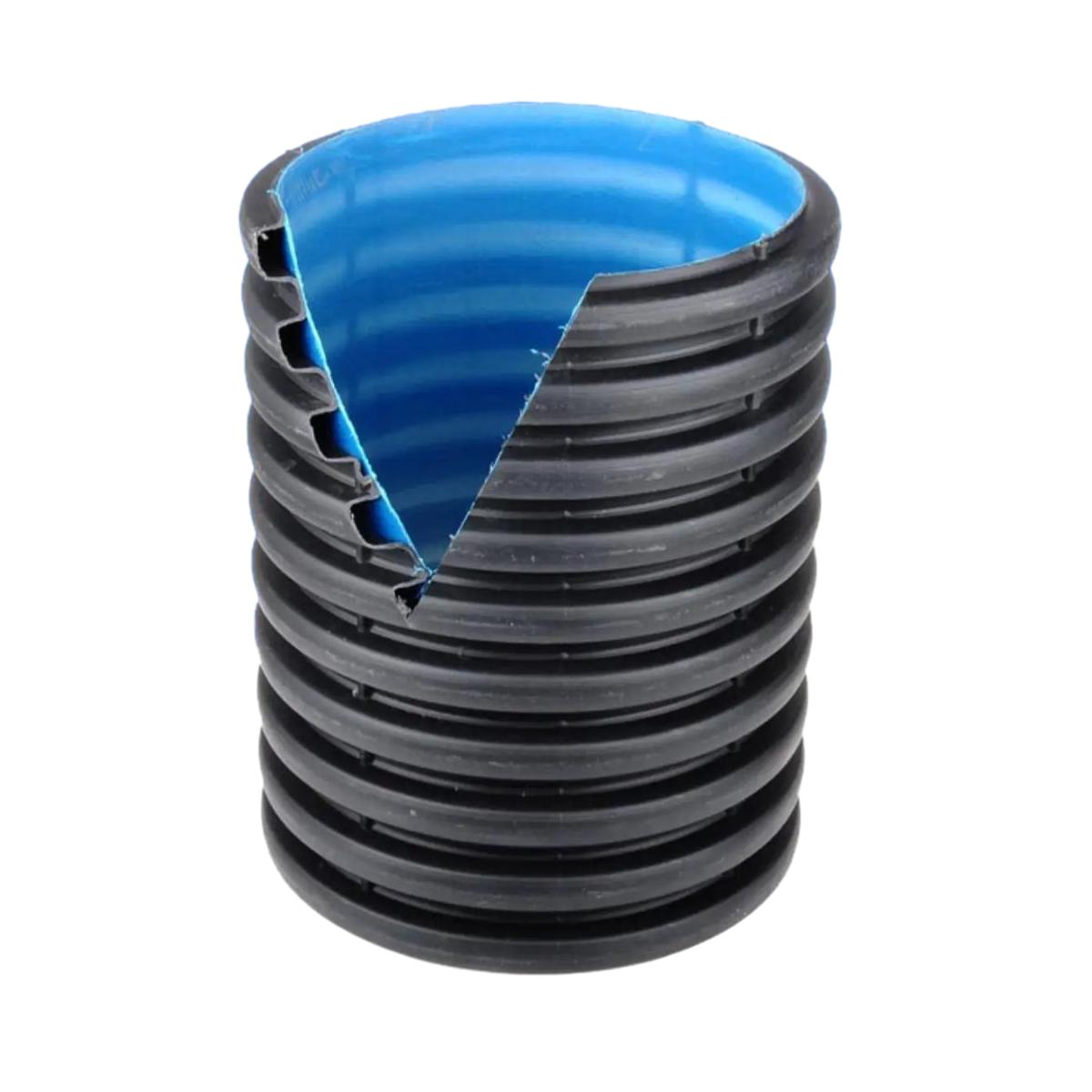
PVC is a homopolymer of vinyl chloride monomers (C₂H₃Cl). The raw material, vinyl chloride, is typically produced from ethylene or ethane through chlorination and cracking processes. PVC resin exists in two primary forms: rigid PVC and flexible PVC. Rigid PVC, used predominantly for piping applications, incorporates minimal plasticizers. The manufacturing of PVC pipes involves several key stages. First, the PVC resin is compounded with stabilizers (typically metal-organic compounds like calcium-zinc or barium-zinc), lubricants (stearates), fillers (calcium carbonate), and impact modifiers (acrylic polymers). This compounded mixture is then fed into an extruder. Extrusion utilizes a screw mechanism to melt and homogenize the PVC compound, forcing it through a die that shapes the pipe to its desired dimensions. Critical parameters during extrusion include barrel temperature control (180-220°C), screw speed (30-120 RPM), and die pressure. Following extrusion, pipes are cooled in a water bath, sized using calibrators, and cut to length. Quality control focuses on dimensional accuracy (diameter, wall thickness), hydrostatic pressure testing, and impact resistance assessment. Variations in formulation and processing parameters directly impact the pipe’s mechanical properties and long-term durability.
Performance & Engineering
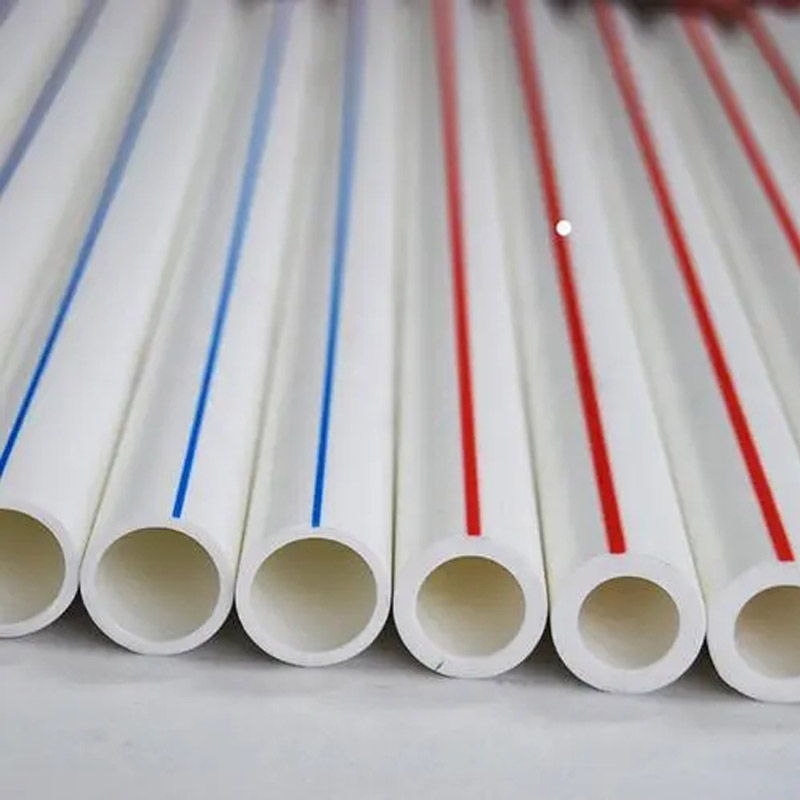
The performance of PVC pipes is critically dictated by their ability to withstand hydrostatic pressure, resist chemical attack, and maintain structural integrity under varying environmental conditions. Force analysis considers both internal pressure from fluid flow and external loads (soil pressure, traffic loads for buried pipes). PVC exhibits excellent tensile strength (typically 55-70 MPa) and yield strength. However, it possesses relatively low impact strength, particularly at lower temperatures, necessitating the use of impact modifiers in formulations. Environmental resistance is a key consideration. While PVC is resistant to many acids and bases, prolonged exposure to aromatic hydrocarbons and chlorinated solvents can cause swelling and degradation. UV exposure leads to chain scission and embrittlement; therefore, UV stabilizers are crucial for outdoor applications. Compliance requirements vary depending on the intended use. Potable water pipes must comply with NSF/ANSI 61 standards, ensuring the absence of harmful contaminants. Wastewater pipes must adhere to ASTM D3212 and related standards concerning pipe stiffness and joint integrity. The design of PVC piping systems requires careful consideration of thermal expansion and contraction – PVC has a relatively high coefficient of thermal expansion (approximately 8 x 10⁻⁵ /°C) necessitating expansion joints or flexible connections to prevent stress buildup.
Technical Specifications
| Parameter | Schedule 40 PVC | Schedule 80 PVC | CPVC (Chlorinated PVC) | ASTM D1785 PVC |
|---|---|---|---|---|
| Material | Polyvinyl Chloride | Polyvinyl Chloride | Chlorinated Polyvinyl Chloride | Polyvinyl Chloride |
| Pressure Rating (psi) @ 73°F | 400 | 600 | 400-1000 (depending on temp) | Variable, based on schedule |
| Temperature Rating (°F) | Up to 140 | Up to 140 | Up to 200 | Up to 140 |
| Tensile Strength (MPa) | 62 | 62 | 69 | 62 |
| Impact Strength (Izod Notched, J/m) | 600 | 600 | 800 | 500-800 |
| Density (g/cm³) | 1.40 | 1.40 | 1.45 | 1.40 |
Failure Mode & Maintenance
PVC pipes are susceptible to several failure modes under specific conditions. Long-term hydrostatic stress can lead to slow crack growth (SCG), particularly in heavily stressed areas or joints. This is exacerbated by chlorine content in water and low temperatures. Fatigue cracking can occur from repeated pressure cycles or external vibrations. UV degradation causes embrittlement and cracking, especially in exposed applications. Chemical attack from incompatible substances leads to swelling, softening, and eventual failure. Soil settlement or ground movement can induce bending stresses, exceeding the pipe's flexural strength, resulting in cracking. Delamination can occur in poorly compounded or extruded pipes, leading to reduced pressure bearing capacity. Maintenance primarily focuses on preventative measures. Regular visual inspections for cracks, leaks, or deformation are essential. Proper bedding and backfill procedures during installation minimize stress. Avoiding contact with incompatible chemicals is critical. For minor leaks, epoxy-based repair compounds can provide temporary fixes; however, complete pipe replacement is often the most reliable solution for significant damage. Periodic hydrostatic testing verifies the integrity of the piping system.
Industry FAQ
Q: What are the primary differences between Schedule 40 and Schedule 80 PVC pipe, and when would I choose one over the other?
A: Schedule 40 PVC is the standard wall thickness and is suitable for general-purpose applications, including cold water distribution, irrigation, and drainage. Schedule 80 PVC features a thicker wall, providing higher pressure ratings and increased resistance to impact. Schedule 80 is preferred for high-pressure applications, industrial chemical transfer, and situations where greater mechanical strength is required.
Q: How does temperature affect the performance of PVC pipes, and what are the limitations?
A: PVC loses strength and becomes more brittle at low temperatures. Above 140°F (60°C), PVC begins to soften and its pressure-bearing capacity decreases significantly. CPVC (Chlorinated PVC) offers improved temperature resistance, capable of handling temperatures up to 200°F. It's crucial to consider the operating temperature when selecting PVC pipe for a specific application.
Q: What is slow crack growth (SCG) in PVC, and how can it be prevented?
A: SCG is a time-dependent failure mechanism caused by sustained tensile stress, often in the presence of chlorine or other aggressive chemicals. It results in the gradual propagation of cracks. Prevention involves using high-quality PVC compounds with appropriate stabilizers, minimizing stress concentrations during installation, and avoiding exposure to chlorine-containing water or chemicals.
Q: What types of solvents are incompatible with PVC pipe, and what are the consequences of exposure?
A: Aromatic hydrocarbons (benzene, toluene, xylene), chlorinated solvents (methylene chloride, chloroform), and ketones (acetone) are highly incompatible with PVC. Exposure causes swelling, softening, and eventual degradation of the pipe material, leading to leaks or catastrophic failure. Always consult a chemical compatibility chart before using PVC in a chemical handling application.
Q: What are the proper techniques for solvent welding PVC pipes to ensure a leak-proof joint?
A: Surface preparation is critical: pipes and fittings must be clean, dry, and free of grease. Apply a thin, even coat of PVC primer to both surfaces to soften the PVC. Immediately apply PVC cement, ensuring full coverage. Quickly assemble the joint and hold firmly for 30 seconds to allow the solvent to evaporate and create a chemical weld. Avoid excessive cement, which can weaken the joint.
Conclusion
PVC pipes represent a versatile and cost-effective solution for a broad spectrum of fluid conveyance applications. Their inherent chemical resistance, durability, and ease of installation contribute to their widespread adoption across diverse industries. However, understanding the limitations related to temperature sensitivity, susceptibility to SCG, and chemical compatibility is crucial for ensuring long-term performance and preventing premature failure. Careful material selection, proper installation practices, and regular maintenance are paramount to maximizing the service life of PVC piping systems.
The future of PVC pipe technology focuses on developing enhanced formulations with improved impact resistance, UV stabilization, and chemical resistance. Research into bio-based PVC alternatives and sustainable manufacturing processes are also gaining momentum, addressing concerns regarding environmental impact. Continued adherence to stringent industry standards and quality control measures will further solidify PVC’s position as a reliable and essential component of modern infrastructure.
-
DN25 HDPE Compression Fitting-HORON INTERNATIONAL|Reliable Irrigation Solutions
NewsFeb.11,2026
-
china long pvc pipe Performance Analysis
News2026-05-03
-
china plumbing kitchen sink water lines Performance Analysis
News2026-05-03
-
china hdpe drip irrigation Performance Analysis
News2026-05-03
-
china hot water ppr pipe Performance Analysis
News2026-05-03
-
china ppr plumbing Technical Analysis
News2026-05-03
-
china ppr pipe supplier Manufacturing Analysis
News2026-05-02
-
china 50mm ppr pipe Technical Analysis
News2026-05-02
-
china hdpe drip pipe Performance Analysis
News2026-05-02
-
china hdpe pipe 63mm price Performance Analysis
News2026-05-02
-
china hdpe pipe for potable water Performance Engineering
News2026-05-02
-
china pipe hdpe size Performance Analysis
News2026-05-01
-
china coupler for hdpe pipe Performance Analysis
News2026-05-01
-
china hdpe pipe coupler price Performance Analysis
News2026-05-01
-
china 1 ppr pipe Performance Analysis
News2026-05-01
-
china wet pipes under sink Performance Analysis
News2026-05-01