

Feb . 11, 2026 00:01 Back to list
pvc pipe for sale products Performance Analysis
Introduction
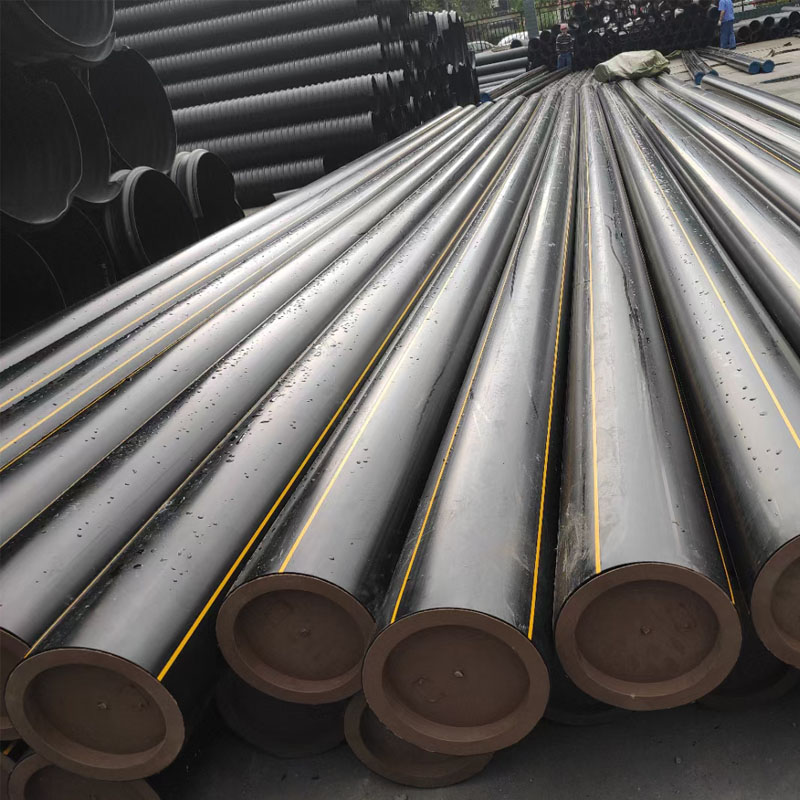
Polyvinyl chloride (PVC) pipe is a widely utilized thermoplastic piping system employed across diverse sectors including water distribution, wastewater management, irrigation, and industrial fluid conveyance. Its prominence stems from a combination of cost-effectiveness, durability, and relative ease of installation. Within the broader piping industry, PVC occupies a significant segment, often positioned as a viable alternative to metallic counterparts like steel or cast iron, particularly in applications where corrosion resistance is paramount. This guide provides a comprehensive technical overview of PVC pipe, encompassing its material science, manufacturing processes, performance characteristics, potential failure modes, and relevant industry standards. Core performance metrics include pressure rating (PSI), tensile strength (ASTM D2412), impact resistance (ASTM D2444), and chemical inertness, all of which are critical considerations for engineers and procurement professionals.
Material Science & Manufacturing
PVC is a homopolymer of vinyl chloride, produced through the polymerization of vinyl chloride monomer (VCM). The raw material, ethylene dichloride (EDC), is first cracked into VCM, which is then polymerized. PVC resin exists in two primary forms: rigid PVC and plasticized PVC. Rigid PVC, used for piping, exhibits high strength and rigidity due to its limited plasticizer content. Manufacturing PVC pipe typically involves extrusion. Resin, stabilizers (typically lead or calcium-zinc based), lubricants, and fillers (e.g., calcium carbonate) are blended and fed into an extruder. The extruder uses a screw to melt and homogenize the mixture, forcing it through a die that shapes the pipe. Critical parameters during extrusion include melt temperature (180-210°C), screw speed, and die pressure. Precise control of these variables is essential to ensure consistent wall thickness, dimensional accuracy, and material properties. Post-extrusion, the pipe is cooled in a water bath and then cut to the desired length. Quality control measures include hydrostatic pressure testing (ASTM D1595) to verify the pipe’s ability to withstand internal pressure and dimensional checks to ensure adherence to specified diameters and schedules.
Performance & Engineering
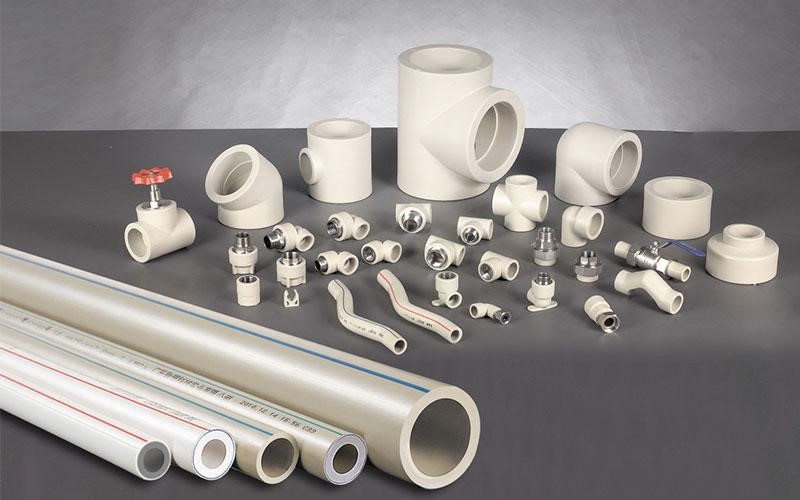
The performance of PVC pipe is heavily influenced by its mechanical properties and environmental resistance. PVC’s tensile strength, typically ranging from 50-70 MPa, determines its resistance to longitudinal stress. Its flexural modulus (around 3-4 GPa) indicates its resistance to bending. The pipe’s ability to withstand internal pressure is governed by Barlow’s formula, which considers pipe diameter, wall thickness, and material strength. Long-term hydrostatic strength is a critical design parameter, accounting for the gradual decrease in strength over time due to creep. PVC exhibits excellent resistance to a wide range of chemicals, including acids, alkalis, and salts, making it suitable for corrosive environments. However, it is susceptible to degradation from prolonged exposure to UV radiation and certain organic solvents. Engineering considerations include thermal expansion and contraction; PVC has a relatively high coefficient of thermal expansion (approximately 8 x 10^-5 /°C), necessitating expansion joints in long pipelines to prevent stress buildup. Soil loading and external pressure are also crucial factors, particularly for buried pipelines, requiring appropriate backfill material and sufficient pipe wall thickness. Furthermore, the pipe’s resistance to impact damage (Charpy impact test, ASTM D2444) must be considered, especially in applications where it may be subjected to accidental forces.
Technical Specifications
| Parameter | Units | Schedule 40 | Schedule 80 |
|---|---|---|---|
| Nominal Pipe Size | inches | 0.5 - 12 | 0.5 - 12 |
| Outside Diameter | inches | 0.625 - 12.75 | 0.840 - 13.50 |
| Wall Thickness | inches | 0.065 - 0.300 | 0.110 - 0.400 |
| Pressure Rating (at 73°F) | PSI | Up to 400 | Up to 600 |
| Tensile Strength | MPa | 62 - 70 | 62 - 70 |
| Impact Strength (Charpy, notched) | J/m | >50 | >60 |
Failure Mode & Maintenance
PVC pipe, while durable, is susceptible to several failure modes. Embrittlement due to UV exposure is a common issue, particularly for above-ground applications. UV radiation degrades the polymer chains, reducing ductility and increasing susceptibility to cracking. Chemical attack by aggressive solvents (e.g., ketones, aromatic hydrocarbons) can cause swelling, softening, and eventual failure. Slow crack growth (SCG) is a particularly insidious failure mechanism, often initiated by stress concentrations at flaws or imperfections, exacerbated by sustained tensile stress and the presence of certain chemicals. Fatigue cracking can occur due to cyclic loading, such as from water hammer or vibrations. Physical damage from impact or abrasion during handling and installation can also lead to failures. Maintenance strategies include protecting PVC pipe from direct sunlight with coatings or burial, avoiding the use of incompatible solvents, conducting regular visual inspections for cracks or discoloration, and implementing proper support and anchoring to minimize stress. Joint failures, often due to improper solvent welding or gasket degradation, should also be addressed promptly. Regular pressure testing can identify leaks and potential weaknesses before catastrophic failures occur.
Industry FAQ
Q: What is the long-term performance degradation rate of PVC pipe under constant internal pressure?
A: The long-term hydrostatic strength of PVC pipe decreases over time due to creep. A common rule of thumb is a 1% per year reduction in pressure rating for every 10°C increase in sustained temperature above 73°F (23°C). Detailed design calculations should account for these factors, referencing standards like ASTM D2837.
Q: What are the limitations of using PVC pipe in high-temperature applications?
A: PVC begins to soften and lose its mechanical properties at temperatures exceeding 140°F (60°C). Prolonged exposure to these temperatures will lead to a significant reduction in pressure rating and eventual failure. For higher temperature applications, CPVC (Chlorinated Polyvinyl Chloride) or other materials like PEX are more suitable.
Q: How does the type of soil affect the lifespan of buried PVC pipe?
A: Corrosive soils, particularly those with high sulfate content or aggressive chemicals, can accelerate the degradation of PVC. Proper bedding and backfill materials, as well as the use of protective coatings, are essential in these environments. Rocks or sharp objects in the backfill can cause physical damage.
Q: What is the best method for joining PVC pipe for critical applications?
A: Solvent welding (using PVC cement) is the most common and reliable method for joining PVC pipe, creating a homogenous bond. However, proper surface preparation, primer application, and adequate curing time are crucial for a leak-proof joint. For applications requiring disassembly or flexibility, flanged connections with rubber gaskets can be used.
Q: Is PVC pipe suitable for potable water applications, and are there concerns about leaching?
A: Yes, PVC pipe is widely approved for potable water distribution, meeting stringent safety standards (e.g., NSF/ANSI 61). While some leaching of additives (stabilizers, plasticizers) can occur, the levels are typically well below permissible limits established by regulatory agencies. NSF certification ensures the pipe meets these standards.
Conclusion
PVC pipe remains a dominant force in numerous piping applications due to its compelling combination of cost, durability, and chemical resistance. However, understanding its material properties, manufacturing nuances, and potential failure modes is crucial for ensuring long-term reliability and operational safety. Engineers and procurement professionals must carefully consider application-specific requirements, including temperature, pressure, chemical exposure, and soil conditions, to select the appropriate PVC pipe schedule and implement appropriate installation and maintenance procedures.
Future developments in PVC technology focus on enhancing its performance characteristics, such as increased temperature resistance through modified formulations and improved UV stabilization. The continued optimization of extrusion processes and quality control measures will further contribute to the longevity and dependability of PVC piping systems. Addressing concerns regarding sustainability and recyclability will also be paramount in shaping the future of PVC in the industry.
-
DN25 HDPE Compression Fitting-HORON INTERNATIONAL|Reliable Irrigation Solutions
NewsFeb.11,2026
-
china 1 2 ppr pipe in mm Performance Analysis
News2026-06-04
-
china hdpe pipe for water supply specifications Performance Analysis
News2026-06-04
-
china ppr hot water pipe insulation Thermal Performance
News2026-06-04
-
china 24 inch diameter pvc pipe Performance Analysis
News2026-06-04
-
china ppr hot water pipe Performance Analysis
News2026-06-04
-
china 3.5 inch pvc pipe Performance Analysis
News2026-06-03
-
china 75mm plastic pipe Performance Analysis
News2026-06-03
-
china use of ppr pipe Performance Analysis
News2026-06-03
-
china hdpe corrugated subsoil drainage pipe Performance Analysis
News2026-06-03
-
china ppr quick connector Performance Analysis
News2026-06-03
-
china hdpe pipe sizes and dimensions Performance Analysis
News2026-06-02
-
china pvc pipe supplier Performance Analysis
News2026-06-02
-
china flexible water line for kitchen sink Performance Analysis
News2026-06-02
-
china blue pvc pipe Performance Analysis
News2026-06-02
-
china hdpe pipe jain irrigation Performance Analysis
News2026-06-02