

Feb . 11, 2026 00:01 Back to list
pvc pipe for sale product Performance Analysis
Introduction
Polyvinyl Chloride (PVC) pipe is a widely utilized thermoplastic material in modern infrastructure, predominantly employed in fluid conveyance systems for water, wastewater, irrigation, and industrial processes. Its position in the value chain spans from petrochemical feedstock production – ethylene and chlorine – through polymerization, compounding, extrusion, and ultimately, installation by plumbing and construction professionals. PVC pipe’s core performance characteristics revolve around its exceptional chemical resistance, low cost, ease of installation, and inherent non-conductivity. However, its application is contingent upon understanding temperature limitations, pressure ratings, and potential environmental stress cracking. The industry currently faces challenges related to phthalate plasticizer content, lead stabilization methods in certain formulations, and the growing demand for more sustainable alternatives, driving innovation in bio-based PVC and recycling technologies. A thorough understanding of PVC pipe's properties is crucial for long-term system reliability and compliance with stringent regulatory standards.
Material Science & Manufacturing
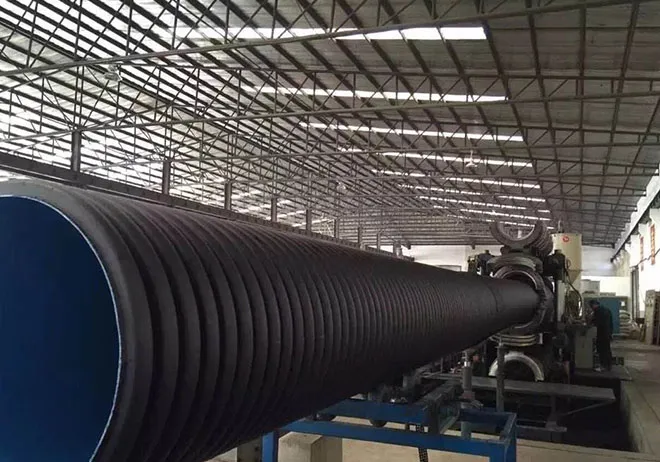
The primary raw material for PVC pipe is Polyvinyl Chloride resin, a polymer of vinyl chloride monomers. The resin itself is a white, brittle powder. Critical additives are incorporated during compounding to modify properties: plasticizers (typically phthalates, but increasingly alternatives like DINCH and DOTP) enhance flexibility, stabilizers (historically lead-based, now increasingly calcium-zinc or organotin-based) prevent thermal degradation during processing, lubricants facilitate extrusion, and impact modifiers improve toughness. The physical properties are heavily influenced by the plasticizer content; higher plasticizer levels result in greater flexibility but reduced tensile strength and temperature resistance. Manufacturing typically involves extrusion. PVC compound is fed into a heated extruder where it melts and is forced through a die to create the desired pipe diameter and wall thickness. Precise temperature control is vital – too low, and the PVC doesn’t fully melt, causing defects; too high, and thermal degradation occurs. Critical parameters include die temperature (180-210°C), screw speed (30-80 RPM), and haul-off speed. Cooling is achieved via water baths to solidify the pipe, followed by cutting to length. Quality control focuses on dimensional accuracy, hydrostatic pressure testing, and ensuring the absence of defects such as voids or surface cracks. Post-processing may include socketing (adding threaded or solvent-weldable ends) and marking with relevant specifications.
Performance & Engineering
PVC pipe performance is dictated by several engineering factors. Hydrostatic pressure resistance is a primary concern, calculated using Barlow’s formula (S = PT/2t, where S = stress, P = pressure, T = wall thickness, and t = radial distance). Wall thickness directly impacts the maximum operating pressure. Long-term hydrostatic strength is reduced by creep – the gradual deformation under sustained stress – a phenomenon exacerbated by elevated temperatures. Soil loading is also a critical factor in buried applications; the pipe must withstand external loads from soil overburden and traffic. Buckling analysis is necessary to prevent collapse. Chemical resistance is excellent for many common substances, but prolonged exposure to certain solvents and strong oxidizers can cause swelling or degradation. Temperature sensitivity is significant; PVC becomes brittle at low temperatures and softens at high temperatures. For potable water applications, ensuring compliance with NSF/ANSI 61 is paramount, restricting extractable contaminants to acceptable levels. Installation practices directly affect long-term performance; proper bedding and backfill are essential to prevent stress concentrations and damage. The coefficient of thermal expansion is relatively high, requiring expansion joints in long runs to accommodate temperature fluctuations.
Technical Specifications
| Parameter | Schedule 40 PVC | Schedule 80 PVC | CPVC (Chlorinated PVC) | ASTM D1785 (Typical) |
|---|---|---|---|---|
| Material | Polyvinyl Chloride (PVC) | Polyvinyl Chloride (PVC) | Chlorinated Polyvinyl Chloride (CPVC) | PVC Resin |
| Pressure Rating (psi @ 73°F) | 400 | 600 | Up to 1000 | Varies by schedule & size |
| Temperature Rating (°F) | 0-140 | 0-140 | -40 to 180 | Dependent on formulation |
| Tensile Strength (psi) | 6,000 - 8,000 | 7,000 - 9,000 | 8,000 - 10,000 | Typically > 5,000 |
| Flexural Modulus (psi) | 300,000 - 400,000 | 350,000 - 450,000 | 400,000 - 500,000 | >300,000 |
| Water Absorption (% after 24 hours) | <0.1 | <0.1 | <0.1 | <0.5 |
Failure Mode & Maintenance
PVC pipe can fail through several mechanisms. Environmental Stress Cracking (ESC) is a common issue, particularly in applications involving sustained tensile stress and exposure to certain chemicals (e.g., some solvents, detergents). ESC manifests as brittle cracks propagating perpendicular to the stress direction. UV degradation can embrittle the surface of the pipe, reducing its impact resistance. Long-term creep can lead to deformation and eventual failure, especially at elevated temperatures and pressures. Impact damage from accidental strikes during installation or operation can cause cracks or punctures. Fatigue cracking can occur under cyclic loading, especially at joints or fittings. For maintenance, regular visual inspections are crucial to identify signs of cracking, deformation, or discoloration. Avoid exposing PVC pipe to excessive heat or direct sunlight for prolonged periods. Use appropriate jointing compounds and techniques to ensure watertight seals. Backfilling procedures should comply with industry best practices to provide adequate support and prevent stress concentrations. In the event of a leak, the affected section of pipe should be replaced, using compatible materials and joining methods. Preventative maintenance includes protecting the pipe from physical damage and ensuring proper water chemistry to minimize the risk of chemical attack.
Industry FAQ
Q: What is the difference between Schedule 40 and Schedule 80 PVC pipe and when would I use each?
A: Schedule 40 PVC pipe has thinner walls and is suitable for lower-pressure applications like irrigation, cold water distribution, and drainage. Schedule 80 PVC pipe has thicker walls, providing greater pressure resistance and making it ideal for higher-pressure systems, industrial applications, and situations where increased durability is needed. The schedule number refers to the approximate pressure rating at a given temperature; higher numbers indicate greater pressure capacity.
Q: How does temperature affect the performance of PVC pipe?
A: PVC pipe's mechanical properties are temperature-dependent. At lower temperatures, it becomes more brittle and susceptible to cracking. At higher temperatures, it loses strength and stiffness. The maximum recommended operating temperature for standard PVC is 140°F (60°C). Exceeding this temperature can significantly reduce its pressure-bearing capacity and lead to premature failure. CPVC is specifically designed for higher temperature applications.
Q: What are the common causes of environmental stress cracking in PVC pipe?
A: Environmental Stress Cracking (ESC) is typically caused by the combined effect of tensile stress, exposure to certain chemicals (e.g., solvents, detergents, some pesticides), and temperature. Sustained stress, even at relatively low levels, can initiate cracking in the presence of susceptible chemicals. Poor installation practices that create stress concentrations also contribute to ESC. Using appropriate jointing compounds and avoiding exposure to harsh chemicals can help mitigate this risk.
Q: Is PVC pipe recyclable, and what are the considerations?
A: Yes, PVC pipe is recyclable, but the recycling infrastructure is not as well-developed as for some other plastics. Recycling PVC requires specialized processes to separate the PVC from additives and contaminants. The recycled material can be used to produce new PVC pipe, fittings, and other products. Considerations include the cost of collection and processing, the presence of lead stabilizers (in older formulations), and the need to maintain the quality of the recycled material.
Q: How important is proper bedding and backfill when installing buried PVC pipe?
A: Proper bedding and backfill are critically important for the long-term performance of buried PVC pipe. Inadequate support can lead to excessive stress on the pipe, increasing the risk of cracking or collapse. Bedding material should be uniformly compacted and free of sharp objects. Backfill material should be granular and well-compacted to provide adequate load distribution. Following industry best practices for bedding and backfill is essential to prevent premature failure.
Conclusion
PVC pipe remains a cost-effective and versatile solution for a wide array of fluid conveyance applications. Its chemical resistance, ease of installation, and established performance record contribute to its continued widespread use. However, understanding its limitations – particularly regarding temperature sensitivity, environmental stress cracking, and the long-term effects of creep – is vital for ensuring system reliability. Ongoing research and development efforts focused on bio-based plasticizers, improved stabilizers, and enhanced recycling technologies are addressing sustainability concerns and extending the lifecycle of PVC pipe systems.
The careful selection of PVC pipe schedule and formulation, coupled with adherence to proper installation procedures and maintenance practices, will maximize its service life and minimize the risk of failure. Future advancements in material science will likely lead to PVC formulations with improved mechanical properties, greater temperature resistance, and reduced environmental impact, solidifying its position as a key material in infrastructure development for years to come.
-
DN25 HDPE Compression Fitting-HORON INTERNATIONAL|Reliable Irrigation Solutions
NewsFeb.11,2026
-
china 1 2 ppr pipe in mm Performance Analysis
News2026-06-04
-
china hdpe pipe for water supply specifications Performance Analysis
News2026-06-04
-
china ppr hot water pipe insulation Thermal Performance
News2026-06-04
-
china 24 inch diameter pvc pipe Performance Analysis
News2026-06-04
-
china ppr hot water pipe Performance Analysis
News2026-06-04
-
china 3.5 inch pvc pipe Performance Analysis
News2026-06-03
-
china 75mm plastic pipe Performance Analysis
News2026-06-03
-
china use of ppr pipe Performance Analysis
News2026-06-03
-
china hdpe corrugated subsoil drainage pipe Performance Analysis
News2026-06-03
-
china ppr quick connector Performance Analysis
News2026-06-03
-
china hdpe pipe sizes and dimensions Performance Analysis
News2026-06-02
-
china pvc pipe supplier Performance Analysis
News2026-06-02
-
china flexible water line for kitchen sink Performance Analysis
News2026-06-02
-
china blue pvc pipe Performance Analysis
News2026-06-02
-
china hdpe pipe jain irrigation Performance Analysis
News2026-06-02