

Feb . 11, 2026 00:01 Back to list
pvc pipe for sale manufacturers Performance Analysis
Introduction
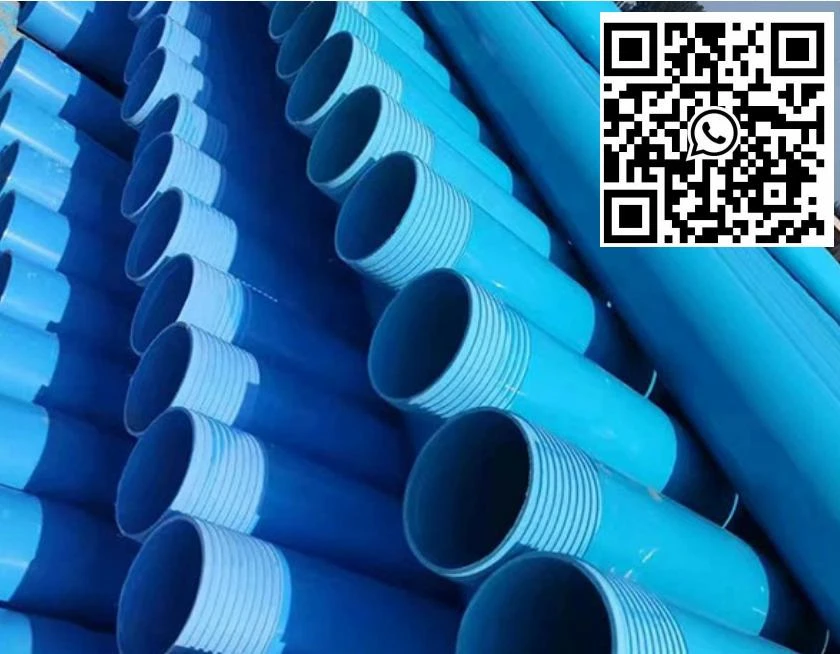
Polyvinyl chloride (PVC) pipe is a ubiquitous material in modern infrastructure, serving diverse applications ranging from potable water distribution and wastewater conveyance to irrigation, electrical conduit, and industrial processing. For manufacturers selling PVC pipe, understanding the nuances of its material science, production, performance, and potential failure modes is paramount to ensuring product quality, regulatory compliance, and long-term customer satisfaction. This guide provides a comprehensive technical overview of PVC pipe, targeting the specialized needs of B2B procurement managers and engineers involved in the selection and utilization of these critical components. The increasing demand for durable, corrosion-resistant, and cost-effective piping solutions positions PVC as a cornerstone material, but requires diligent attention to detail throughout the entire supply chain. The core performance characteristics, stemming from its unique polymer structure, dictate its suitability for specific applications and dictate rigorous quality control protocols during manufacturing.
Material Science & Manufacturing
PVC is a thermoplastic polymer produced through the polymerization of vinyl chloride monomer (VCM). The raw material, ethylene dichloride (EDC), is created from ethylene and chlorine. EDC is then cracked into VCM and hydrochloric acid. Polymerization processes include suspension, emulsion, and bulk polymerization, each yielding PVC resins with varying molecular weights and particle sizes. For pipe manufacturing, suspension PVC is most common due to its superior impact resistance and processability. Additives are crucial for tailoring PVC’s properties: plasticizers (e.g., DOP, DINP) impart flexibility, stabilizers (e.g., tin-based, calcium-zinc) prevent thermal degradation, lubricants (e.g., stearates) facilitate processing, and impact modifiers (e.g., acrylics) enhance toughness. The manufacturing process typically involves compounding – blending PVC resin with additives – followed by extrusion. Extrusion involves melting the compound and forcing it through a die to form the desired pipe dimensions. Key parameters during extrusion include melt temperature (180-220°C), screw speed (30-80 RPM), and die pressure (5-15 MPa). Proper control of these parameters is critical for achieving consistent wall thickness, diameter, and surface finish. Cooling is achieved through water baths, followed by sizing and cutting to length. Post-processing often includes hydrostatic testing to verify pressure integrity and dimensional accuracy. The molecular weight distribution (MWD) significantly impacts the long-term creep resistance and toughness of the finished product, necessitating strict monitoring during polymerization and compounding.
Performance & Engineering
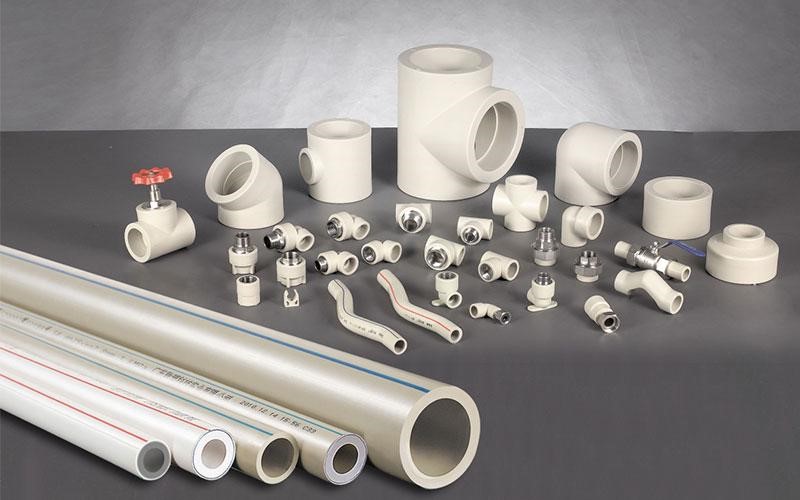
The performance of PVC pipe is primarily governed by its mechanical properties, chemical resistance, and thermal stability. Tensile strength (typically 55-70 MPa) dictates its ability to withstand longitudinal stresses, while yield strength (typically 40-50 MPa) determines its resistance to permanent deformation. Impact strength, measured using Izod or Charpy tests, is crucial for resisting sudden loads and preventing brittle fracture, particularly at lower temperatures. PVC exhibits excellent resistance to a wide range of chemicals, including acids, alkalis, and salts, making it suitable for corrosive environments. However, it is susceptible to degradation by strong oxidizing agents and certain aromatic hydrocarbons. Long-term hydrostatic strength is a critical design consideration, influenced by factors such as temperature, pressure, and the presence of sustained loads. Creep rupture, the slow deformation over time under constant stress, is a primary failure mechanism. Engineering design calculations must account for these factors using established standards like ASTM D2837 and ISO 4427. Furthermore, PVC’s coefficient of thermal expansion (approximately 8 x 10^-5 /°C) requires careful consideration in pipeline design to accommodate dimensional changes due to temperature fluctuations. Proper jointing techniques, such as solvent welding or gasketed connections, are essential for maintaining pipeline integrity and preventing leakage. The effects of UV exposure must also be considered, requiring the use of UV stabilizers in formulations designed for outdoor applications.
Technical Specifications
| Parameter | Schedule 40 (ASTM D1785) | Schedule 80 (ASTM D1785) | CPVC (ASTM D1785) |
|---|---|---|---|
| Material | PVC | PVC | CPVC |
| Pressure Rating (psi @ 73°F) | 400 | 600 | 400-1000 (depending on temp) |
| Temperature Rating (°F) | 140 | 140 | 180-200 |
| Tensile Strength (MPa) | 62 | 65 | 75 |
| Impact Strength (Izod Notched, J/m) | 600 | 750 | 800 |
| Coefficient of Linear Thermal Expansion (/°C) | 8 x 10^-5 | 8 x 10^-5 | 7 x 10^-5 |
Failure Mode & Maintenance
PVC pipe, while durable, is susceptible to various failure modes. Brittle fracture can occur due to impact loads, particularly at low temperatures, exacerbated by pre-existing flaws or stress concentrations. Long-term creep rupture is a common issue in pressurized systems, especially when exposed to elevated temperatures or sustained stresses. Chemical attack from incompatible substances can cause degradation and embrittlement. UV degradation, leading to discoloration and loss of mechanical properties, is prevalent in outdoor applications lacking UV stabilizers. Joint failures are frequent, often stemming from improper solvent welding techniques (insufficient surface preparation, incorrect solvent application) or gasket failures due to aging or improper installation. Microbiologically Influenced Corrosion (MIC), while less common in PVC than metals, can occur due to the formation of biofilms and the production of corrosive metabolites. Maintenance practices include regular visual inspections for cracks, discoloration, or leaks. Hydrostatic testing can verify the integrity of pressurized systems. Proper jointing procedures, following manufacturer’s recommendations and industry standards, are crucial. Protecting exposed pipe from UV radiation, using appropriate coatings or burial, extends service life. Periodic cleaning and disinfection of pipelines can mitigate the risk of MIC. For suspected failures, detailed analysis, including microscopy and chemical testing, is recommended to determine the root cause and implement corrective actions.
Industry FAQ
Q: What is the impact of plasticizer migration on the long-term performance of flexible PVC pipe?
A: Plasticizer migration, the gradual leaching of plasticizers from the PVC matrix, can lead to embrittlement and reduced flexibility over time. This is more pronounced in formulations with higher plasticizer content and under elevated temperature conditions. Selecting PVC compounds with optimized plasticizer formulations (e.g., DINP instead of DOP) and incorporating plasticizer stabilizers can significantly mitigate this effect. Regular monitoring of flexibility and hardness is recommended for long-term applications.
Q: How does water hammer affect the service life of PVC pipelines?
A: Water hammer, the sudden pressure surge caused by abrupt changes in flow velocity, can generate significant stress waves within the pipeline. Repeated water hammer events can lead to fatigue cracking and joint failures. Implementing surge protection devices, such as air chambers or pressure relief valves, is crucial for mitigating water hammer effects. Proper pipe anchoring and support also contribute to reducing stress concentrations.
Q: What are the key considerations when selecting PVC pipe for potable water applications?
A: Potable water applications require PVC compounds that meet stringent regulatory requirements, such as NSF/ANSI 61, ensuring the absence of harmful contaminants leaching into the water. The pipe must also be resistant to chlorine and other disinfectants commonly used in water treatment. Furthermore, smooth internal surfaces are preferred to minimize biofilm formation and maintain water quality.
Q: What is the role of stabilizers in preventing PVC degradation during processing and service?
A: Stabilizers are essential for preventing thermal degradation of PVC during high-temperature processing (extrusion, molding) and long-term exposure to heat and UV radiation. Tin-based stabilizers were traditionally used, but calcium-zinc stabilizers are gaining popularity due to their environmental friendliness. Stabilizers function by neutralizing hydrochloric acid (HCl) released during PVC degradation, preventing autocatalytic decomposition.
Q: What is the difference between Schedule 40 and Schedule 80 PVC pipe, and when would you choose one over the other?
A: Schedule 40 and Schedule 80 refer to the pipe wall thickness. Schedule 80 has a thicker wall than Schedule 40, resulting in a higher pressure rating and greater impact resistance. Schedule 40 is typically used for lower-pressure applications like irrigation and drainage, while Schedule 80 is preferred for higher-pressure applications like industrial processing and compressed air lines. The choice depends on the specific application requirements and safety factors.
Conclusion
PVC pipe remains a dominant material in piping systems due to its cost-effectiveness, corrosion resistance, and versatility. However, realizing its full potential necessitates a deep understanding of its material science, manufacturing processes, and potential failure modes. For manufacturers targeting B2B customers, meticulous quality control, adherence to international standards, and a commitment to continuous improvement are paramount. Optimizing formulations, implementing rigorous testing protocols, and providing comprehensive technical support are key differentiators in a competitive market.
Looking ahead, innovations in PVC compounding, such as the development of bio-based plasticizers and enhanced stabilizers, will further enhance the sustainability and performance of PVC pipe. Addressing the challenges associated with plasticizer migration and long-term creep rupture will be critical for expanding its application in demanding environments. Ultimately, a holistic approach encompassing material science, engineering design, and responsible manufacturing practices will ensure the continued relevance of PVC pipe in the infrastructure of the future.
-
DN25 HDPE Compression Fitting-HORON INTERNATIONAL|Reliable Irrigation Solutions
NewsFeb.11,2026
-
china 1 2 ppr pipe in mm Performance Analysis
News2026-06-04
-
china hdpe pipe for water supply specifications Performance Analysis
News2026-06-04
-
china ppr hot water pipe insulation Thermal Performance
News2026-06-04
-
china 24 inch diameter pvc pipe Performance Analysis
News2026-06-04
-
china ppr hot water pipe Performance Analysis
News2026-06-04
-
china 3.5 inch pvc pipe Performance Analysis
News2026-06-03
-
china 75mm plastic pipe Performance Analysis
News2026-06-03
-
china use of ppr pipe Performance Analysis
News2026-06-03
-
china hdpe corrugated subsoil drainage pipe Performance Analysis
News2026-06-03
-
china ppr quick connector Performance Analysis
News2026-06-03
-
china hdpe pipe sizes and dimensions Performance Analysis
News2026-06-02
-
china pvc pipe supplier Performance Analysis
News2026-06-02
-
china flexible water line for kitchen sink Performance Analysis
News2026-06-02
-
china blue pvc pipe Performance Analysis
News2026-06-02
-
china hdpe pipe jain irrigation Performance Analysis
News2026-06-02