

Feb . 11, 2026 00:01 Back to list
pvc pipe cost per foot manufacturer Performance Analysis
Introduction
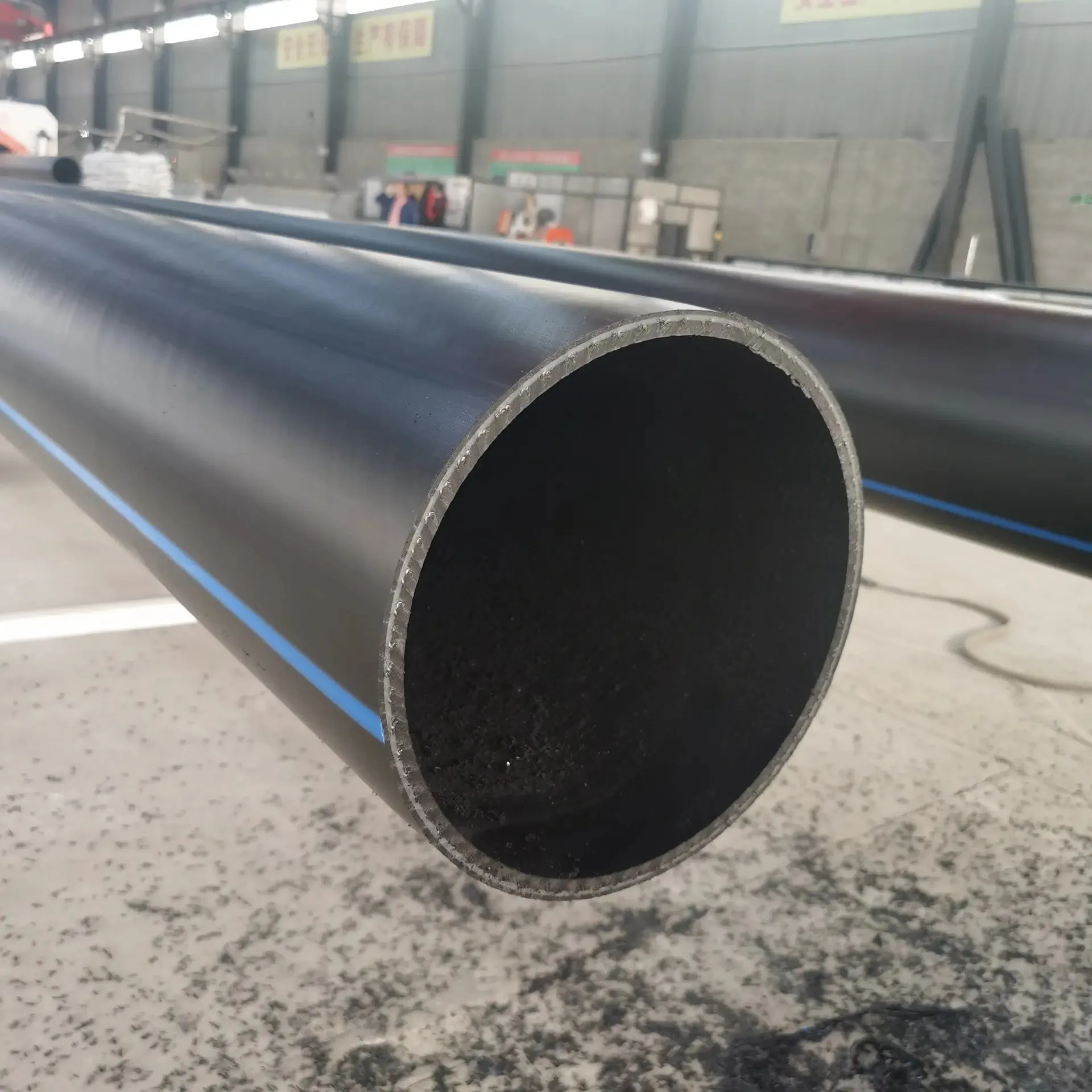
Polyvinyl Chloride (PVC) pipe represents a ubiquitous material in modern infrastructure, serving diverse applications ranging from potable water distribution and wastewater management to irrigation and industrial fluid conveyance. The cost per foot of PVC pipe is a critical procurement factor, heavily influenced by material grade, diameter, schedule (wall thickness), and geographical location. This technical guide provides a comprehensive analysis of PVC pipe, encompassing its material science, manufacturing processes, performance characteristics, failure modes, and relevant industry standards. Understanding these facets is paramount for engineers, procurement managers, and contractors to ensure optimal selection and longevity of PVC piping systems. PVC’s dominance stems from its cost-effectiveness, corrosion resistance, ease of installation, and relatively long service life compared to traditional materials like ductile iron or steel in many applications. However, proper specification and installation are critical to realizing these benefits and mitigating potential failure points. This document aims to equip stakeholders with the knowledge needed to navigate the complexities of PVC pipe selection and lifecycle management.
Material Science & Manufacturing
PVC is a thermoplastic polymer derived from the polymerization of vinyl chloride monomer (VCM). The resulting material exists in rigid and flexible forms, determined by the level of plasticizer additives. For piping applications, rigid PVC is predominantly used, achieving its rigidity through minimal plasticizer content. Raw materials for PVC pipe include PVC resin (typically suspension PVC, s-PVC), impact modifiers (e.g., chlorinated polyethylene – CPE), stabilizers (e.g., organotin compounds, calcium-zinc stabilizers), lubricants, and pigments. The quality and purity of the PVC resin significantly impact the pipe’s long-term performance. Manufacturing processes generally involve extrusion. PVC resin and additives are blended, then fed into an extruder, where they are heated, melted, and forced through a die to form the desired pipe shape and diameter. Key parameters controlled during extrusion include melt temperature (typically 180-210°C), screw speed, die pressure, and cooling rate. Precise control of these parameters is vital to achieve consistent wall thickness, dimensional accuracy, and a smooth surface finish. Pipe schedules (e.g., Schedule 40, Schedule 80) dictate the wall thickness and thus the pipe’s pressure-bearing capacity. Post-extrusion, pipes undergo quality control checks, including hydrostatic pressure testing and dimensional measurements, adhering to standards like ASTM D1785. Impact resistance is enhanced through the incorporation of impact modifiers like CPE; the percentage of CPE directly correlates with the pipe’s ability to withstand impacts and prevent brittle fracture, particularly in colder temperatures. Chemical compatibility is ensured by selecting appropriate stabilizers to prevent degradation during processing and service life.

Performance & Engineering
PVC pipe performance is characterized by its resistance to corrosion, chemical attack, and biological degradation. However, its mechanical properties are susceptible to temperature variations. The glass transition temperature (Tg) of PVC is approximately 80-85°C. Above this temperature, the pipe loses rigidity and can deform under load. Therefore, operating temperatures are typically limited to below 60°C. Force analysis in PVC piping systems considers both internal pressure from fluid flow and external loads from soil burial, traffic loading, and thermal expansion/contraction. The hoop stress generated by internal pressure is a critical design parameter, determined by Barlow's formula: σ = (PD)/(2t), where σ is hoop stress, P is internal pressure, D is pipe diameter, and t is wall thickness. Long-term hydrostatic strength is also crucial and is often evaluated using hydrostatic design basis (HDB) principles, which incorporate factors for time, temperature, and material degradation. PVC’s relatively low modulus of elasticity necessitates careful consideration of deflection under load. Excessive deflection can lead to joint leakage and structural failure. Installation practices, including proper bedding and backfilling, are vital to distribute external loads and minimize stress on the pipe. Compliance requirements vary depending on the application and region. Potable water systems typically adhere to NSF/ANSI Standard 61, which ensures the material does not leach harmful contaminants into the water. Wastewater systems often require compliance with ASTM D2231, which addresses the pipe’s resistance to chemical attack from sewage and other effluents. Geotechnical analysis is crucial for buried pipelines to assess soil corrosivity and potential for differential settlement.
Technical Specifications
| Parameter | Schedule 40 PVC | Schedule 80 PVC | CPVC (Chlorinated PVC) |
|---|---|---|---|
| Material | Rigid PVC | Rigid PVC | Chlorinated PVC |
| ASTM Standard | D1785 | D1785 | D1785 |
| Temperature Rating (°F) | 140 | 140 | 180 |
| Pressure Rating (psi) | Variable, dependent on diameter & size | Higher than Schedule 40 | Higher than PVC, dependent on diameter & size |
| Typical Wall Thickness (inches) | 0.133 | 0.179 | Variable, generally thicker than PVC |
| Tensile Strength (psi) | 6,000 - 8,000 | 6,000 - 8,000 | 7,500 - 10,000 |
Failure Mode & Maintenance
PVC pipe failure modes typically fall into several categories: brittle fracture, ductile failure, chemical attack, and UV degradation. Brittle fracture often occurs due to impact damage, particularly at low temperatures, especially with older, less impact-modified formulations. Ductile failure, while less common, can occur under sustained tensile stress, often at joints or fittings. Chemical attack can result from exposure to aggressive chemicals incompatible with PVC, leading to material degradation and cracking. Long-term exposure to ultraviolet (UV) radiation can cause embrittlement and discoloration, reducing the pipe’s mechanical properties. Failure analysis often involves visual inspection, microscopic examination of fracture surfaces, and chemical testing to identify the root cause of the failure. Maintenance primarily focuses on preventing failures through proper installation and protection. This includes ensuring adequate bedding and backfill to prevent external loads, avoiding direct exposure to sunlight (using UV-resistant coatings or burying the pipe), and regularly inspecting joints and fittings for leaks or cracks. For buried pipelines, cathodic protection is not generally required due to PVC’s inherent non-conductivity. However, in areas with aggressive soil conditions, external coatings or wrappings may be used to provide additional protection. Joints are particularly vulnerable and should be inspected regularly for proper sealing and tightness. The use of appropriate lubricants during installation can prevent stress cracking at joints. If minor cracks are detected, repairs can often be made using PVC cement and repair sleeves. However, significant damage may necessitate pipe replacement.
Industry FAQ
Q: What is the impact of temperature on the long-term performance of PVC pipe?
A: Elevated temperatures accelerate the degradation of PVC, reducing its mechanical strength and increasing its susceptibility to creep. While PVC pipe can operate up to 140°F, prolonged exposure to temperatures near this limit will shorten its service life. Lower temperatures, especially below freezing, can increase the risk of brittle fracture, particularly for older formulations lacking sufficient impact modification.
Q: How does the pipe schedule (e.g., Schedule 40 vs. Schedule 80) affect the cost per foot and application suitability?
A: Higher pipe schedules (e.g., Schedule 80) have thicker walls and therefore greater pressure-bearing capacity. This increased material content also translates to a higher cost per foot. Schedule 80 is typically used in applications requiring higher pressures or greater mechanical strength, while Schedule 40 is sufficient for many lower-pressure applications like irrigation or drainage.
Q: What are the key differences between PVC and CPVC, and when would you choose one over the other?
A: CPVC (Chlorinated PVC) has a higher chlorine content than PVC, resulting in increased temperature resistance (up to 180°F) and improved fire resistance. CPVC is generally more expensive than PVC. CPVC is preferred for hot water distribution systems, industrial applications involving corrosive fluids at elevated temperatures, and situations where fire safety is paramount.
Q: What is the role of impact modifiers (like CPE) in PVC pipe, and how do they affect performance?
A: Impact modifiers, such as chlorinated polyethylene (CPE), enhance the toughness and impact resistance of PVC pipe, particularly at low temperatures. They prevent brittle fracture by absorbing energy during impact. The higher the CPE content, the greater the impact resistance, but this may slightly reduce tensile strength. CPE is especially critical in applications where the pipe is exposed to potential impact damage or freezing temperatures.
Q: How do different joining methods (solvent welding, threaded connections, flanged connections) affect the integrity and longevity of a PVC piping system?
A: Solvent welding is the most common and generally most reliable joining method for PVC pipe, creating a homogeneous weld that is as strong as the pipe itself when performed correctly. Threaded connections are suitable for smaller diameter pipes but can be prone to leakage if not properly sealed. Flanged connections provide ease of disassembly for maintenance but are more expensive and require gaskets that may need periodic replacement. Proper surface preparation and adherence to manufacturer’s instructions are crucial for all joining methods to ensure a leak-free and durable connection.
Conclusion
PVC pipe remains a cornerstone material in numerous industries due to its favorable combination of cost-effectiveness, durability, and ease of installation. However, informed selection and proper application are paramount. Understanding the material science, manufacturing nuances, and performance limitations of PVC—particularly concerning temperature, pressure, and chemical exposure—is essential for ensuring long-term system reliability. Selecting the appropriate pipe schedule, utilizing compatible joining methods, and implementing preventative maintenance strategies are crucial for mitigating potential failure modes and maximizing the service life of PVC piping systems.
Looking ahead, continued advancements in PVC formulations, including the development of enhanced impact modifiers and UV stabilizers, will further expand the application envelope of this versatile material. Furthermore, the increasing emphasis on sustainable infrastructure is driving innovation in PVC recycling technologies, addressing environmental concerns and promoting circular economy principles. A comprehensive understanding of these technical considerations will empower engineers and procurement professionals to make informed decisions, optimizing both project costs and long-term performance.
-
DN25 HDPE Compression Fitting-HORON INTERNATIONAL|Reliable Irrigation Solutions
NewsFeb.11,2026
-
china 1 2 ppr pipe in mm Performance Analysis
News2026-06-04
-
china hdpe pipe for water supply specifications Performance Analysis
News2026-06-04
-
china ppr hot water pipe insulation Thermal Performance
News2026-06-04
-
china 24 inch diameter pvc pipe Performance Analysis
News2026-06-04
-
china ppr hot water pipe Performance Analysis
News2026-06-04
-
china 3.5 inch pvc pipe Performance Analysis
News2026-06-03
-
china 75mm plastic pipe Performance Analysis
News2026-06-03
-
china use of ppr pipe Performance Analysis
News2026-06-03
-
china hdpe corrugated subsoil drainage pipe Performance Analysis
News2026-06-03
-
china ppr quick connector Performance Analysis
News2026-06-03
-
china hdpe pipe sizes and dimensions Performance Analysis
News2026-06-02
-
china pvc pipe supplier Performance Analysis
News2026-06-02
-
china flexible water line for kitchen sink Performance Analysis
News2026-06-02
-
china blue pvc pipe Performance Analysis
News2026-06-02
-
china hdpe pipe jain irrigation Performance Analysis
News2026-06-02