

Feb . 11, 2026 00:01 Back to list
pvc pipe cost per foot factory Performance Analysis
Introduction
Polyvinyl Chloride (PVC) pipe represents a foundational component in modern infrastructure, utilized extensively across water distribution, irrigation, drainage, and conduit applications. Understanding the ‘pvc pipe cost per foot factory’ dynamic requires a nuanced examination beyond simple pricing. This guide details the material science, manufacturing processes, performance characteristics, failure modes, and relevant industry standards governing PVC pipe production and cost, aimed at informing procurement decisions and ensuring long-term system reliability. The cost of PVC pipe, while seemingly straightforward, is influenced by resin prices (linked to crude oil), manufacturing complexity, pipe diameter and schedule (wall thickness), geographic location, and order volume. This analysis focuses on Schedule 40 and Schedule 80 PVC pipe, the most common industrial grades. A key consideration is the distinction between commodity-grade PVC and specialized formulations incorporating UV inhibitors, impact modifiers, or flame retardants, all impacting the per-foot cost. Finally, understanding factory capabilities – extrusion line capacity, quality control procedures, and certification adherence – is vital to securing consistent product quality and competitive pricing.
Material Science & Manufacturing
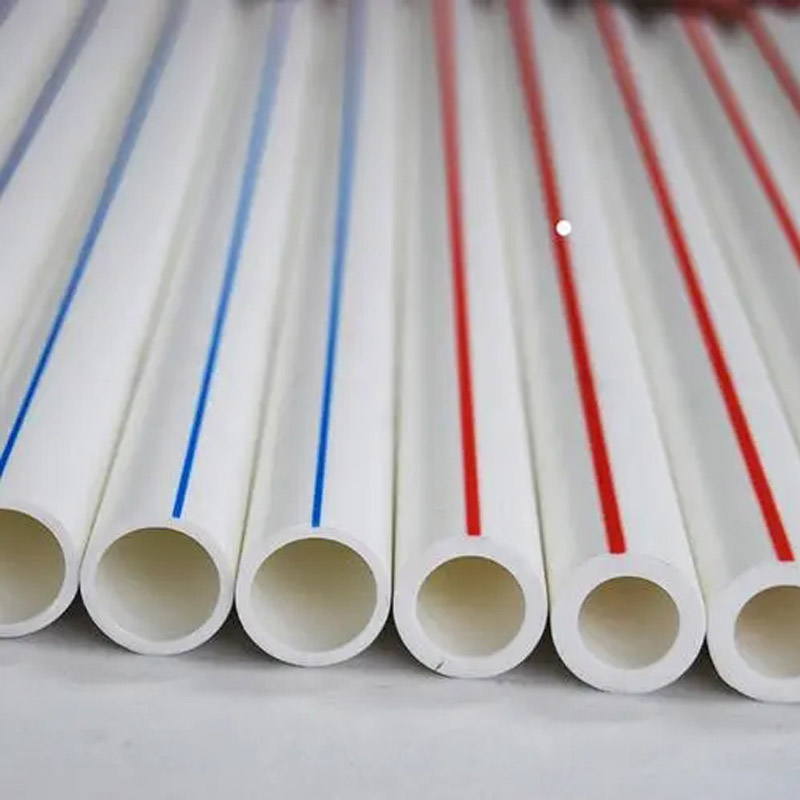
PVC’s core material is a thermoplastic polymer derived from vinyl chloride monomer (VCM). Polymerization processes, typically suspension or emulsion polymerization, convert VCM into PVC resin. The resin is then compounded with additives like plasticizers (DEHP, DINP), stabilizers (tin-based, calcium-zinc based), lubricants, and impact modifiers (acrylic polymers) to tailor its properties. The choice of plasticizer significantly impacts flexibility and cost; phthalate-free options are increasingly prevalent due to environmental concerns, often increasing per-foot costs. Manufacturing PVC pipe predominantly utilizes extrusion. PVC compound is fed into a single-screw or twin-screw extruder, where it's heated and plasticized. The molten PVC is then forced through a die, shaping it into the desired pipe dimensions. Critical parameters during extrusion include die temperature, screw speed, haul-off speed, and cooling water temperature. Maintaining consistent wall thickness and diameter is paramount, requiring precision tooling and robust process control. Post-extrusion, pipes undergo dimensional checks, hydrostatic testing (to verify pressure resistance), and marking for identification and compliance. The quality of the resin, the precision of the extrusion process, and the effectiveness of the cooling system all directly correlate to the final cost per foot. Furthermore, the selection of stabilizers dictates the pipe’s long-term resistance to degradation from UV exposure and thermal cycling.
Performance & Engineering
PVC pipe’s performance characteristics are dictated by its mechanical strength, chemical resistance, and temperature limitations. Tensile strength, typically between 50-70 MPa for Schedule 40, determines its resistance to bursting under internal pressure. The modulus of elasticity (around 3-4 GPa) governs its stiffness and resistance to deformation. A critical engineering consideration is pressure derating due to temperature. Higher temperatures reduce the pipe’s pressure-bearing capacity. ASTM D1785 outlines pressure ratings for PVC pipe at 73°F (23°C); these ratings must be reduced proportionally for elevated temperatures. Long-term hydrostatic strength (LTHS) is a crucial parameter, indicating the pipe’s ability to withstand sustained pressure over a 50-year service life. Impact resistance, particularly important in buried applications, is enhanced by incorporating impact modifiers into the PVC compound. Chemical resistance is excellent for many acids, bases, and salts, but PVC is susceptible to attack by certain solvents and aromatic hydrocarbons. Proper jointing techniques – solvent welding with appropriate primers and cement – are vital to maintain the pipe’s structural integrity. Incorrect solvent welding can create weak points prone to failure. Finite element analysis (FEA) is often employed during design to optimize pipe geometry and validate structural performance under various loading conditions.
Technical Specifications
| Parameter | Schedule 40 | Schedule 80 | Unit |
|---|---|---|---|
| Outside Diameter (OD) - 4" | 4.500 | 4.500 | inches |
| Wall Thickness - 4" | 0.218 | 0.280 | inches |
| Pressure Rating @ 73°F - 4" | 400 | 600 | PSI |
| Tensile Strength | 55-65 | 60-70 | MPa |
| Modulus of Elasticity | 3.0 - 3.5 | 3.2 - 3.8 | GPa |
| Typical Cost per Foot (4" diameter, 2024) | $0.80 - $1.20 | $1.30 - $1.80 | USD |
Failure Mode & Maintenance
PVC pipe can experience several failure modes. Brittle fracture, particularly at low temperatures or with impact loads, is a common concern. Long-term hydrostatic stress can lead to slow crack propagation (SCP), especially in soils containing aggressive chemicals. UV degradation causes embrittlement and discoloration, reducing the pipe’s mechanical properties. Chemical attack from solvents or hydrocarbons can cause swelling, cracking, or dissolution. Joint failures often result from improper solvent welding – insufficient primer application, inadequate cement coverage, or curing in unfavorable conditions. Maintenance involves regular visual inspections for cracks, leaks, or discoloration. Pressure testing can identify hidden leaks or weaknesses. In areas with aggressive soils, protective coatings or cathodic protection may be necessary to prevent corrosion-induced failures. For buried pipes, proper bedding and backfill are crucial to prevent stress concentrations and mechanical damage. If SCP is suspected, soil analysis is essential to identify the causative agents, and pipe replacement is often the only viable solution. Careful selection of appropriate PVC compound based on the intended environment, coupled with proper installation procedures, is the most effective method to mitigate failure risk.
Industry FAQ
Q: What factors most significantly impact the 'pvc pipe cost per foot factory' price?
A: Resin prices (tied to ethylene and chlorine production costs), manufacturing volume, pipe diameter and schedule, and the inclusion of specialized additives (UV inhibitors, impact modifiers) are the primary cost drivers. Geographic location and transportation costs also play a role.
Q: How does Schedule 80 PVC pipe compare to Schedule 40 in terms of cost and application?
A: Schedule 80 PVC has a thicker wall and higher pressure rating than Schedule 40, resulting in a higher cost per foot (typically 30-50% more). It's used in applications requiring greater pressure resistance, such as industrial process lines and high-pressure irrigation systems.
Q: What are the long-term considerations for UV exposure and PVC pipe?
A: Prolonged UV exposure causes embrittlement and degradation of PVC. UV-stabilized compounds are crucial for outdoor applications. Regular inspection and protective coatings can extend service life. Without UV stabilization, lifespan can be drastically reduced.
Q: What is the importance of hydrostatic testing in PVC pipe manufacturing?
A: Hydrostatic testing verifies the pipe’s ability to withstand internal pressure and ensures the absence of manufacturing defects. It's a critical quality control step mandated by standards like ASTM D1785 and ensures the pipe meets specified performance requirements.
Q: What impact do different plasticizers have on PVC pipe cost and performance?
A: Phthalate plasticizers (DEHP, DINP) are typically less expensive but are facing increasing regulatory scrutiny due to health concerns. Phthalate-free alternatives (DOTP, TOTM) offer improved environmental profiles but generally increase the material cost, influencing the final 'pvc pipe cost per foot factory' price.
Conclusion
The ‘pvc pipe cost per foot factory’ is a complex metric shaped by material science, manufacturing precision, and rigorous performance testing. Understanding the interplay of resin prices, compounding formulations, extrusion parameters, and relevant industry standards is essential for informed procurement and long-term infrastructure reliability. The selection of the appropriate PVC schedule, coupled with proper installation techniques and consideration of environmental factors, are key to maximizing service life and minimizing the total cost of ownership.
Looking forward, the PVC pipe industry is trending towards sustainable manufacturing practices, including the use of recycled PVC content and bio-based plasticizers. Continued innovation in polymer technology will further enhance PVC’s performance characteristics and reduce its environmental footprint. Thorough due diligence in vetting suppliers and verifying compliance with international standards remains paramount to securing high-quality, cost-effective PVC pipe solutions.
-
DN25 HDPE Compression Fitting-HORON INTERNATIONAL|Reliable Irrigation Solutions
NewsFeb.11,2026
-
china 1 2 ppr pipe in mm Performance Analysis
News2026-06-04
-
china hdpe pipe for water supply specifications Performance Analysis
News2026-06-04
-
china ppr hot water pipe insulation Thermal Performance
News2026-06-04
-
china 24 inch diameter pvc pipe Performance Analysis
News2026-06-04
-
china ppr hot water pipe Performance Analysis
News2026-06-04
-
china 3.5 inch pvc pipe Performance Analysis
News2026-06-03
-
china 75mm plastic pipe Performance Analysis
News2026-06-03
-
china use of ppr pipe Performance Analysis
News2026-06-03
-
china hdpe corrugated subsoil drainage pipe Performance Analysis
News2026-06-03
-
china ppr quick connector Performance Analysis
News2026-06-03
-
china hdpe pipe sizes and dimensions Performance Analysis
News2026-06-02
-
china pvc pipe supplier Performance Analysis
News2026-06-02
-
china flexible water line for kitchen sink Performance Analysis
News2026-06-02
-
china blue pvc pipe Performance Analysis
News2026-06-02
-
china hdpe pipe jain irrigation Performance Analysis
News2026-06-02