

Feb . 11, 2026 00:01 Back to list
ppr water pipe price products Material Performance
Introduction
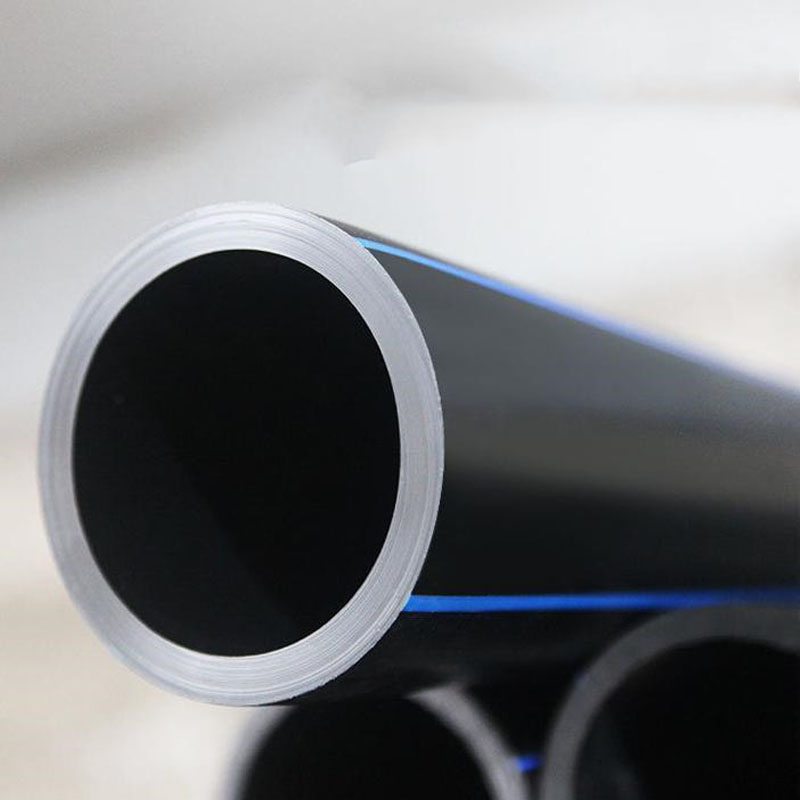
Polypropylene Random (PPR) water pipes represent a significant advancement in potable water distribution systems, offering a corrosion-resistant and cost-effective alternative to traditional materials like copper, galvanized steel, and PVC. PPR pipes are thermoplastic polymers created from polypropylene, strategically engineered for hot and cold-water applications. Their position in the industry chain is as a primary component of plumbing infrastructure, connecting water sources to fixtures within residential, commercial, and industrial buildings. Core performance characteristics center on their ability to withstand internal water pressure, maintain water purity, and exhibit long-term durability without degradation. The 'price' element of PPR water pipe products is directly related to material grade (homopolymer, copolymer, random copolymer), pipe diameter, schedule (pressure rating), and manufacturing standards adhered to during production. This guide provides an in-depth technical exploration of PPR water pipe systems, focusing on material science, manufacturing, performance, failure modes, and relevant industry standards.
Material Science & Manufacturing
PPR pipes are primarily composed of polypropylene homopolymer, copolymer, and random copolymer. Homopolymers offer high rigidity and strength but have limited temperature resistance. Copolymers introduce ethylene units, improving impact resistance and low-temperature performance. Random copolymers, the most common in water pipe applications, feature a random distribution of ethylene comonomers, optimizing both strength, flexibility, and temperature resistance. Raw material selection is critical, focusing on resin melt flow index (MFI), which dictates processability and final product characteristics.
Manufacturing typically involves extrusion molding. Polypropylene resin is fed into an extruder, melted, and forced through a die to create the pipe shape. Key process parameters include barrel temperature profiles (typically ranging from 190°C to 240°C, optimized for the specific PP grade), screw speed (influencing melt homogeneity), and die pressure (affecting dimensional accuracy). Socket fusion and electrofusion are common joining methods. Socket fusion involves heating both the pipe and fitting, then pressing them together, creating a homogenous weld. Electrofusion utilizes an electrical current to melt and fuse the pipe and fitting, providing a controlled and robust joint. Quality control at each stage is vital; hydrostatic pressure testing (withstanding a pressure significantly exceeding operational limits) is mandatory to ensure pipe integrity. Annealing processes are sometimes employed to relieve internal stresses introduced during cooling, enhancing long-term creep resistance.
Performance & Engineering
The performance of PPR pipes is governed by several key engineering considerations. Hydrostatic pressure testing is crucial, verifying resistance to burst pressure. The yield strength of the polypropylene material dictates the maximum sustainable pressure. Creep rupture, the gradual deformation and eventual failure under sustained stress, is a significant long-term concern. The pipe’s wall thickness and material grade directly influence creep resistance. Thermal expansion and contraction are inherent characteristics of polypropylene, requiring careful consideration during installation. Expansion loops or flexible connectors must be incorporated to accommodate thermal movement and prevent stress buildup at joints.
Chemical resistance is another critical factor. PPR is generally resistant to common waterborne chemicals but can be susceptible to degradation from prolonged exposure to strong oxidizing agents or certain solvents. Environmental resistance encompasses UV degradation (requiring UV stabilizers in outdoor applications) and resistance to chlorine and chloramines commonly used in water disinfection. Compliance requirements are dictated by regional building codes and standards (see section 7). These standards specify minimum pressure ratings, material properties, and testing procedures. Force analysis during installation and operation must account for water hammer (pressure surges) and external loads from soil or structural elements. Appropriate pipe support systems and anchoring are essential to prevent stress concentrations and premature failure.
Technical Specifications
| Parameter | Units | Standard Value (Typical) | Testing Method |
|---|---|---|---|
| Hydrostatic Pressure (Short Term) | MPa | 1.6 | ISO 11671 |
| Hydrostatic Pressure (Long Term) | MPa | 1.0 | ISO 11671 |
| Tensile Strength | MPa | 20-30 | ISO 527-2 |
| Elongation at Break | % | 200-400 | ISO 527-2 |
| Water Absorption | % (24 hrs) | ≤ 0.5 | ISO 62 |
| Vicat Softening Temperature | °C | 130-150 | ISO 306 |
Failure Mode & Maintenance
PPR water pipes, while durable, are susceptible to several failure modes. Fatigue cracking can occur due to cyclic pressure fluctuations and thermal stresses, particularly at joints. This is exacerbated by improper installation or excessive water hammer. Delamination, the separation of layers within the pipe wall, can result from manufacturing defects or exposure to aggressive chemicals. Oxidation, caused by long-term exposure to high temperatures and oxygen, can degrade the polypropylene material, reducing its strength and flexibility. Creep rupture, as previously mentioned, is a slow-form failure driven by sustained stress over extended periods. Joint failures are common, often stemming from inadequate cleaning or insufficient heating during socket fusion or electrofusion.
Maintenance primarily focuses on preventative measures. Regular inspections for leaks or signs of degradation are crucial. Proper pipe support and anchoring minimize stress on joints. Water hammer arrestors should be installed to mitigate pressure surges. If a leak develops, the affected section of pipe should be replaced using appropriate joining techniques. Avoid using abrasive cleaning agents that can damage the pipe surface. Periodically flushing the system removes sediment buildup that can contribute to corrosion or biofilm formation. If exposed to direct sunlight, UV-protective coatings should be applied to prevent degradation. For minor surface scratches, a compatible polypropylene repair compound can be used.
Industry FAQ
Q: What is the impact of water quality (e.g., pH levels, chlorine concentration) on the long-term performance of PPR pipes?
A: Water quality significantly influences PPR pipe longevity. Highly acidic or alkaline water can accelerate degradation, though PPR generally exhibits good resistance within typical potable water pH ranges (6.5-8.5). High chlorine concentrations, particularly over prolonged periods, can lead to oxidative stress cracking. Stabilized chlorine levels, as found in municipal water treatment, are usually tolerable, but continuous exposure to very high concentrations should be avoided. Using pipes specifically formulated with chlorine resistance additives is recommended in such cases.
Q: How does the pipe schedule (pressure rating) influence the overall cost and suitability of PPR for different applications?
A: Higher pipe schedules (e.g., PN20 vs. PN16) indicate greater wall thickness and, consequently, higher pressure ratings. While offering increased safety margins and suitability for high-pressure applications, higher schedules also increase material costs. Selecting the appropriate schedule involves a trade-off between performance requirements and budget constraints. For residential applications with typical water pressures, PN16 is often sufficient. Commercial and industrial facilities, or systems subject to water hammer, may require PN20 or higher.
Q: What are the critical steps to ensure a leak-proof joint during socket fusion welding?
A: Proper joint preparation is paramount. Both the pipe and fitting surfaces must be clean, dry, and free of debris. Accurate alignment is essential before applying heat. The heating tool must be set to the correct temperature and pressure based on the pipe diameter and schedule. Heating time should adhere to manufacturer's specifications. After heating, the pipe and fitting should be joined promptly and rotated slightly to ensure uniform fusion. The joint should be allowed to cool undisturbed to prevent stress cracking.
Q: How do PPR pipes compare to PEX (cross-linked polyethylene) pipes in terms of thermal expansion and installation flexibility?
A: PPR typically exhibits a higher coefficient of thermal expansion than PEX. This means that PPR pipes expand and contract more with temperature changes, requiring more attention to expansion loops and anchoring during installation. PEX, being more flexible, can accommodate thermal movement more readily and is often preferred in retrofit applications where routing flexibility is critical. PPR’s rigidity can simplify some installations but demands more careful consideration of thermal stresses.
Q: What are the environmental considerations associated with the manufacturing and disposal of PPR pipes?
A: Polypropylene is a recyclable material, but the recycling infrastructure for PPR pipes is not yet widely established in all regions. Manufacturing processes consume energy and generate waste, but modern facilities are increasingly adopting energy-efficient technologies and waste reduction strategies. Proper disposal of PPR waste is crucial to prevent environmental contamination. Incineration with energy recovery is a preferred disposal method, but landfilling remains common. Efforts to promote circular economy principles and enhance PPR recycling rates are ongoing.
Conclusion
PPR water pipes represent a robust and cost-effective solution for potable water distribution systems. Their inherent corrosion resistance, coupled with advancements in manufacturing and joining techniques, delivers long-term reliability. However, optimal performance relies on meticulous material selection, adherence to stringent manufacturing standards, careful installation practices, and a thorough understanding of potential failure modes.
Moving forward, continued research and development efforts will likely focus on enhancing PPR’s resistance to chlorine and other aggressive chemicals, improving its UV stability, and developing more sustainable manufacturing and recycling processes. The increasing emphasis on water conservation and infrastructure resilience will further drive the adoption of PPR systems as a vital component of modern plumbing infrastructure. Ultimately, a comprehensive understanding of the technical nuances discussed in this guide is crucial for engineers, procurement managers, and installers alike to maximize the value and longevity of PPR water pipe investments.
-
DN25 HDPE Compression Fitting-HORON INTERNATIONAL|Reliable Irrigation Solutions
NewsFeb.11,2026
-
china hdpe pipe to pvc pipe connection Performance Engineering
News2026-05-29
-
china 12 inch pvc pipe Performance Analysis
News2026-05-29
-
china pvc to hdpe pipe connection Performance Analysis
News2026-05-29
-
china types of pipes pvc Performance Analysis
News2026-05-29
-
china 2 hdpe coupling Material Science
News2026-05-29
-
china 48 hdpe pipe for sale Performance Analysis
News2026-05-28
-
china perforated land drainage pipe Performance Analysis
News2026-05-28
-
china clear pvc hose Performance Analysis
News2026-05-28
-
china kitchen sink hot cold water lines Performance Analysis
News2026-05-28
-
china 110 mm pvc pipe Performance Analysis
News2026-05-28
-
china upvc column pipes for submersible pumps price list Performance Analysis
News2026-05-27
-
china ppr pipe for water supply Performance Analysis
News2026-05-27
-
china 20mm ppr pipe price Performance Analysis
News2026-05-27
-
china hdpe pipe 24 inch Performance Analysis
News2026-05-27
-
china hdpe to steel coupling Performance Analysis
News2026-05-27