

Feb . 11, 2026 00:01 Back to list
ppr water pipe price product Technical Analysis

Introduction
Polypropylene Random (PPR) water pipes represent a significant advancement in potable water distribution systems, offering a corrosion-resistant and cost-effective alternative to traditional metal piping. Positioned within the broader polymer piping industry, PPR systems are primarily utilized for hot and cold water supply in residential, commercial, and industrial applications. The price of PPR water pipes is influenced by factors including material grade, pipe diameter, pressure rating (S ratings), and manufacturer. Core performance characteristics include high flow capacity, thermal stability, and resistance to scaling, making them a preferred choice in modern plumbing infrastructure. This guide provides an in-depth technical analysis of PPR water pipe systems, encompassing material science, manufacturing processes, performance engineering, failure modes, and relevant industry standards.
Material Science & Manufacturing
PPR pipes are manufactured from polypropylene random copolymers. The base material, polypropylene, is a thermoplastic polymer derived from propylene monomer. The 'random' designation indicates the random distribution of comonomers, typically ethylene, within the polymer chain. This random copolymerization disrupts the crystallinity of the polypropylene, resulting in enhanced flexibility, impact resistance, and weldability. Raw material quality is paramount; the homopolymer polypropylene used needs to meet stringent purity standards, minimizing the presence of impurities that could compromise long-term performance.
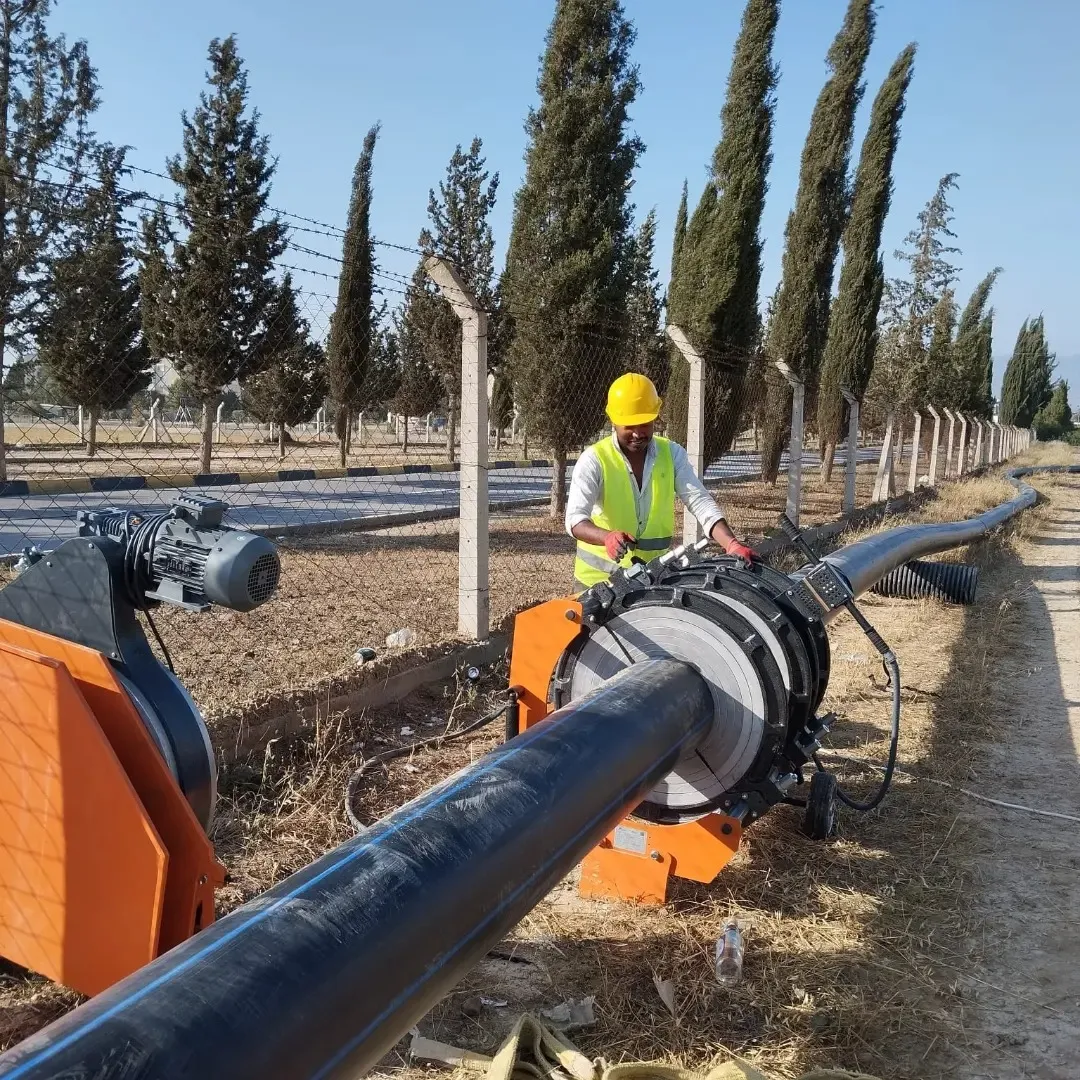
Manufacturing primarily involves extrusion. Polypropylene granules are fed into an extruder, where they are heated and melted. The molten polymer is then forced through a die to form a pipe of the desired diameter and wall thickness. Critical parameters during extrusion include melt temperature (typically 190-230°C), extrusion speed, and die geometry. Precise control of these parameters ensures dimensional accuracy, consistent wall thickness, and smooth internal and external surfaces. Subsequent cooling is typically achieved via water baths, controlling the cooling rate to minimize internal stresses. Pipes are often produced according to standardized schedules (S-ratings – S3.2, S4, S5, S6.3, S10), denoting pressure-bearing capability. Fusion welding techniques (socket fusion, butt fusion, electrofusion) are integral to PPR system installation, relying on the thermoplastic nature of the material to create leak-proof joints. The welding process requires precise temperature control and adherence to manufacturer’s specifications to ensure optimal joint strength and integrity.
Performance & Engineering
The performance of PPR pipes is critically linked to their mechanical and thermal properties. Tensile strength, typically ranging from 20-30 MPa, dictates the pipe's resistance to cracking under load. Elongation at break, usually between 200-500%, indicates ductility and impact resistance. The Vicat softening temperature, generally between 130-150°C, determines the maximum service temperature. PPR pipes exhibit excellent resistance to a wide range of chemicals commonly found in potable water, including chlorine, acids, and alkalis. However, prolonged exposure to strong oxidizing agents should be avoided. Hydrostatic pressure testing is a crucial quality control measure, ensuring pipes can withstand pressures significantly exceeding their rated operating pressure.
Engineering considerations extend to thermal expansion and contraction. PPR has a coefficient of thermal expansion significantly higher than that of metal pipes (approximately 0.03 mm/m°C). This necessitates the incorporation of expansion loops or flexible connectors in long pipe runs to prevent stress build-up and potential failure. Furthermore, the pipes’ resistance to creep – the tendency to deform under sustained load – is an important factor in long-term reliability. Compliance with relevant plumbing codes and standards (e.g., NSF/ANSI 61 for potable water safety) is mandatory. Force analysis during installation and operation must account for hydrostatic pressure, thermal stresses, and external loads (e.g., soil load in buried applications). Understanding the pipe's pressure-bearing capacity, defined by its S-rating, is paramount for safe and efficient system design.
Technical Specifications
| Parameter | Unit | S3.2 | S4 |
|---|---|---|---|
| Nominal Diameter | mm | 20-40 | 25-63 |
| Pressure Rating (PN) | bar | 12.5 | 16 |
| Hydrostatic Pressure Test | bar | 37.5 | 48 |
| Tensile Strength | MPa | 22-25 | 25-28 |
| Vicat Softening Temperature | °C | 135-140 | 140-145 |
| Coefficient of Linear Thermal Expansion | mm/m°C | 0.03 | 0.03 |
Failure Mode & Maintenance
Common failure modes in PPR water pipe systems include slow crack growth (SCG), particularly in areas of high stress concentration (e.g., around fittings, welds). SCG is often initiated by residual stresses from manufacturing or improper installation, exacerbated by exposure to chlorinated water or other aggressive chemicals. Another failure mode is delamination, where layers of the pipe wall separate due to inadequate fusion welding or material defects. Oxidation, especially at elevated temperatures, can lead to embrittlement and cracking. Fatigue cracking can occur in areas subjected to cyclical pressure fluctuations.
Preventative maintenance involves regular visual inspections for leaks, cracks, or signs of deformation. Periodic pressure testing can identify weakened sections of the system. Proper installation is crucial; adherence to manufacturer’s guidelines for welding parameters (temperature, pressure, dwell time) is essential. Water quality should be monitored to minimize the concentration of aggressive chemicals. If leaks are detected, the affected section of pipe should be replaced using compatible PPR fittings and welding techniques. Avoid applying excessive mechanical stress to the pipes during installation or maintenance. For buried pipelines, proper bedding and backfill materials should be used to protect against external loads and corrosion. Proper support and anchoring of the pipes are necessary to prevent sagging and stress concentration.
Industry FAQ
Q: What is the long-term durability of PPR pipes compared to copper?
A: PPR pipes, when installed correctly and exposed to typical potable water conditions, can offer a service life exceeding 50 years. While copper boasts a longer established track record, PPR’s resistance to corrosion eliminates a significant failure mechanism present in copper systems. However, PPR is more susceptible to SCG under specific conditions (chlorine concentration, residual stress). Regular inspection and adherence to installation best practices are crucial for maximizing PPR’s lifespan.
Q: How does the cost of PPR compare to PEX and CPVC?
A: Generally, PPR pipe material costs are comparable to PEX, but slightly higher than CPVC. However, considering installation costs, PPR can be more economical due to faster welding times compared to solvent welding with CPVC or the use of crimp or expansion fittings with PEX. The overall cost-effectiveness depends on project scale and labor rates.
Q: What is the impact of water hardness on PPR pipe performance?
A: Water hardness, while not directly corrosive to PPR, can contribute to scale buildup inside the pipes. This reduces flow capacity and can create localized stress concentrations. While PPR is generally resistant to scaling, periodic flushing of the system is recommended in areas with hard water to mitigate this issue.
Q: Are PPR pipes suitable for outdoor applications exposed to UV radiation?
A: Prolonged exposure to direct UV radiation can cause degradation of PPR, leading to embrittlement and reduced mechanical properties. For outdoor applications, PPR pipes should be shielded from sunlight using protective coverings, buried underground, or painted with UV-resistant coatings.
Q: What are the best practices for welding PPR pipes to ensure a reliable joint?
A: Utilize the correct welding tools and settings as specified by the pipe manufacturer. Ensure the pipe and fitting surfaces are clean and dry before welding. Apply consistent and even pressure during the welding process. Allow the joint to cool completely before applying any stress. Perform a visual inspection of the weld bead to ensure complete fusion and absence of defects. Properly trained personnel are essential for achieving consistent, high-quality welds.
Conclusion
PPR water pipe systems offer a compelling combination of cost-effectiveness, corrosion resistance, and ease of installation, making them a popular choice for modern plumbing applications. Their performance is directly linked to material quality, precise manufacturing control, and adherence to established welding procedures. Understanding the material’s properties – including its thermal expansion characteristics and susceptibility to slow crack growth – is critical for ensuring long-term reliability.
Future advancements in PPR technology are likely to focus on enhancing UV resistance, improving resistance to SCG, and developing more sophisticated monitoring systems to detect potential failures before they occur. Continued development of standardized testing methods and quality control procedures will be essential for maintaining the integrity and longevity of PPR water pipe systems. Careful consideration of the environmental and operational parameters is paramount in maximizing the benefits of this versatile piping material.
-
DN25 HDPE Compression Fitting-HORON INTERNATIONAL|Reliable Irrigation Solutions
NewsFeb.11,2026
-
china hdpe pipe to pvc pipe connection Performance Engineering
News2026-05-29
-
china 12 inch pvc pipe Performance Analysis
News2026-05-29
-
china pvc to hdpe pipe connection Performance Analysis
News2026-05-29
-
china types of pipes pvc Performance Analysis
News2026-05-29
-
china 2 hdpe coupling Material Science
News2026-05-29
-
china 48 hdpe pipe for sale Performance Analysis
News2026-05-28
-
china perforated land drainage pipe Performance Analysis
News2026-05-28
-
china clear pvc hose Performance Analysis
News2026-05-28
-
china kitchen sink hot cold water lines Performance Analysis
News2026-05-28
-
china 110 mm pvc pipe Performance Analysis
News2026-05-28
-
china upvc column pipes for submersible pumps price list Performance Analysis
News2026-05-27
-
china ppr pipe for water supply Performance Analysis
News2026-05-27
-
china 20mm ppr pipe price Performance Analysis
News2026-05-27
-
china hdpe pipe 24 inch Performance Analysis
News2026-05-27
-
china hdpe to steel coupling Performance Analysis
News2026-05-27