

Feb . 11, 2026 00:01 Back to list
ppr water pipe price manufacturers Performance Analysis
Introduction
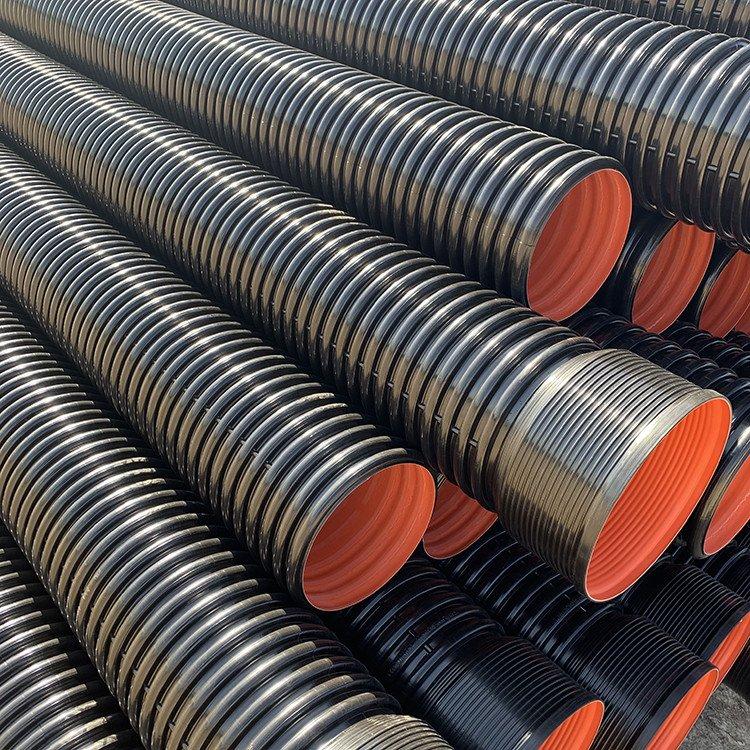
Polypropylene Random (PPR) water pipes represent a significant advancement in potable water distribution systems, increasingly favored over traditional materials like galvanized steel and copper. PPR pipes are thermoplastic polymers manufactured from polypropylene, offering a compelling combination of cost-effectiveness, corrosion resistance, and ease of installation. PPR water pipe price manufacturers cater to a growing global demand, focusing on producing pipes compliant with stringent international standards. Their technical position within the plumbing and infrastructure supply chain is crucial, impacting both construction costs and the longevity of water distribution networks. Core performance characteristics include pressure resistance, temperature stability, and hygienic properties, making them suitable for both hot and cold water applications. Understanding the nuances of PPR production and material science is vital for procurement managers and engineers seeking reliable and durable piping solutions. This guide provides an in-depth analysis of PPR water pipes, covering material science, manufacturing processes, performance characteristics, potential failure modes, and relevant industry standards.
Material Science & Manufacturing
PPR pipes are produced from polypropylene random copolymers, differing from homopolymers in their molecular structure. The 'random' designation signifies the random distribution of comonomers within the polymer chain, enhancing flexibility and impact resistance. Raw material selection is paramount; virgin polypropylene granules are preferred over recycled materials to ensure consistent quality and prevent contamination. Key physical properties include a density of approximately 0.905 g/cm³, a glass transition temperature (Tg) around -10°C, and a melting point typically between 130-171°C, dependent on the specific copolymer composition. Manufacturing primarily involves extrusion molding. Polypropylene granules are fed into an extruder, melted, and forced through a die to create a pipe. Critical parameters during extrusion include temperature control (barrel, die, and melt temperature), screw speed, and pullulating speed. These parameters dictate the pipe's wall thickness, diameter, and homogeneity. Fusion welding techniques – socket fusion, butt fusion, and electrofusion – are employed to join PPR pipes. Socket fusion uses heat to melt both the pipe and fitting surfaces, creating a homogenous weld. Butt fusion is employed for larger diameter pipes, utilizing friction heat generated by rotating the pipe ends against each other. Electrofusion utilizes an electrical heating element within the fitting. Chemical compatibility is also important; PPR exhibits good resistance to many common chemicals but is susceptible to degradation from prolonged exposure to oxidizing agents and certain solvents. Maintaining consistent melt flow index (MFI) during production is crucial for weldability and overall pipe performance.
Performance & Engineering
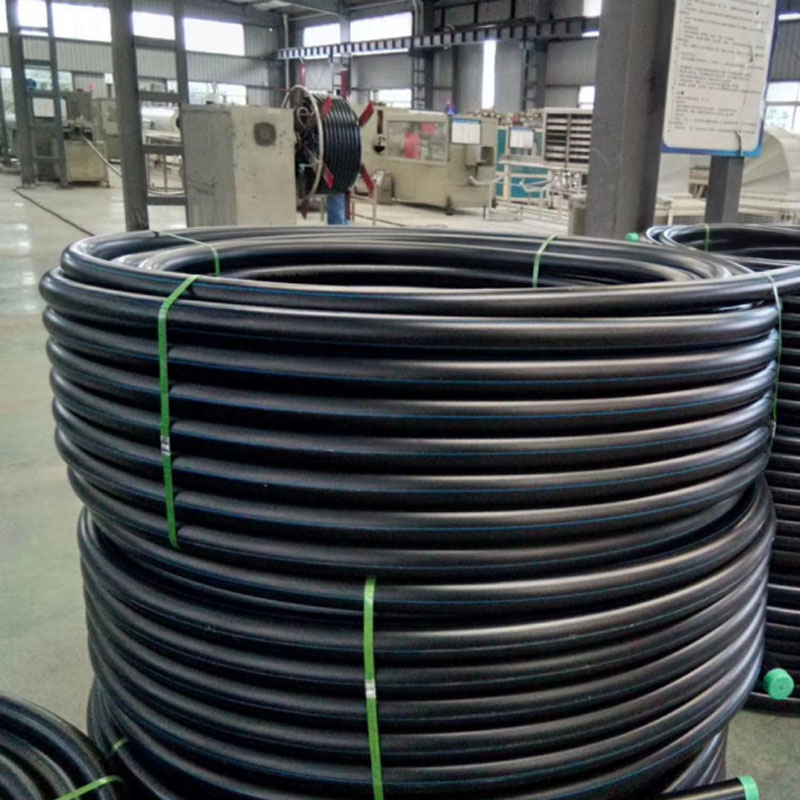
The performance of PPR water pipes is heavily influenced by hydrostatic pressure, temperature fluctuations, and external loads. Hydrostatic pressure testing, conforming to standards like ISO 1167, is essential to verify the pipe's burst pressure and long-term strength. PPR’s pressure rating (PN – nominal pressure) typically ranges from PN10 (1 MPa) to PN25 (2.5 MPa), indicating the maximum operating pressure at 20°C. Temperature resistance is another critical factor; PPR pipes can handle temperatures up to 95°C for short durations and 70°C continuously. This necessitates careful consideration of hot water applications and potential thermal expansion. Force analysis reveals that PPR pipes exhibit good tensile strength (typically 20-30 MPa) and elongation at break (approximately 300-600%). However, they are relatively susceptible to creep under sustained loads, particularly at elevated temperatures. Environmental resistance is good, exhibiting high UV stability with the addition of carbon black, but prolonged direct sunlight exposure can still cause surface degradation. Compliance requirements vary by region, but generally involve adherence to drinking water regulations (e.g., NSF/ANSI 61 in the US, DVGW W512 in Germany) and building codes. Functional implementation involves proper pipe support, minimizing stress concentrations at joints, and accounting for thermal expansion and contraction through the use of expansion loops or flexible connectors. Understanding the coefficient of linear thermal expansion (approximately 0.15 mm/m°C) is crucial for designing a robust piping system.
Technical Specifications
| Parameter | PN10 (S3.2) | PN16 (S4) | PN20 (S5) | PN25 (S6.3) |
|---|---|---|---|---|
| Nominal Pressure (MPa) | 1.0 | 1.6 | 2.0 | 2.5 |
| Hydrostatic Pressure Test (MPa) | 1.5 | 2.4 | 3.0 | 3.75 |
| Wall Thickness (mm) | 3.2 | 4.0 | 4.6 | 5.4 |
| Maximum Operating Temperature (°C) | 95 (short term) / 70 (continuous) | 95 (short term) / 70 (continuous) | 95 (short term) / 70 (continuous) | 95 (short term) / 70 (continuous) |
| Tensile Strength (MPa) | 22-28 | 23-29 | 24-30 | 25-31 |
| Elongation at Break (%) | 350-600 | 320-580 | 300-560 | 280-540 |
Failure Mode & Maintenance
PPR water pipes, while durable, are susceptible to specific failure modes. Slow Crack Growth (SCG) is a primary concern, caused by sustained tensile stress in conjunction with aggressive chemicals. This leads to brittle failure over time. Oxidative degradation can occur due to exposure to chlorine or other oxidizing agents in the water supply, reducing the pipe's impact resistance and causing surface cracks. UV degradation, particularly in exposed applications, causes embrittlement and discoloration. Improper fusion welding is a frequent cause of failure, resulting in weak joints prone to leakage. Fatigue cracking can occur in areas subject to vibration or repeated stress. Delamination can occur if the polypropylene material is not adequately mixed or processed during extrusion. Maintenance primarily focuses on preventative measures. Regular inspection of joints for leaks or cracks is crucial. Water quality monitoring to control chlorine levels is recommended. Avoid exposing pipes to direct sunlight for prolonged periods. Proper pipe support to minimize stress is essential. If a leak occurs, the affected section should be cut out and replaced using appropriate fusion welding techniques. Avoid using abrasive cleaners or solvents, as these can damage the pipe material. Periodic pressure testing can identify potential weaknesses before they lead to catastrophic failure.
Industry FAQ
Q: What is the impact of water hardness on the lifespan of PPR pipes?
A: High water hardness, specifically the presence of calcium and magnesium carbonates, can lead to scale buildup within the PPR pipes. While PPR itself is resistant to scaling, significant scale accumulation reduces the internal diameter, increasing flow resistance and potentially leading to localized stress concentrations. Regular water softening or periodic flushing of the system can mitigate this issue.
Q: Are PPR pipes suitable for use with recycled water?
A: The suitability of PPR pipes for recycled water applications depends on the composition of the recycled water. If the water contains aggressive chemicals, such as high concentrations of chlorine or certain cleaning agents, it can accelerate degradation of the PPR material. A thorough chemical compatibility assessment is required before using PPR pipes in recycled water systems.
Q: How does the pipe’s SDR (Standard Dimension Ratio) affect its performance?
A: SDR is the ratio of pipe diameter to wall thickness. A lower SDR indicates a thicker wall and, consequently, higher pressure resistance. Choosing the appropriate SDR is crucial based on the operating pressure and application requirements. Higher pressure applications require lower SDR values.
Q: What are the common causes of leakage at fusion-welded joints?
A: Common causes of leakage at fusion-welded joints include insufficient heating time, incorrect heating temperature, contamination of the welding surfaces, and improper alignment of the pipe and fitting. Proper operator training and adherence to welding procedures are essential to ensure leak-free joints.
Q: Can PPR pipes be used for compressed air systems?
A: PPR pipes are generally not recommended for compressed air systems. While they can withstand some pressure, the permeation rate of compressed air through PPR is relatively high, leading to significant air loss. Furthermore, the flexible nature of PPR may not be suitable for the vibrations and pulsations often associated with compressed air applications. Dedicated compressed air piping materials, such as aluminum or stainless steel, are preferred.
Conclusion
PPR water pipes offer a robust and cost-effective solution for potable water distribution, providing a compelling alternative to traditional materials. Their performance is critically dependent on material selection, precise manufacturing control, and proper installation techniques. Understanding the potential failure modes – including SCG, oxidative degradation, and improper welding – is crucial for ensuring long-term system reliability. The careful consideration of technical specifications, such as pressure rating, temperature resistance, and SDR, allows engineers and procurement managers to select the appropriate pipe for specific applications.
Future development in PPR technology may focus on enhancing chemical resistance through advanced copolymer formulations and incorporating smart monitoring systems to detect early signs of degradation. Adherence to relevant international standards and rigorous quality control measures will continue to be essential for maintaining the integrity and longevity of PPR water distribution networks. The continued growth in demand for PPR pipes underscores their importance in modern infrastructure projects worldwide.
-
DN25 HDPE Compression Fitting-HORON INTERNATIONAL|Reliable Irrigation Solutions
NewsFeb.11,2026
-
china hdpe pipe to pvc pipe connection Performance Engineering
News2026-05-29
-
china 12 inch pvc pipe Performance Analysis
News2026-05-29
-
china pvc to hdpe pipe connection Performance Analysis
News2026-05-29
-
china types of pipes pvc Performance Analysis
News2026-05-29
-
china 2 hdpe coupling Material Science
News2026-05-29
-
china 48 hdpe pipe for sale Performance Analysis
News2026-05-28
-
china perforated land drainage pipe Performance Analysis
News2026-05-28
-
china clear pvc hose Performance Analysis
News2026-05-28
-
china kitchen sink hot cold water lines Performance Analysis
News2026-05-28
-
china 110 mm pvc pipe Performance Analysis
News2026-05-28
-
china upvc column pipes for submersible pumps price list Performance Analysis
News2026-05-27
-
china ppr pipe for water supply Performance Analysis
News2026-05-27
-
china 20mm ppr pipe price Performance Analysis
News2026-05-27
-
china hdpe pipe 24 inch Performance Analysis
News2026-05-27
-
china hdpe to steel coupling Performance Analysis
News2026-05-27