

Feb . 11, 2026 00:01 Back to list
ppr water pipe price manufacturer Performance Analysis
Introduction
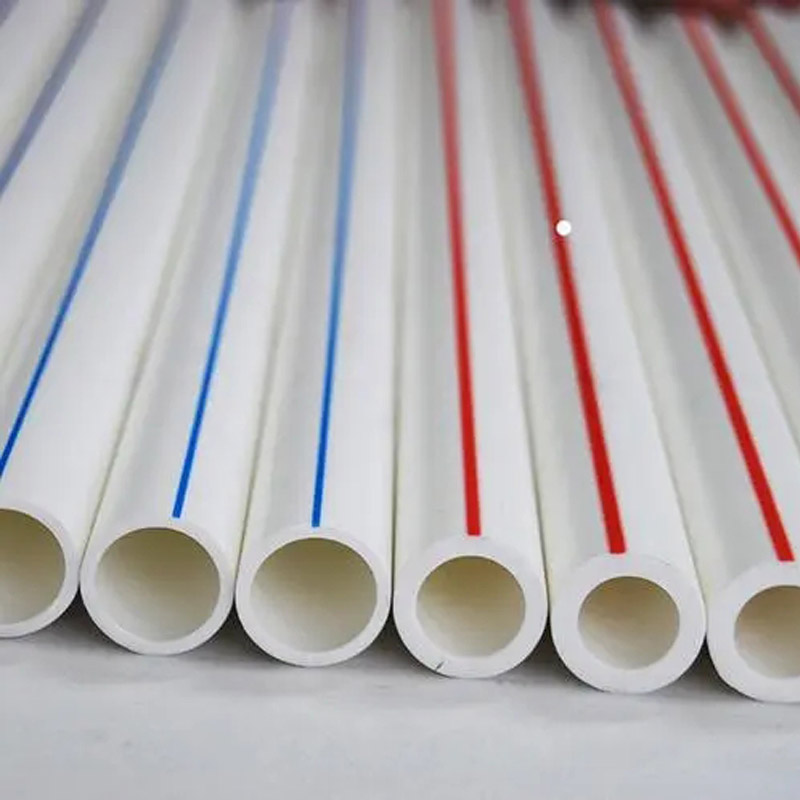
Polypropylene Random (PPR) water pipes represent a significant advancement in potable water distribution systems, offering a corrosion-resistant and cost-effective alternative to traditional materials like copper and galvanized steel. PPR piping systems, manufactured by ppr water pipe price manufacturer, are widely utilized in residential, commercial, and industrial applications for both hot and cold water supply. Their position within the industry chain is as a finished product, directly replacing conventional piping materials after installation of fittings and accessories. Core performance characteristics include high flow rates due to smooth inner surfaces, excellent thermal insulation properties, and resistance to a broad range of chemicals commonly found in water supplies. The pricing structure for these pipes is driven by raw material costs (polypropylene homopolymer and copolymer), manufacturing scale, and adherence to international quality standards. Understanding these factors is crucial for procurement professionals seeking reliable and long-lasting piping solutions.
Material Science & Manufacturing
PPR pipes are manufactured from polypropylene random copolymer, a thermoplastic polymer created through the polymerization of propylene. This copolymerization introduces random ethylenepropylene units into the polymer chain, disrupting the crystallinity of the polypropylene homopolymer. This disruption results in increased flexibility, improved impact resistance, and enhanced weldability – critical properties for pipe applications. The raw material, polypropylene granules, typically possess a MFI (Melt Flow Index) between 1.0 and 3.0 g/10min, influencing the extrusion process. Manufacturing typically involves extrusion, where the polypropylene granules are melted and forced through a die to create the pipe’s shape. Critical process parameters include melt temperature (190-230°C), die temperature, haul-off speed, and cooling water temperature. The extrusion process demands precise control to ensure uniform wall thickness and prevent defects like ovality or surface irregularities. The piping system's integrity relies heavily on the quality of the welding process – typically hot-gas or electrofusion welding – requiring skilled technicians and adherence to specific welding parameters (temperature, pressure, and dwell time) dictated by the pipe's dimensions and intended application. Quality control during manufacturing involves rigorous testing of hydrostatic pressure, tensile strength, and reversion to ensure compliance with international standards.
Performance & Engineering
The performance of PPR water pipes is governed by several engineering principles. Hydrostatic strength, determined by the pipe’s dimensions and material properties, dictates its ability to withstand internal water pressure without failure. This is rigorously tested according to standards like ISO 1167 to ensure long-term reliability. The smooth inner surface of PPR pipes minimizes friction losses, leading to higher flow rates compared to traditional materials, thus reducing pumping energy requirements. The thermal conductivity of polypropylene (approximately 0.24 W/m·K) provides excellent thermal insulation, reducing heat loss in hot water systems and preventing condensation on cold water pipes. PPR piping systems are designed to withstand a wide range of temperatures, typically from -40°C to +95°C, making them suitable for diverse applications. Stress analysis is crucial in system design, particularly at joints and bends, to prevent stress concentrations that could lead to cracking. Furthermore, the expansion and contraction of the pipe material due to temperature fluctuations must be accounted for during installation to avoid excessive stress on the piping system. Compliance with building codes and plumbing regulations is paramount, and the system design must adhere to local requirements regarding pipe sizing, support spacing, and pressure testing.
Technical Specifications
| Parameter | Unit | Standard (e.g., DIN 8077/8078) | Typical Value |
|---|---|---|---|
| Hydrostatic Pressure (Short-term) | MPa | ISO 1167 | 12.5 |
| Hydrostatic Pressure (Long-term) | MPa | ISO 1167 | 1.0 |
| Tensile Strength | MPa | ISO 6259 | >20 |
| Elongation at Break | % | ISO 6259 | >200 |
| Vicat Softening Temperature | °C | ISO 306 | 135 |
| Water Absorption (24h) | % | ISO 6259 | <0.1 |
Failure Mode & Maintenance
PPR water pipes, while durable, are susceptible to certain failure modes. One common issue is creep rupture, particularly under sustained high temperatures and pressures. This occurs due to the viscoelastic nature of polypropylene, leading to gradual deformation and eventual failure. Another potential failure mode is oxidative degradation, resulting from prolonged exposure to oxygen and UV radiation, which can embrittle the material. Incorrect welding practices, such as insufficient heating or excessive pressure, can lead to weak joints prone to leakage or cracking. Mechanical damage, such as impact from external forces, can also cause pipe failure. Delamination can occur if the pipe material is contaminated during manufacturing or exposed to aggressive chemicals. Maintenance primarily involves regular inspections for leaks, cracks, or signs of degradation. If damage is detected, the affected section should be replaced using proper welding techniques. Preventative maintenance includes ensuring adequate support for the pipes to prevent excessive stress and avoiding exposure to direct sunlight. Scale buildup within the pipes can reduce flow rates and increase pressure drop; periodic flushing may be necessary to remove deposits. Avoiding the use of abrasive cleaning agents is vital to prevent surface damage.
Industry FAQ
Q: What is the expected service life of a properly installed PPR piping system?
A: A properly installed and maintained PPR piping system is expected to have a service life of at least 50 years, often exceeding that timeframe under optimal conditions. This assumes adherence to installation standards, appropriate water quality, and operating pressures within specified limits. The material's inherent resistance to corrosion and chemical degradation contribute to its longevity.
Q: How does PPR compare to CPVC in terms of temperature resistance?
A: While both PPR and CPVC offer good temperature resistance, CPVC generally has a higher maximum operating temperature (up to 93°C) compared to PPR (typically up to 95°C, but sustained operation is best below 70°C). However, PPR offers better flexibility and impact resistance at lower temperatures. The choice depends on the specific application and temperature requirements.
Q: What are the limitations of using PPR in industrial applications involving harsh chemicals?
A: PPR is generally resistant to many common chemicals, but it's not universally compatible. Strong acids, strong bases, and certain organic solvents can cause swelling, cracking, or degradation of the material. It's crucial to consult a chemical compatibility chart to ensure the PPR piping system is suitable for the specific chemicals present in the industrial application.
Q: What is the acceptable level of pressure drop in a PPR piping system?
A: Acceptable pressure drop depends on the system's design and intended use. Generally, a pressure drop of less than 10% of the supply pressure is considered acceptable. Excessive pressure drop can indicate issues such as scale buildup, undersized piping, or restrictions in the system.
Q: What are the key considerations when welding PPR pipes to ensure a leak-proof joint?
A: Key considerations include using the correct welding tool and settings (temperature and pressure) for the pipe's dimensions, ensuring clean and dry surfaces, applying consistent pressure during the welding process, and allowing the joint to cool completely before applying pressure. Proper training and certification of welding personnel are also essential.
Conclusion
PPR water piping systems, manufactured by companies like ppr water pipe price manufacturer, represent a robust and reliable solution for potable water distribution. Their inherent properties – corrosion resistance, thermal insulation, and ease of installation – coupled with adherence to stringent international standards, make them a preferred choice for a wide range of applications. However, understanding the material's limitations, particularly regarding chemical compatibility and potential failure modes, is crucial for ensuring long-term performance and system integrity.
Future advancements in PPR technology may focus on developing enhanced formulations with improved temperature resistance and chemical compatibility, as well as incorporating smart sensors for real-time monitoring of system performance. Continued research and development in welding techniques will also contribute to increasing the reliability and longevity of PPR piping systems, further solidifying their position as a leading material in the water infrastructure sector.
-
DN25 HDPE Compression Fitting-HORON INTERNATIONAL|Reliable Irrigation Solutions
NewsFeb.11,2026
-
china 48 hdpe pipe for sale Performance Analysis
News2026-05-28
-
china perforated land drainage pipe Performance Analysis
News2026-05-28
-
china clear pvc hose Performance Analysis
News2026-05-28
-
china kitchen sink hot cold water lines Performance Analysis
News2026-05-28
-
china 110 mm pvc pipe Performance Analysis
News2026-05-28
-
china upvc column pipes for submersible pumps price list Performance Analysis
News2026-05-27
-
china ppr pipe for water supply Performance Analysis
News2026-05-27
-
china 20mm ppr pipe price Performance Analysis
News2026-05-27
-
china hdpe pipe 24 inch Performance Analysis
News2026-05-27
-
china hdpe to steel coupling Performance Analysis
News2026-05-27
-
china water lines under kitchen sink Performance Analysis
News2026-05-26
-
china hdpe conduit coupling Performance Analysis
News2026-05-26
-
china pvc irrigation pipe Performance Analysis
News2026-05-26
-
china all types of pvc pipes Performance Analysis
News2026-05-26
-
china hdpe reducing coupler Performance Analysis
News2026-05-26