

Feb . 11, 2026 00:01 Back to list
ppr water pipe price factory Manufacturing and Performance Analysis
Introduction
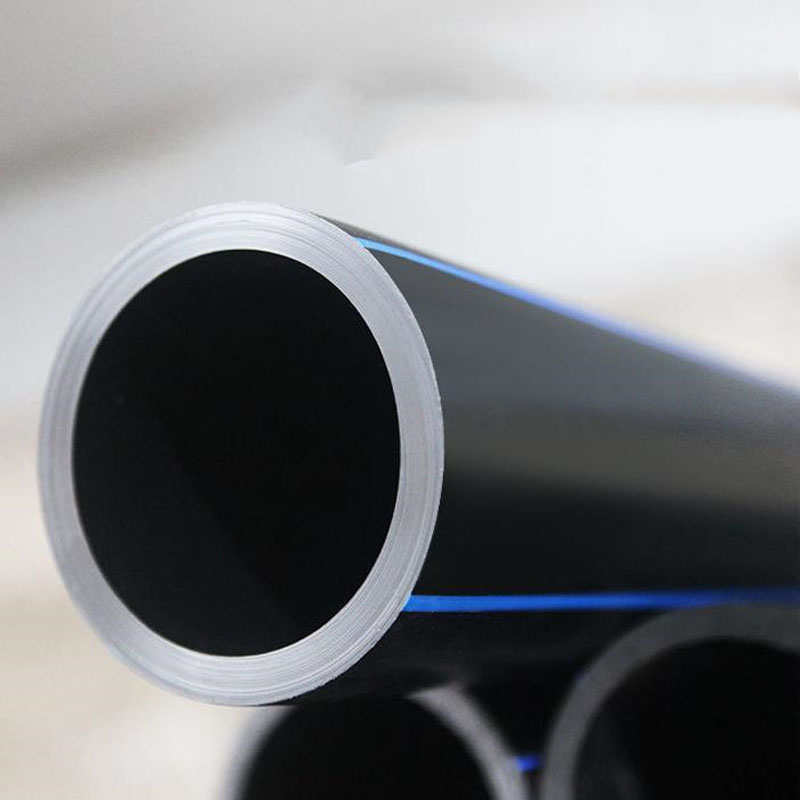
Polypropylene Random (PPR) water pipes represent a significant advancement in potable water distribution systems and industrial fluid transport. This technical guide focuses on PPR water pipe manufacturing and performance, particularly from the perspective of a “PPR water pipe price factory” – a manufacturing entity specializing in the production and supply of these pipes. PPR pipes are characterized by their homopolymer polypropylene core offering excellent chemical resistance, thermal stability, and hygienic properties. Their position in the industry chain lies between raw polypropylene resin suppliers and end-users such as construction companies, plumbers, and industrial facilities. Core performance characteristics include pressure resistance, temperature tolerance (both high and low), resistance to corrosion, and a smooth inner surface minimizing friction loss. Fluctuations in polypropylene resin costs, manufacturing efficiencies, and scale of production directly influence the PPR water pipe price, making understanding the underlying technical specifications crucial for informed procurement decisions.
Material Science & Manufacturing
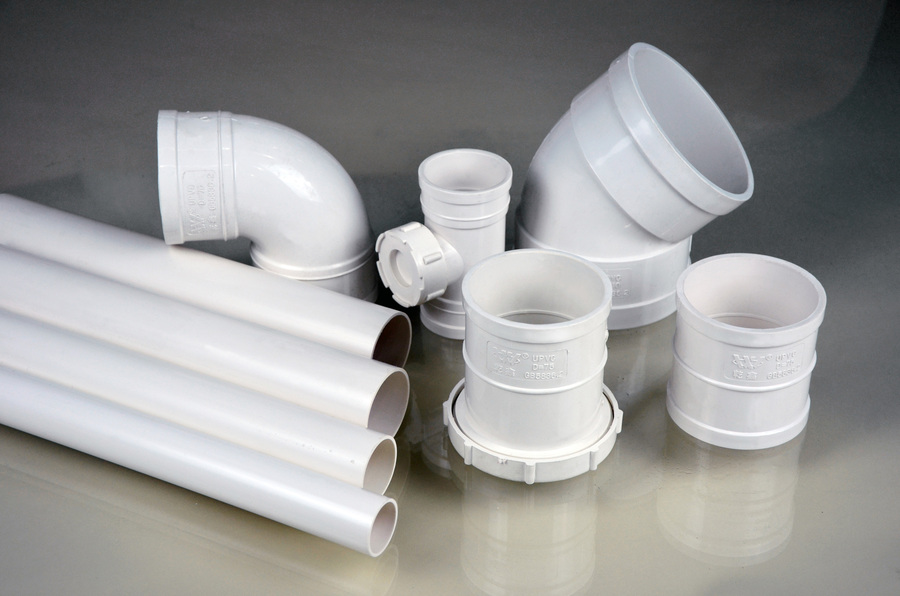
PPR pipes are fabricated from polypropylene random copolymer, a polymer synthesized through the polymerization of propylene monomers with a random distribution of comonomers. The random copolymerization introduces branching, reducing crystallinity compared to homopolypropylene, resulting in improved impact strength and flexibility. Raw material properties significantly impact final pipe performance; molecular weight distribution (MWD) dictates processability and mechanical strength. A broader MWD generally allows for easier processing but can reduce tensile strength. Additives such as stabilizers (typically phenolic or phosphite-based) are crucial to prevent thermal degradation during processing and extend the service life of the pipe. Manufacturing commonly employs extrusion processes. Polypropylene granules are fed into an extruder where they are melted and forced through a die to create the pipe shape. Key process parameters include melt temperature (typically 180-240°C), screw speed, and die pressure. Maintaining consistent temperature control is critical to prevent degradation and ensure uniform wall thickness. Socket fusion welding, hot plate welding, and electrofusion welding are common joining techniques, relying on the thermoplastic nature of polypropylene to create homogeneous, leak-proof joints. Quality control measures include hydrostatic testing (withstanding a specific pressure for a defined period), impact resistance testing, and dimensional accuracy verification. Improper parameter control can lead to issues like pipe ovality, inconsistent wall thickness, and reduced weld strength.
Performance & Engineering
PPR pipe performance is governed by several engineering principles. Hydrostatic strength, determined by Barlow’s formula (S = P D / 2t, where S is the burst pressure, P is the operating pressure, D is the outer diameter, and t is the wall thickness), dictates the maximum permissible operating pressure. Long-term hydrostatic strength (LTHS) is a more relevant metric, accounting for creep rupture behavior over extended periods. Chemical resistance is a key advantage; PPR exhibits excellent resistance to a wide range of acids, bases, and salts commonly found in water supplies. However, prolonged exposure to strong oxidizing agents should be avoided. Temperature fluctuations induce thermal expansion and contraction, necessitating appropriate expansion loops and supports to prevent stress cracking and joint failures. Compliance with international standards (discussed in the conclusion) dictates permissible operating temperatures and pressure ratings. Finite Element Analysis (FEA) is utilized during design to optimize pipe geometry and wall thickness for specific application requirements, particularly in industrial settings involving higher pressures or temperatures. Corrosion analysis is minimal due to the inherent corrosion resistance of polypropylene, but consideration must be given to compatibility with joining materials and any additives used in the pipe formulation. The smooth inner surface minimizes friction loss, reducing pumping energy requirements and enhancing flow rates. This is quantified by the Hazen-Williams coefficient, a measure of the pipe's hydraulic efficiency.
Technical Specifications
| Parameter | Unit | DN20 (1/2 inch) | DN25 (3/4 inch) |
|---|---|---|---|
| Outer Diameter | mm | 21.5 | 26.5 |
| Wall Thickness | mm | 2.3 | 2.8 |
| Pressure Rating (PN) | bar | 25 | 25 |
| Burst Pressure | bar | 75 | 75 |
| Operating Temperature | °C | -40 to +95 | -40 to +95 |
| Long-Term Hydrostatic Strength (LTHS) | bar | 10 | 10 |
Failure Mode & Maintenance
PPR pipe failures typically stem from several modes. Slow Crack Growth (SCG) is a primary concern, initiated by sustained tensile stress and exacerbated by the presence of aggressive chemicals. Stress cracking can also occur during installation if pipes are subjected to excessive bending or tension. UV degradation, while not immediate, can embrittle the material over prolonged outdoor exposure, necessitating UV stabilizers or protective coverings. Joint failures are often attributable to improper welding techniques, insufficient heating temperatures, or contamination during the welding process. Thermal expansion and contraction cycles can induce stress at joints, leading to leaks. Failure analysis often involves microscopic examination of fracture surfaces to identify the root cause. Maintenance primarily focuses on preventing failures. Proper installation adhering to manufacturer's guidelines is paramount. Avoiding excessive mechanical stress during handling and installation is crucial. Regular visual inspections for signs of cracking, deformation, or leakage should be conducted. For outdoor applications, providing UV protection is recommended. Should a leak occur, the affected section should be cut out and replaced using appropriate welding techniques. Preventative maintenance also includes flushing the system periodically to remove sediment buildup which can contribute to localized stress concentrations.
Industry FAQ
Q: What is the impact of varying polypropylene resin grades on the long-term performance of PPR pipes?
A: The grade of polypropylene resin profoundly impacts long-term performance. Higher molecular weight resins generally exhibit greater creep resistance, improving LTHS. Resin containing a higher random comonomer content demonstrates improved impact strength and flexibility. The Melt Flow Index (MFI) is a crucial indicator, influencing processability; however, a lower MFI typically correlates with higher molecular weight and enhanced performance. A reputable “PPR water pipe price factory” will consistently source resins meeting stringent quality standards and conduct rigorous testing.
Q: How does the welding process affect the overall strength and reliability of PPR pipe joints?
A: The welding process is critical. Incorrect welding parameters – insufficient heating time, inadequate pressure, or improper alignment – can result in weak joints prone to failure. Socket fusion welding requires precise temperature control to ensure optimal material fusion. Electrofusion welding, while more automated, demands correct voltage and welding time settings. Quality control involves visual inspection and, ideally, pull-out testing to verify joint strength.
Q: What is the susceptibility of PPR pipes to scaling and biofilm formation, and how can this be mitigated?
A: PPR pipes exhibit relatively low susceptibility to scaling compared to metallic pipes due to their smooth inner surface. However, biofilm formation can occur, particularly in systems with stagnant water. Regular flushing of the system, UV disinfection, and the use of appropriate water treatment strategies can mitigate biofilm growth. The inherent resistance to corrosion also prevents scaling associated with metal oxidation.
Q: Can PPR pipes be used in direct sunlight, and what are the implications for long-term durability?
A: Prolonged exposure to direct sunlight will lead to UV degradation, causing embrittlement and reduced mechanical properties. PPR pipes intended for outdoor use must be protected with UV stabilizers in the formulation, painted with a UV-resistant coating, or covered with opaque materials. Ignoring this can significantly reduce service life.
Q: What are the key differences between Type 1, Type 2, and Type 3 PPR pipes, and which type is suitable for potable water applications?
A: Type 1 PPR is suitable for cold water applications only. Type 2 is used for hot and cold water. Type 3 is designed for industrial applications requiring higher temperature resistance and pressure ratings. For potable water, Type 2 PPR is the most common and appropriate choice, balancing cost-effectiveness and performance. However, ensuring compliance with relevant drinking water standards is paramount regardless of type.
Conclusion
PPR water pipes offer a compelling combination of performance, durability, and cost-effectiveness for a wide range of fluid transport applications. The performance characteristics are intrinsically linked to the quality of the raw materials, the precision of the manufacturing processes, and adherence to relevant industry standards. A reliable “PPR water pipe price factory” understands these interdependencies and implements rigorous quality control measures to ensure consistent product performance.
Future developments in PPR technology may focus on enhancing UV resistance, improving long-term creep performance, and exploring the integration of smart monitoring systems for leak detection and system health assessment. Continued research and development, coupled with stringent quality assurance, will further solidify PPR’s position as a leading material in water distribution and fluid transport infrastructure.
-
DN25 HDPE Compression Fitting-HORON INTERNATIONAL|Reliable Irrigation Solutions
NewsFeb.11,2026
-
china 48 hdpe pipe for sale Performance Analysis
News2026-05-28
-
china perforated land drainage pipe Performance Analysis
News2026-05-28
-
china clear pvc hose Performance Analysis
News2026-05-28
-
china kitchen sink hot cold water lines Performance Analysis
News2026-05-28
-
china 110 mm pvc pipe Performance Analysis
News2026-05-28
-
china upvc column pipes for submersible pumps price list Performance Analysis
News2026-05-27
-
china ppr pipe for water supply Performance Analysis
News2026-05-27
-
china 20mm ppr pipe price Performance Analysis
News2026-05-27
-
china hdpe pipe 24 inch Performance Analysis
News2026-05-27
-
china hdpe to steel coupling Performance Analysis
News2026-05-27
-
china water lines under kitchen sink Performance Analysis
News2026-05-26
-
china hdpe conduit coupling Performance Analysis
News2026-05-26
-
china pvc irrigation pipe Performance Analysis
News2026-05-26
-
china all types of pvc pipes Performance Analysis
News2026-05-26
-
china hdpe reducing coupler Performance Analysis
News2026-05-26